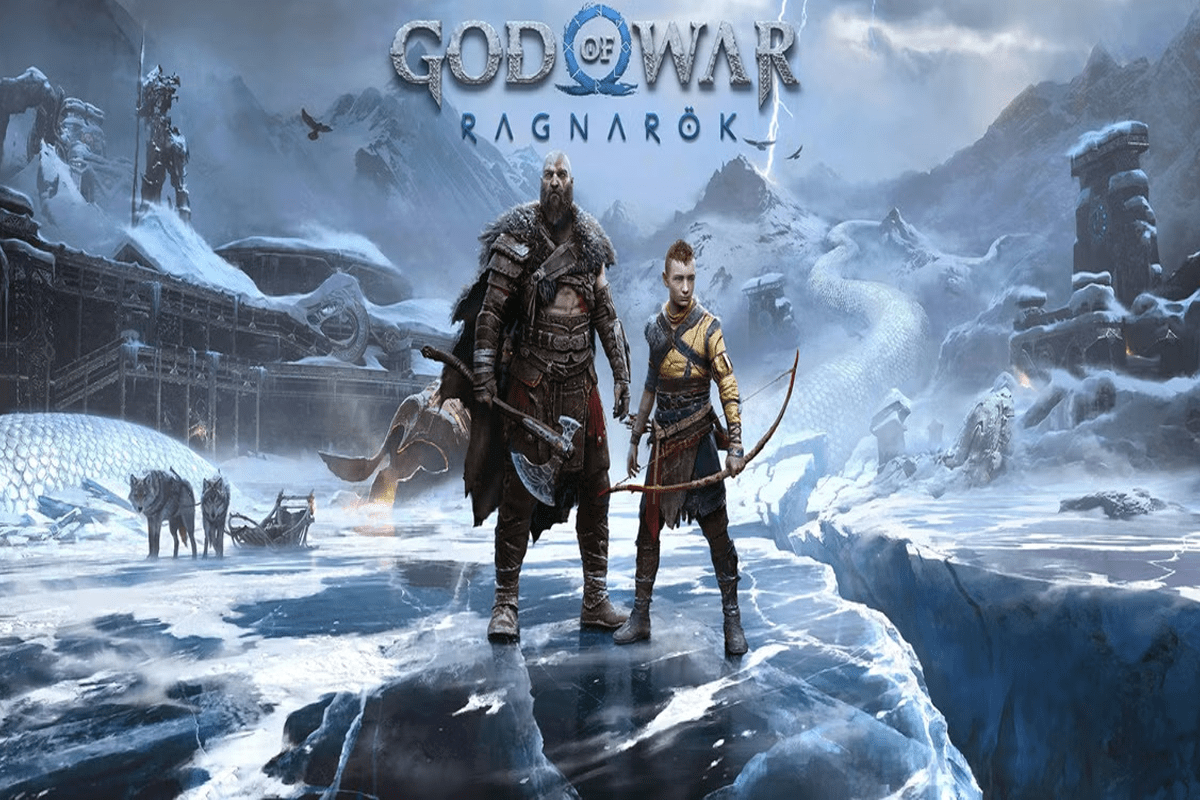
A Mythic Masterpiece
Game Introduction
God of War: Ragnarok, the highly anticipated sequel to 2018’s God of War, is a monumental achievement in storytelling, gameplay, and technical prowess. Developed by Santa Monica Studio and published by Sony Interactive Entertainment, this action-adventure epic continues the journey of Kratos and his son, Atreus, as they navigate the treacherous waters of Norse mythology. Set against the backdrop of the impending apocalypse, Ragnarok delivers a gripping narrative, refined combat mechanics, and breathtaking visuals that solidify its place as one of the greatest games of its generation.
Gameplay: A Perfect Blend of Combat, Exploration, and Strategy
Characters
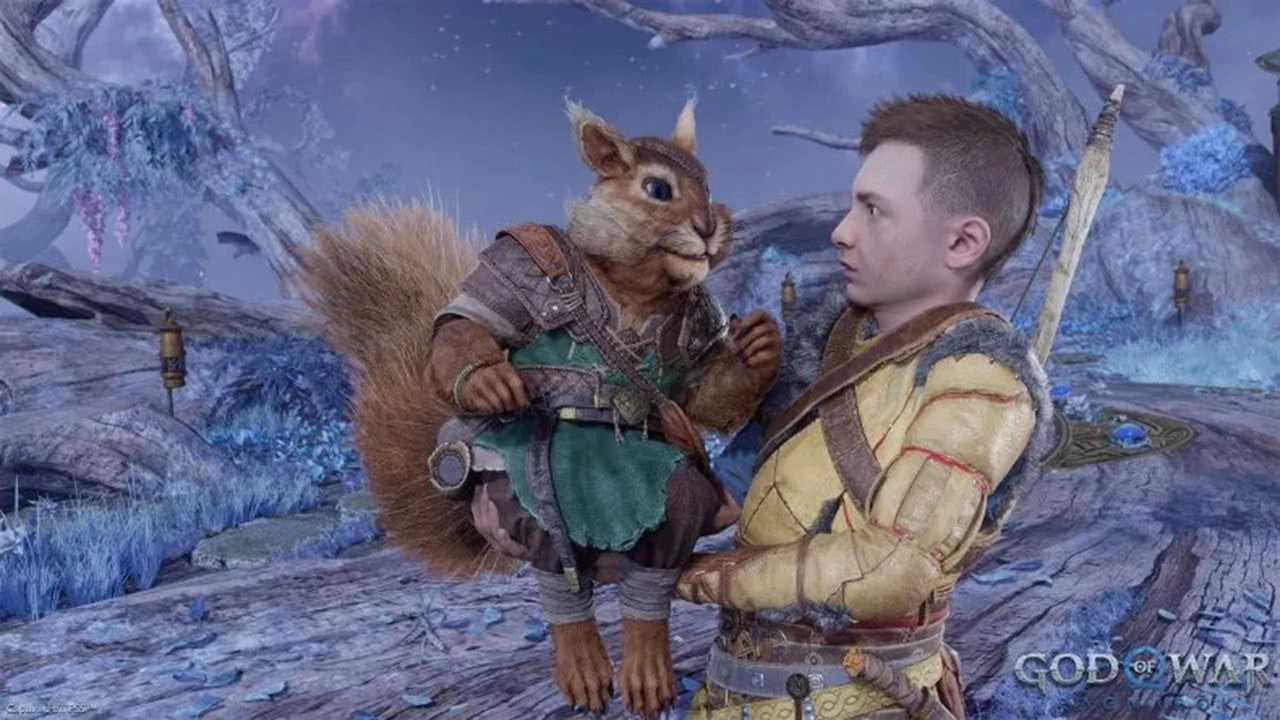
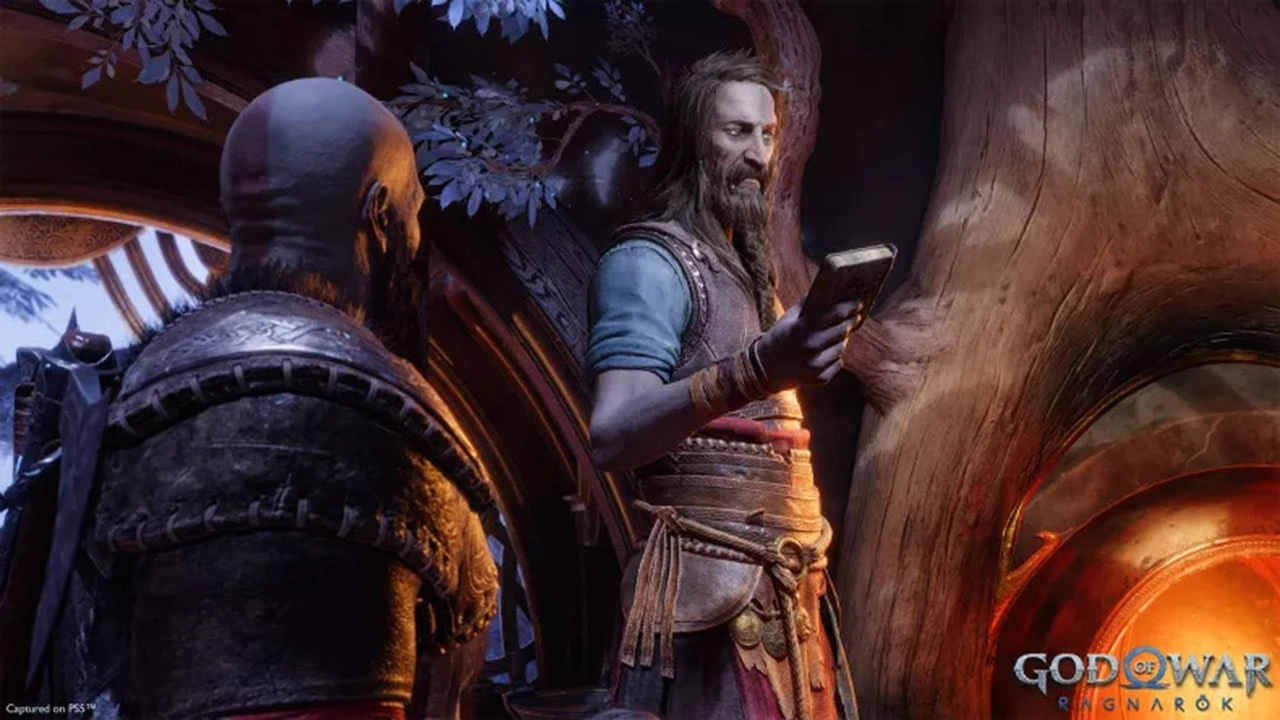
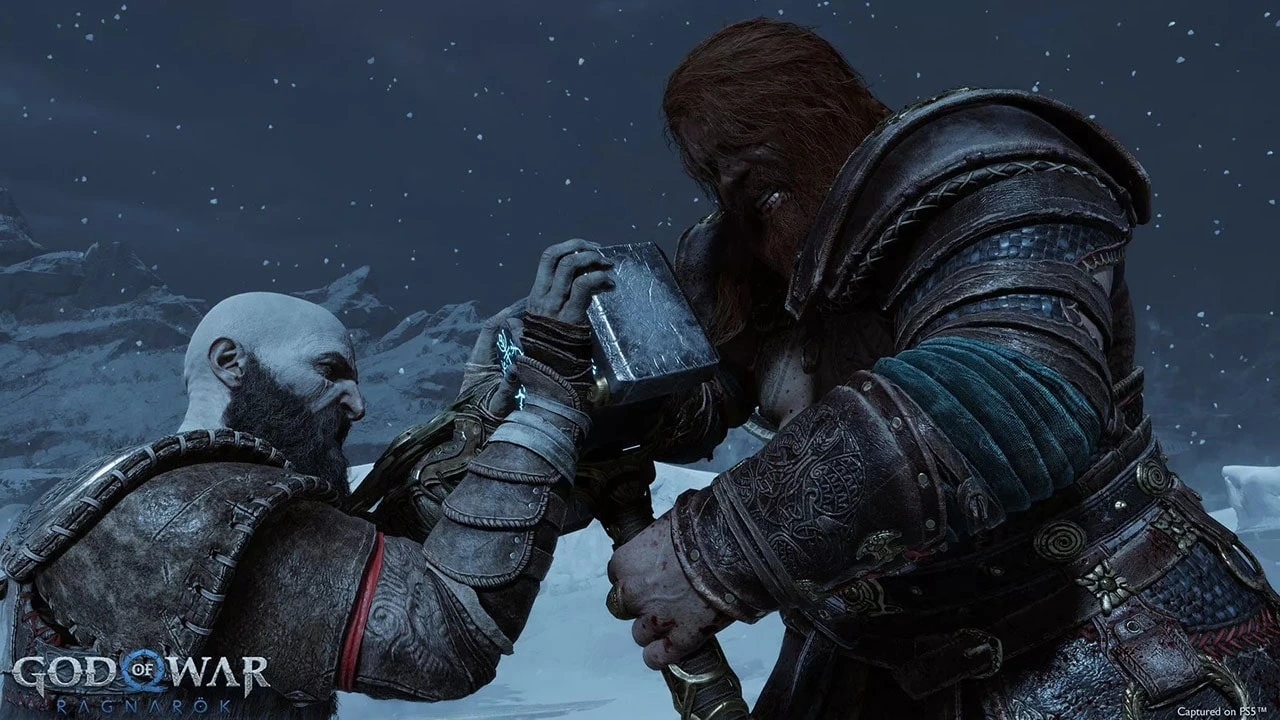
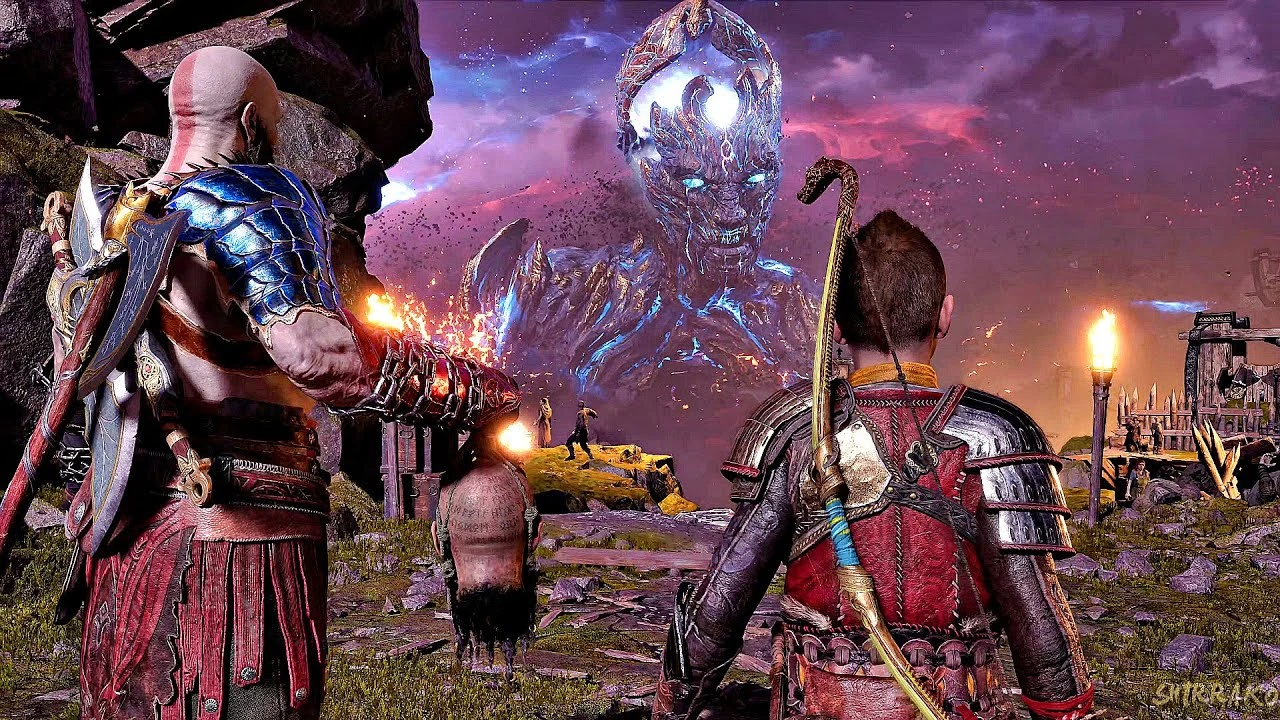
The heart of God of War: Ragnarok lies in its characters, each meticulously crafted with depth and nuance. Kratos, the Ghost of Sparta, remains a stoic and formidable protagonist, grappling with his past while striving to be a better father to Atreus. Atreus, now older and more confident, plays a pivotal role in the story, showcasing his growth as both a warrior and a person.
The game introduces a host of new and returning characters, including Freya, who seeks vengeance against Kratos for the death of her son, Baldur; Thor, the God of Thunder, who serves as a brutal antagonist; and Odin, the All-Father, whose cunning and manipulation drive much of the conflict. Each character is brought to life through exceptional voice acting and motion capture, making them feel real and relatable.
Missions and Features
God of War: Ragnarok expands on the foundation laid by its predecessor, offering a mix of main story missions and side quests that enrich the world and its lore. The game’s missions are diverse, ranging from intense boss battles to quieter moments of exploration and puzzle-solving.
Key gameplay features include:
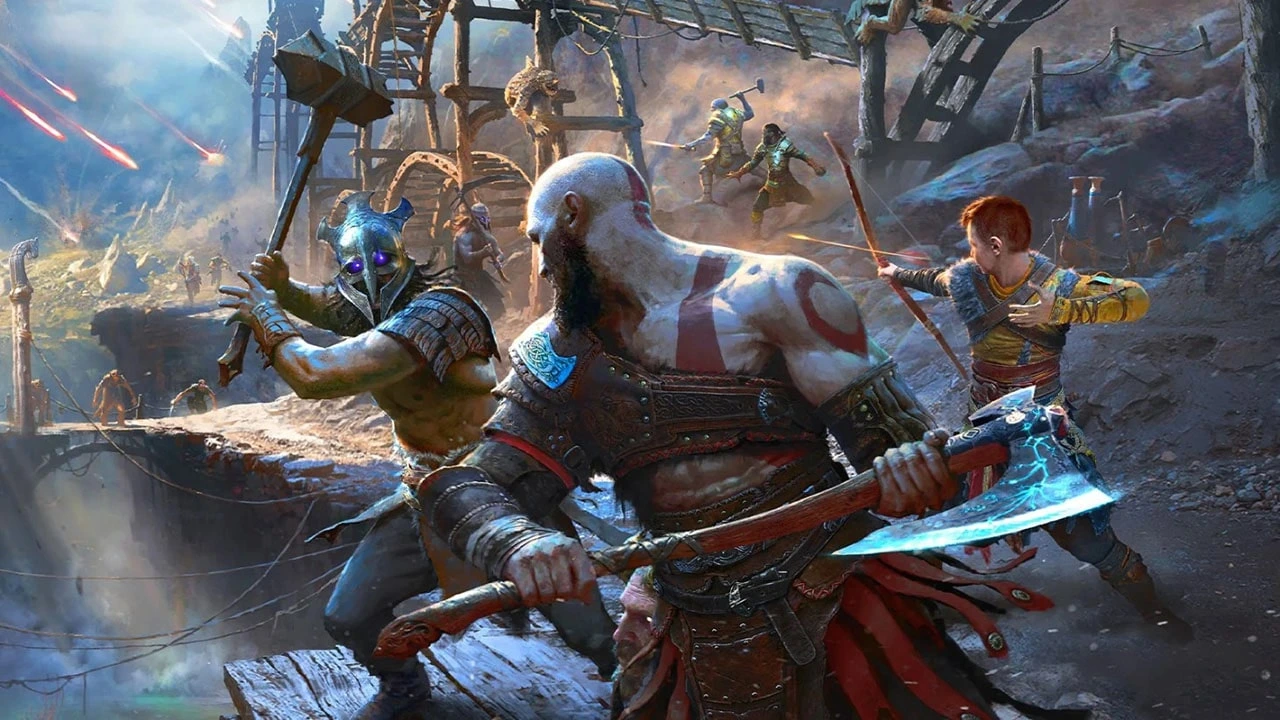
- Combat System: The combat system has been refined, offering more weapon options, combos, and abilities. Kratos wields the Leviathan Axe and Blades of Chaos, each with unique upgrades and runic attacks. Atreus also plays a more active role in combat, using his bow and newfound abilities to assist Kratos.
- Exploration: The game’s world is vast and interconnected, with multiple realms to explore. Each realm is filled with secrets, collectibles, and side quests that reward players with valuable resources and lore.
- Puzzles: Environmental puzzles return, requiring players to use their wits and tools to progress. These puzzles are more intricate and varied, adding a layer of strategy to the gameplay.
- Upgrades and Customization: Players can upgrade Kratos’ weapons, armor, and skills using resources gathered throughout the game. The customization options allow for different play styles, whether you prefer brute strength or tactical finesse.
Story Narrative: A Tale of Gods, Fate, and Redemption
God of War: Ragnarok picks up a few years after the events of the 2018 game. Fimbulwinter, the precursor to Ragnarok, has engulfed the Nine Realms in chaos. Kratos and Atreus, now aware of the latter’s destiny as Loki, must navigate a world on the brink of destruction.
The story delves deep into themes of fate, family, and redemption. Kratos struggles to protect Atreus from the machinations of the gods, while Atreus seeks to understand his role in the coming apocalypse. Their journey takes them across the realms, where they encounter allies and enemies alike, each with their own agendas.
The narrative is expertly paced, balancing epic moments of spectacle with intimate, character-driven scenes. The relationship between Kratos and Atreus remains the emotional core of the story, evolving in ways that are both heartwarming and heartbreaking. By the end of the game, players are left with a profound sense of closure while also yearning for more.
Graphics and Sound: A Feast for the Senses
Visual Improvements
God of War: Ragnarok is a visual masterpiece, pushing the PlayStation 5’s hardware to its limits. The game features stunningly detailed environments, from the frozen landscapes of Midgard to the lush forests of Vanaheim. The character models are incredibly lifelike, with subtle facial expressions and animations that convey a wide range of emotions.
The game’s lighting and particle effects are particularly noteworthy, creating a sense of realism and immersion. Whether it’s the glow of Kratos’ axe or the crackle of Thor’s lightning, every visual element is crafted with care. The addition of ray tracing further enhances the game’s visuals, making reflections and shadows more realistic than ever.
The Making of God of War: Ragnarok – A Journey of Mythic Proportions
The creation of God of War: Ragnarok is a tale of passion, innovation, and collaboration. As the sequel to the groundbreaking 2018 reboot of God of War, the game had immense expectations to meet. Developed by Santa Monica Studio and published by Sony Interactive Entertainment, Ragnarok represents the culmination of years of hard work, creativity, and technical mastery. Here’s a detailed breakdown of the game’s development process, from concept to launch and beyond.
Concept and Pre-Production
The Idea Behind the Game
The seeds of God of War: Ragnarok were planted shortly after the release of the 2018 game. The team at Santa Monica Studio knew they wanted to continue the story of Kratos and Atreus, exploring the themes of fatherhood, destiny, and redemption while delving deeper into Norse mythology. The impending apocalypse of Ragnarok provided a rich backdrop for the narrative, allowing the team to craft a story that was both epic and deeply personal.
Designing the Game World
The game’s world was designed to be larger and more interconnected than its predecessor. The team expanded the Nine Realms, introducing new areas like Svartalfheim (the realm of the dwarves) and Vanaheim (the realm of the Vanir gods). Each realm was meticulously crafted to reflect its unique culture, history, and environment, creating a sense of diversity and immersion.
Creating the Characters and Storyline
The narrative of Ragnarok was a collaborative effort, with writers, designers, and actors working together to bring the story to life. The team wanted to explore the evolving relationship between Kratos and Atreus, now that the latter knows his true identity as Loki. This added a layer of complexity to their dynamic, as Atreus seeks to understand his role in the coming apocalypse while Kratos struggled to protect him from the machinations of the gods.
Art and Animation
The Art Style: Inspiration and Evolution
The art style of God of War: Ragnarok builds on the foundation laid by its predecessor, with a focus on realism and detail. The team drew inspiration from Norse mythology, as well as real-world locations to create a visually stunning world. The game’s art style evolved to take advantage of the PlayStation 5’s hardware, with improved textures, lighting, and particle effects.
Character and Creature Design
The characters and creatures in Ragnarok were designed to be both visually striking and emotionally resonant. Kratos and Atreus were given updated designs to reflect their growth and development, while new characters like Thor and Odin were crafted to be memorable and impactful. The game’s creatures, from the fearsome Draugr to the majestic World Serpent, were designed to be both challenging and awe-inspiring.
Building the Game’s Environments
The environments in Ragnarok were designed to be immersive and interactive. The team used advanced techniques like photogrammetry and procedural generation to create realistic landscapes while also adding dynamic elements like weather and lighting. Each realm was filled with secrets, collectibles, and side quests, encouraging players to explore and engage with the world.
Sound Design and Music
The Soundtrack: Composition and Inspiration
The soundtrack for God of War: Ragnarok was composed by Bear McCreary, who returned after his acclaimed work on the 2018 game. The score blends orchestral grandeur with intimate melodies, reflecting the game’s themes of epic conflict and personal growth. McCreary drew inspiration from Norse mythology and traditional Scandinavian music, creating a soundtrack that is both unique and evocative.
Sound Effects and Foley: Creating an Immersive Experience
The sound effects in Ragnarok were designed to be immersive and realistic. The team recorded real-world sounds, from the clash of weapons to the roar of mythical creatures, and processed them using advanced audio techniques. The addition of spatial audio further enhanced the experience, allowing players to pinpoint the direction of sounds like approaching enemies or distant thunder.
Voice Acting and Casting
The voice acting in Ragnarok is top-notch, with Christopher Judge and Sunny Suljic delivering standout performances as Kratos and Atreus, respectively. The casting process was meticulous, with each actor chosen for their ability to bring depth and nuance to their characters. The result is a cast that feels authentic and relatable, adding to the emotional impact of the story.
Programming and Engineering
The Game Engine: Choosing the Right Tool
God of War: Ragnarok was developed using a custom engine built by Santa Monica Studio. The engine was designed to take full advantage of the PlayStation 5’s hardware, with features like ray tracing, high-resolution textures, and fast load times. The team also optimized the engine to run smoothly on the PlayStation 4, ensuring that the game was accessible to a wide audience.
Building the Game’s Mechanics and Systems
The gameplay mechanics in Ragnarok were refined and expanded to offer more variety and depth. The combat system was overhauled, with new abilities, combos, and upgrades for Kratos’ weapons. The team also introduced new mechanics, like Atreus’ ability to summon animals, adding a layer of strategy to the gameplay.
Optimization and Performance Enhancement
With its vast world and high level of detail, Ragnarok is a demanding game. The team spent countless hours optimizing the game to run smoothly on both the PlayStation 4 and PlayStation 5. This involved streamlining assets, improving load times, and ensuring that the game’s visuals and performance were consistent across both platforms.
Testing and Quality Assurance
The Testing Process: Finding and Fixing Bugs
The testing process for Ragnarok was extensive, with a dedicated team of QA testers working to identify and fix bugs. The team used a combination of automated testing and manual playthroughs to ensure that the game was as polished as possible.
Balancing Gameplay and Difficulty
Balancing the gameplay and difficulty was a key focus during testing. The team wanted to create a game that was challenging but fair, with a range of difficulty options to suit different players. This involved tweaking enemy behavior, adjusting damage values, and fine-tuning the combat system.
Polishing the Game for Release
The final stage of testing involved polishing the game for release. This included fixing any remaining bugs, optimizing performance, and ensuring that the game’s visuals and sound were up to the team’s high standards. The result is a game that is both technically impressive and deeply immersive.
Launch and Post-Launch
The Road to Launch: Marketing and Promotion
The marketing campaign for Ragnarok was designed to build hype and anticipation. The team released a series of trailers, gameplay demos, and behind-the-scenes videos, showcasing the game’s story, characters, and gameplay. The campaign was a success, generating widespread excitement and earning numerous awards and nominations.
Launch Day: The Team’s Experience
Launch day was a moment of pride and celebration for the team at Santa Monica Studio. After years of hard work, the game was finally in the hands of players. The team watched as fans shared their experiences and reactions, feeling a sense of accomplishment and gratitude.
Post-Launch Support and Updates
Following the game’s release, the team continued to support Ragnarok with updates and patches. These included bug fixes, performance improvements, and new content like the New Game+ mode. The team also engaged with the community, gathering feedback and responding to player concerns.
Bonus Features
Deleted Scenes and Cut Content
Like any major project, Ragnarok had its share of deleted scenes and cut content. Some ideas, like additional realms or characters, were ultimately left on the cutting-room floor due to time or technical constraints. However, these elements helped shape the final game, contributing to its depth and richness.
Easter Eggs and Hidden Secrets
Ragnarok is filled with Easter eggs and hidden secrets, from references to Norse mythology to nods to the previous games. These elements add a layer of fun and discovery, rewarding players who take the time to explore and investigate.
The Team’s Favorite Moments and Memories
For the team at Santa Monica Studio, Ragnarok was a labor of love. Each member has their own favorite moments and memories, from the thrill of seeing the game come together to the joy of watching players experience it for the first time. These moments are a testament to the passion and dedication that went into making God of War: Ragnarok.
Verdict
The Good
- A compelling story with deep character development
- Refined combat system with diverse gameplay options
- Stunning visuals and sound design
- An expansive world with plenty of content to explore
- An emotional and satisfying conclusion to the Norse saga
The Bad
- Some puzzles can feel repetitive
- High difficulty spikes in certain boss battles
God of War: Ragnarok is a triumph in every sense, delivering a perfect blend of action, storytelling, and technical excellence. It’s a game that not only meets the high expectations set by its predecessor but exceeds them in every way.
Genre and Platforms
God of War: Ragnarok is an action-adventure game that was initially released for PlayStation 4 & PlayStation 5 on November 9, 2022. The game was later released for Microsoft Windows for PC Games on September 19, 2024. Gamers throughout the platforms can enjoy the seamless and immersive experience by playing God of War: Ragnarok.
God of War: Ragnarok System Requirements
Minimum
- OS: Windows 10 64-bit
- Processor: Intel i5-4670k or AMD Ryzen 3 1200
- Memory: 8 GB RAM
- Graphics: NVIDIA GTX 1060 (6GB) or AMD RX 5500 XT (8GB) or Intel Arc A750
- DirectX: Version 12
- Storage: 190 GB available space
Recommended
- OS: Windows 10 64-bit
- Processor: Intel i5-8600 or AMD Ryzen 5 3600
- Memory: 16 GB RAM
- Graphics: NVIDIA RTX 2060 Super or AMD RX 5700 or Intel Arc A770
- DirectX: Version 12
- Storage: 190 GB available space