A New Era of Excellence, From Myth to Legend
Game Introduction
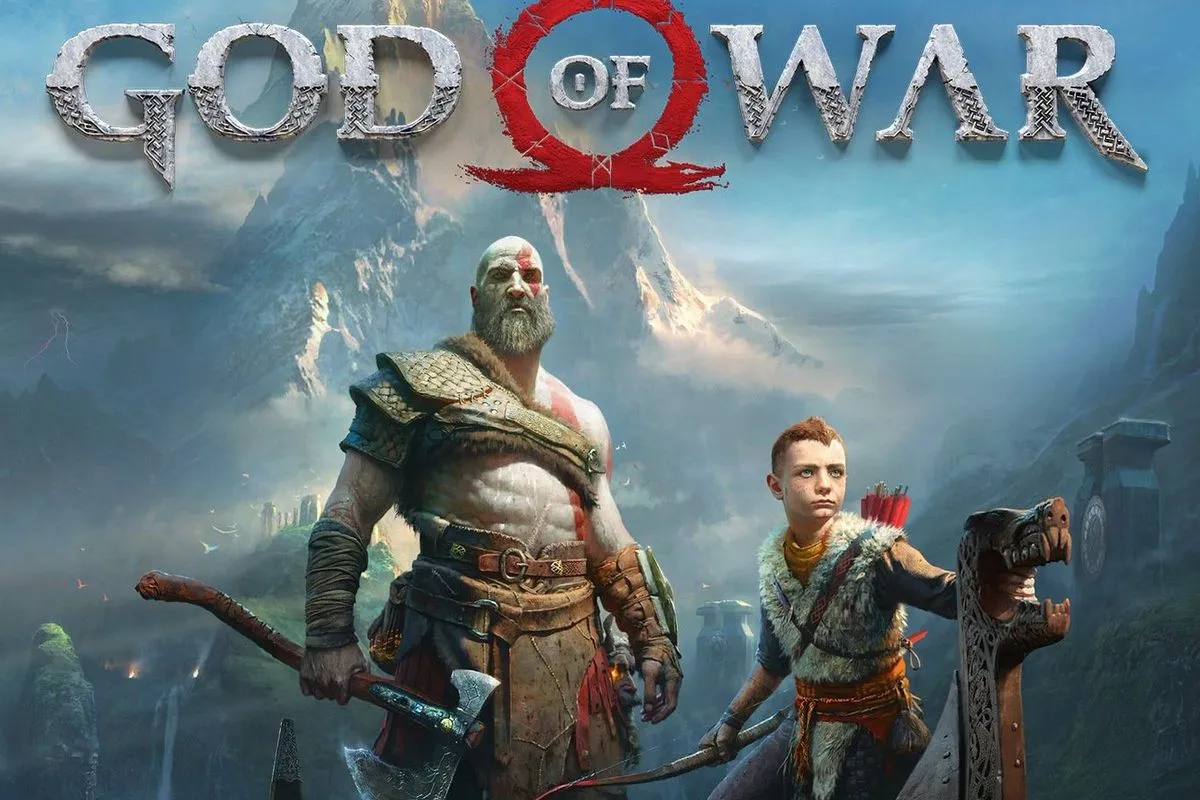
God of War (2018), developed by Santa Monica Studio and published by Sony Interactive Entertainment, is a monumental achievement in gaming. Serving as a soft reboot of the iconic franchise, the game reimagines Kratos, the Ghost of Sparta, as a more mature and complex character, shifting the setting from Greek to Norse mythology. With its gripping narrative, refined gameplay mechanics, stunning visuals, and emotional depth, God of War has earned its place as one of the greatest action-adventure games of all time. This review delves into every aspect of the game, from its gameplay and story to its technical achievements and replayability.
Gameplay: A Perfect Blend of Combat, Exploration, and Progression
Characters
The relationship between Kratos and his son, Atreus. Kratos, voiced by Christopher Judge, is no longer the rage-driven demigod of the past. He is now a father burdened by his past and striving to protect his son. Atreus, voiced by Sunny Suljic, is a curious and spirited boy who serves as both a companion and a key narrative driver. Their dynamic is central to the game, with Atreus assisting in combat, puzzle-solving, and exploration.
Other notable characters include Freya (Danielle Bisutti), a mysterious witch with a tragic past; Baldur (Jeremy Davies), the game’s primary antagonist; and Mimir (Alastair Duncan), a witty and knowledgeable head who provides lore and comic relief. Each character is expertly written and performed, adding depth to the story.
Missions and Features
The game is structured around a series of main quests and optional side missions. The main story follows Kratos and Atreus as they journey to scatter the ashes of Kratos’ late wife, Faye, from the highest peak in the realms. Along the way, they encounter gods, monsters, and mythical creatures from Norse mythology.
The gameplay seamlessly blends combat, exploration, and puzzle-solving. Kratos wields the Leviathan Axe, a versatile weapon that can be thrown and recalled, and later gains access to the Blades of Chaos, his iconic weapons from the previous games. Combat is visceral and strategic, requiring players to master combos, dodges, and parries. Atreus assists with his bow, providing ranged support and stunning enemies.
The game also introduces RPG elements, such as skill trees, armor crafting, and enchantments, allowing players to customize Kratos’ abilities and playstyle. Exploration is rewarded with hidden treasures, lore, and upgrades, encouraging players to fully immerse themselves in the world.
Story Narrative: A Tale of Redemption and Fatherhood
The story of God of War is its crowning achievement. It explores themes of loss, redemption, and the complexities of parenthood. Kratos, haunted by his past sins, struggles to connect with Atreus and shield him from the brutal realities of their world. Atreus, unaware of his divine heritage, grapples with his identity and the weight of his responsibilities.
The narrative is deeply emotional, with moments of tenderness, anger, and sorrow. The relationship between Kratos and Atreus evolves organically, culminating in a powerful and satisfying conclusion. The game also delves into Norse mythology, introducing players to gods like Thor and Odin, while leaving room for future installments.
The single-shot camera technique, which eliminates cuts and transitions, enhances the storytelling by creating a sense of intimacy and immersion. Every moment feels personal, drawing players into the journey of Kratos and Atreus.
Graphics and Sound: A Feast for the Senses
Visuals
God of War is a visual masterpiece. The game’s environments, from the snowy peaks of Midgard to the fiery depths of Muspelheim, are breathtakingly detailed. The use of photogrammetry and advanced lighting techniques brings the world to life, with every texture, shadow, and reflection meticulously crafted.
Character models are equally impressive, with realistic facial animations and expressive performances. Kratos’s weathered appearance and Atreus’ youthful features convey their emotions without the need for words. The game’s art style strikes a perfect balance between realism and fantasy, creating a world that feels both grounded and mythical.
The Making of God of War
God of War is one of the most iconic and critically acclaimed video game franchises in the industry. Its 2018 soft reboot, developed by Santa Monica Studio and published by Sony Interactive Entertainment, redefined the series by introducing a new setting, gameplay mechanics, and emotional depth. Below is a detailed breakdown of the game’s development process, from concept to launch and beyond.
Concept and Pre-Production
- The Idea Behind the Game
The 2018 God of War was conceived as a bold reinvention of the franchise. After the conclusion of Kratos’ Greek saga, the team wanted to explore a new chapter in his life, shifting the setting to Norse mythology. The goal was to mature the character of Kratos, transforming him from a rage-filled anti-hero into a more complex, layered figure grappling with fatherhood and redemption. Creative Director Cory Barlog spearheaded this vision, aiming to create a more intimate and emotional story while retaining the epic scale and brutal combat the series is known for.
- Designing the Game World
The team meticulously researched Norse mythology, drawing inspiration from ancient texts, artifacts, and folklore. The game world was designed to feel alive and interconnected, with the Lake of Nine serving as a central hub that evolves as the story progresses. The team wanted players to feel immersed in a living, breathing world, with environmental storytelling playing a key role in conveying the history and culture of the Norse realms.
- Creating the Characters and Storyline
Kratos’ character was reimagined to reflect his growth and struggles as a father. His relationship with his son, Atreus, became the emotional core of the game. Atreus was designed to be more than just a sidekick; he was integral to both the gameplay and the narrative. The story was crafted to explore themes of loss, legacy, and the cycle of violence, with the Norse gods serving as both allies and adversaries.
Art and Animation
- The Art Style: Inspiration and Evolution
The art style of God of War was a significant departure from the previous games. The team opted for a more grounded, realistic aesthetic, with a muted color palette that reflected the harshness of the Norse world. The camera was also reworked to a single, unbroken shot, creating a cinematic and immersive experience.
- Character and Creature Design
Kratos’ design was updated to reflect his age and experience, with a fuller beard and a more weathered appearance. Atreus was designed to contrast with Kratos, embodying youth and curiosity. The creatures and gods of Norse mythology were brought to life with intricate details, blending realism with fantastical elements. Iconic characters like Baldur and the World Serpent were designed to leave a lasting impression.
- Building the Game’s Environments
The environments were crafted to be both visually stunning and functional. Each realm, from Midgard to Helheim, had a distinct visual identity and atmosphere. The team used photogrammetry to capture real-world textures and landscapes, ensuring a high level of detail. The verticality and scale of the environments were designed to enhance exploration and combat.
Sound Design and Music
- The Soundtrack: Composition and Inspiration
Composer Bear McCreary was brought on to create the game’s soundtrack. Drawing inspiration from Norse folk music, McCreary used traditional instruments like the nyckelharpa and hurdy-gurdy to craft a score that felt authentic and epic. The main theme, “God of War,” became an iconic piece that encapsulated the game’s emotional and mythological depth.
- Sound Effects and Foley: Creating an Immersive Experience
The sound design team focused on creating a visceral and immersive audio experience. Every weapon swing, creature roar, and environmental detail was meticulously crafted. Foley artists recorded real-world sounds, such as the clashing of swords and the crunch of snow, to enhance realism.
- Voice Acting and Casting
Christopher Judge was cast as the new voice of Kratos, bringing gravitas and vulnerability to the character. Sunny Suljic voiced Atreus, delivering a performance that balanced innocence and determination. The casting of supporting characters, such as Danielle Bisutti as Freya and Jeremy Davies as Baldur, added depth to the narrative.
Programming and Engineering
- The Game Engine: Choosing the Right Tool
Santa Monica Studio used a heavily modified version of the PlayStation 4’s proprietary engine. The team focused on leveraging the hardware’s capabilities to deliver stunning visuals, seamless transitions, and smooth gameplay.
- Building the Game’s Mechanics and Systems
The combat system was reworked to emphasize strategy and precision. The Leviathan Axe, a new weapon, became a fan favorite due to its unique mechanics and satisfying feel. The RPG elements, such as skill trees and crafting, were integrated to add depth and replayability.
- Optimization and Performance Enhancement
The team worked tirelessly to optimize the game for the PlayStation 4, ensuring a stable frame rate and minimal loading times. Techniques like dynamic resolution scaling and efficient memory management were employed to maintain performance.
Testing and Quality Assurance
- The Testing Process: Finding and Fixing Bugs
The QA team played a crucial role in identifying and resolving bugs, glitches, and performance issues. Extensive playtesting was conducted to ensure a polished experience.
- Balancing Gameplay and Difficulty
The game’s difficulty was carefully balanced to cater to both newcomers and veterans. Adjustments were made to enemy AI, combat mechanics, and progression systems based on player feedback.
- Polishing the Game for Release
The final stages of development focused on refining animations, improving textures, and ensuring a seamless player experience. The team’s attention to detail paid off, resulting in a game that felt complete and polished.
Launch and Post-Launch
- The Road to Launch: Marketing and Promotion
The marketing campaign highlighted the game’s emotional depth and the reinvention of the franchise. Trailers, behind-the-scenes footage, and interviews with the developers generated significant buzz.
- Launch Day: The Team’s Experience
Launch day was a mix of excitement and nervousness for the team. The overwhelmingly positive reception from critics and players was a testament to their hard work and dedication.
Post-Launch Support and Updates
Santa Monica Studio continued to support the game with patches and updates, addressing minor issues and enhancing the overall experience. The release of New Game+ mode added replayability and new challenges.
Bonus Features
- Deleted Scenes and Cut Content
Several ideas, including additional realms and characters, were cut due to time constraints. Some of these concepts were later explored in God of War: Ragnarok.
- Easter Eggs and Hidden Secrets
The game is filled with Easter eggs, including references to previous God of War games and Norse mythology. Players can uncover hidden lore and secrets by exploring the world.
- The Team’s Favorite Moments and Memories
The developers have shared fond memories of creating the game, from recording sessions with Christopher Judge to the emotional moments in the story. The journey of making God of War was as transformative for the team as it was for Kratos.
Verdict
The Good
- A compelling and emotional story with well-developed characters.
- Refined and satisfying combat mechanics.
- Stunning visuals and immersive sound design.
- A rich and detailed world filled with lore and secrets.
- Excellent voice acting and music.
The Bad
- Some players may find the RPG elements overwhelming.
- The camera can occasionally be problematic in tight spaces.
God of War is a triumph of game design, storytelling, and technical achievement. It sets a new standard for action-adventure games and is a must-play for any fan of the genre.
Genre and Platforms
God of War (2018) is an action-adventure game with RPG elements. It was released on April 20, 2018, for the PlayStation 4 and later ported to PC on January 14, 2022. The game is exclusive to PlayStation consoles and PC, with no plans for release on other platforms.
God of War System Requirements
Minimum
- OS: Windows 10 64-bit
- Processor: Intel i5-2500k (4 core 3.3 GHz) or AMD Ryzen 3 1200 (4 core 3.1 GHz)
- Memory: 8 GB RAM
- Graphics: NVIDIA GTX 960 (4 GB) or AMD R9 290X (4 GB)
- DirectX: Version 11
- Storage: 70 GB available space
Recommended
- OS: Windows 10 64-bit
- Processor: Intel i5-6600k (4 core 3.5 GHz) or AMD Ryzen 5 2400 G (4 core 3.6 GHz)
- Memory: 8 GB RAM
- Graphics: NVIDIA GTX 1060 (6 GB) or AMD RX 570 (4 GB)
- DirectX: Version 11
- Storage: 70 GB available space