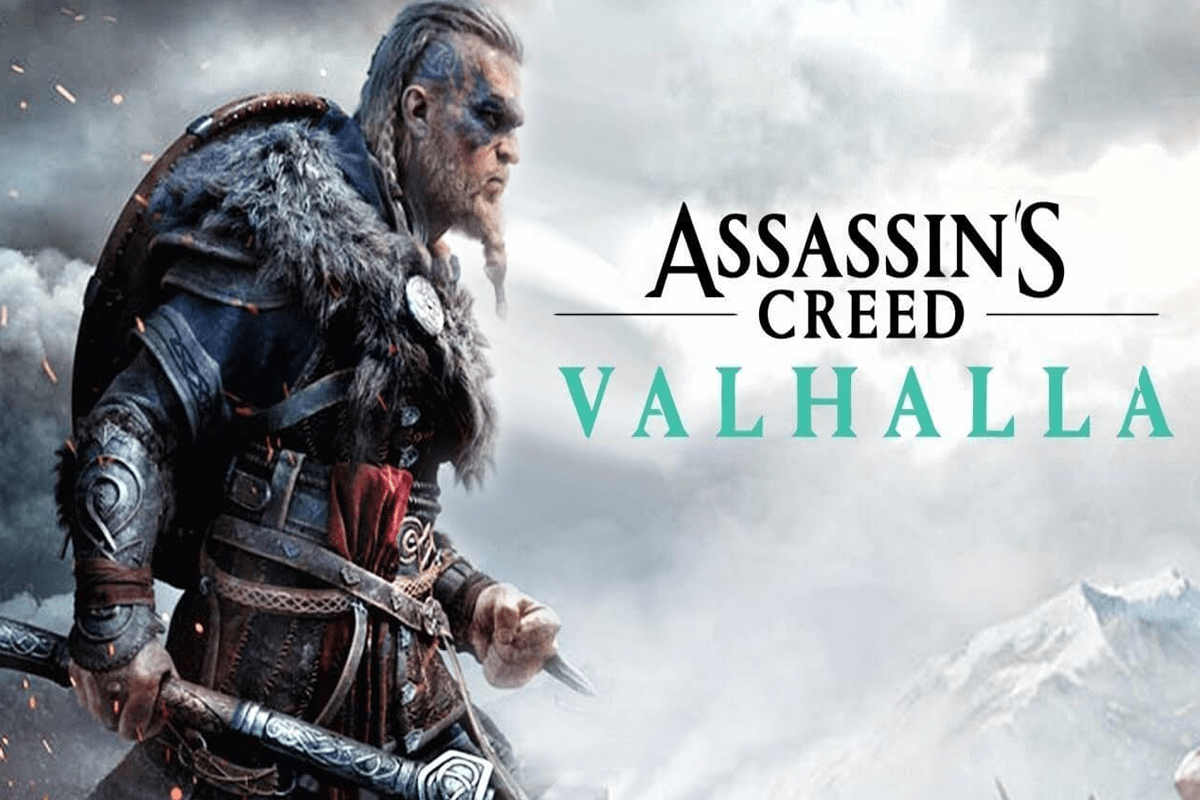
A Viking Saga of Conquest and Discovery
Game Introduction
The latest installment of Ubisoft’s Assassin’s Creed Valhalla is set in the brutal age of Viking kingdoms. This is the 12th assignment of the Oscar-winning Assassin’s Creed series. The game places you in the Vikings Era and follows the journey of Eivor Varinsdottir, or Eivor Varinson, keeping your preferred gender in mind. The game goes live on the 10th of November in the year 2020, and lets you explore the open-world England as a badass Viking Warrior in 873 AD. The game has shattered people’s expectations as they get to experience a blend of fiction and myth. The Assassin’s Creed series is known for marked stealth-action.
Gameplay: A Deep Dive into the Viking World
Expanded RPG features first introduced in Origins and Odyssey are present in Assassin’s Creed Valhalla. Exploration, hunting, fighting, stealth, and settlement construction are blended into a single sophisticated system that keeps gamers occupied for dozens of hours.
Characters and Factions
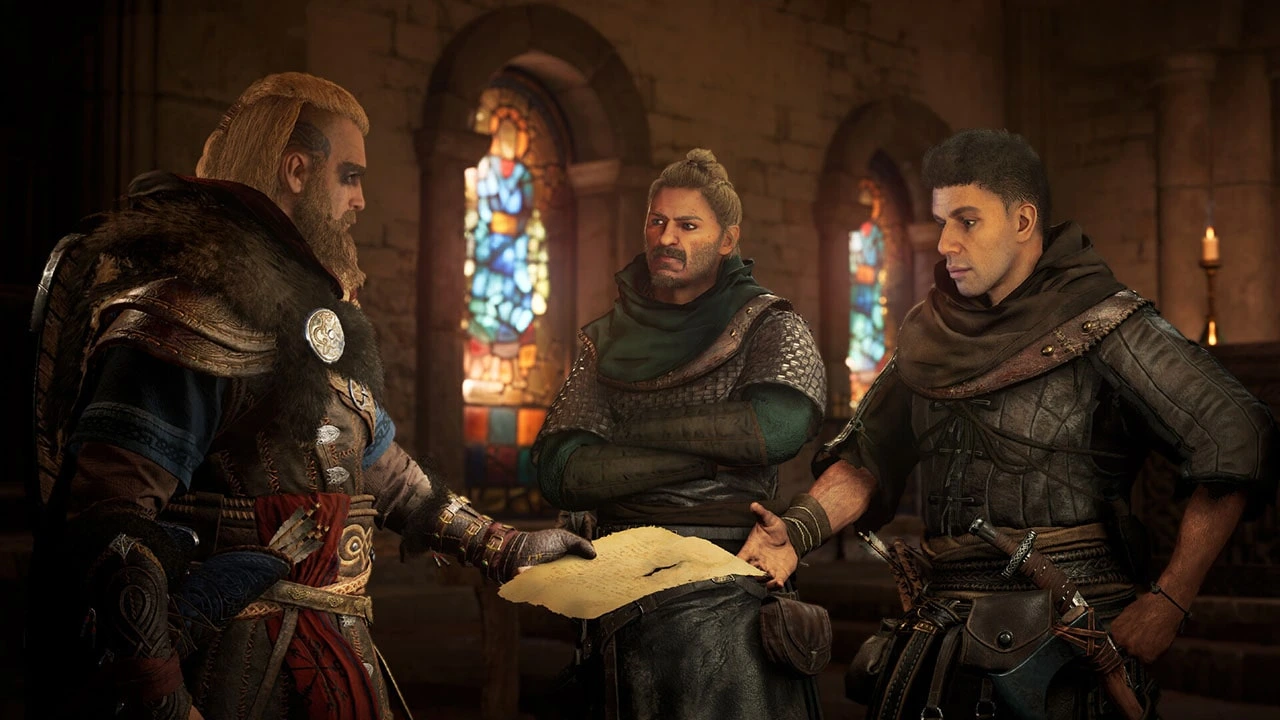
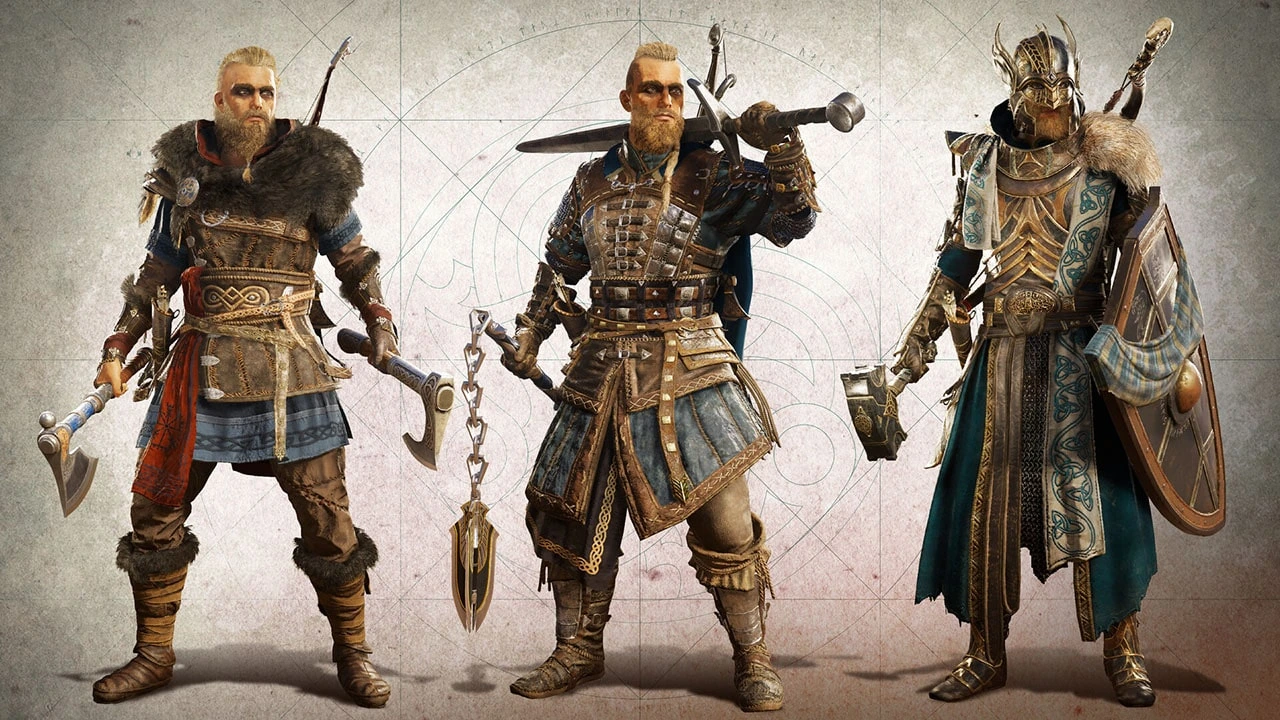
Eivor, the main character, is intricately constructed with an insatiable appetite for fame, pride, and a fresh settlement for their clan. Players are able to modify Eivor’s features, including their appearance, equipment, and even their preferred method of gameplay, and these decisions affect the story. Other characters also serve to enrich the story—Sigurd, Eivor’s adopted sibling and the head of the Raven Clan, and Basim, a shadowy friend who is linked to the Hidden Ones, the pre-assassin brotherhood.
The title expands on the addition of the Anglo-Saxon Kingdoms of England, the Hidden Ones, and the Order of the Ancients, also known as the Proto-Templars, which are the new factions. Each faction is of great importance to the title’s story, and it is up to the players to build and betray alliances to ensure the best outcome for their clan.
Missions and Activities
The overarching plot of the game is segmented into varying narrative arcs, each pertaining to a certain area of England. Players must form alliances with regional lords, partake in epic battles, and solve the mystery of the Order of the Ancients. In addition to the primary story, Valhalla is filled with side activities such as world events, raids, hunting, fishing, and drinking matches.
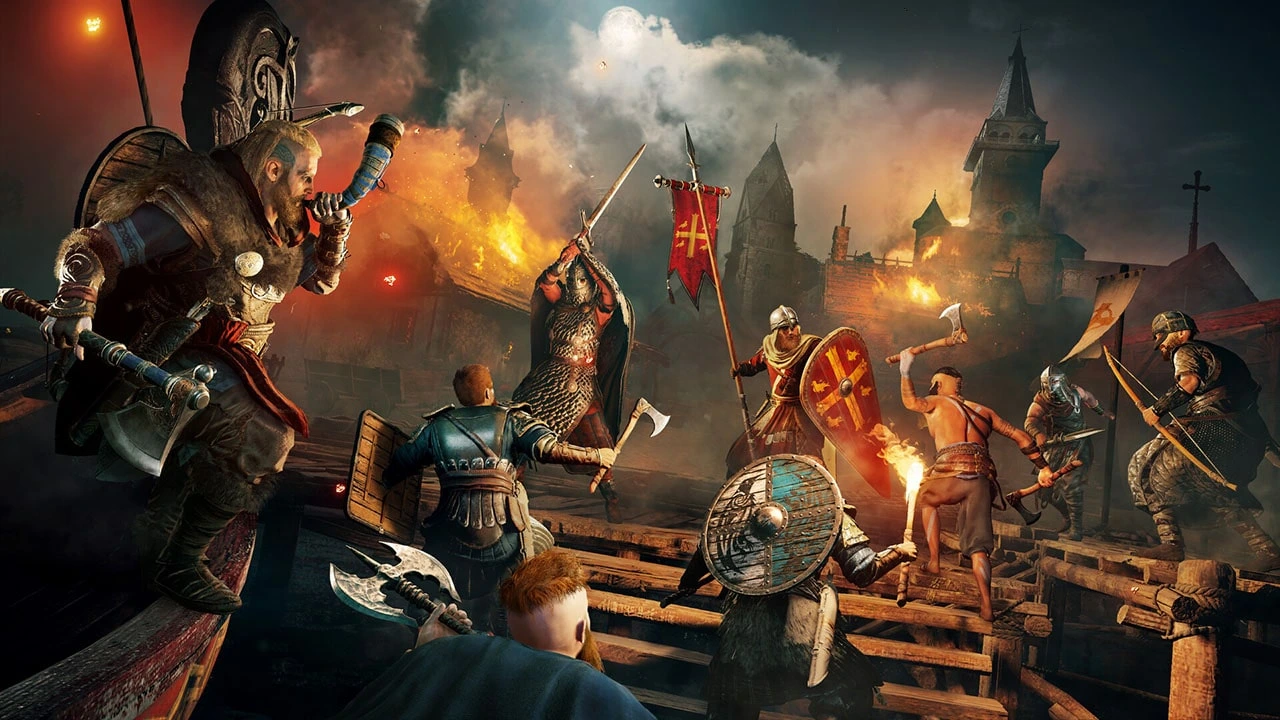
Raids are a remarkable feature wherein players can take control of their crew and viciously attack monasteries and fortresses to acquire resources for their Ravensthorpe settlement. Building settlements is fundamental to the game since players need to upgrade the barracks, blacksmith, and tattoo parlor to gain access to additional features and services.
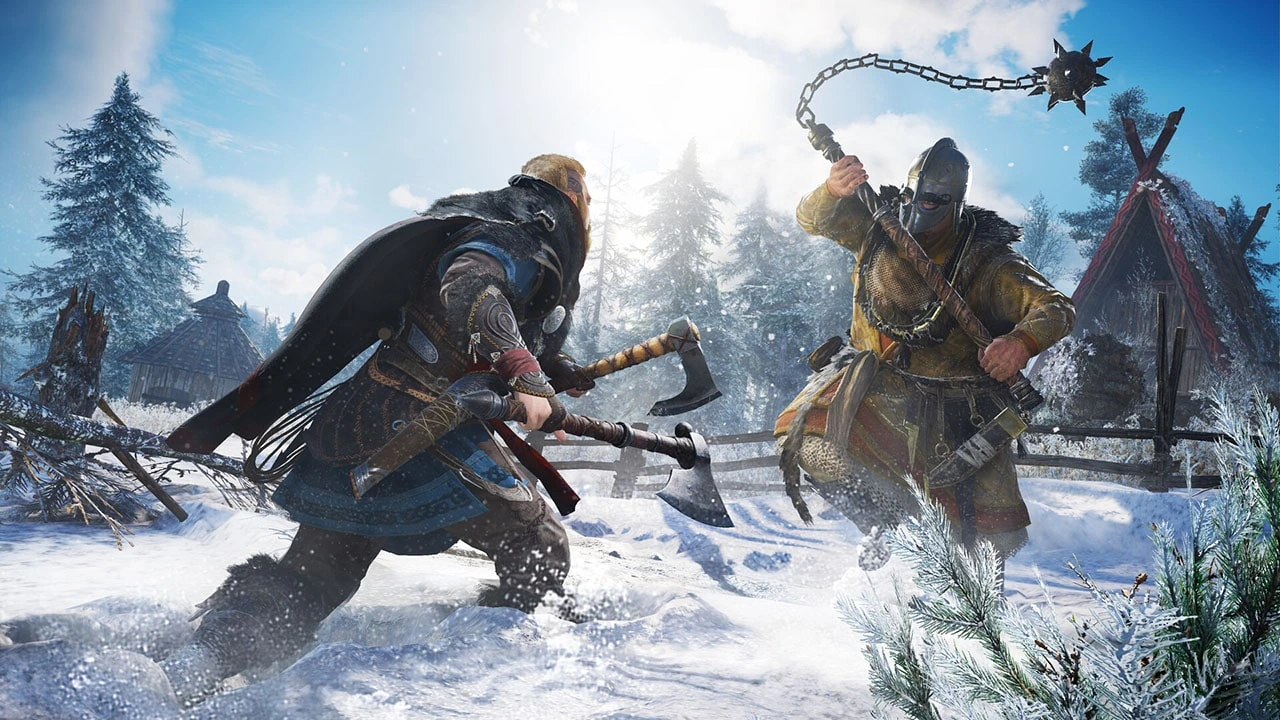
The system of melee touch combat has been streamlined to be more brutal and visceral in nature. Players can now overcome new challenges with powerful abilities such as Rush and Bash or Throwing Axe Fury, where they can dual-wield numerous weapons, including axes, swords, shields, and flails. Improvements have also been made to stealth mechanics; players can once again utilize social stealth to melt into the backdrop of an avatar.
Story Narrative: A Tale of Honor and Betrayal
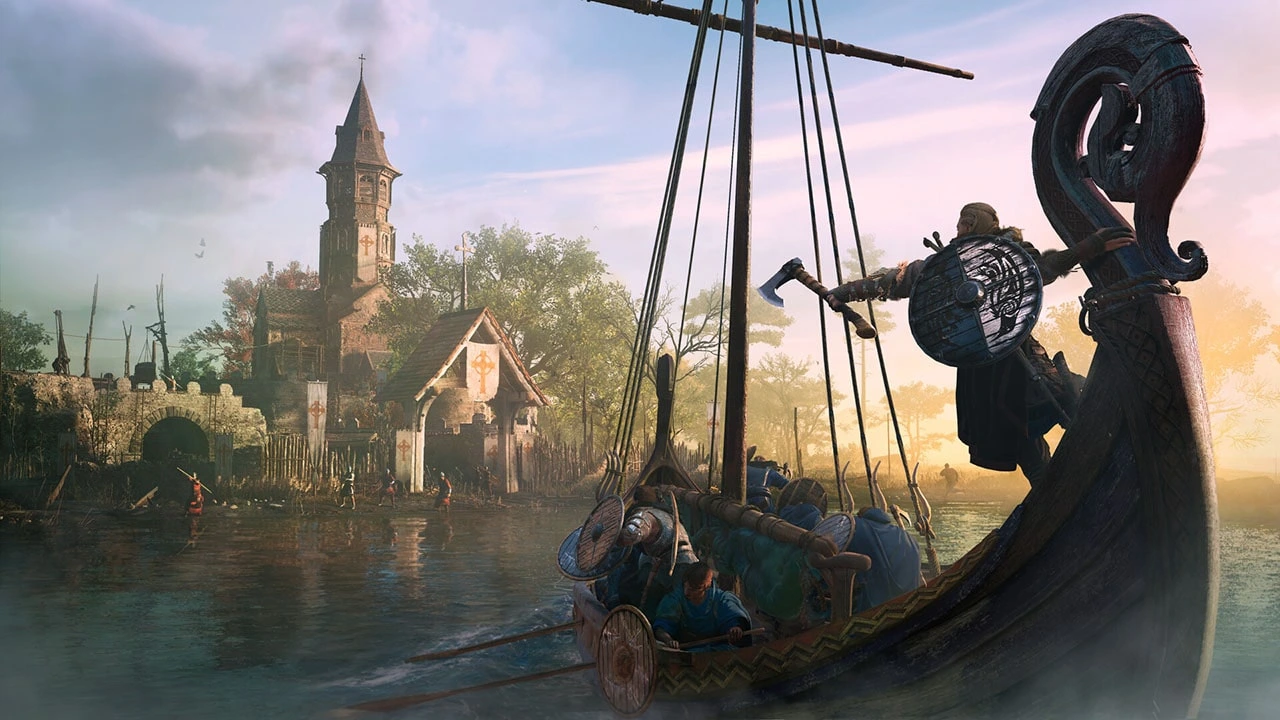
Assassin’s Creed Valhalla’s story revolves around ambition, home, and loyalty, and captures the essence of these themes perfectly. After a frigid conflict with Kjotve the Cruel, Eivor and their clan traitorically flee to “England.” Eivor and their clan set out for England after a cruel battle with Kjotve the Cruel. It turns out that they are deep within the political conflict of the Anglo-Saxon kingdoms.
While Eivor attempts to build alliances throughout England in order to settle and build up the town of Ravensthorpe, they uncover plots from the Order of the Ancients, which is an organization operating a power conspiracy in the factions of shadow puppetry. The narrative centers around the issues of identity and self, fate, the conflict between paganism and Christianity, with Eivor’s odyssey entwined with the immense struggle between the Hidden Ones and the Order.
The game also incorporates elements of Norse mythology, with Eivor performing vivid recollections of Odin and other gods, which include dream-like sequences. These segments show how the Vikings view the world, in addition to adding a mystic element to the plot.
Assassin’s Creed Valhalla Graphics and Animation: A Feast for the Senses
Valhalla has cemented itself as an unquestionable marvel of gaming artistry with its jaw-dropping graphics, which make full use of the capabilities of new consoles and top-tier PCs. The entirety of the game world is a sight to behold, featuring a detailed representation of forests, mountains, and hills. All of these elements serve to enhance England and Norway’s immersion during the 9th century. This is further enhanced by the splendid detail put into lighting, weather systems, and environmental textures.
The character models are intricate with animating faces and expressive acting. The game is artistically designed with a mix of accurate historical references and fictional aspects, especially in the mythological chapters, which contain dreamscapes and alien-looking scenery.
The Creation of Assassin’s Creed Valhalla
Ubisoft single-handedly set out to create Assassin’s Creed Valhalla, which was seemingly the easiest part of the whole process, as the difficult part of compiling hundreds of developers into teams of various studios was already sorted. This highlights Ubisoft’s ingenuity— from the initial brainstorming sessions, the in-game support that took place after the launch, and the technical skills during the development phases— of how Ubisoft’s Viking saga was created.
Concept and Pre-Production
The Idea Behind the Game
The vision for the Assassin’s Creed Valhalla came from the Viking Age. This period is extremely rampant in exciting history, mythology, and cultural warfare. Ubisoft Montreal, with its development team, wanted to create a game around the spirit of Viking exploration, conquest, and settlement, which also stays true to the essence of the franchise, which revolves around history and stealth with grand hidden conflicts.
Designing the Game World
The game’s world is built around the duality of the Viking experience. Norway has a frozen, harsh landscape, while England is quite the opposite: lush and fertile. The entire 9th century Europe had a lot of focus on the research the team did. They consulted with both historians and archaeologists. This was to make sure there was accuracy in history, but also leave room for imagination. The open world was tailor-made for exploration and immersion with its hidden mysteries, secrets, dynamic real-time weather, as well as a day-night cycle.
Creating the Characters and Storyline
Eivor, the protagonist, represents someone who can be understood, with a “larger than life” touch, embodying the Viking principles of honor, loyalty, ambition, and more. The developers made the decision to give players the ability to select Eivor’s gender, the first choice in the series, in an attempt to deepen engagement. The history was tailored so that actual events complemented the story of the Assassin’s Creed series, incorporating clashes between the Ancients and Hidden Ones, Norse mythology, and history.
Art and Animation
The Art Style: Inspiration and Evolution
The inspiration for Valhalla’s artwork comes from Norse art, Scandinavia, and England’s medieval manuscripts, and their natural remarkable typographies. The team strived to strike a balance between realistic and imaginative visuals while creating an engrossing world with Norway’s subdued colors and England’s striking colors. The mythological sequences, for example, Asgard and Jotunheim segments, were created to be starkly different from the rest of the game and are set in the predominantly surreal scenery and fantastical architecture.
Character and Creature Design
Historical research served as the basis for the character designs that Viking armor, weapons, and clothing dated intricately to the period’s mastery. Odin, Thor, and Loki were also created, drawing from Norse mythology and integrated alongside the rest of the history, mixed with a healthy dose of imagination. Design work for things like the mythical wolves and formidable draugr was sculpted to be equally fearsome and majestic.
Building the Game’s Environments
Developing the environments required both photogrammetry and handcrafted elements. The team went on-site to Norway and England to capture reference imagery and textures for the game’s locations in the England region. Even settlements such as Ravensthorpe were made to be populated with NPCs that performed daily routines and responded to player actions.
Sound Design and Music
The Soundtrack: Composition and Inspiration
It was posted by VGC that Selvik brought experience in traditional Nordic music, while Kyd drew upon his expertise in series composing the soundtrack. Incorporating tagelhampa and bone flute, the score blends orchestral Viking arrangements with the authentic touch of epic and intimate Scandinavian sounds.
Sound Effects and Foley: Creating an Immersive Experience
The sound effects team focused on crafting rich auditory experiences, whether it be the bang of swords or the creaking of longboats. Foley capturing reality, like footsteps on snow, snow being stepped on, and leaves being moved, was recorded to make the game more realistic.
Voice Acting and Casting
The talents selected for Eivor were Magnus Bruun and Cecilie Stenspil due to their ability to express both power and fragility. The team went to extreme lengths during the casting process as they needed to capture the character’s portrayal and nuance with great precision. The supporting roles, like Sigurd and Basim, were equally important in the composition of the story to give it structure and flow.
Programming and Engineering
The Game Engine: Choosing the Right Tool
Valhalla was created with the Ubisoft Anvil Engine, which was enhanced for the new console generation’s requirements, such as ray tracing, quicker load times, and other advancements. Its powerful sophistication made it possible for the world designer to create a massive open world with smooth movement between different areas.
Building the Game’s Mechanics and Systems
There was a balance between convenience and complexity when it came to mechanics design, with accessibility centered around player freedom. Combat in the game was made more hands-on and impactful, while social stealth elements were added to the already existing stealth mechanics. Many gamers appreciate that settlement-building was incorporated into the primary system so that decisions made by players with regard to Ravensthorpe can be actively witnessed.
Optimization and Performance Enhancement
Their optimization efforts spanned from older generation consoles right up to high-end PCs, and included work on game performance as well as loading times. They also made sure that during massive battles and raids, there was smooth performance throughout.
Testing and Quality Assurance
The Testing Process: Finding and Fixing Bugs
The QA team has been busy trying to fix issues, from visual problems to gameplay bugs. All identifying and doing playtests before providing suggestions on a game’s intricacies, such as its storyline and gameplay, which were crucial at the final stage for polishing the game.
Balancing Gameplay and Difficulty
The optimization of the challenge presented by the game was one of the critical aspects that the designers focused on. The balance between the experience being engaging, yet achievable, was particularly monitored. Players’ responses were taken into consideration when making changes to the enemy AI systems, combat mechanics, and how players progressed in the game.
Polishing the Game for Release
In the final touches, the game’s polish in visuals, audio, and overall gameplay was done. The team worked on providing a rounded and cohesive experience by polishing the small details like UI design, improving the animations, and improving the game’s lighting effects.
Launch and Post-Launch
The Road to Launch: Marketing and Promotion
Valhalla received marketing with cinematic trailers, gameplay reveals, influencer and historian collaborations, and more. The team also added a few developer diaries so fans could see what went on behind the game’s making in the creation process.
Launch Day: The Team’s Experience
The team felt both excited and nervous on launch day, awaiting player feedback. This was another successful launch for us as the game earned accolades for its narrative, world-building, and game mechanics.
Post-Launch Support and Updates
Support after the launch included maintenance updates with content updates such as The Siege of Paris and Wrath of the Druids expansions. The team also organized seasonal events alongside community challenges to improve engagement further.
Bonus Features
Deleted Scenes and Cut Content
Like, certain content, including new areas and regions of the story, was omitted due to development time limits. These removed concepts and scenes may be added in supplementary updates or later versions.
Easter Eggs and Hidden Secrets
Like its predecessors, the game contains numerous Easter eggs as well as other hidden secrets such as references to previous Assassin’s Creed titles, anchors to Norse mythology, and much more. These elements add depth and replayability for devoted players who enjoy completions.
The Team’s Favorite Moments and Memories
The development team broadly recalls the joyful moments while creating Valhalla – from recording real Viking chants to constructing colossal battles in the game. These anecdotes showcase the love and effort that were put into developing the game.
Verdict
As an addition to the series, Assassin’s Creed Valhalla is captivating – featuring a rich plot, layered gameplay, and an exquisite world to navigate through, all enhancing the player’s experience. Despite this, it does have some shortcomings.
The Good
- Intriguing narrative alongside dynamic characters and underlying messages.
- A large open world chock-full of activities and hidden secrets.
- Polished hand-to-hand combat as well as stealth-based actions.
- Pretty visuals and captivating audio presentation.
- Exploration of replay value and additional content after the game’s initial launch.
The Bad
- A few technology-related problems, including glitches and issues with performance, are also present.
- In the middle of the story, pacing can feel erratic, often leading to a loss of interest.
- Building settlements is less refined than other aspects of the game, which leads to a feeling of incompleteness.
Genre and Platforms
Assassin’s Creed Valhalla is an open-world action RPG that features stealth and combat elements. It was made playable on November 10, 2020, on PlayStation 4, PlayStation 5, Xbox One, Xbox Series X/S, PC, and Google Stadia. Next-gen versions of the game benefit from the improved hardware by offering shorter load times, higher resolutions, and smoother performance.
Assassin’s Creed Valhalla System Requirements
Minimum
- OS: Windows 10 (versions 64 bits uniquement)
- Processor: AMD Ryzen 3 1200 3.1 GHz / Intel Core i5-4460 3.2 GHz
- Memory: 8 GB RAM
- Graphics: AMD R9 380 /NVIDIA GeForce GTX 960
- DirectX: Version 12
- Storage: 160 GB available space
Recommended
- OS: Windows 10 (versions 64 bits uniquement)
- Processor: AMD Ryzen 5 1600 3.2 GHz / Intel Core i7-4790 3.6 GHz
- Memory: 8 GB RAM
- Graphics: AMD R9 380 /NVIDIA GeForce GTX 960
- DirectX: Version 12
- Storage: 160 GB available space