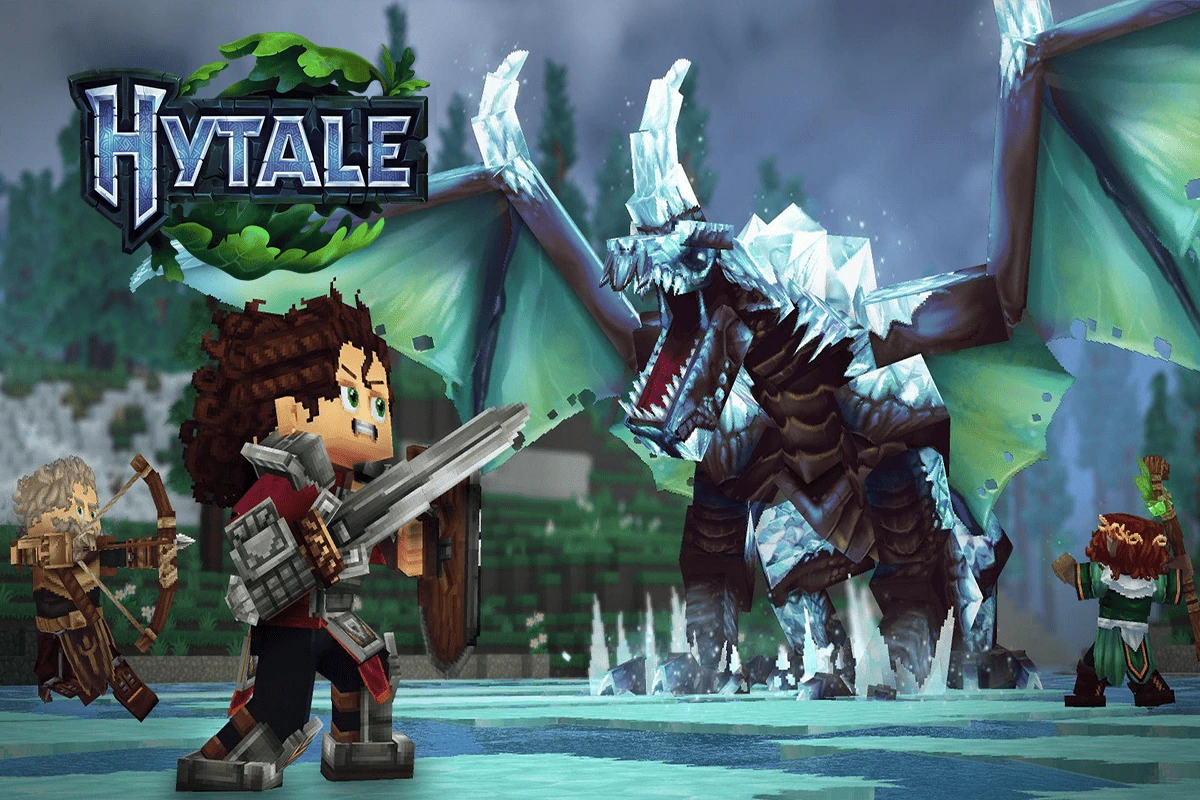
A Bold Evolution of Sandbox RPG Gaming
Introduction
Hytale is one of the most ambitious sandbox RPGs in modern gaming, combining the limitless creativity of block-building worlds with the structured depth of role-playing mechanics. Developed over nearly a decade, the game has built immense anticipation within the gaming community, often being described as a next-generation evolution of sandbox experiences. With its Early Access launch in 2026, Hytale finally gives players the opportunity to explore its vast, procedurally generated universe.
Set in the vibrant fantasy world of Orbis, the game blends exploration, combat, crafting, and storytelling into a unified experience. Unlike traditional sandbox games that rely heavily on player-created narratives, Hytale introduces a structured storyline layered on top of its open-ended design. This balance between freedom and direction is what sets the game apart, offering both casual creativity and deep progression systems.
Gameplay – Deep Systems, Expansive Features, and Endless Possibilities
The gameplay of Hytale is exceptionally rich, offering a multi-layered experience that combines sandbox construction, RPG progression, and dynamic exploration. At its core, the game revolves around a procedurally generated world composed of diverse biomes, each filled with unique creatures, resources, and environmental challenges.
Players begin their journey in Adventure Mode, which serves as the primary gameplay experience. In this mode, survival is a key element. Players must gather resources, craft tools, build shelter, and adapt to the environment. However, unlike traditional survival games, Hytale integrates a strong narrative and mission structure that guides players through different regions of the world.
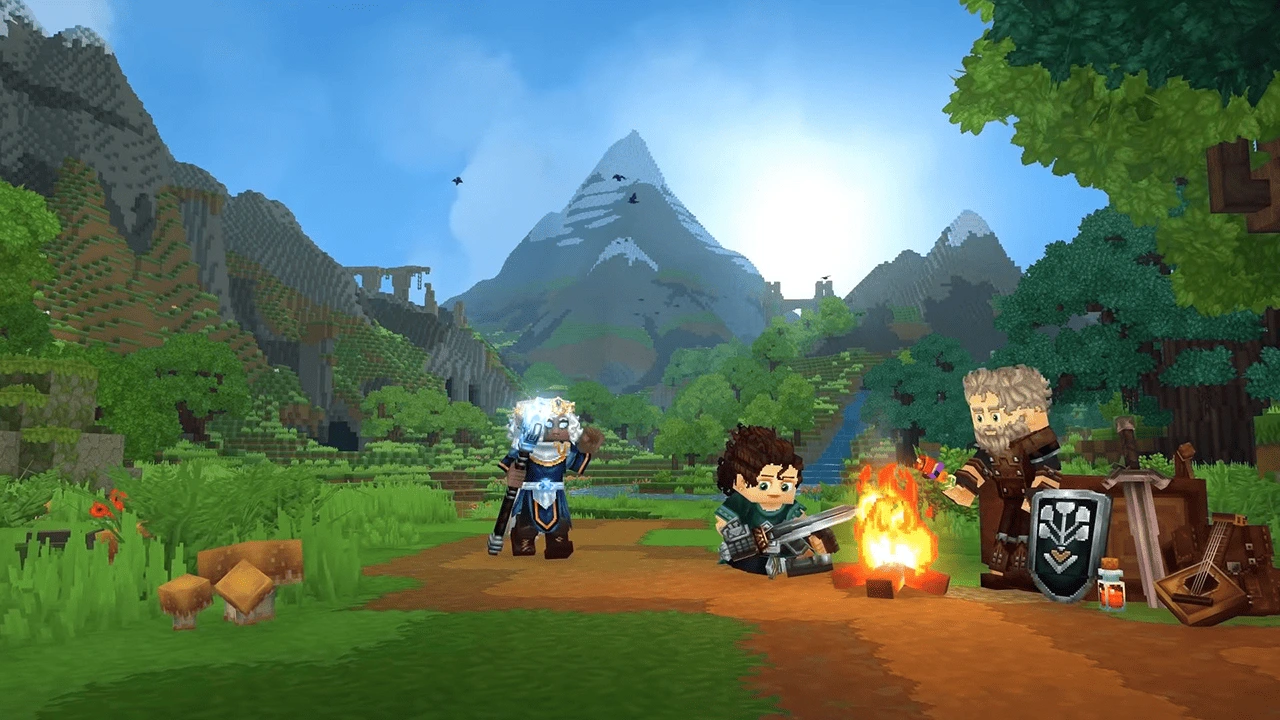
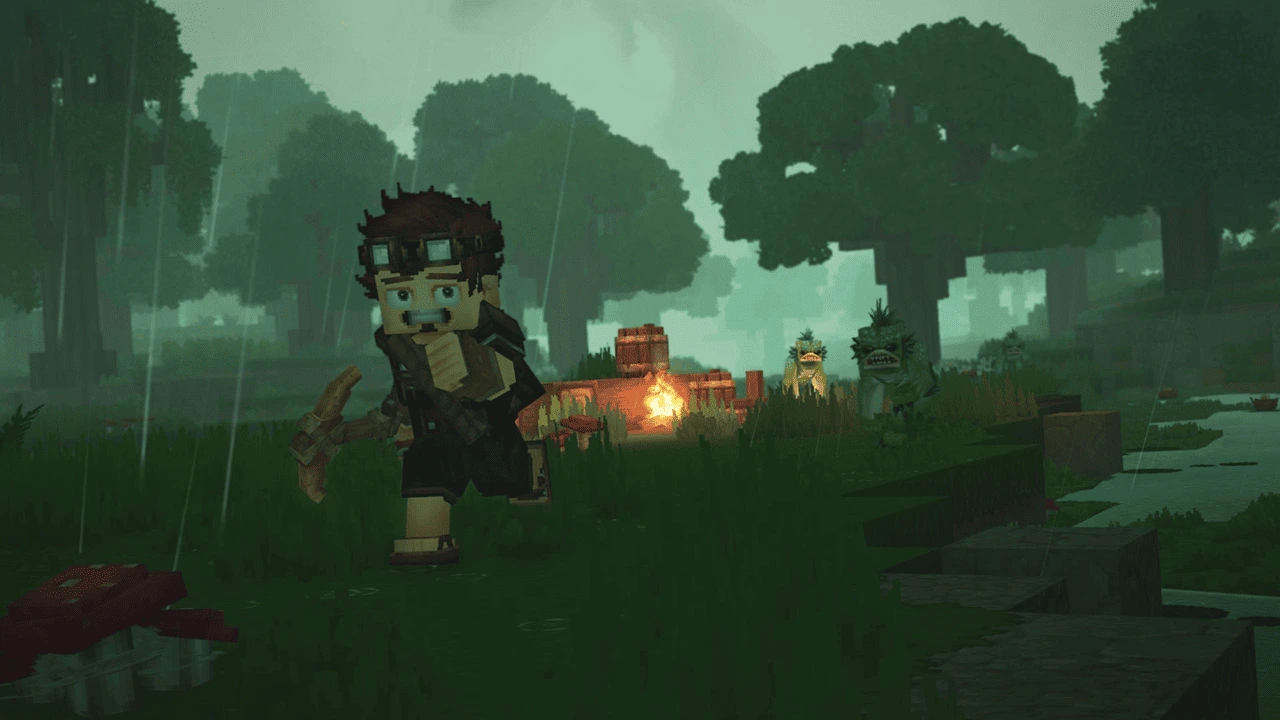
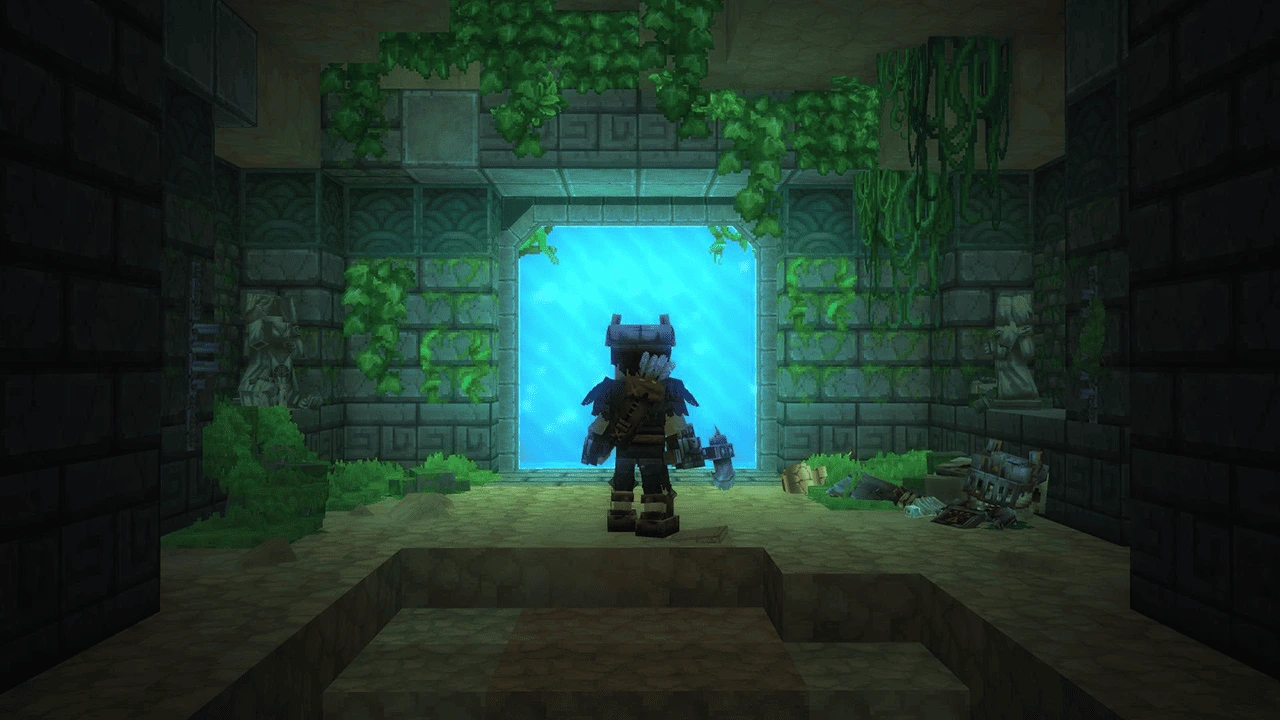
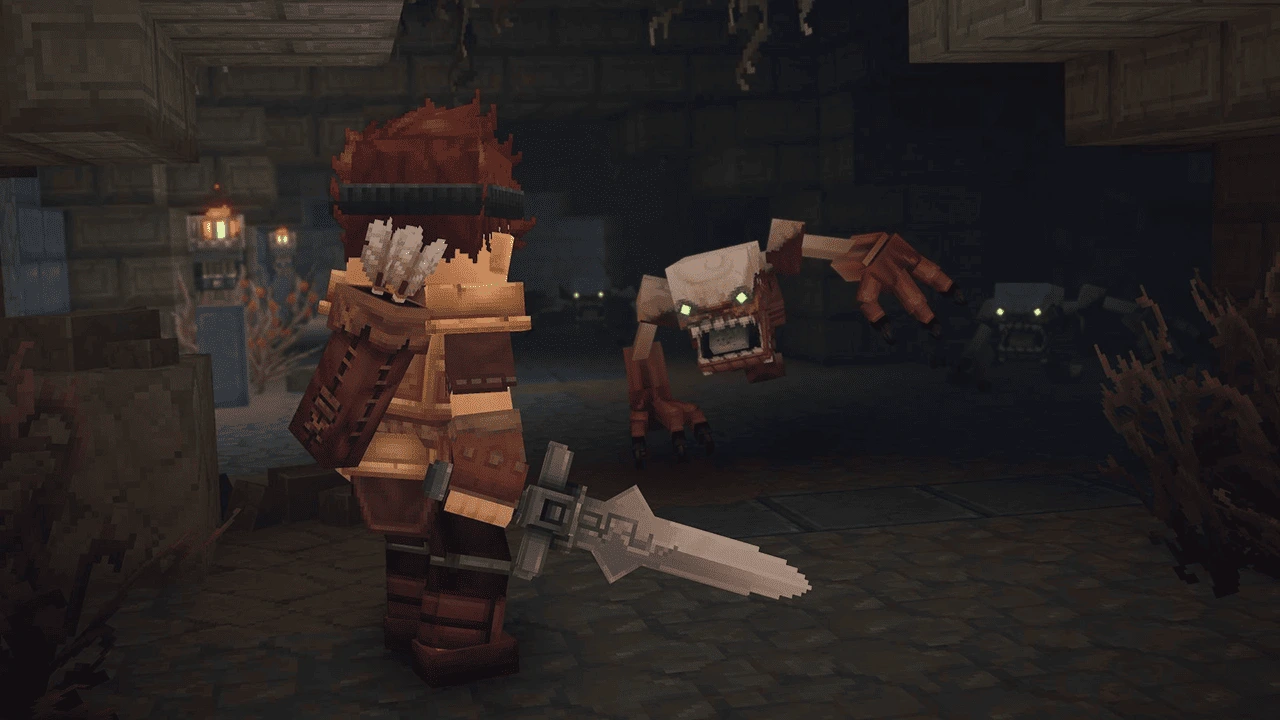
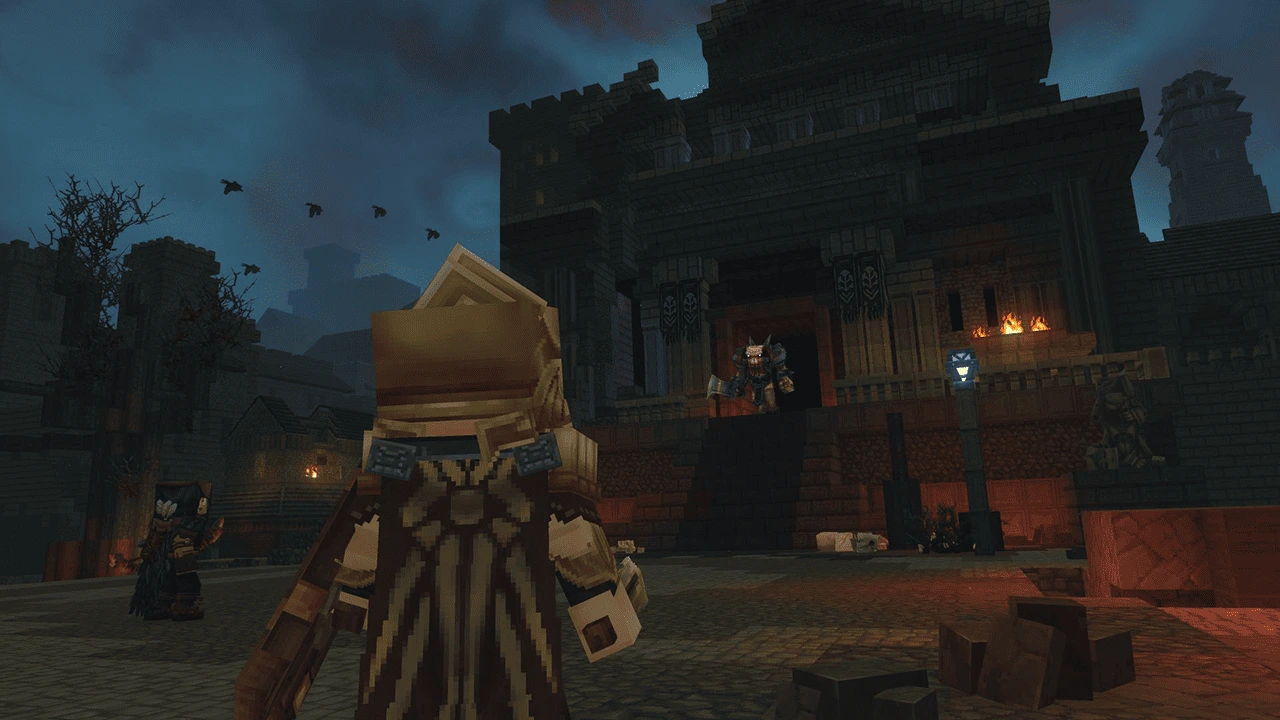
The world of Orbis is divided into distinct zones, each with its own ecosystem, enemies, and lore. These zones are not just visually different but mechanically unique. For example, forest regions emphasize exploration and resource gathering, while desert or volcanic zones introduce harsher survival conditions and more dangerous enemies. This environmental diversity ensures that gameplay remains fresh and engaging throughout.
Character progression is another major aspect of the gameplay. Players can customize their characters extensively, choosing from a wide range of cosmetic options and gear. As they progress, they unlock new weapons, abilities, and equipment, allowing for different playstyles. Combat is designed with RPG elements, featuring melee weapons, ranged attacks, and magical abilities. Enemy AI is notably advanced, requiring players to adapt their strategies rather than relying on repetitive tactics.
One of the most defining features of Hytale is its dungeon and boss system. Throughout the world, players encounter dungeons filled with puzzles, traps, and powerful enemies. These dungeons often culminate in boss battles that require skill, preparation, and strategic thinking. Bosses are not just larger enemies—they feature unique mechanics, attack patterns, and environmental interactions, making each encounter memorable.
NPC interactions also play a significant role in gameplay. Players meet various characters across different zones, each offering quests, information, or trading opportunities. These NPCs help drive the narrative forward while also providing optional side missions that expand the game’s world-building.
Another standout feature is the building and crafting system. Players can construct structures block by block, similar to traditional sandbox games, but with significantly enhanced tools. The game includes advanced building mechanics, allowing for detailed customization and large-scale creations. Crafting is equally deep, with a wide range of materials and recipes that evolve as players progress.
Perhaps the most revolutionary aspect of Hytale is its modding and creation tools. The game is designed to be a platform for user-generated content, featuring built-in tools for creating mods, custom assets, and even entirely new game modes. Players can use scripting systems and model editors to design their own experiences, effectively turning Hytale into a game engine as much as a game itself.
Multiplayer is another core component, offering both cooperative and competitive experiences. Players can join servers, participate in minigames such as survival challenges and PvP battles, or create their own custom servers with unique rules and gameplay styles.
Overall, the gameplay of Hytale is not just about survival or building—it is about creativity, exploration, and progression, all seamlessly integrated into a cohesive system that encourages experimentation and long-term engagement.
Story Narrative
The narrative of Hytale takes place in the world of Orbis, a land filled with ancient mysteries, diverse civilizations, and powerful forces. Players embark on a journey to uncover the secrets behind the world’s instability and the threats that endanger its balance.
Unlike purely sandbox-driven games, Hytale incorporates a structured storyline that unfolds through exploration and interaction. Players encounter factions, discover hidden ruins, and piece together the history of Orbis through environmental storytelling and quests.
The story is designed to be both guided and flexible. While there is a central narrative, players are free to explore at their own pace, choosing how deeply they engage with the story. This approach allows for a personalized experience, where each player’s journey feels unique.
Graphics and Sound Effects Improvements
Visually, Hytale strikes a perfect balance between stylized design and modern graphical fidelity. The game’s voxel-based art style is enhanced with detailed textures, dynamic lighting, and fluid animations, creating a world that feels both nostalgic and contemporary.
Recent improvements have focused on optimizing performance and enhancing visual clarity. Environmental effects, such as weather and lighting transitions, have been refined to create a more immersive atmosphere.
The sound design complements the visuals beautifully. The soundtrack adapts to different environments, enhancing the sense of exploration and adventure. Ambient sounds, such as wildlife and environmental effects, add depth to the world, while combat and interaction sounds provide satisfying feedback.
Verdict
The Good
- Deep and expansive gameplay with sandbox and RPG integration
- Powerful modding tools and community-driven content
- Diverse biomes, creatures, and dynamic world design
- Engaging combat system with meaningful progression
- High replayability with endless customization options
The Bad
- Early Access limitations and incomplete features
- Occasional performance issues and bugs
- Steep learning curve for new players
Release Date and Platforms
Hytale officially launched in Early Access on January 13, 2026, marking the culmination of years of development and anticipation. The game is currently available on PC platforms, including Windows, macOS, and Linux, with future expansions to additional platforms expected as development continues.
Genre
The game belongs to the sandbox role-playing genre, combining elements of action-adventure, survival, and open-world exploration. While it shares similarities with other sandbox titles, its integration of RPG mechanics and narrative-driven gameplay distinguishes it as a hybrid experience that pushes the boundaries of traditional genre definitions.
Developer and Publisher
Hytale is developed and published by Hypixel Studios, a team known for creating one of the most popular Minecraft server networks. The studio has leveraged its experience in community-driven content to build a game that emphasizes player creativity and interaction. Despite facing development challenges, including a temporary cancellation in 2025, the team successfully revived the project and delivered it to players in Early Access.
Hytale System Requirements
Minimum
- CPU: Intel Core i3-3210 3.2 GHz / AMD A8-7600 APU 3.1 GHz or equivalent
- CPU SPEED: Info
- RAM: 2 GB
- VIDEO CARD: Intel HD Graphics 4000 / Nvidia GeForce 400 Series / AMD Radeon HD 7000
- PIXEL SHADER: 5.0
- VERTEX SHADER: 5.0
- OS: Windows 7 and up
Recommended
- CPU: Intel Core i5-4690 3.5GHz / AMD A10-7800 APU 3.5 GHz or equivalent
- CPU SPEED: Info
- RAM: 4 GB
- VIDEO CARD: GeForce GT 710 Series / AMD Radeon RX 200 Series
- DEDICATED VIDEO RAM: 256 MB
- PIXEL SHADER: 5.0
- VERTEX SHADER: 5.0
- OS: Windows 10