A Stylish Soulslike That Evolves the Series with Time-Bending Action
Introduction
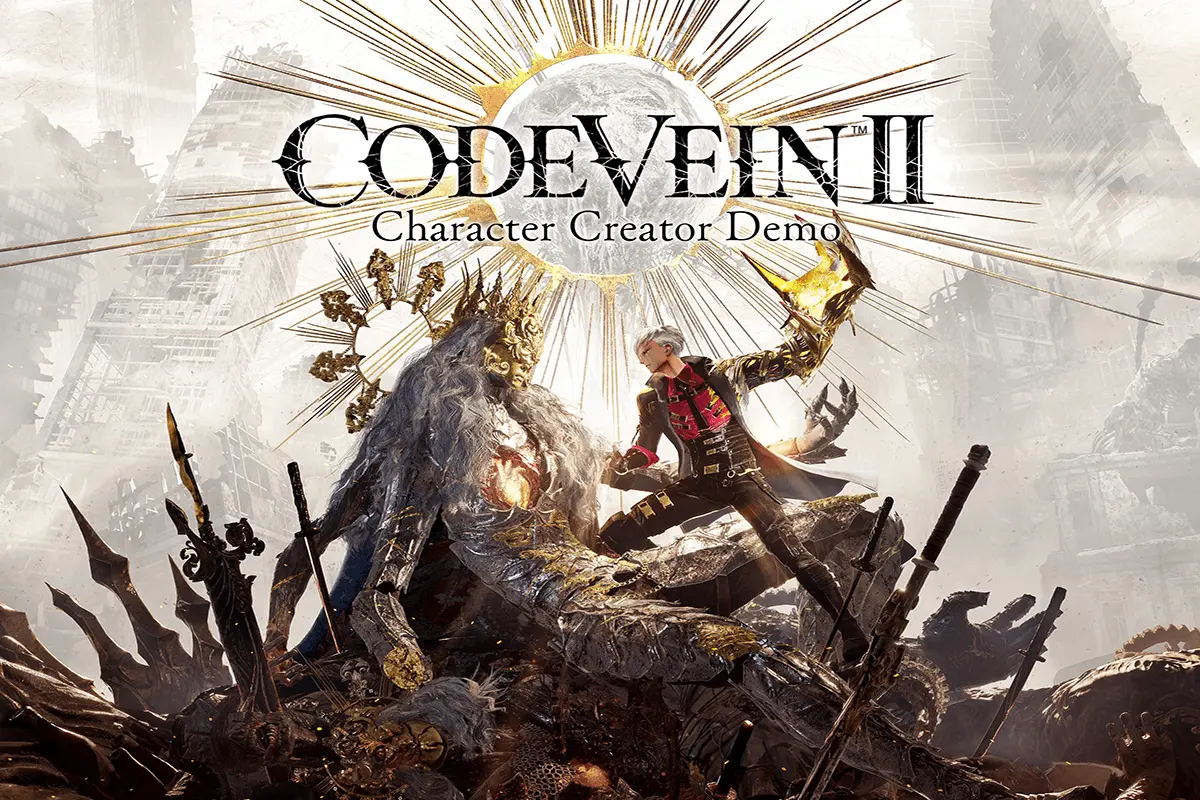
When the original Code Vein launched in 2019, it quickly earned a loyal following thanks to its anime-inspired visuals, deep character customization, challenging combat, and unique companion system. While it drew comparisons to FromSoftware’s Soulsborne games, it carved out its own identity through its vampire-themed world and fast-paced action. Seven years later, Code Vein II arrives with far greater ambition. Rather than serving as a direct continuation of the first game’s story, the sequel introduces an entirely new world, fresh characters, and an original narrative centered around time travel, fate, and the survival of both humanity and the Revenants.
Developed by Bandai Namco Studios, Code Vein II expands nearly every aspect of its predecessor. Larger environments, refined combat mechanics, an enhanced Partner System, new weapon classes, expanded Blood Code customization, and an emotional storyline all contribute to a significantly bigger adventure. The game successfully balances accessibility for newcomers with enough mechanical depth to satisfy veterans of the original. Although some technical issues and uneven difficulty prevent absolute perfection, Code Vein II stands among the strongest anime action RPGs of 2026.
Code Vein II Gameplay
Code Vein II builds upon the original’s Soulslike foundation while introducing several major innovations that make combat faster, more flexible, and considerably more rewarding. Players once again create their own customizable protagonist, but this time they take on the role of a Revenant Hunter, an individual tasked with preventing the complete collapse of civilization after a mysterious phenomenon known as Luna Rapacis transforms Revenants into terrifying monsters called Horrors. The journey becomes possible through Lou, a mysterious girl capable of manipulating time and sending the protagonist one hundred years into the past to rewrite history.
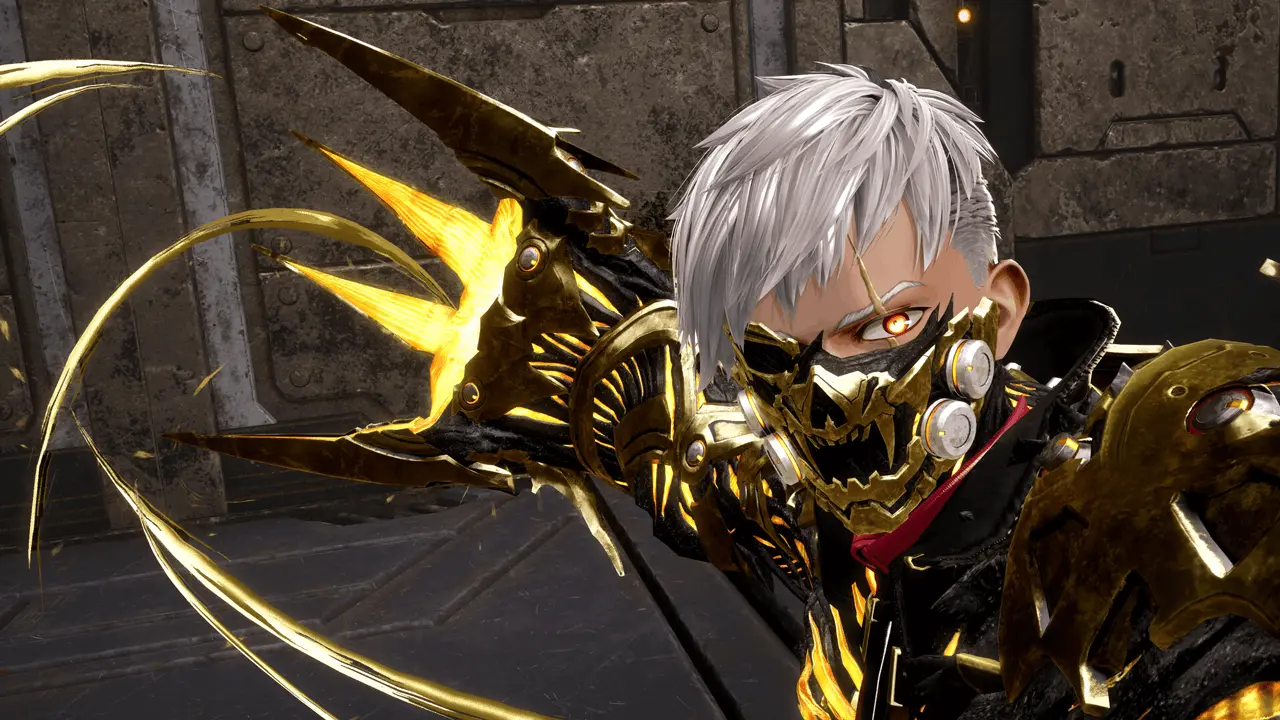
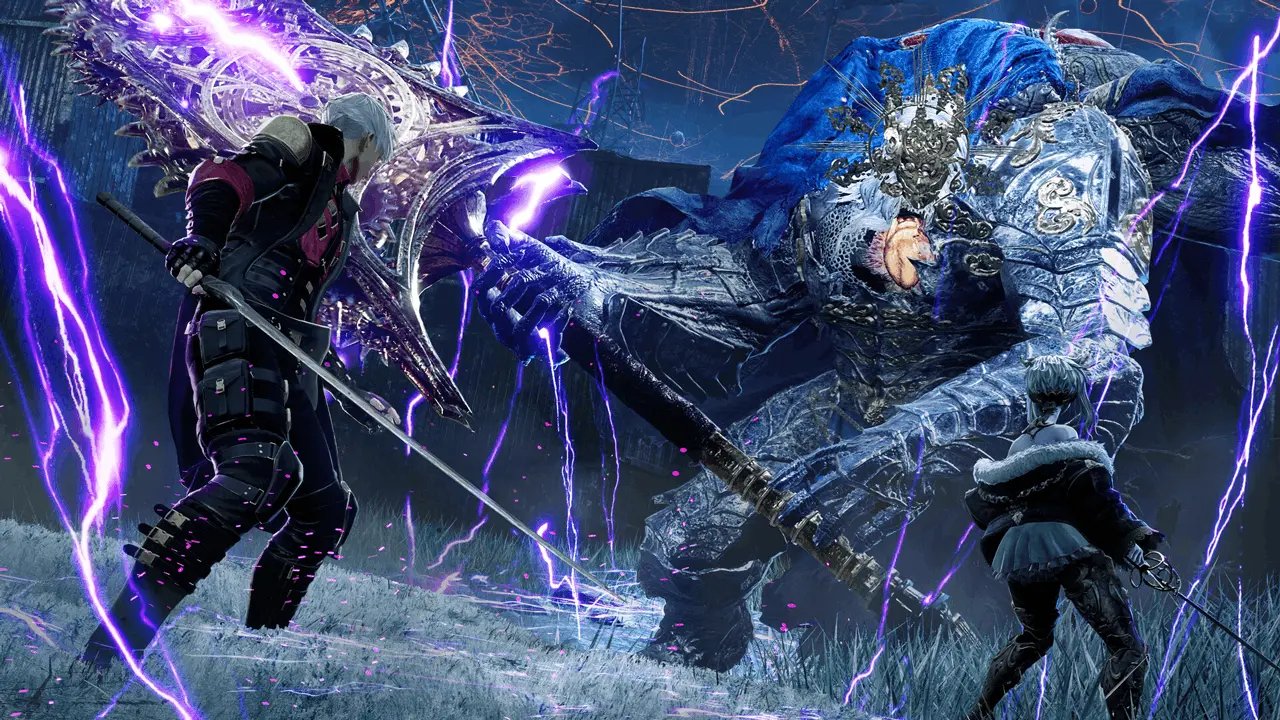
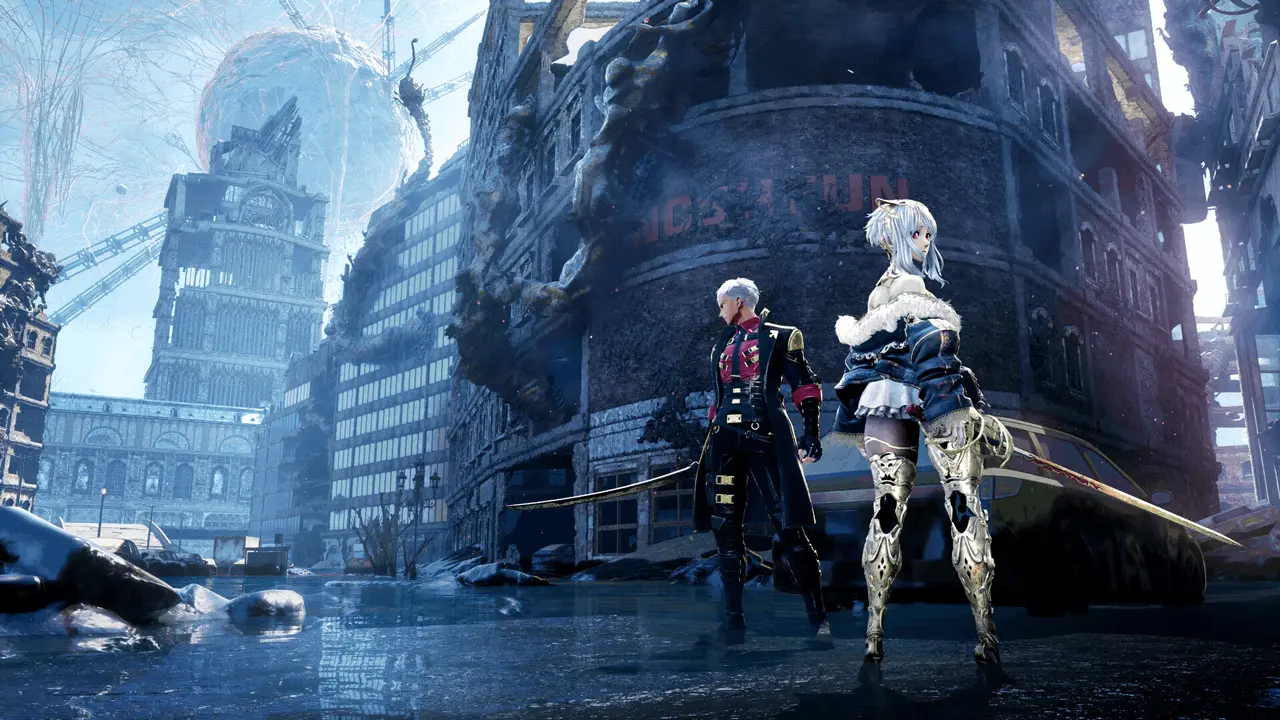
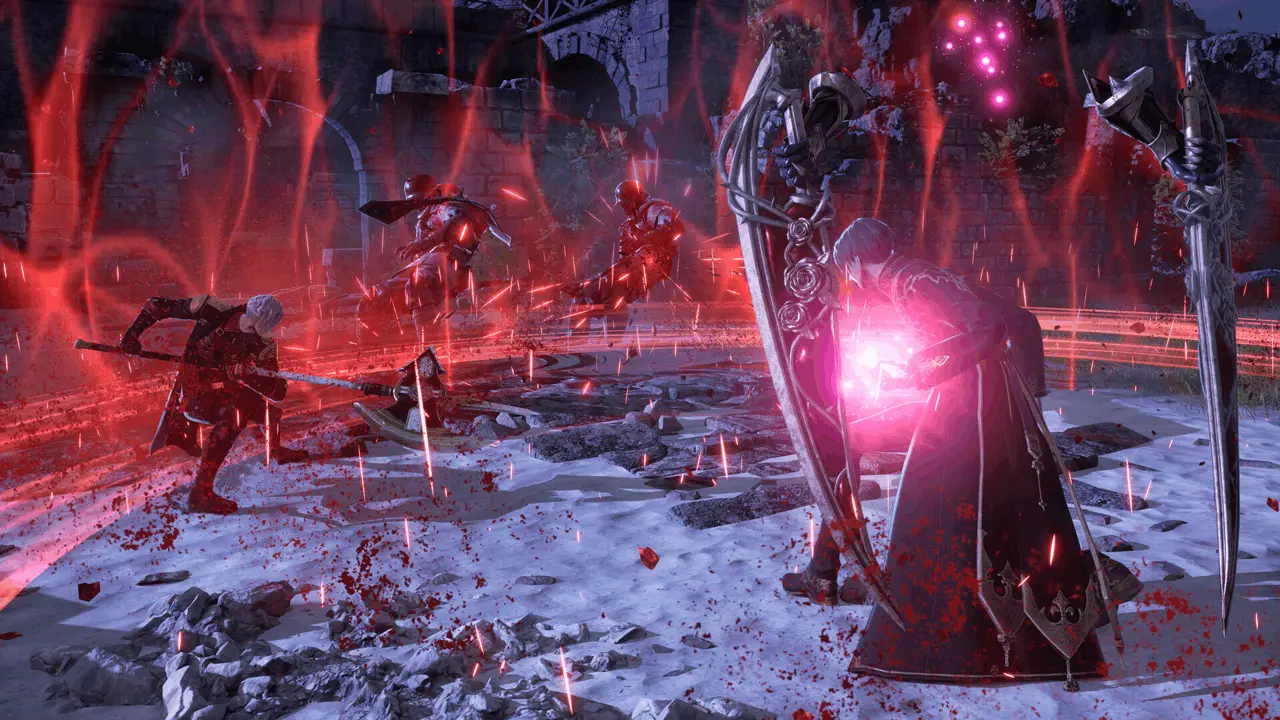
Combat remains the centerpiece of the experience. Every encounter demands careful stamina management, precise dodging, timely parries, and strategic use of Blood Codes. Returning weapon types such as one-handed swords, two-handed swords, bayonets, halberds, and great hammers are joined by two entirely new categories: Rune Blades and Dual Swords. Rune Blades combine magical attacks with melee strikes, while Dual Swords provide exceptional mobility and rapid combinations for aggressive players.
Blood Codes have been significantly redesigned. Players can now swap builds more freely without excessive penalties, encouraging experimentation throughout the adventure. Offensive Gifts, defensive abilities, passive bonuses, and support skills can all be mixed together to create highly specialized character builds. Whether focusing on devastating melee attacks, ranged spellcasting, balanced hybrids, or supportive playstyles, the progression system offers remarkable flexibility.
The signature blood-draining mechanics also return through an evolved equipment system known as The Jail. New Blood Actions, including forms such as Reaper and Bat, introduce additional movement options and powerful combat techniques. These abilities reward players who learn enemy attack patterns and carefully position themselves during battle rather than relying solely on brute force.
Companion characters once again play an essential role. The improved Partner System allows players to recruit allies with distinct combat styles, unique dialogue, and exclusive abilities. Some companions excel at healing and support, while others specialize in overwhelming offensive pressure or defensive crowd control. Their presence makes boss encounters feel more tactical without removing the challenge that defines the series.
The main cast includes Lou, whose time-manipulation powers drive the narrative, alongside characters such as Lavinia, who entrusts the protagonist with the mission to rewrite history, Josee Anjou, an important companion encountered during the journey into the past, and Valentin Voda, a powerful Revenant magistrate connected to one of the world’s oldest bloodlines. Throughout the adventure, players also encounter numerous allies, rival Revenants, corrupted Horrors, and formidable bosses whose stories unfold through exploration and cinematic encounters.
Rather than following isolated missions, Code Vein II structures its progression around interconnected regions spanning both past and present timelines. Players investigate the origins of Luna Rapacis, rescue survivors, defeat elite Horrors, uncover forgotten laboratories, explore ruined cities, infiltrate enemy strongholds, and ultimately reshape history itself. Side quests expand the world’s lore while optional bosses reward skilled players with powerful Blood Codes, rare weapons, and additional story content.
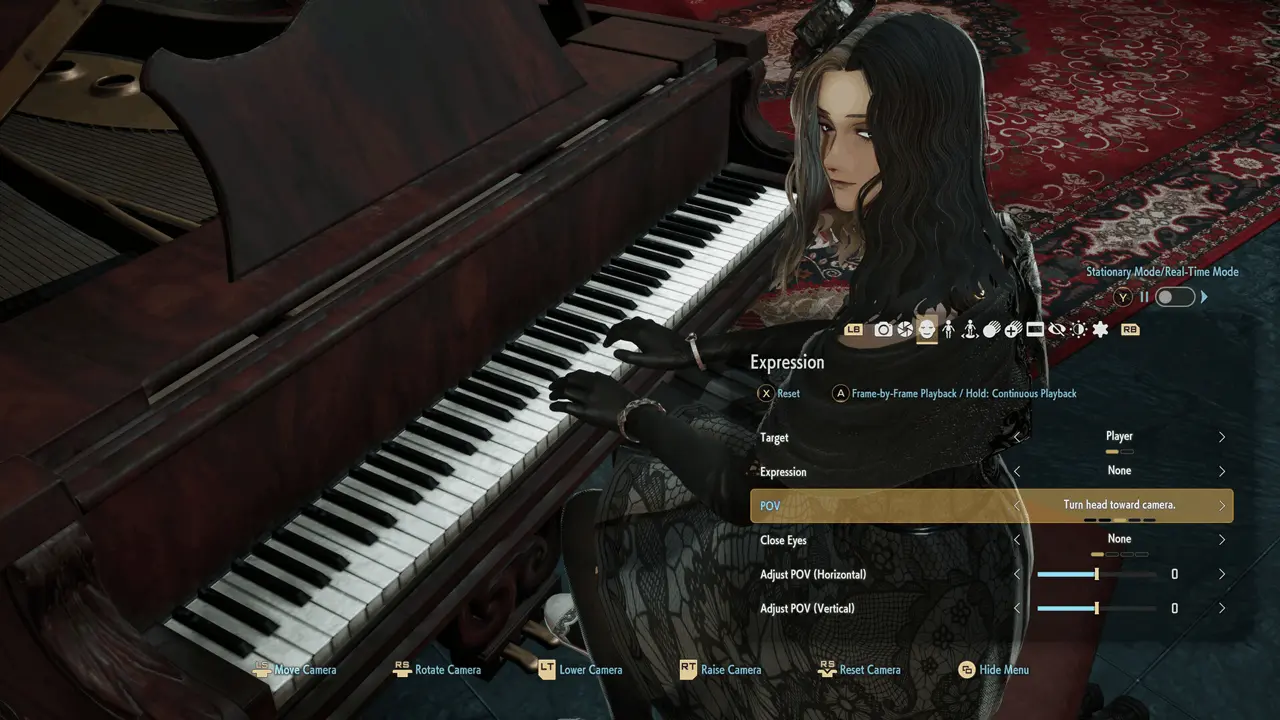
Character creation remains one of the game’s biggest strengths. Already famous for its extensive customization, Code Vein II pushes the system even further with expanded hairstyles, facial features, layered accessories, clothing options, color gradients, and cosmetic adjustments that allow players to create remarkably unique anime-inspired heroes.
Story Narrative
The story unfolds in a bleak future where humans and Revenants struggle to coexist as civilization teeters on the edge of extinction. A catastrophic phenomenon called Luna Rapacis transforms countless Revenants into savage Horrors, threatening to erase everything that remains of the world. With no conventional solution available, the protagonist joins forces with Lou, whose extraordinary ability to manipulate time offers one final chance to change history.
Traveling one hundred years into the past, players gradually uncover the origins of the disaster while forming alliances with legendary heroes whose choices will determine the future. Every decision echoes across both timelines, creating emotional moments where relationships forged in the past directly influence the devastated present. Rather than relying solely on apocalyptic spectacle, Code Vein II focuses heavily on sacrifice, hope, loyalty, and the bonds shared between companions. The narrative successfully balances personal character drama with large-scale worldbuilding, making the journey feel meaningful from beginning to end.
Graphics and Sound Effects
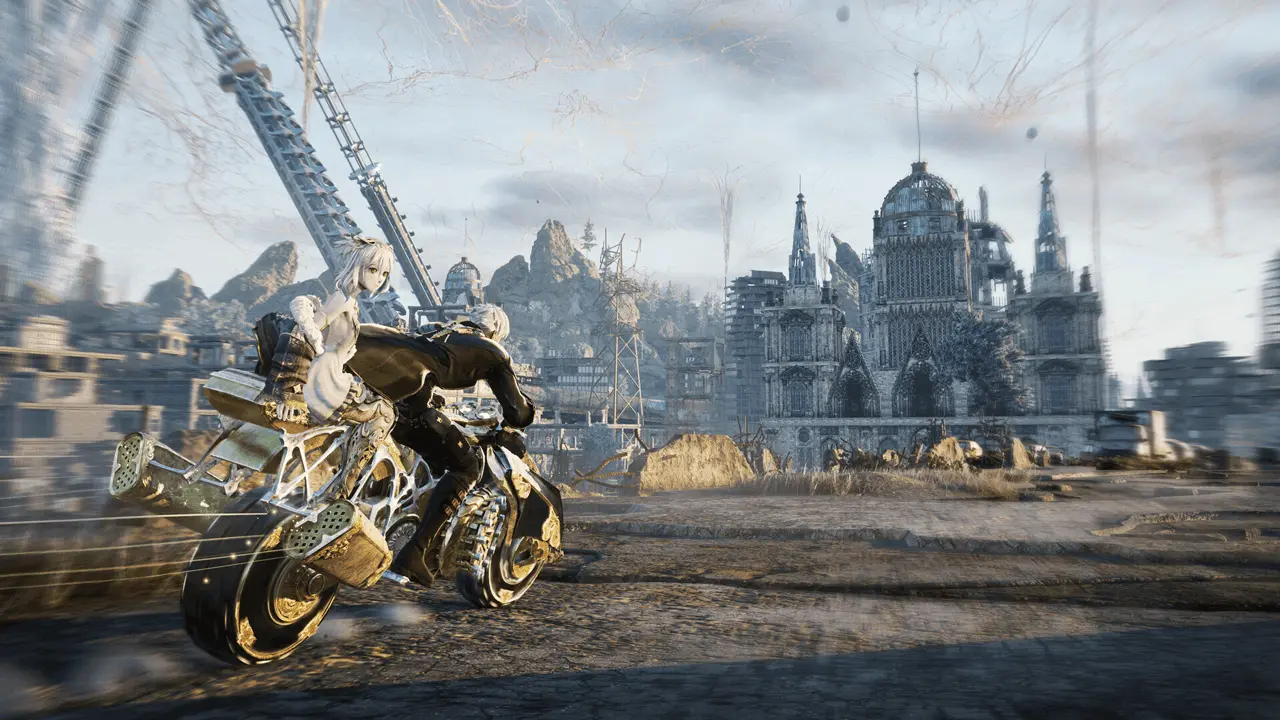
Visually, Code Vein II represents a significant leap over its predecessor. The game embraces detailed anime-inspired character models, larger explorable environments, improved lighting technology, and far more varied locations ranging from ruined futuristic cities and abandoned laboratories to ancient castles and mysterious forests. Environmental diversity keeps exploration engaging while making each region feel visually distinct.
Character animations appear smoother, combat effects are more dramatic, and boss encounters showcase spectacular visual effects without sacrificing gameplay readability. New weather systems, dynamic lighting, and higher-resolution textures further enhance immersion.
The soundtrack once again delivers orchestral compositions mixed with emotional vocal themes that perfectly complement the game’s gothic atmosphere. Intense boss battles feature energetic battle music, while quieter exploration segments emphasize melancholy and mystery. Voice acting remains consistently strong across both Japanese and English performances, giving emotional weight to the relationships between the protagonist and companions. Overall, the audiovisual presentation is among the finest in the anime RPG genre, despite occasional performance drops on consoles.
Verdict
Code Vein II successfully builds upon the foundation established by the original while introducing meaningful improvements across combat, exploration, storytelling, and customization. The refined Blood Code system, expanded Partner mechanics, emotionally engaging time-travel narrative, and impressive visual presentation make it one of the standout action RPGs of 2026. Although technical performance on some platforms and inconsistent difficulty occasionally hold it back from reaching its full potential, the overall package remains highly rewarding for both longtime fans and newcomers.
The Good
- Excellent fast-paced Soulslike combat with expanded weapon variety.
- Outstanding character creator with unmatched customization options.
- Emotional time-travel story featuring memorable companions.
- Flexible Blood Code progression encourages experimentation.
- Beautiful anime-inspired visuals and exceptional soundtrack.
- Strong replay value with multiple builds, bosses, and endings.
The Bad
- Performance issues and frame-rate drops on some console versions.
- Enemy variety becomes repetitive during parts of the campaign.
- Difficulty balance occasionally feels inconsistent.
- Some open-world areas contain unnecessary backtracking.
Release Date and Platforms
Code Vein II officially launched on January 29, 2026 (January 30 in some regions) for PlayStation 5, Xbox Series X|S, and PC via Steam. The game was developed exclusively for current-generation hardware, allowing Bandai Namco Studios to create larger environments, improved visual fidelity, and more advanced gameplay systems than were possible in the original title.
Genre
Code Vein II belongs to the Action RPG, Soulslike, JRPG, and Action-Adventure genres. While it retains the deliberate combat, challenging bosses, and stamina-based mechanics associated with Soulslike games, it differentiates itself through anime aesthetics, extensive character customization, companion-driven gameplay, and a deep progression system built around Blood Codes and Gifts. The addition of time-travel mechanics and larger semi-open environments further broadens the experience beyond traditional genre conventions.
Developer and Publisher
Code Vein II was developed by Bandai Namco Studios Inc. and published by Bandai Namco Entertainment Inc. The development team sought to preserve the identity of the original while modernizing nearly every gameplay system. Their focus on player freedom, dynamic companions, improved exploration, and more cinematic storytelling demonstrates a clear effort to evolve the franchise rather than simply repeat its previous formula.
System Requirements Code Vein 2
Minimum
- Requires a 64-bit processor and operating system
- OS: Windows 11
- Processor: Intel Core i5-9600K /AMD Ryzen 5 3600
- Memory: 16 GB RAM
- Graphics: Nvidia GeForce GTX 1660 Super / AMD Radeon RX 5700 / Intel Arc B570
- DirectX: Version 12
- Storage: 70 GB available space
Recommended
- Requires a 64-bit processor and operating system
- OS: Windows 11
- Processor: Intel Core i7-12700KF / AMD Ryzen 7 7800X3D
- Memory: 16 GB RAM
- Graphics: Nvidia GeForce RTX 3080 / AMD Radeon RX 6800
- DirectX: Version 12
- Storage: 70 GB available space