A Thought-Provoking Narrative Adventure That Celebrates Music, Memory, and Human Connection
Introduction
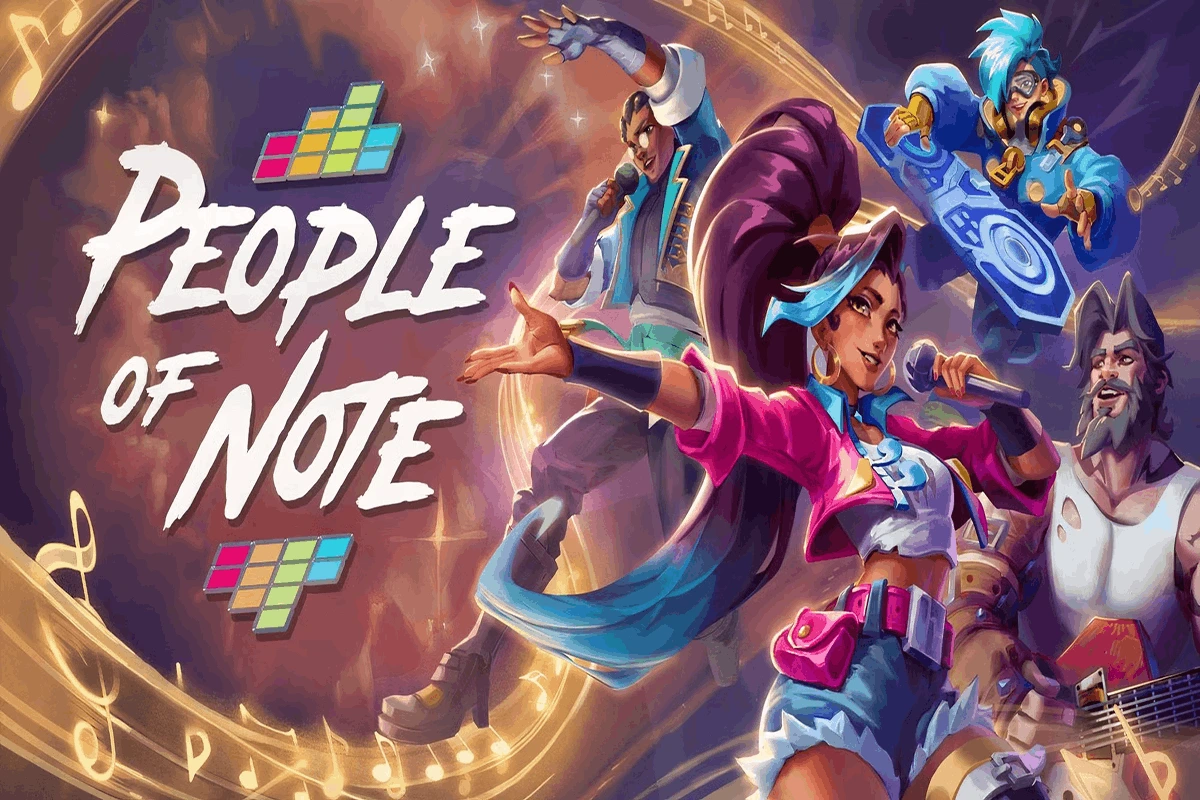
People of Note is one of the most distinctive narrative adventures to arrive in 2026, offering a heartfelt experience that blends interactive storytelling, environmental exploration, and music-driven gameplay into a deeply emotional journey. Rather than relying on fast-paced combat or large-scale action sequences, the game places its focus on meaningful conversations, character development, and the power of music to preserve memories and shape human relationships. The result is an experience that feels intimate, reflective, and refreshingly different from traditional adventure games.
Set in a beautifully crafted world where every individual carries a unique musical identity, People of Note follows a young archivist whose responsibility is to preserve the melodies that define people’s lives before they are forgotten forever. Every encounter introduces players to memorable personalities with their own histories, hopes, and struggles, gradually weaving together a compelling narrative about identity, legacy, and the importance of shared experiences.
Developed with a strong emphasis on emotional storytelling, the game rewards observation, empathy, and thoughtful decision-making rather than combat proficiency. Combined with its elegant visual presentation and remarkable soundtrack, People of Note establishes itself as one of the year’s most memorable narrative-driven experiences.
People Of Note Gameplay
The gameplay of People of Note revolves around exploration, dialogue, puzzle-solving, and musical interaction. Instead of defeating enemies through traditional combat, players travel across interconnected locations, meeting individuals whose personal melodies have begun to fade due to mysterious events affecting the world. By listening carefully, solving environmental challenges, and uncovering hidden memories, players gradually restore these forgotten compositions while learning more about each character’s past.
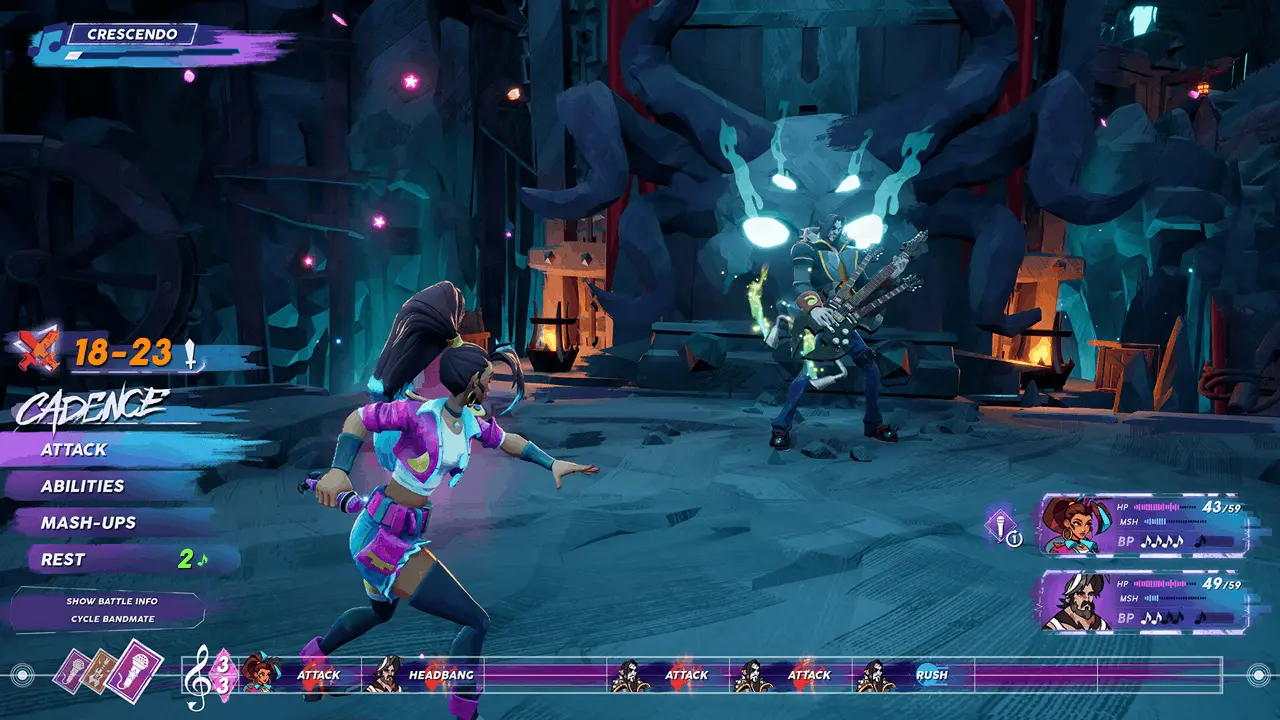
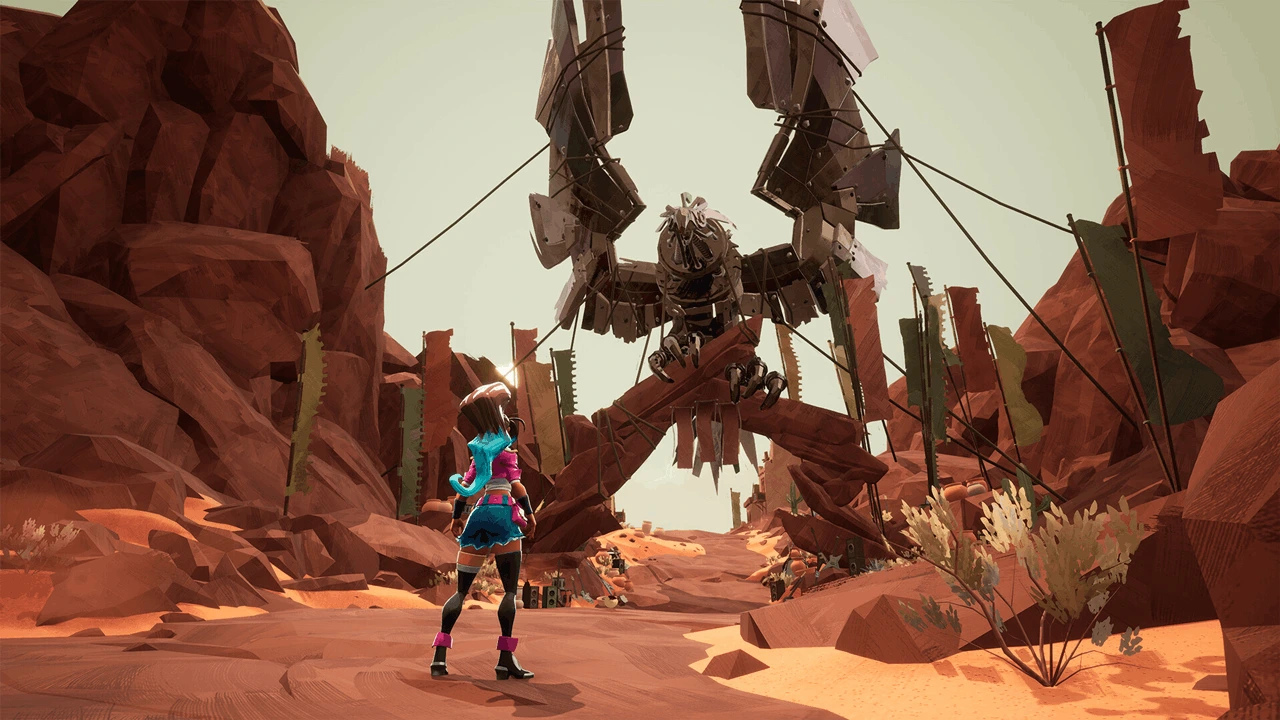
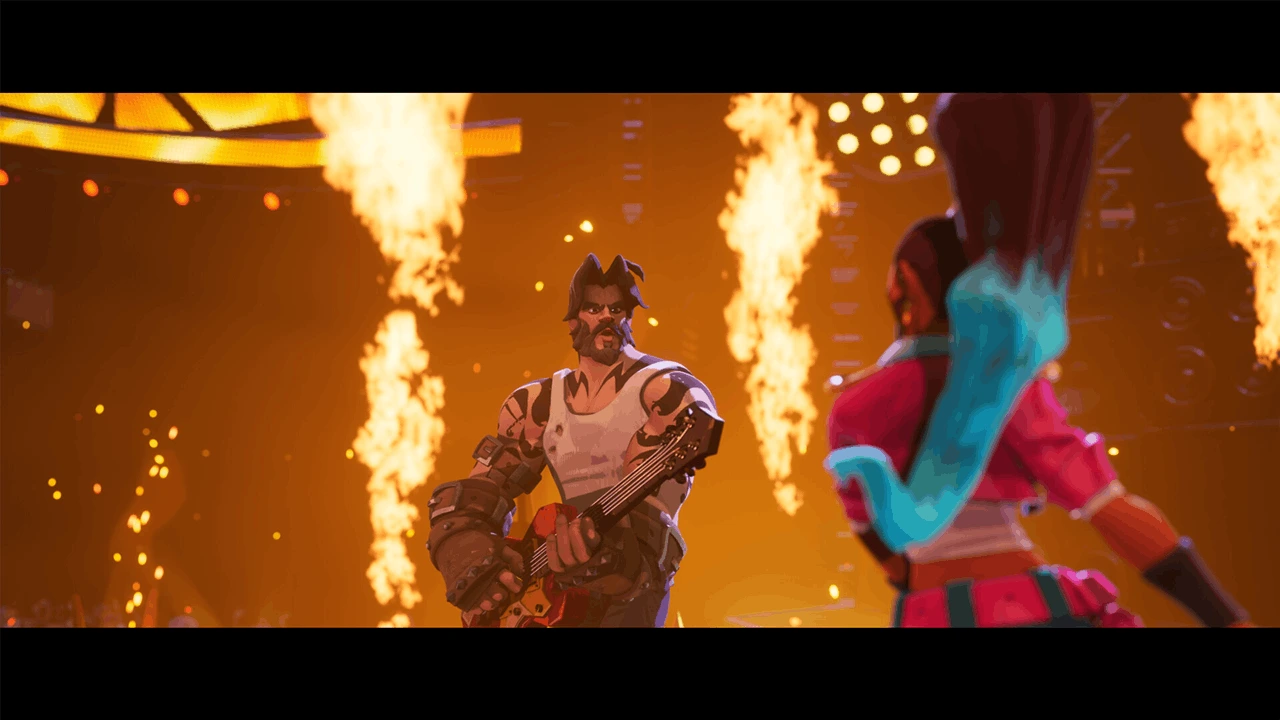
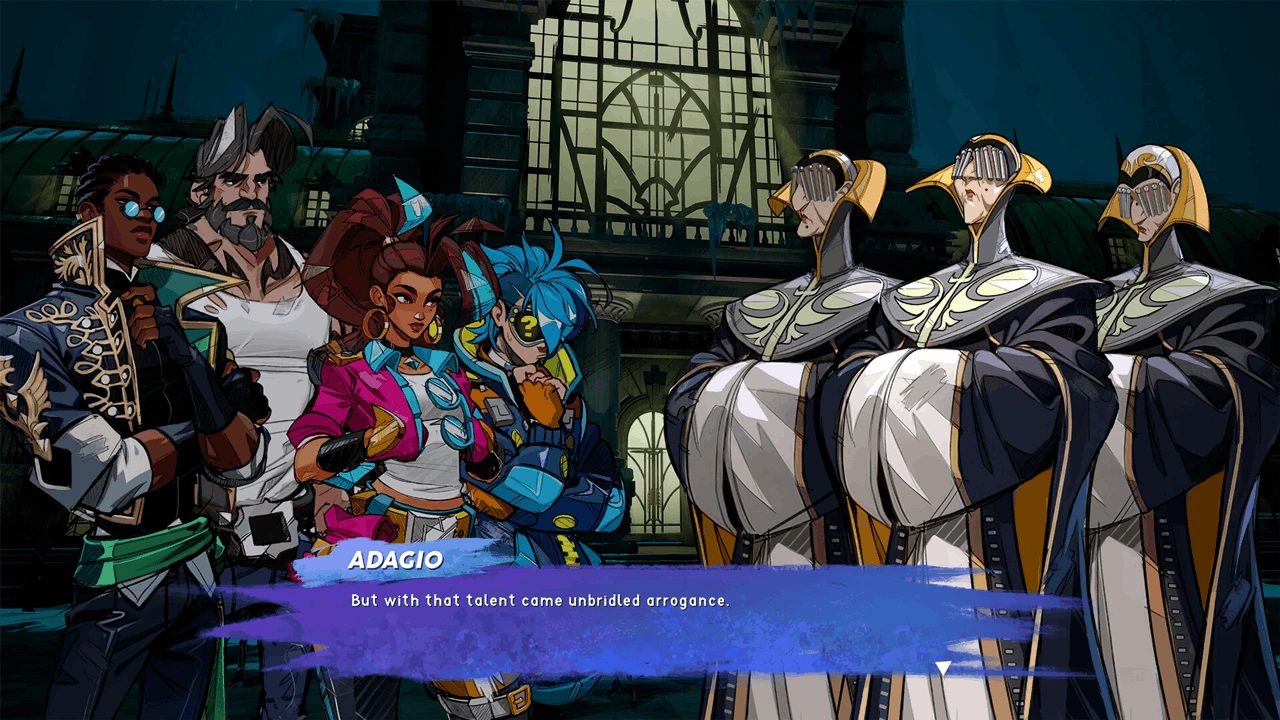
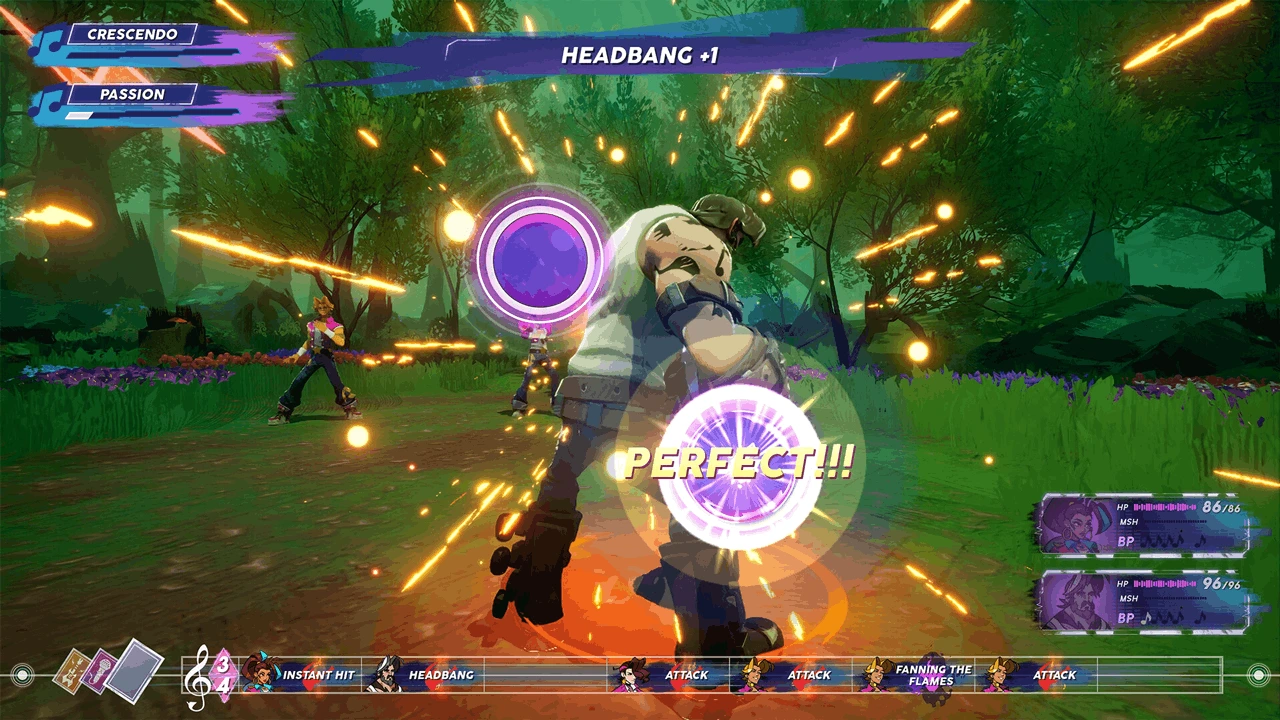
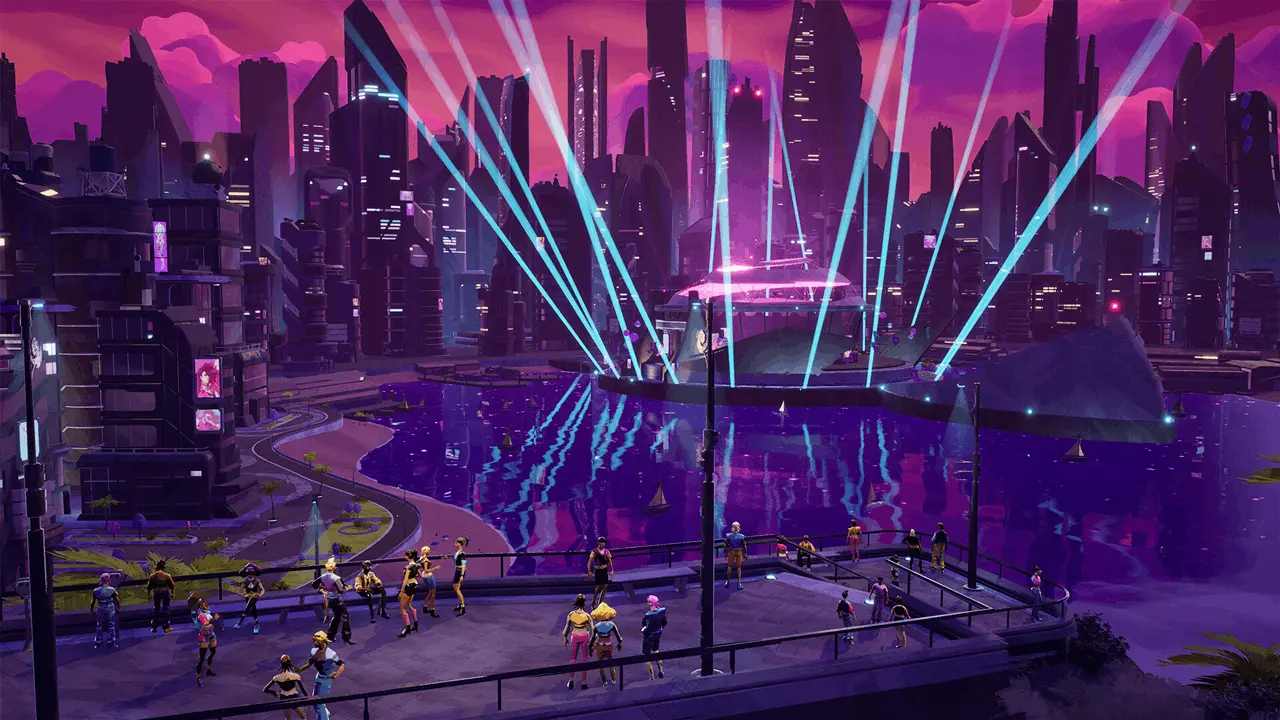
Players assume the role of Elias, a gifted musical archivist capable of perceiving emotional echoes hidden within melodies. Using a magical instrument known as the Resonance Lyre, Elias can reconstruct fragmented musical memories, reveal hidden pathways, unlock sealed locations, and strengthen relationships with the people encountered throughout the journey.
Throughout the adventure, players meet an extensive cast of memorable characters, each contributing to the emotional depth of the narrative. Mira, an accomplished composer struggling with creative loss, becomes one of Elias’ closest companions. Master Rowan, an elderly conductor preserving centuries of musical history, serves as both mentor and guide. Lina, an energetic street performer, introduces lighter moments while gradually revealing a surprisingly emotional backstory. Cedric, a historian investigating forgotten civilizations, assists players in uncovering the origins of the mysterious musical phenomenon threatening the world. Other notable characters include artists, travelers, scholars, musicians, village elders, and performers whose individual stories intertwine throughout the campaign.
Mission design emphasizes meaningful interaction rather than repetitive objectives. Primary story missions involve restoring forgotten symphonies, investigating abandoned concert halls, uncovering ancient musical manuscripts, assisting communities whose traditions are disappearing, solving rhythm-based environmental puzzles, and rebuilding damaged cultural landmarks. Side quests further expand the world by allowing players to help local performers regain confidence, reunite separated families through forgotten songs, recover lost instruments, preserve historical recordings, and discover hidden musical traditions scattered throughout the world.
Exploration is highly rewarding thanks to numerous hidden collectibles, optional conversations, environmental secrets, and interactive musical performances. Every location contains subtle storytelling elements that reveal additional lore, encouraging players to investigate every corner carefully. Rather than presenting lengthy exposition, the game allows players to piece together its history naturally through observation and exploration.
Music forms the foundation of nearly every gameplay mechanic. Rhythm-based interactions require players to recreate melodies, harmonize with non-playable characters, and synchronize musical patterns to solve puzzles. These sequences remain accessible regardless of musical experience while adding considerable variety throughout the campaign. Dynamic music systems also react to player choices, causing environments and character themes to evolve as relationships deepen.
Player decisions significantly influence the story. Dialogue choices affect friendships, unlock alternative quests, and determine how individual character arcs conclude. Although the central narrative remains consistent, numerous optional scenes, endings, and emotional moments encourage thoughtful decision-making while increasing replay value.
Accessibility options further improve the experience by allowing players to adjust rhythm timing, puzzle difficulty, subtitle presentation, and control layouts. These features ensure that the game’s emotional storytelling remains approachable for a wide audience without compromising its artistic vision.
Story Narrative
The story begins as Elias receives an unexpected assignment from the Grand Archive, an institution responsible for preserving humanity’s musical heritage. Strange events have begun causing people’s defining melodies to disappear, gradually erasing memories, relationships, and even entire cultural traditions from existence.
Determined to uncover the truth, Elias embarks on a journey across cities, villages, forests, mountain monasteries, and forgotten concert halls where every community possesses its own distinctive musical identity. Along the way, he discovers that the mysterious silence spreading across the world is connected to an ancient force capable of consuming emotional memories embedded within music itself.
As friendships deepen and forgotten histories emerge, Elias realizes that restoring melodies requires more than technical skill. Every individual must confront unresolved emotions, painful memories, and personal regrets before their music can truly return. This emotional approach transforms each chapter into a deeply personal story while gradually revealing a larger narrative concerning humanity’s shared cultural legacy.
The climax brings together every lesson learned throughout the journey, emphasizing cooperation, compassion, and the enduring power of artistic expression. Rather than relying on dramatic action, the conclusion delivers a thoughtful and emotionally satisfying resolution that celebrates the importance of preserving both personal memories and collective history.
Graphics and Sound Effects
Visually, People of Note presents a striking artistic style inspired by watercolor illustrations, hand-painted environments, and theatrical stage design. Every location features vibrant colors, dynamic lighting, and subtle environmental animations that reinforce the game’s dreamlike atmosphere. Character models display expressive facial animations and natural body language, making conversations feel remarkably authentic despite the stylized presentation.
Environmental effects receive considerable attention, with changing weather, shifting light, and reactive scenery responding naturally to important musical moments throughout the campaign. Performance remains consistently smooth across supported platforms, while enhanced texture quality and improved visual effects take full advantage of current-generation hardware.
The soundtrack unquestionably represents the game’s greatest achievement. Featuring orchestral compositions, solo piano performances, folk-inspired melodies, choral arrangements, and emotionally powerful thematic pieces, every musical composition contributes directly to storytelling and gameplay. Dynamic music systems ensure that themes evolve alongside character development, creating unforgettable emotional moments during both exploration and narrative sequences.
Sound effects further strengthen immersion through carefully designed ambient audio, environmental acoustics, and realistic instrument performances. Professional voice acting enhances every major conversation, bringing the diverse cast of characters to life with warmth, authenticity, and emotional depth.
Verdict
People of Note is a beautifully crafted narrative adventure that successfully demonstrates how interactive storytelling and music can combine to create a deeply emotional gaming experience. Its memorable characters, thoughtful writing, elegant visual design, exceptional soundtrack, and innovative musical gameplay distinguish it from more conventional adventure titles. Although players seeking constant action may find its deliberate pacing slower than expected, those who appreciate meaningful stories and artistic creativity will discover one of the most rewarding narrative experiences of the year.
The Good
- Emotionally engaging story with memorable characters.
- Innovative music-based gameplay mechanics.
- Outstanding orchestral soundtrack and excellent voice performances.
- Beautiful artistic presentation with impressive environmental design.
- Meaningful dialogue choices and multiple narrative outcomes.
- Strong replay value through collectibles, optional stories, and alternate endings.
The Bad
- Slow pacing may not appeal to action-focused players.
- Limited combat may disappoint fans of traditional adventure games.
- Some puzzles require repeated musical interactions.
- Narrative-focused structure places greater emphasis on storytelling than gameplay complexity.
Release Date and Platforms
People of Note was released in 2026 for Nintendo Switch 2, PlayStation 5, Xbox Series X|S, and PC. Simultaneous availability across all major platforms allows players to experience the adventure regardless of their preferred gaming ecosystem. Current-generation hardware enables smoother performance, faster loading, enhanced environmental detail, and improved lighting that complements the game’s artistic presentation.
Genre
People of Note belongs primarily to the narrative adventure genre while incorporating exploration, puzzle-solving, interactive storytelling, rhythm-based gameplay, and light role-playing elements. Instead of emphasizing combat or traditional action mechanics, the game focuses on emotional storytelling, character relationships, environmental exploration, and meaningful player choices that shape the overall experience.
Developer and Publisher
People of Note was developed by an independent studio dedicated to creating story-driven interactive experiences that blend music, art, and meaningful player choice. The development team places strong emphasis on emotional storytelling, cinematic presentation, and innovative gameplay systems centered around musical interaction. Publishing responsibilities are handled by a respected publisher known for supporting creative independent productions, ensuring that the game reaches players worldwide while preserving its unique artistic identity.
People of Note System Requirements
Minimum
- OS: Windows 10
- Processor: Intel Core i5-4570 or AMD Ryzen 3 1200
- Memory: 6 GB RAM
- Graphics: NVIDIA GeForce GTX 1630, 4 GB or AMD Radeon R9 390, 8 GB
- Storage: 30 GB available space
Recommended
- OS: Windows 10
- Processor: Intel Core i5-8400 or AMD Ryzen 5 2600
- Memory: 8 GB RAM
- Graphics: NVIDIA GeForce GTX 1080, 8 GB or AMD Radeon RX Vega 64, 8 GB
- Storage: 30 GB available space