A Beautifully Crafted Sci-Fi Metroidvania Adventure
Introduction
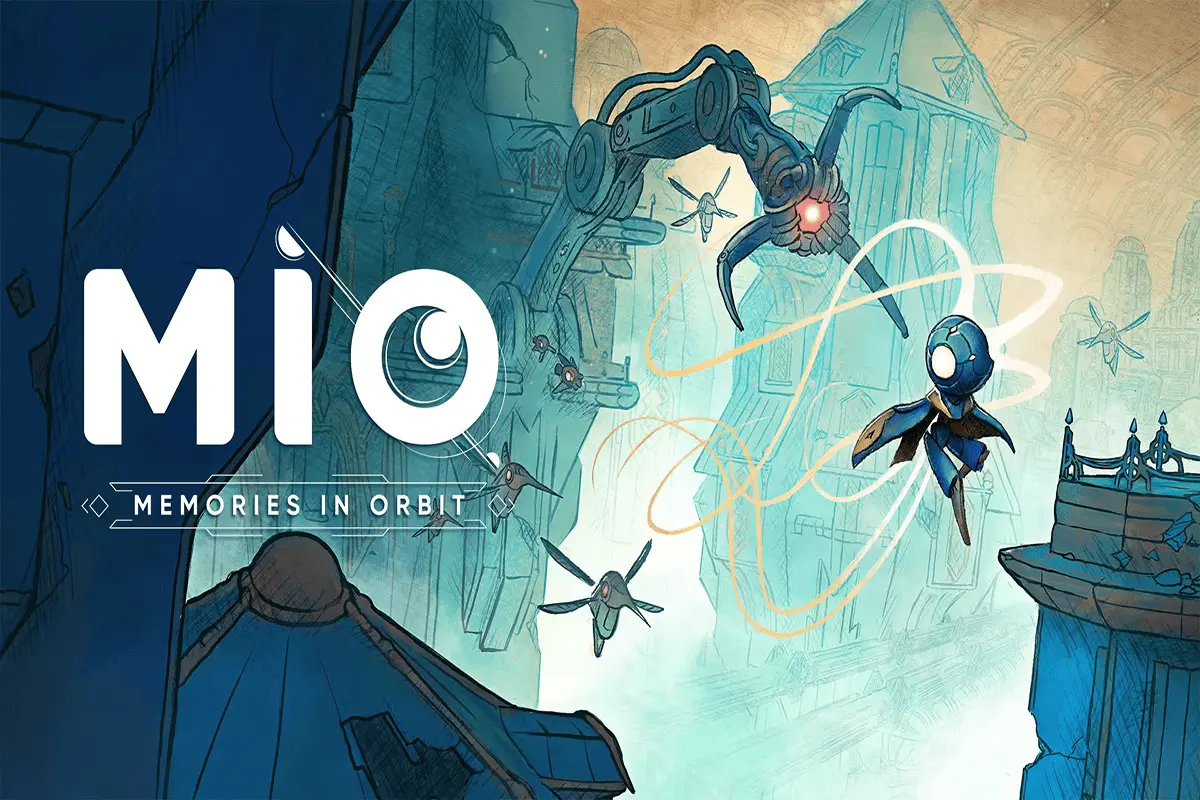
Mio: Memories in Orbit is one of the most visually captivating and emotionally driven indie adventures to emerge in the modern Metroidvania genre. Developed with a strong emphasis on atmosphere, exploration, and narrative depth, the game combines science-fiction storytelling with intricate platforming mechanics to create an experience that feels both haunting and unforgettable. Set aboard a gigantic drifting spacecraft known as the Vessel, the game introduces players to a mysterious world filled with abandoned technology, lost memories, and artificial lifeforms struggling to survive after humanity’s disappearance.
Unlike many traditional Metroidvania titles that focus heavily on fast-paced combat, Mio: Memories in Orbit leans equally into exploration, environmental storytelling, and emotional immersion. Every area of the Vessel tells a story through its architecture, atmosphere, and hidden details. Critics and early previews from major gaming publications have praised the game for its artistic direction, smooth traversal systems, and layered world design, often comparing its emotional tone to some of the genre’s most celebrated titles.
At the center of the story is Mio, a nimble android awakened in a decaying orbital ark that has fallen into chaos. What begins as a journey of survival slowly evolves into a deeper exploration of identity, memory, and the remnants of a forgotten civilization. Through its melancholic tone and carefully designed gameplay systems, Mio: Memories in Orbit delivers an experience that is both intellectually engaging and emotionally resonant.
Gameplay – Deep Exploration Systems, Precision Movement, Combat Mechanics, and Dynamic Progression
The gameplay of Mio: Memories in Orbit is built around exploration and interconnected world design, staying true to the foundations of the Metroidvania genre while introducing modern mechanics that make traversal and progression feel fluid and rewarding. The game emphasizes freedom of movement, allowing players to explore the massive Vessel at their own pace while gradually unlocking abilities that open previously inaccessible paths.
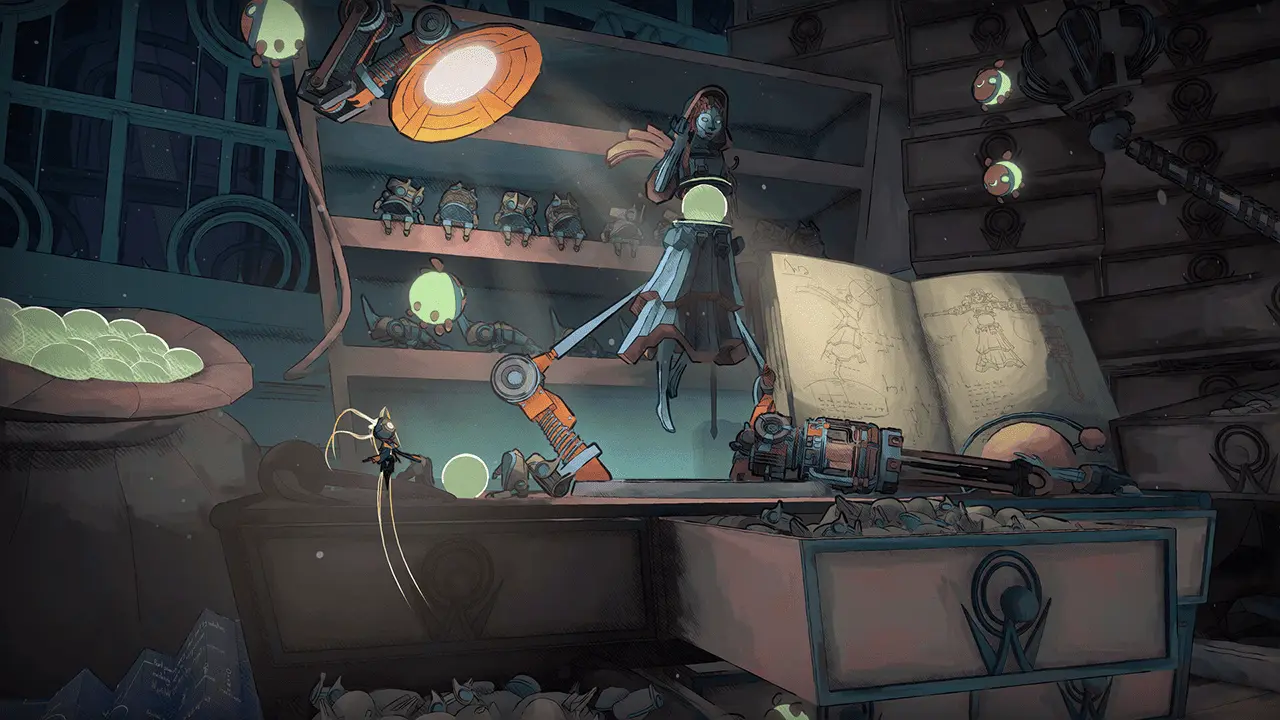
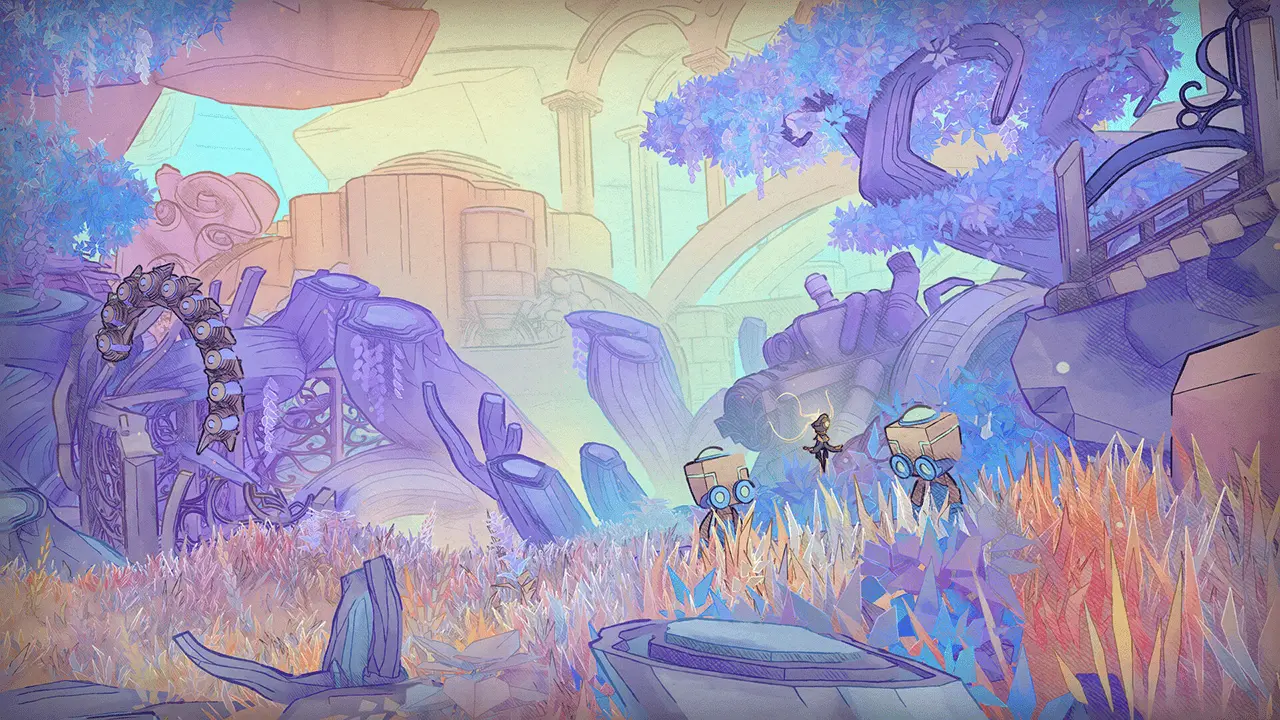
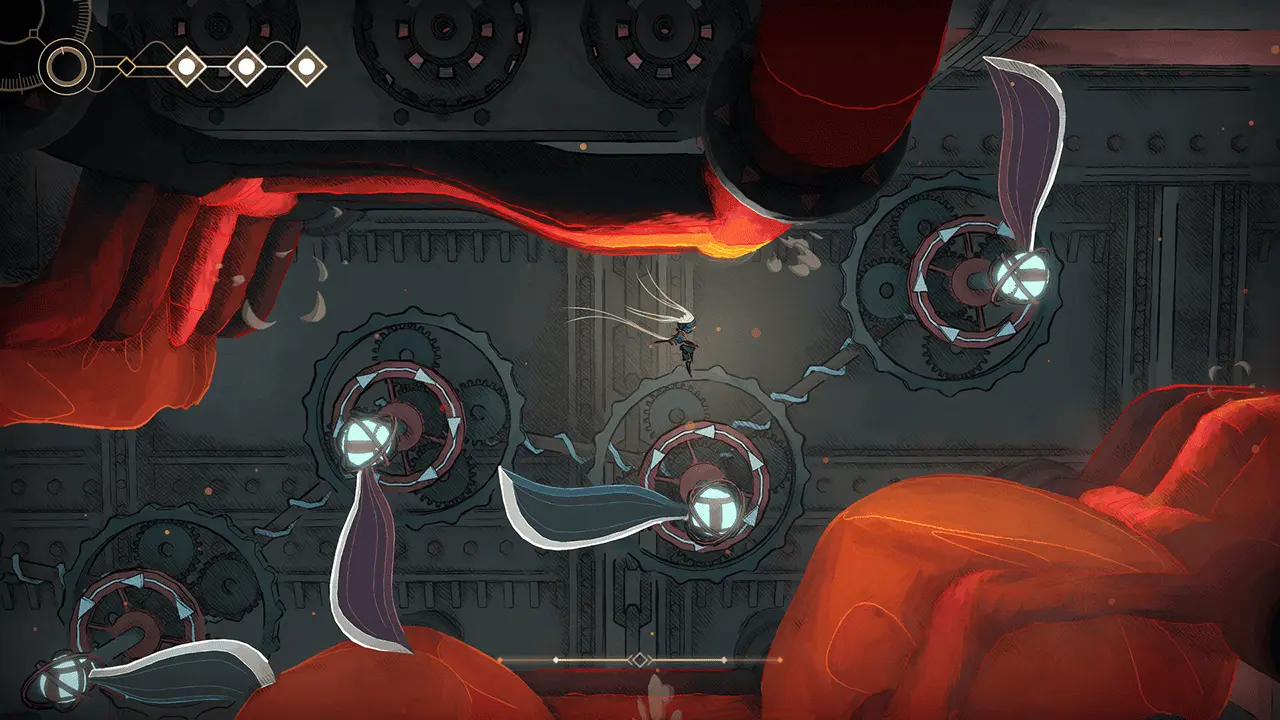
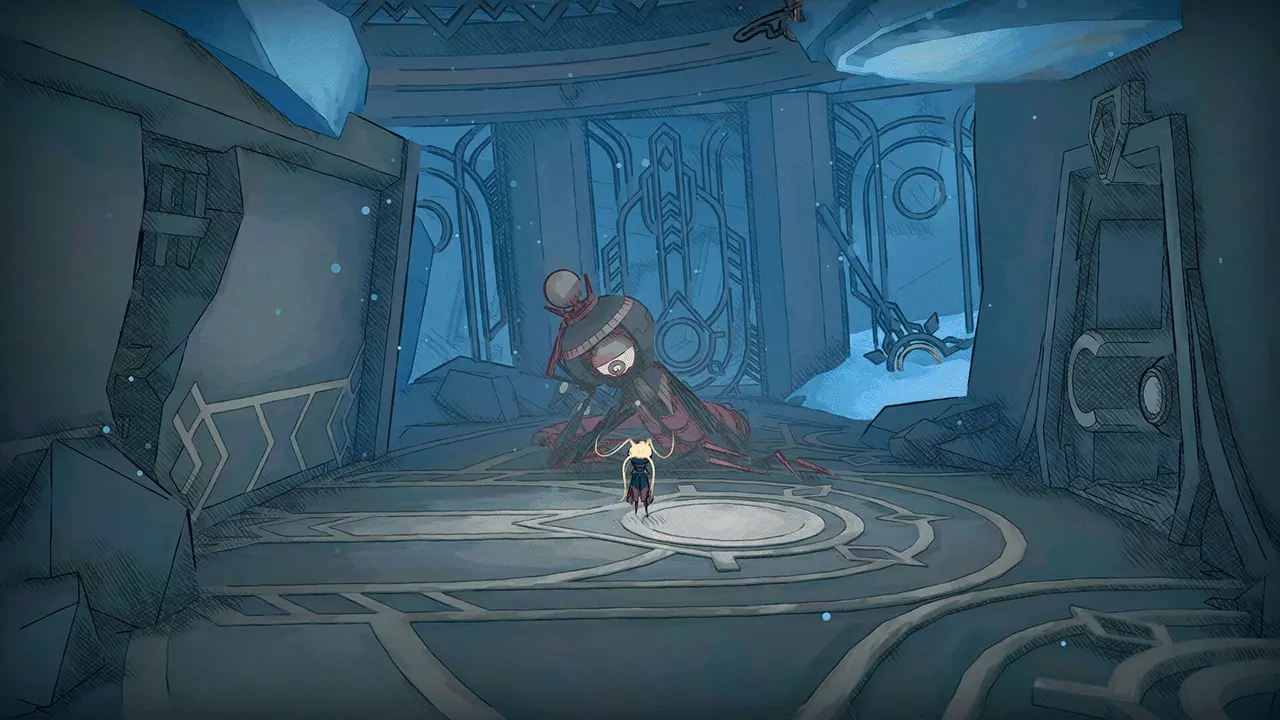
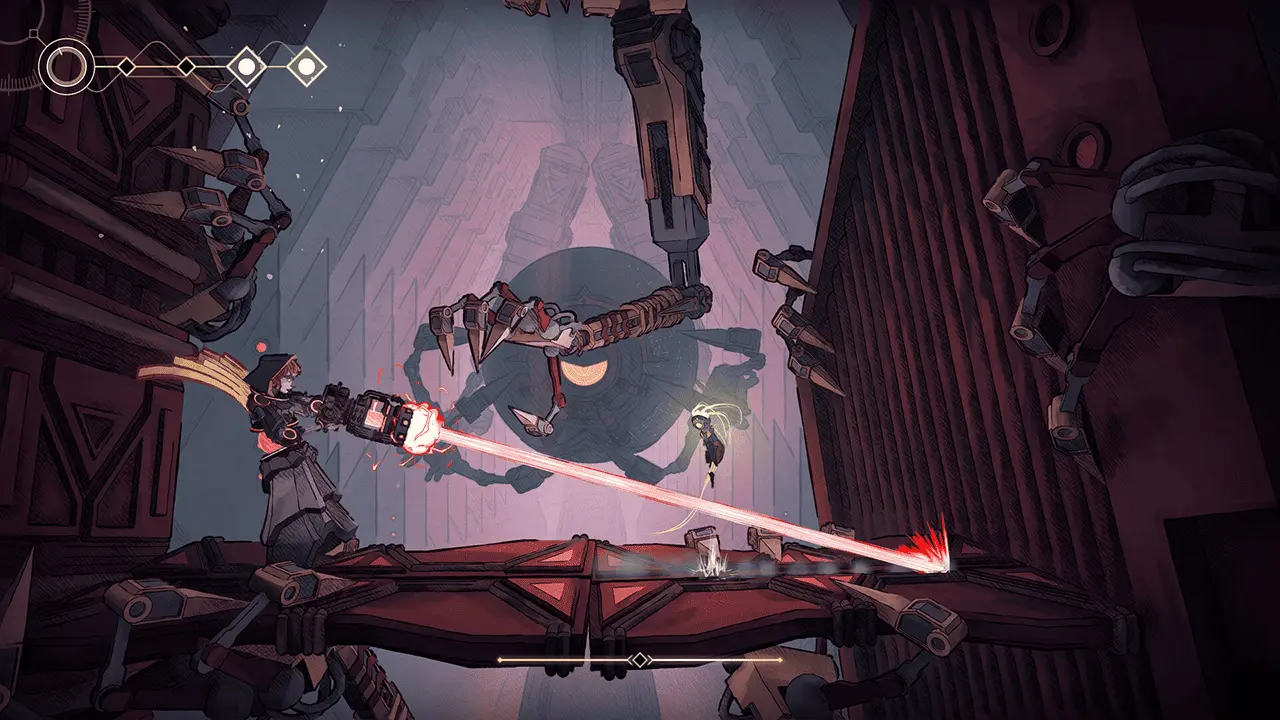
Players control Mio, an agile android equipped with advanced mobility systems and adaptive combat capabilities. From the very beginning, the movement feels exceptionally smooth. Mio can sprint, wall-jump, dash, climb surfaces, and perform aerial maneuvers that become increasingly sophisticated as new upgrades are acquired. The traversal system is one of the strongest aspects of the game because it evolves naturally throughout the experience. Early areas focus on simple movement mechanics, but later sections introduce advanced platforming challenges that require mastery of multiple abilities simultaneously.
One of the standout gameplay features is the gravity manipulation system. Certain zones within the Vessel have unstable gravitational conditions, allowing Mio to shift orientation, leap across floating debris, or navigate upside-down environments. These mechanics dramatically change how players approach exploration and puzzle-solving. Rather than simply moving from one room to another, players must constantly adapt to environmental conditions and think spatially.
The game’s world design is highly interconnected. The Vessel is divided into multiple biomes and sectors, each with distinct visual themes, enemies, hazards, and gameplay mechanics. These include abandoned botanical laboratories overrun by synthetic vegetation, industrial engine sectors filled with dangerous machinery, frozen cryogenic chambers, and mysterious data archives containing fragments of humanity’s past. Every region introduces new traversal mechanics and environmental storytelling elements, ensuring that exploration remains consistently engaging.
Combat in Mio: Memories in Orbit balances precision and strategy. Mio uses a modular energy weapon system that can adapt to different combat situations. Players gain access to various attack modes, including rapid-fire projectiles, charged energy blasts, defensive barriers, and close-range melee strikes. Combat encounters encourage mobility rather than stationary fighting, often requiring players to combine dodging, aerial movement, and environmental awareness.
Enemy design is particularly impressive. Players encounter rogue machines, corrupted defense drones, biomechanical creatures, and malfunctioning AI entities throughout the Vessel. Each enemy type has unique behaviors and attack patterns, forcing players to adapt their strategies rather than relying on repetitive combat tactics. Boss encounters are especially memorable, featuring large-scale cinematic battles that test both combat skills and traversal mastery.
The mission structure in the game blends main objectives with optional exploration-based tasks. Primary missions revolve around restoring critical systems aboard the Vessel, uncovering hidden truths about its collapse, and locating surviving AI fragments connected to Mio’s origins. Secondary objectives encourage players to revisit previously explored areas using newly acquired abilities to discover hidden lore, upgrades, and secret pathways.
Character interactions also play an important role in progression. Although the world initially appears abandoned, Mio eventually encounters several surviving artificial intelligences and robotic entities. These characters provide quests, emotional context, and philosophical perspectives about humanity’s disappearance. Some notable figures include an aging maintenance AI struggling to preserve failing systems, a hostile military intelligence convinced organic life was humanity’s downfall, and fragmented consciousnesses stored within damaged memory networks.
Another major gameplay feature is the Memory Fragment system. Throughout the game, players collect fragments of human memories stored within the Vessel’s data systems. These memories unlock story sequences, reveal hidden lore, and sometimes alter gameplay by granting new abilities or revealing secret locations. This mechanic integrates storytelling directly into exploration, rewarding curious players who thoroughly investigate the environment.
Customization and progression systems further deepen the gameplay experience. Players can equip enhancement modules that modify Mio’s abilities, combat efficiency, and movement options. Some modules improve mobility, while others focus on offensive or defensive capabilities. This allows players to tailor Mio’s playstyle according to personal preferences.
Environmental puzzles are another highlight. These puzzles often involve rerouting energy systems, manipulating gravity fields, activating ancient machinery, or decoding fragmented AI communications. Unlike many puzzle-heavy games, these challenges feel naturally integrated into the world rather than artificially inserted.
Overall, the gameplay in Mio: Memories in Orbit is remarkably layered and polished. It successfully combines exploration, combat, storytelling, and progression into a cohesive experience that constantly rewards curiosity and experimentation.
Story Narrative
The story of Mio: Memories in Orbit revolves around themes of memory, identity, isolation, and the legacy of humanity. Mio awakens aboard the Vessel with limited knowledge of her origins and discovers that the enormous orbital station has become unstable after the disappearance of its human inhabitants.
As Mio explores the Vessel, she uncovers fragments of memories left behind by former crew members and artificial intelligences. These discoveries gradually reveal the truth behind humanity’s downfall and Mio’s connection to the station itself. The narrative unfolds slowly through exploration, environmental storytelling, and interactions with surviving entities.
The emotional strength of the story comes from its introspective tone. Rather than focusing purely on large-scale conflict, the game explores deeply personal themes related to loneliness, purpose, and what remains after civilization collapses.
Graphics and Sound Effects Improvements
Visually, Mio: Memories in Orbit is stunning. The hand-crafted environments combine futuristic sci-fi aesthetics with decaying industrial design, creating a world that feels simultaneously beautiful and melancholic. Dynamic lighting, particle effects, and fluid animations contribute to an immersive atmosphere.
Recent previews have highlighted major improvements in environmental detail, character animations, and visual effects. The game’s art direction emphasizes contrast between technological sophistication and gradual decay, making every region visually memorable.
The sound design is equally exceptional. Ambient audio creates a sense of loneliness and tension throughout the Vessel, while the soundtrack blends electronic melodies with orchestral elements to enhance emotional moments. Mechanical sounds, distant echoes, and environmental effects further deepen immersion.
Verdict
The Good
- Exceptional world design and exploration mechanics
- Smooth traversal and gravity-based movement systems
- Emotional storytelling with a strong environmental narrative
- Atmospheric visuals and outstanding sound design
- Deep customization and rewarding progression systems
The Bad
- Slow pacing may not appeal to action-focused players
- Complex map design can occasionally feel overwhelming
- Some platforming sections become extremely challenging late in the game
Release Date and Platforms
Mio: Memories in Orbit is scheduled for release in 2026 and will launch on PC, PlayStation 5, Xbox Series X|S, and Nintendo Switch. The developers have emphasized cross-platform optimization to ensure consistent performance and accessibility across all systems.
Genre
The game belongs primarily to the Metroidvania genre, while also incorporating elements of action-adventure, platforming, and science-fiction exploration. Its focus on interconnected environments, ability-based progression, and atmospheric storytelling firmly places it among modern exploration-driven indie titles.
Developer and Publisher
Mio: Memories in Orbit is developed by Douze Dixièmes and published by Focus Entertainment. The collaboration between the independent studio and a major publisher has allowed the game to maintain its artistic vision while benefiting from strong production values and technical refinement.
Mio: Memories in Orbit System Requirements
Minimum
- Requires a 64-bit processor and operating system
- OS: Windows 10/11 64-bit
- Processor: AMD Ryzen 3 1200 / Intel Core i3-6100
- Memory: 8 GB RAM
- Graphics: AMD Radeon RX 460 / Nvidia GeForce GTX 1050 Ti
- DirectX: Version 12
- Storage: 4 GB available space
Recommended
- Requires a 64-bit processor and operating system
- OS: Windows 10/11 64-bit
- Processor: AMD Ryzen 3 1300X / Intel Core i3-8100
- Memory: 8 GB RAM
- Graphics: AMD Radeon RX 570 / Nvidia GeForce GTX 1650
- DirectX: Version 12
- Storage: 4 GB available space