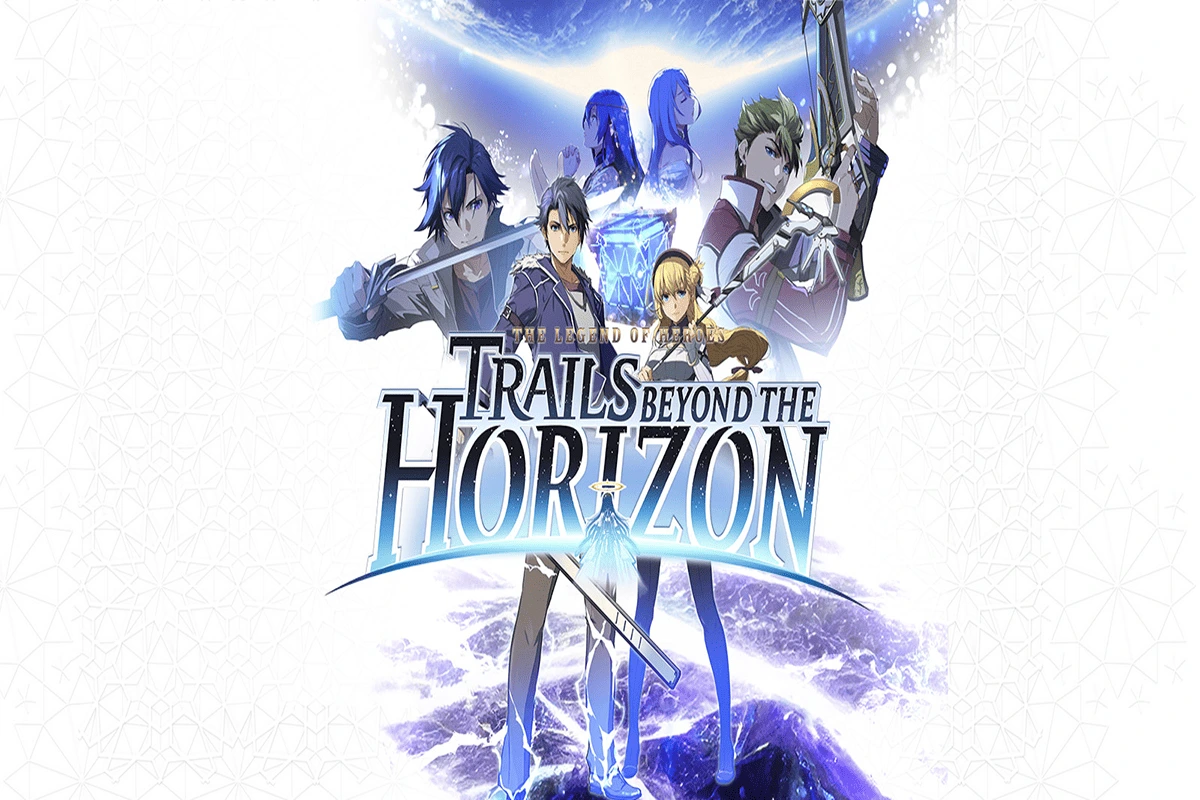
A Grand Evolution of the Trails Saga
Introduction
The Legend of Heroes: Trails Beyond the Horizon represents a monumental step forward for one of the most beloved long-running JRPG franchises in modern gaming. As the latest entry in the expansive Trails series, the game builds upon years of intricate world-building, interconnected narratives, and refined gameplay systems. Set in the ever-evolving continent of Zemuria, this installment continues the franchise’s tradition of delivering a story-rich experience while introducing new mechanics that modernize its formula.
What makes Trails Beyond the Horizon particularly compelling is its ability to balance accessibility for newcomers with rewarding depth for long-time fans. The game seamlessly blends political intrigue, character-driven storytelling, and strategic combat, creating an experience that feels both familiar and refreshingly ambitious. It is not just another sequel—it is a culmination of narrative threads and gameplay innovations that push the series into new territory.
Gameplay – Deep Combat Systems, Expansive Mechanics, and Rich Character Integration
The gameplay in The Legend of Heroes: Trails Beyond the Horizon is one of the most refined and content-rich systems the franchise has ever offered. At its core, the game retains the signature turn-based combat system that fans expect, but it significantly expands upon it with new mechanics, enhanced flexibility, and deeper strategic layers.
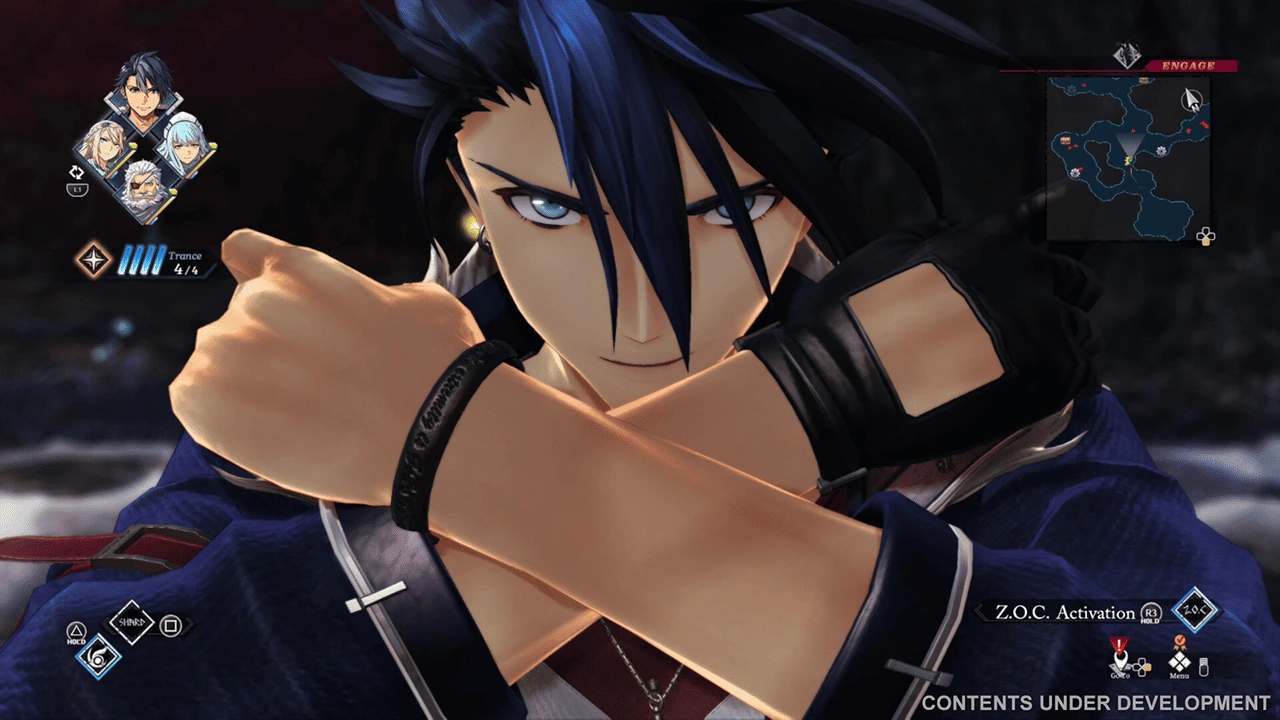
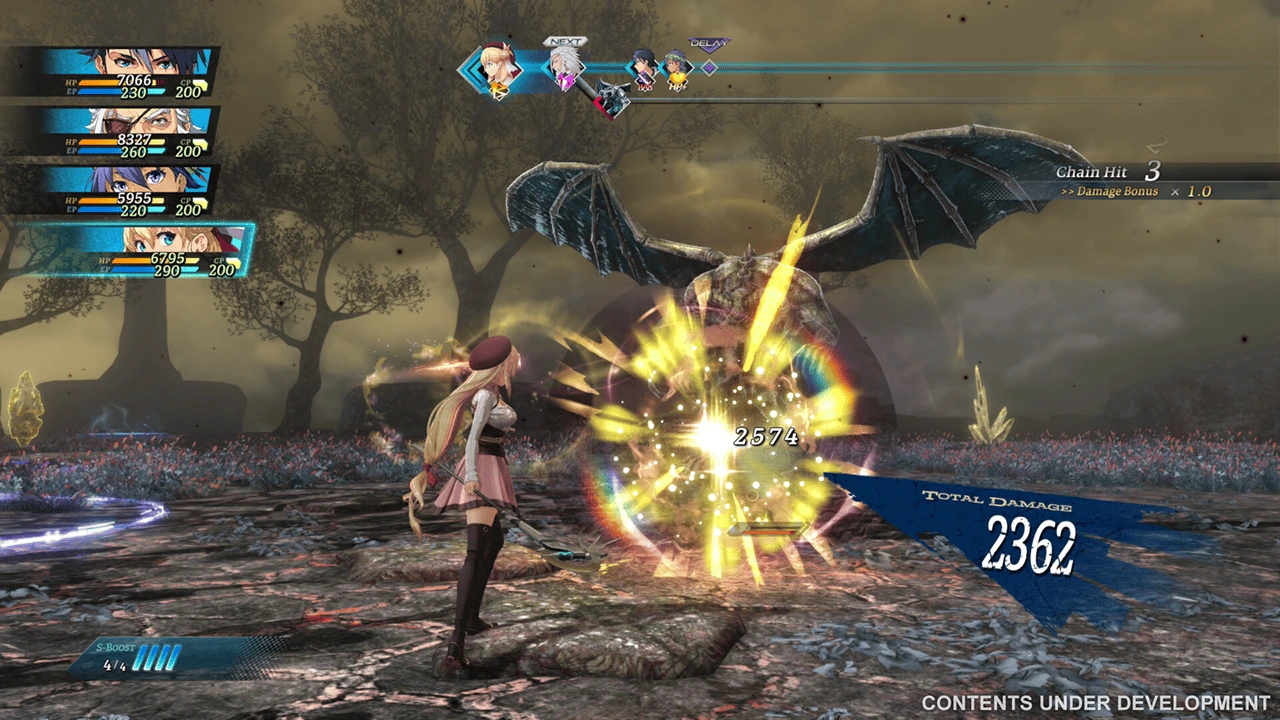
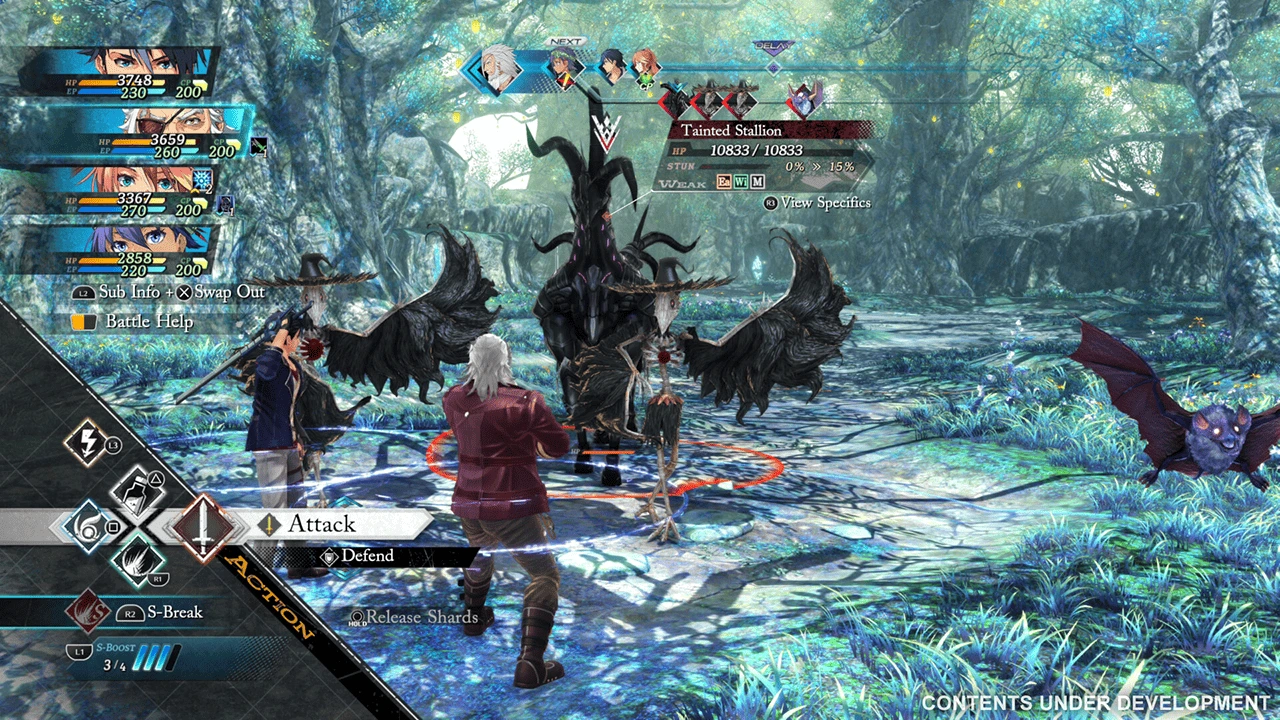
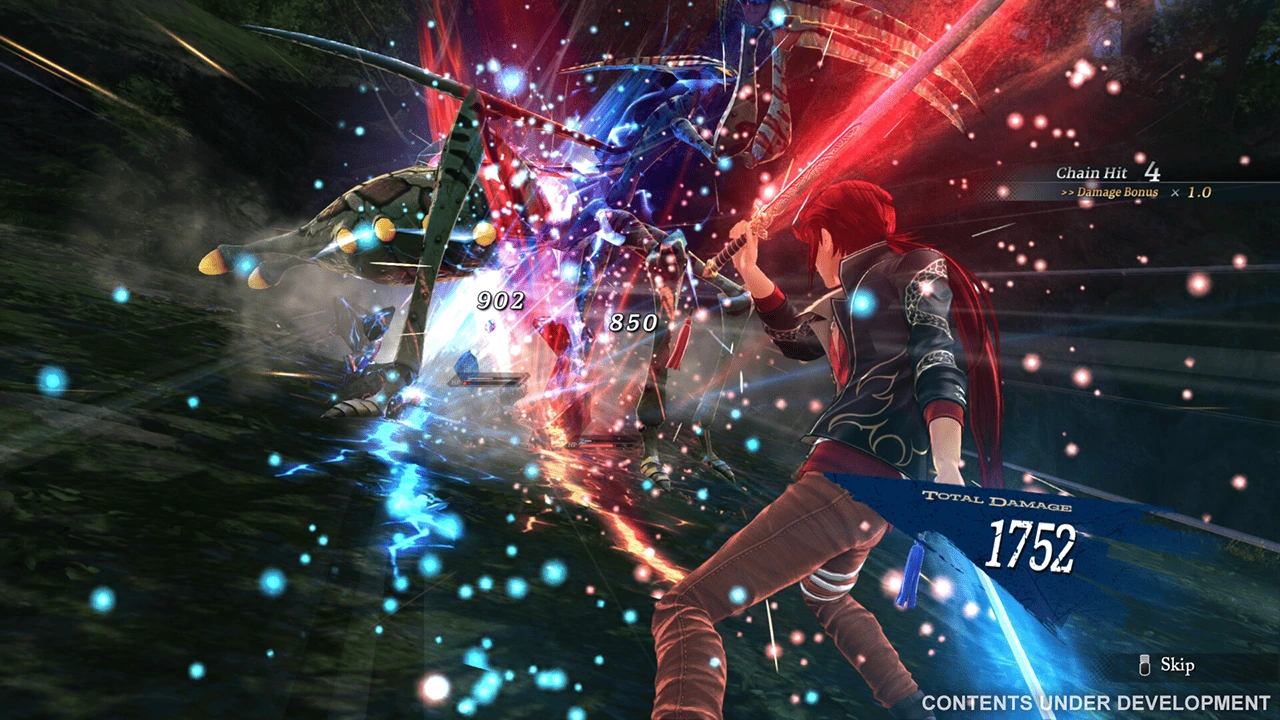
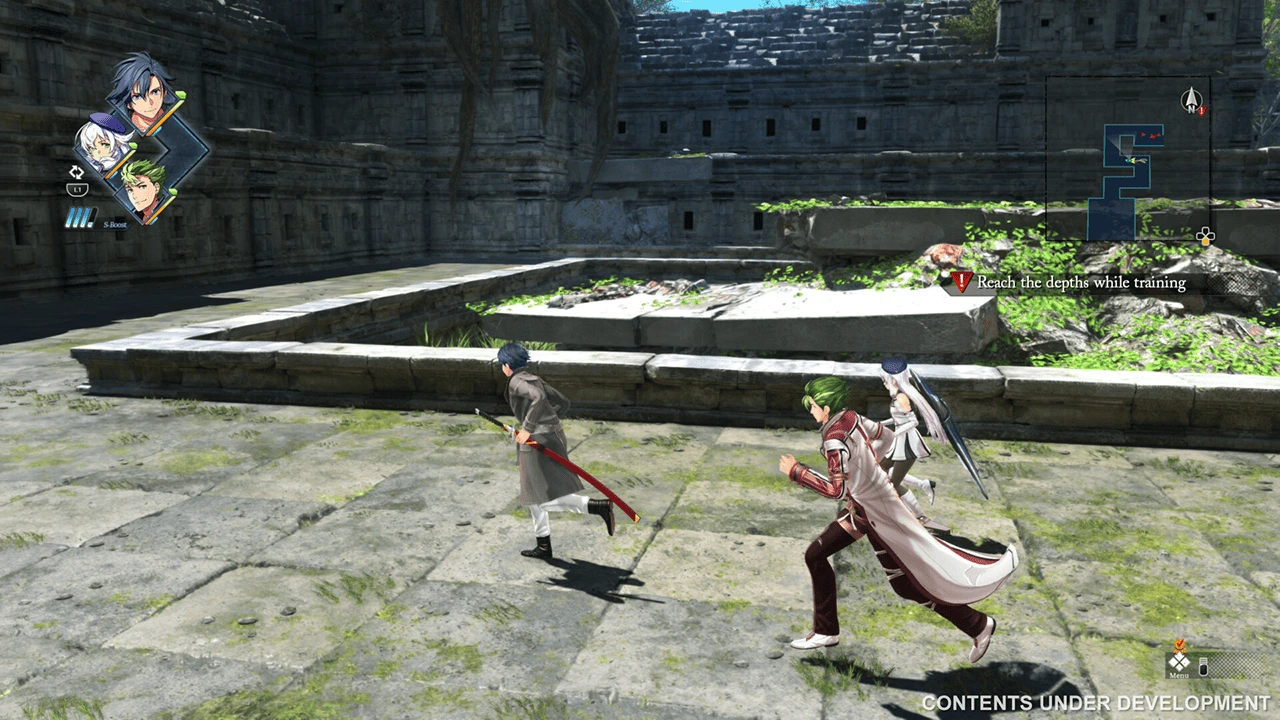
Combat operates on a timeline-based system where each character’s turn is determined by speed and positioning. Players must carefully plan their actions, considering turn order, enemy weaknesses, and environmental factors. One of the most notable improvements is the seamless integration between field combat and command-based battles. Players can initiate encounters in real-time, dealing preliminary damage before transitioning into the traditional turn-based system. This hybrid approach adds pacing variety and gives players more control over engagements.
Character abilities are governed by the Orbment system, a hallmark of the Trails series. In this installment, the system has been further refined, allowing for more customization and experimentation. Players can equip quartz to unlock arts (magic spells) and passive bonuses, tailoring each character to specific roles such as support, offense, or defense. The flexibility of this system encourages players to experiment with different builds, creating a highly personalized gameplay experience.
The game features a large and diverse cast of characters, each with unique abilities, combat styles, and narrative significance. Returning characters from previous arcs join new protagonists, creating a dynamic party system that evolves throughout the story. Each character brings distinct skills to combat, including powerful S-Crafts, combination attacks, and specialized techniques that can turn the tide of battle.
Missions in Trails Beyond the Horizon are structured around both main story objectives and a wide array of side quests. The main missions drive the narrative forward, often involving political conflicts, investigations, and large-scale operations. Side quests, on the other hand, provide additional context, character development, and rewards. These optional missions are far from filler—they often feature their own mini-stories, moral choices, and unique gameplay scenarios.
Exploration plays a significant role in the overall experience. The world is composed of interconnected regions, cities, and dungeons, each filled with secrets, collectibles, and optional challenges. Players can interact with NPCs, discover hidden items, and uncover lore that enriches the game’s universe. The level of detail in these environments is remarkable, with NPC dialogue often changing based on story progression.
A standout feature in this installment is the enhanced bonding system. Players can spend time with party members, strengthening relationships and unlocking special events. These interactions not only deepen character development but also provide gameplay benefits, such as improved combat synergy and unique abilities.
Another major addition is the strategic command system, which allows players to issue tactical commands during battles. This includes repositioning characters, setting up defensive formations, and coordinating attacks. Combined with the improved AI behavior of enemies, this system adds a new layer of complexity to combat.
The game also introduces large-scale encounters and boss battles that require careful preparation and execution. These battles often feature multiple phases, environmental hazards, and unique mechanics, ensuring that players remain engaged and challenged.
Overall, the gameplay of Trails Beyond the Horizon is a masterclass in JRPG design, offering depth, variety, and a level of polish that reflects years of refinement.
Story Narrative
The narrative of Trails Beyond the Horizon continues the overarching story of Zemuria, focusing on the shifting balance of power and the consequences of past events. Players follow a group of protagonists as they navigate a complex web of political intrigue, hidden conspiracies, and emerging threats.
The story is deeply character-driven, with each party member contributing to the unfolding narrative. Themes of trust, sacrifice, and the pursuit of truth are explored throughout, creating an emotionally engaging experience.
As the story progresses, players uncover connections between different regions and factions, revealing a larger conflict that threatens the stability of the entire continent. The narrative builds toward a climactic conclusion, tying together multiple story arcs while leaving room for future developments.
Graphics and Sound Effects Improvements
Visually, Trails Beyond the Horizon represents a significant step forward for the series. The game features improved character models, detailed environments, and enhanced lighting effects that bring the world to life. Animations are smoother and more expressive, adding depth to both gameplay and cutscenes.
The sound design is equally impressive, with a dynamic soundtrack that adapts to different situations. From intense battle themes to emotional character moments, the music enhances the overall experience. Voice acting has also been expanded, providing more immersive storytelling and character interactions.
Verdict
The Good
- Deep and highly strategic combat system with extensive customization
- Rich, character-driven narrative with strong emotional impact
- Large and diverse cast with meaningful interactions
- An expansive world filled with detailed environments and side content
- High replayability with multiple systems and difficulty options
The Bad
- Complex systems may be overwhelming for newcomers
- Slow pacing in certain story segments
- Heavy reliance on prior knowledge of the series
Release Date and Platforms
The Legend of Heroes: Trails Beyond the Horizon was released in 2025, initially launching in Japan before making its way to international markets. The game is available on multiple platforms, including PlayStation 4, PlayStation 5, and PC, ensuring accessibility for a wide audience.
Genre
The game belongs to the Japanese role-playing game (JRPG) genre, combining elements of turn-based strategy, narrative-driven gameplay, and character progression. It also incorporates aspects of adventure and simulation, creating a well-rounded experience that appeals to a broad range of players.
Developer and Publisher
The Legend of Heroes: Trails Beyond the Horizon was developed by Nihon Falcom, a studio renowned for its dedication to storytelling and gameplay innovation. The game was published internationally by NIS America, which has played a key role in bringing the Trails series to a global audience. Together, these companies have ensured that the game maintains the high standards expected of the franchise.
Legend of Heroes: Trails Beyond the Horizon System Requirements
Minimum
- Requires a 64-bit processor and operating system
- OS: Windows 10/11
- Processor: AMD Ryzen 5 1600
- Memory: 8 GB RAM
- Graphics: NVIDIA GeForce GTX 1050
- DirectX: Version 11
- Storage: 26 GB available space
Recommended
- Requires a 64-bit processor and operating system
- OS: Windows 10/11
- Processor: Intel Core i5-10400
- Memory: 16 GB RAM
- Graphics: NVIDIA GeForce GTX 1650
- DirectX: Version 11
- Storage: 26 GB available space