Blizzard Expands Sanctuary with a Darker, Deeper Adventure
Introduction
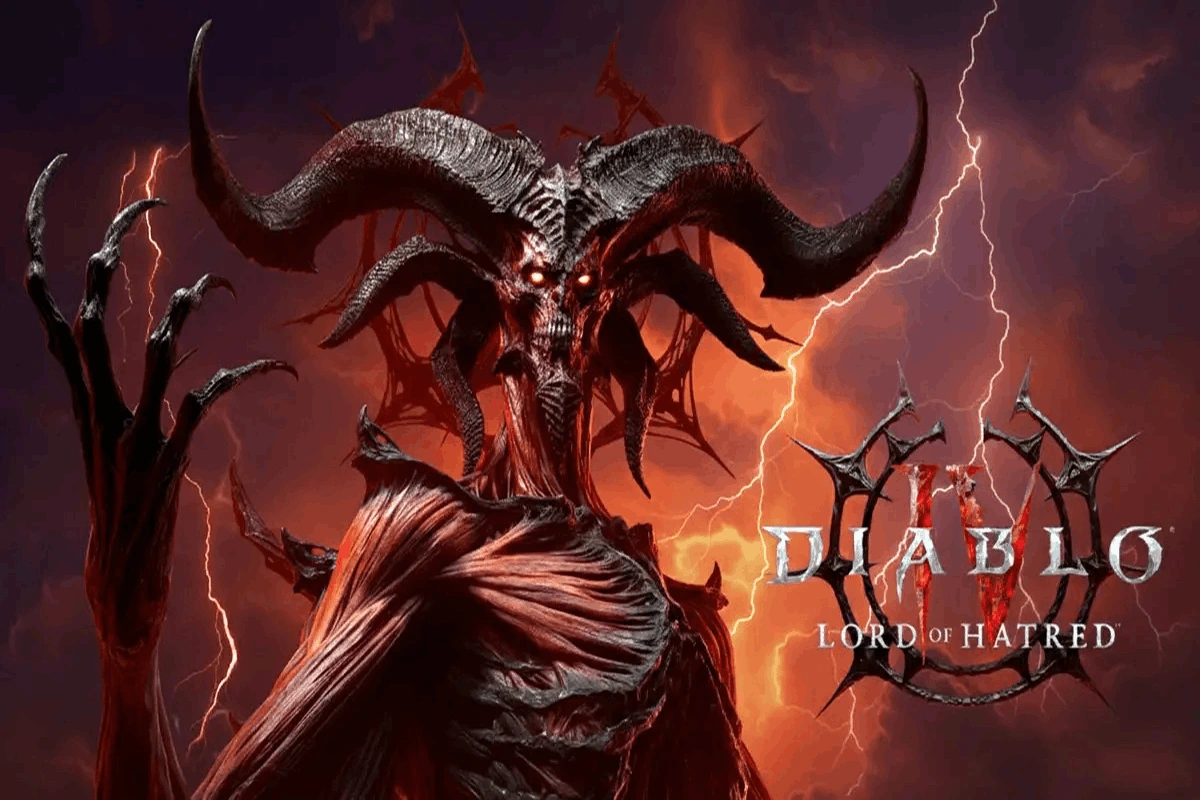
Since its launch in 2023, Diablo IV has continued to evolve through seasonal content, gameplay refinements, and major updates that have significantly improved the overall experience. With the release of Diablo IV: Lord of Hatred, Blizzard Entertainment delivers the game’s second major expansion, introducing a compelling new chapter centered on Mephisto’s growing influence over Sanctuary. Rather than simply adding another region and a handful of quests, Lord of Hatred expands nearly every aspect of the core experience with two new playable classes, a massive new continent, fresh endgame activities, expanded progression systems, and one of the franchise’s most ambitious story campaigns.
Set after the events of Vessel of Hatred, the expansion explores the lingering consequences of Mephisto’s corruption as darkness spreads beyond Nahantu into the mysterious Skovos Isles. Ancient civilizations crumble beneath the Lord of Hatred’s influence while long-forgotten cults rise once again, forcing the heroes of Sanctuary into another desperate battle against the Prime Evils. Blizzard has successfully maintained Diablo’s signature gothic atmosphere while introducing new environments, enemy factions, and gameplay mechanics that feel both fresh and faithful to the series’ identity.
From its opening cinematic to its climactic finale, Lord of Hatred delivers a darker, more emotionally charged adventure. While the expansion builds upon familiar Diablo systems, it also introduces meaningful improvements that enhance exploration, combat, and character progression, making it one of the most substantial additions the franchise has received in recent years.
Diablo 4: Lord of Hatred Gameplay
At its core, Diablo IV: Lord of Hatred preserves the fast-paced action RPG formula that has defined the series for decades while significantly expanding player freedom and endgame progression. Combat remains fluid, responsive, and immensely satisfying, with each encounter encouraging strategic positioning, resource management, and intelligent use of abilities. Whether clearing hordes of corrupted cultists, battling monstrous demons, or confronting colossal world bosses, every fight showcases Blizzard’s polished combat design.
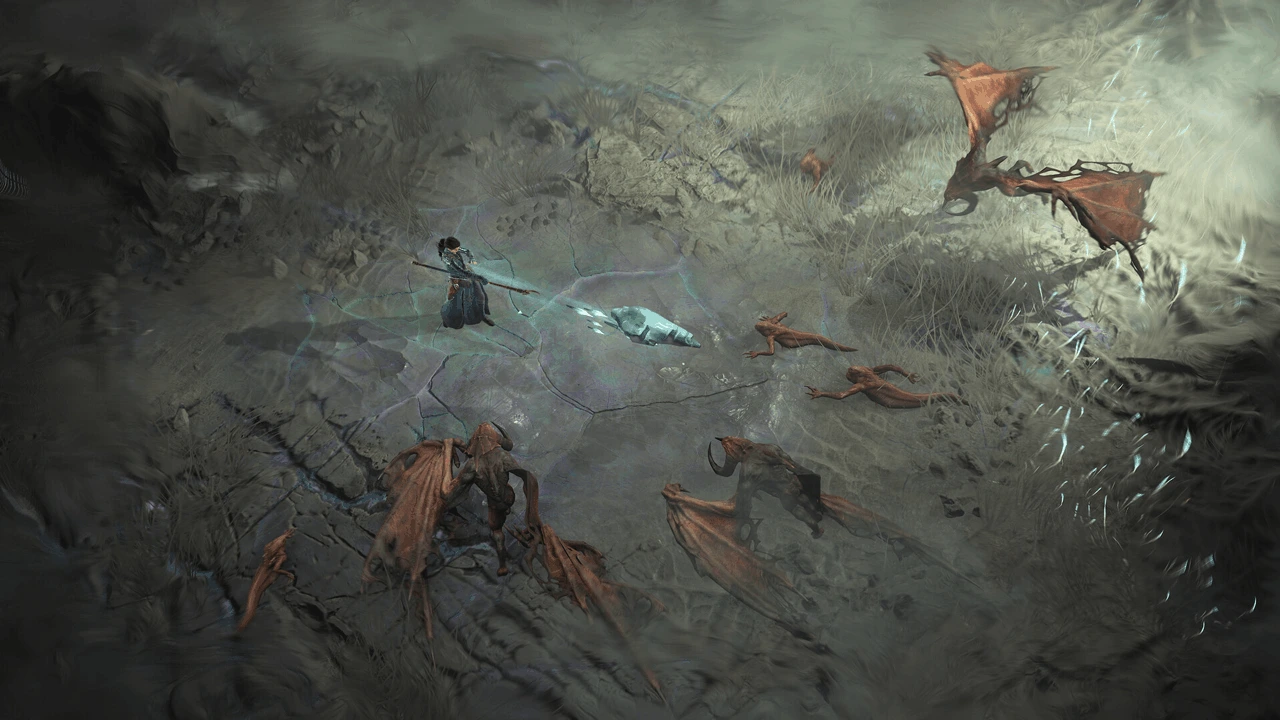
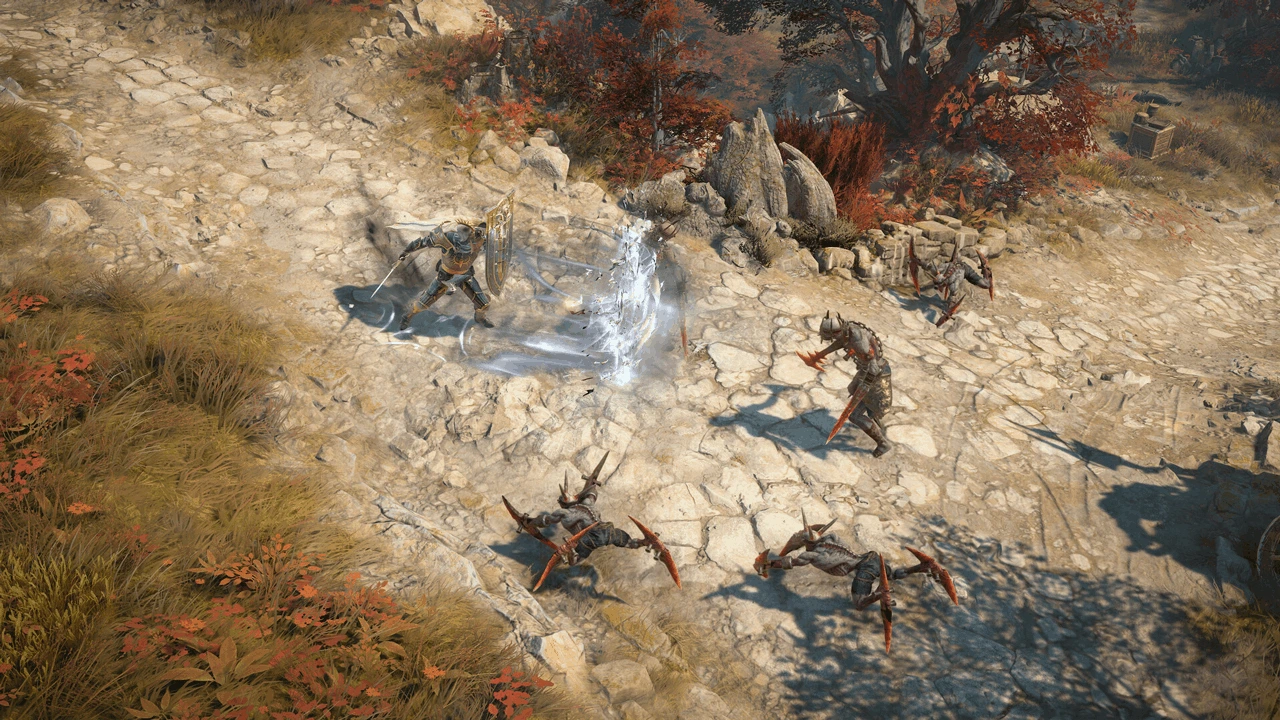
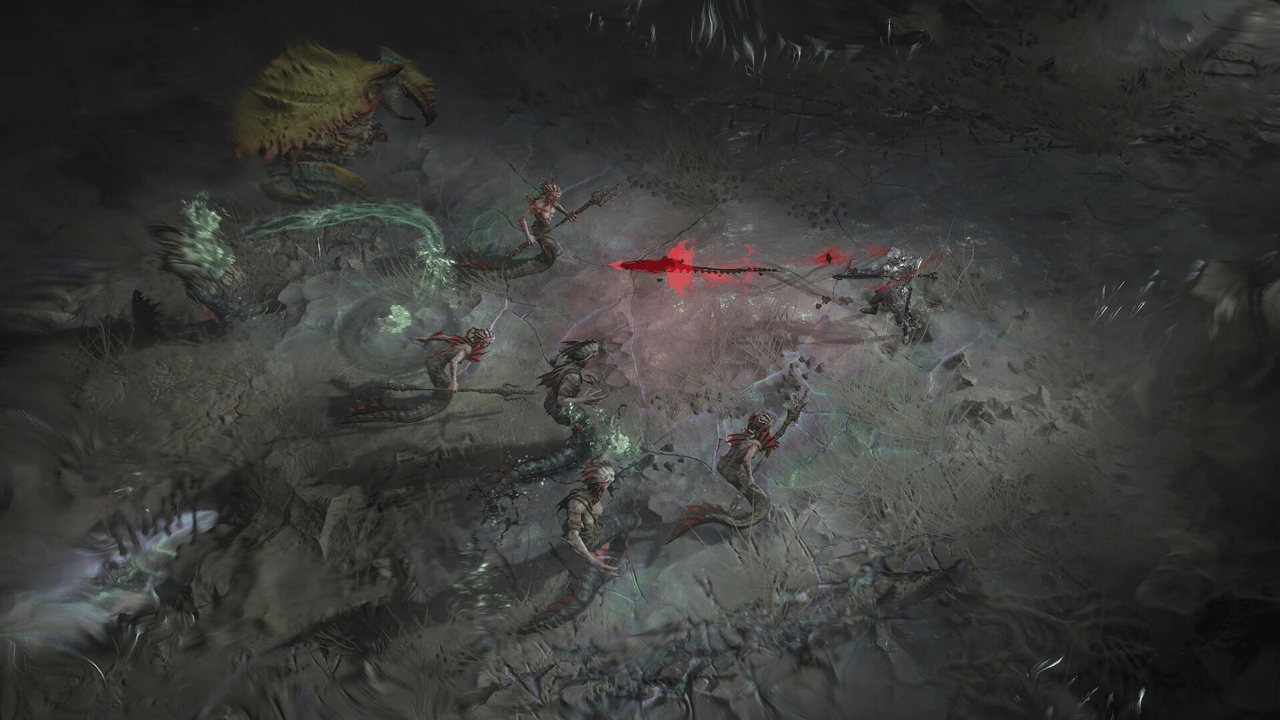
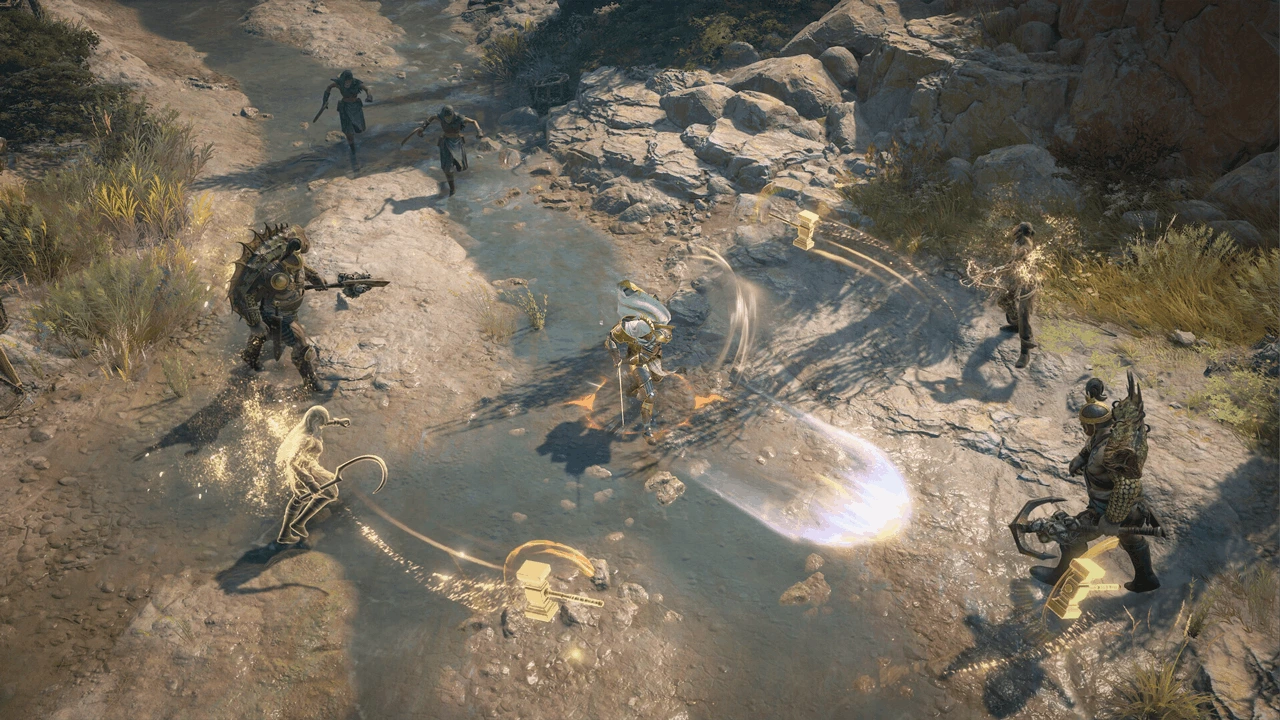
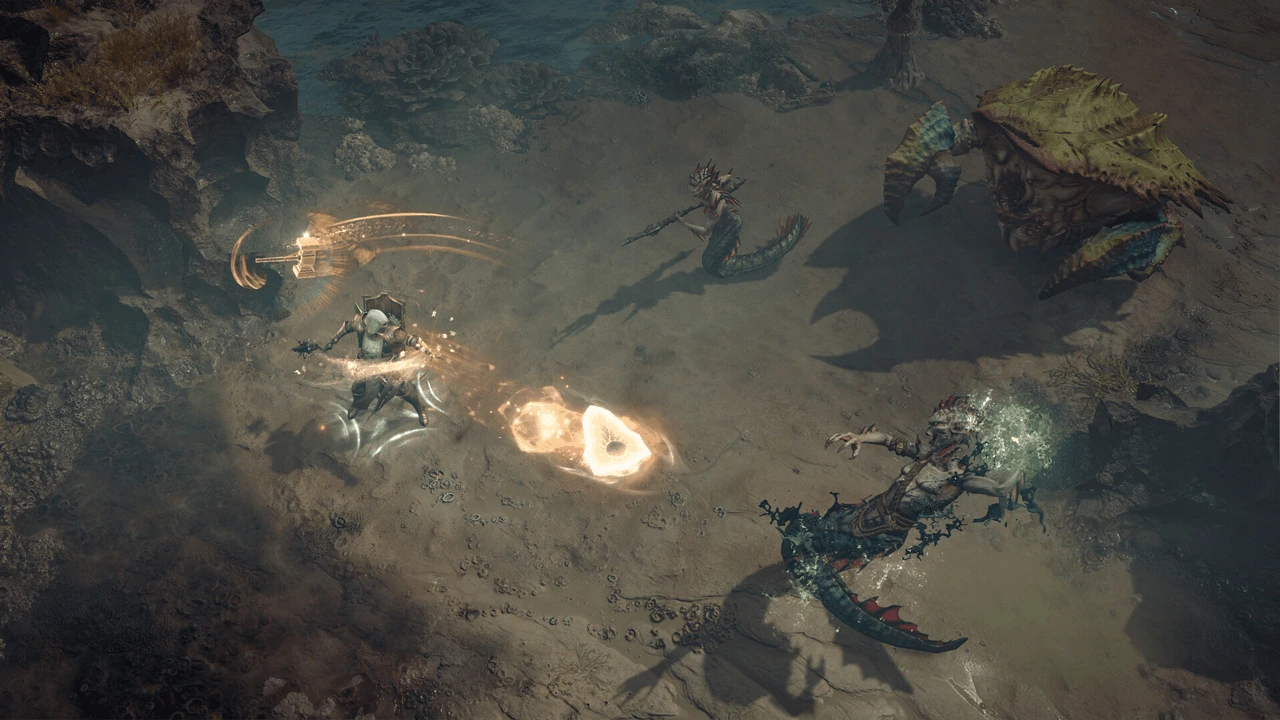
The expansion’s most significant addition is the introduction of two brand-new playable classes: the Paladin and the Warlock.
The Paladin returns as a heavily armored holy warrior capable of combining devastating melee attacks with divine magic. Equipped with shields, hammers, swords, and sacred abilities, the Paladin excels at protecting allies while delivering powerful area-of-effect damage. Defensive auras, healing blessings, holy strikes, and righteous judgment abilities make the class versatile enough for solo adventuring as well as cooperative multiplayer.
In contrast, the Warlock embraces forbidden magic by manipulating curses, blood rituals, summoned demons, and shadow-based abilities. Unlike the Necromancer, whose strength comes primarily from commanding the dead, the Warlock sacrifices health and corrupts enemies to unleash devastating magical attacks. Managing demonic power while balancing survivability creates an engaging risk-versus-reward playstyle that feels entirely unique within Diablo IV’s class roster.
Existing classes—including the Barbarian, Sorcerer, Rogue, Druid, Necromancer, and Spiritborn—also receive extensive balance updates, expanded skill trees, additional Legendary Aspects, and new Unique Items. Blizzard has refined numerous abilities based on community feedback, allowing previously underused builds to become viable options for high-level content.
The campaign unfolds across the haunting Skovos Isles, a vast archipelago consisting of cursed temples, abandoned monasteries, windswept cliffs, dense forests, ancient fortresses, volcanic caverns, and forgotten underground catacombs. Every region introduces distinct enemy types, environmental hazards, and hidden secrets waiting to be discovered. The world feels remarkably alive thanks to dynamic weather, seamless exploration, and countless optional activities scattered throughout the islands.
Mission design has become more varied than in previous expansions. Main story quests feature cinematic boss encounters, large-scale sieges, puzzle-based temples, escort missions, investigations into corrupted settlements, and challenging dungeons connected to Mephisto’s growing influence. Side quests remain equally rewarding, often presenting memorable self-contained stories involving cursed families, ancient relics, doomed adventurers, and desperate survivors struggling against overwhelming darkness.
Dungeon variety has also improved considerably. Procedural layouts now feature greater environmental diversity, unique objectives, interactive puzzles, elite enemy encounters, and multiple boss variations that keep repeated runs engaging. Several entirely new dungeon types introduce cooperative mechanics, branching paths, and optional challenges designed specifically for experienced players.
One of the expansion’s standout features is the introduction of Citadels of Hatred, large-scale endgame activities where players battle through heavily fortified demon strongholds filled with elite enemies, environmental traps, and powerful commanders before confronting devastating final bosses. These encounters reward high-level equipment, exclusive crafting materials, and rare cosmetic items while encouraging coordinated multiplayer teamwork.
Blizzard has further refined loot progression by introducing additional tiers of Legendary gear, new Mythic Unique Items, expanded crafting recipes, and enhanced item customization systems. Players can now further personalize their builds through advanced enchantment mechanics, rune combinations, and artifact enhancements that significantly increase build diversity.
World Events have become more dynamic as demonic invasions now occur across Sanctuary with greater frequency. Participating in these large-scale encounters rewards reputation, crafting resources, exclusive equipment, and seasonal progression while bringing dozens of players together in spectacular cooperative battles against enormous infernal commanders.
The expansion also expands cooperative gameplay with improved party management, shared progression for certain objectives, and additional multiplayer-focused activities. Whether exploring the campaign alone or battling alongside friends, the overall gameplay experience feels more polished, rewarding, and varied than ever before.
Story Narrative
The story of Diablo IV: Lord of Hatred begins shortly after the conclusion of Vessel of Hatred, where Sanctuary continues to suffer from the devastating consequences of Mephisto’s return. Although the Prime Evil’s immediate plans were disrupted, the corruption he unleashed has spread far beyond Nahantu, reaching the isolated Skovos Isles, a land once known for its sacred temples, powerful warrior orders, and ancient religious traditions. Entire settlements have fallen into despair as hatred consumes both ordinary citizens and seasoned warriors, turning former protectors into dangerous enemies.
Players once again assume the role of the Wanderer, whose reputation has grown throughout Sanctuary after countless battles against demons, cultists, and corrupted beings. However, the threat presented in Lord of Hatred proves to be unlike anything encountered before. Rather than relying solely on overwhelming demonic armies, Mephisto manipulates emotions, exploiting fear, anger, jealousy, and betrayal to weaken humanity from within. Entire kingdoms begin collapsing under internal conflict long before demonic forces even arrive.
Throughout the campaign, players encounter several new allies whose personal stories become deeply intertwined with the expansion’s central conflict. Members of the ancient Skovosi orders fight desperately to preserve their homeland, while scholars attempt to uncover forgotten knowledge capable of resisting Mephisto’s influence. Veteran Horadrim continue their search for forbidden artifacts, although years of failure and sacrifice have left many questioning whether Sanctuary can ever truly escape the Eternal Conflict.
The campaign introduces numerous memorable villains beyond Mephisto himself. Corrupted high priests, fanatical cult leaders, fallen champions, and terrifying demonic generals each serve distinct roles within the story rather than functioning as simple boss encounters. Their motivations are explored through cinematic cutscenes, environmental storytelling, journals, and optional conversations, giving the narrative greater emotional depth than previous expansions.
As players venture deeper into the Skovos Isles, they uncover forgotten temples hidden beneath volcanic mountains, abandoned monasteries swallowed by corruption, and underground cities built long before humanity understood the existence of the Prime Evils. Ancient prophecies reveal disturbing connections between Mephisto’s growing influence and events stretching back thousands of years, gradually exposing a conspiracy that threatens not only Sanctuary but the balance of Heaven and Hell themselves.
One of the campaign’s greatest strengths is its pacing. Rather than rushing players between major boss encounters, the narrative allows time for exploration, character development, and world-building. Side quests frequently expand the lore by introducing tragic personal stories involving families destroyed by corruption, warriors seeking redemption, and survivors struggling to maintain hope despite overwhelming darkness.
Without revealing major spoilers, the final chapters deliver several dramatic twists that reshape the future of Sanctuary while leaving intriguing possibilities for future expansions. Blizzard successfully balances epic large-scale battles with intimate character moments, creating a story that feels emotionally engaging while remaining faithful to Diablo’s dark fantasy atmosphere.
Graphics and Sound Effects
Visually, Lord of Hatred represents one of the most impressive achievements in the Diablo franchise. Building upon the already excellent foundation established by Diablo IV, Blizzard has introduced substantial improvements to environmental detail, lighting technology, weather systems, and character animations. Every region of the Skovos Isles possesses its own distinctive visual identity, ranging from mist-covered cliffs and rain-soaked forests to burning fortresses, ancient cathedrals, and corrupted temples overflowing with infernal energy.
Dynamic lighting significantly enhances the atmosphere throughout the campaign. Flickering torchlight casts realistic shadows across dungeon walls, lightning storms illuminate distant mountain peaks, and volcanic eruptions bathe entire landscapes in an ominous crimson glow. Combined with improved particle effects, these enhancements make spellcasting and combat feel more spectacular than ever before.
Character models also benefit from increased detail. Armor textures display remarkable craftsmanship, facial animations appear more expressive during cinematic sequences, and enemy designs showcase Blizzard’s exceptional creature artistry. From grotesque demonic abominations to towering infernal commanders, every monster feels unique and visually memorable.
Combat effects have been refined without sacrificing readability. Explosions, magical abilities, holy attacks, curses, poison clouds, and environmental destruction blend seamlessly into the battlefield while allowing players to clearly identify enemy attacks even during the most chaotic encounters.
Audio design remains equally outstanding. The soundtrack combines haunting orchestral compositions, solemn choir performances, and atmospheric ambient music that perfectly complement the expansion’s darker tone. Quiet exploration segments are filled with subtle environmental sounds such as distant whispers, creaking wooden structures, heavy rainfall, crashing waves, and unsettling supernatural echoes that constantly remind players of Mephisto’s growing influence.
Voice acting across the campaign is consistently excellent. Returning characters deliver emotionally convincing performances, while newly introduced allies and villains receive equally strong portrayals that help elevate the narrative. Enemy sound effects, weapon impacts, spellcasting audio, and environmental ambience create a richly immersive experience that strengthens every aspect of gameplay.
Verdict
Diablo IV: Lord of Hatred successfully builds upon the strong foundation established by the base game and its previous expansion while delivering meaningful improvements across nearly every aspect of the experience. The new campaign provides an engaging continuation of Sanctuary’s ongoing struggle against the Prime Evils, while the addition of the Paladin and Warlock dramatically expands build diversity and gameplay variety. Combined with a richly detailed new region, refined progression systems, challenging endgame activities, and exceptional audiovisual presentation, the expansion offers substantial value for both longtime Diablo veterans and newcomers seeking a modern action RPG.
Although certain balance adjustments and future seasonal refinements will undoubtedly continue following launch, Blizzard has once again demonstrated its ability to evolve the Diablo formula without abandoning the core principles that made the franchise legendary. The expansion successfully blends rewarding combat, atmospheric storytelling, meaningful exploration, and endless character progression into one cohesive package that remains compelling long after the credits roll.
For players searching for a dark fantasy adventure filled with satisfying loot, intense battles, memorable bosses, and nearly limitless replayability, Diablo IV: Lord of Hatred stands as one of the strongest action RPG expansions released in recent years and a worthy continuation of Sanctuary’s eternal conflict.
The Good
- Excellent new Paladin and Warlock classes with distinctive playstyles
- Engaging story that expands Diablo IV’s lore
- Beautifully designed Skovos Isles filled with memorable locations
- Refined combat mechanics and improved build diversity
- Outstanding graphics powered by atmospheric lighting and environmental detail
- Exceptional orchestral soundtrack and immersive sound design
- Deep endgame systems with rewarding long-term progression
- Strong replay value through seasonal content, Nightmare Dungeons, and Citadels of Hatred
The Bad
- Some endgame balancing may require additional post-launch updates
- Certain boss encounters can feel excessively demanding for solo players
- Randomized loot progression may still frustrate players seeking specific items
- The darker narrative occasionally slows the pacing between major story moments
Release Date and Platforms
Diablo IV: Lord of Hatred launched worldwide on April 28, 2026, following several months of public testing and developer feedback sessions. The expansion is available on PlayStation 5, PlayStation 4, Xbox Series X|S, Xbox One, and Windows PC via Steam and Battle.net. Players must own the base version of Diablo IV to access the expansion’s content.
Blizzard has ensured cross-platform play and cross-progression remain fully supported, allowing players to continue their adventures seamlessly across multiple devices while enjoying cooperative multiplayer regardless of platform.
Genre
Diablo IV: Lord of Hatred belongs to the action role-playing (Action RPG) genre while incorporating hack-and-slash combat, dungeon crawling, loot collection, cooperative multiplayer, live-service progression, and dark fantasy storytelling. The expansion successfully balances accessible gameplay with deep character customization, making it equally appealing to casual players and dedicated endgame enthusiasts seeking optimized builds and high-level challenges.
Developer and Publisher
Diablo IV: Lord of Hatred was developed and published by Blizzard Entertainment, a studio whose reputation for creating genre-defining RPGs remains unmatched. Drawing upon years of post-launch support and player feedback, Blizzard has refined nearly every gameplay system introduced in the base game. From improved itemization and combat balancing to more rewarding progression systems and expanded endgame content, the developer demonstrates a clear commitment to evolving Diablo IV into the definitive modern action RPG experience.
Diablo 4: Lord of Hatred System Requirements
Minimum
- Requires a 64-bit processor and operating system
- OS: 64-bit Windows® 10 version 1909 or newer
- Processor: Intel® Core™ i5-2500K or AMD™ FX-8350
- Memory: 8 GB RAM
- Graphics: NVIDIA® GeForce® GTX 660 or Intel® Arc™ A380 or AMD Radeon™ R9 280
- DirectX: Version 12
- Network: Broadband Internet connection
- Storage: 90 GB available space
Recommended
- Requires a 64-bit processor and operating system
- OS: 64-bit Windows® 10 version 1909 or newer
- Processor: Intel® Core™ i5-4670K or AMD Ryzen™ 1300X
- Memory: 16 GB RAM
- Graphics: NVIDIA® GeForce® GTX 970 or Intel® Arc™ A750 or AMD Radeon™ RX 470
- DirectX: Version 12
- Network: Broadband Internet connection
- Storage: 90 GB available space