Team Ninja Elevates the Samurai Soulslike Formula Once Again
Introduction
Since the release of the original Nioh, Team Ninja has established itself as one of the industry’s leading developers of challenging action RPGs. By combining fast-paced combat, deep character progression, Japanese mythology, and historical storytelling, the franchise carved out a unique identity within the Soulslike genre. Nioh 3 builds upon this successful formula while introducing larger environments, new combat mechanics, improved exploration, and greater player freedom than ever before.
Rather than simply refining previous systems, Team Ninja has expanded the scope of the series. The game introduces interconnected fields that bridge the gap between traditional mission-based progression and open-area exploration while preserving the intense difficulty and rewarding combat that define the franchise. Built for modern hardware, Nioh 3 also showcases significant technical improvements through enhanced visuals, smoother animations, and more immersive environmental design.
Everything revealed so far indicates that Nioh 3 aims to become the most ambitious entry in the series, delivering a satisfying evolution for returning players while remaining accessible to newcomers willing to embrace its demanding gameplay.
Nioh 3 Gameplay
The gameplay of Nioh 3 continues to revolve around precision-based melee combat, challenging enemy encounters, equipment management, and character progression. However, Team Ninja has introduced several major innovations that significantly expand the experience.
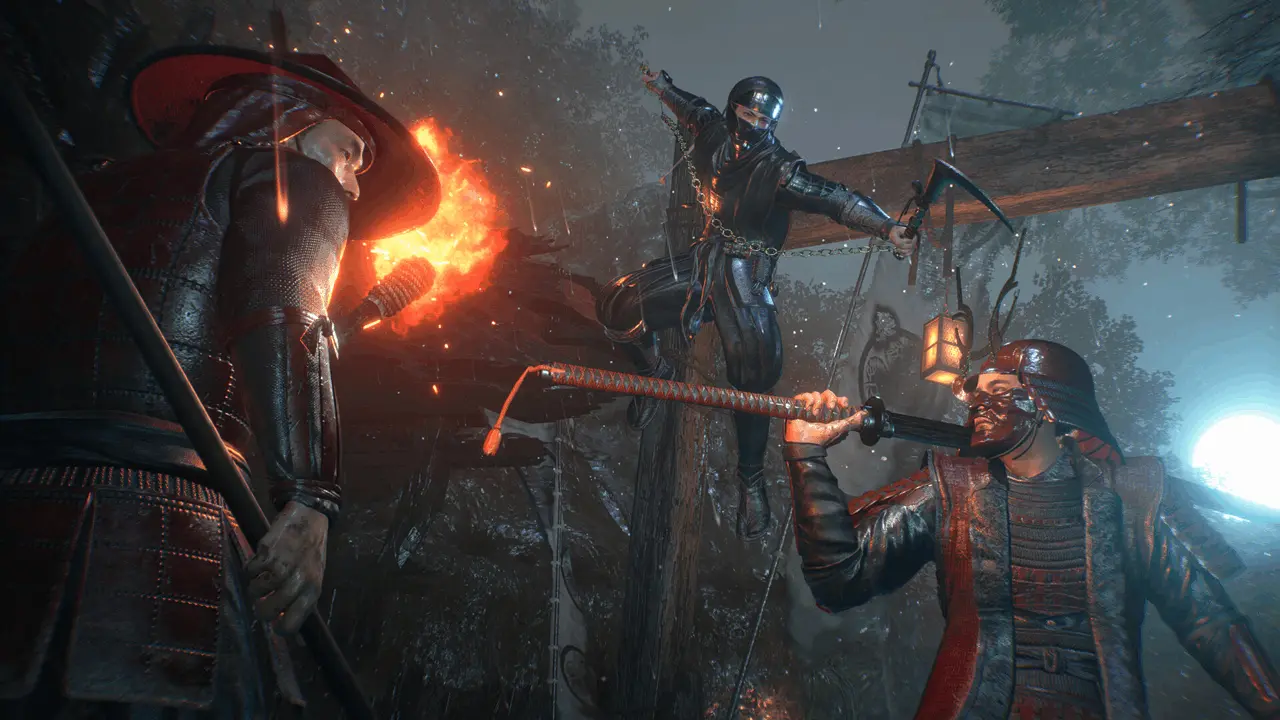
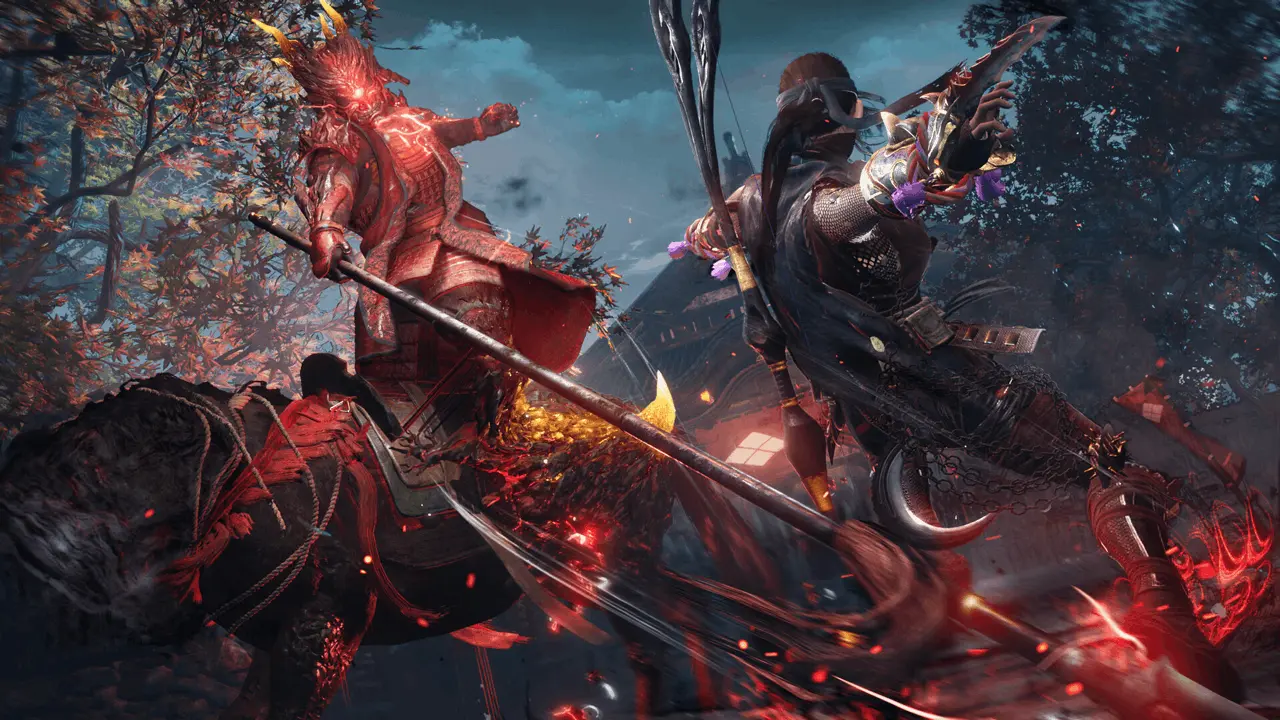
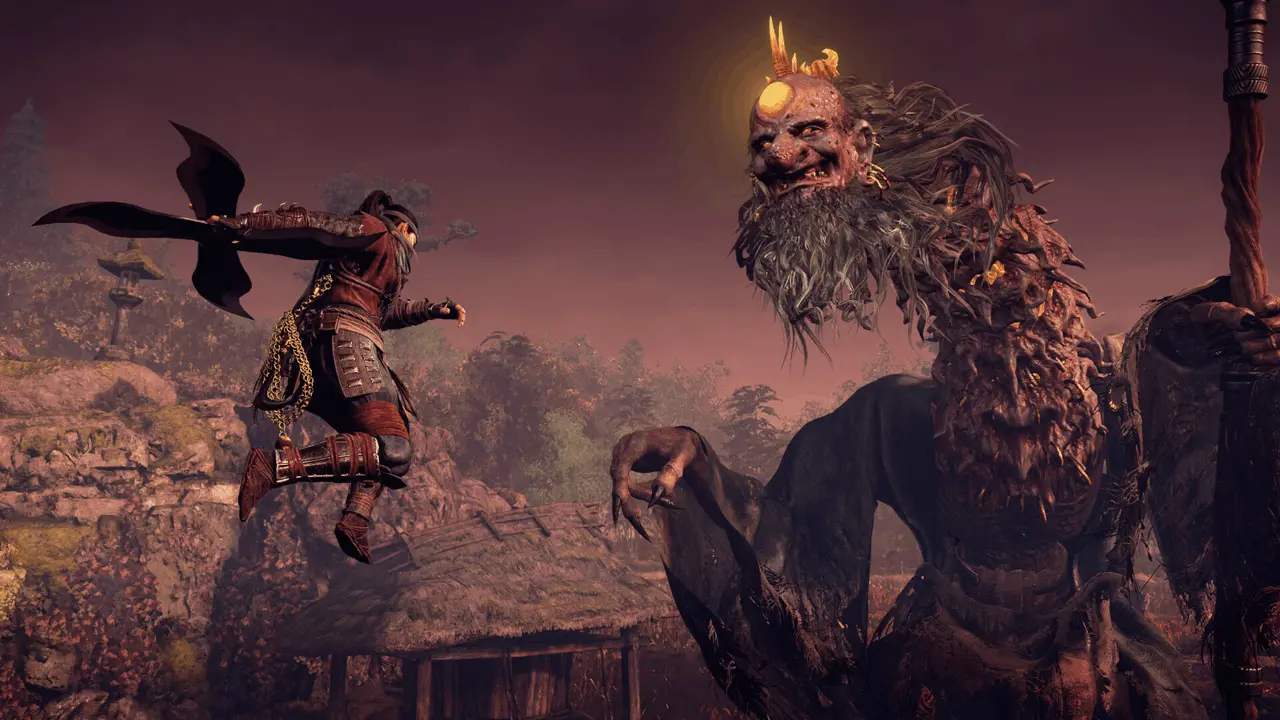
The most notable addition is the ability to switch seamlessly between Samurai Style and Ninja Style during combat. Samurai Style focuses on traditional weapon mastery, heavy attacks, defensive techniques, and powerful counters, closely resembling the combat systems of previous Nioh games. Ninja Style emphasizes speed, agility, acrobatic movement, aerial attacks, evasive maneuvers, and stealth-oriented techniques, allowing players to approach encounters with far greater flexibility.
Combat remains exceptionally deep. Returning weapon categories such as katanas, dual swords, spears, odachi, axes, tonfa, kusarigama, switchglaives, splitstaffs, and fists are joined by expanded move sets and additional combat abilities. Every weapon retains unique attack animations, stance variations, and skill trees that reward players who invest time mastering their preferred fighting style.
Ki management continues to play a central role. Proper timing of Ki Pulse, stance switching, dodging, blocking, and countering remains essential for survival. Team Ninja has refined these mechanics to make combat feel even smoother while introducing additional defensive options and offensive combinations.
Yokai abilities also return with significant enhancements. Players can collect and equip powerful Soul Cores obtained from defeated supernatural enemies, granting access to devastating Yokai transformations and unique combat techniques. These abilities complement traditional weapon attacks, encouraging players to experiment with diverse combat builds.
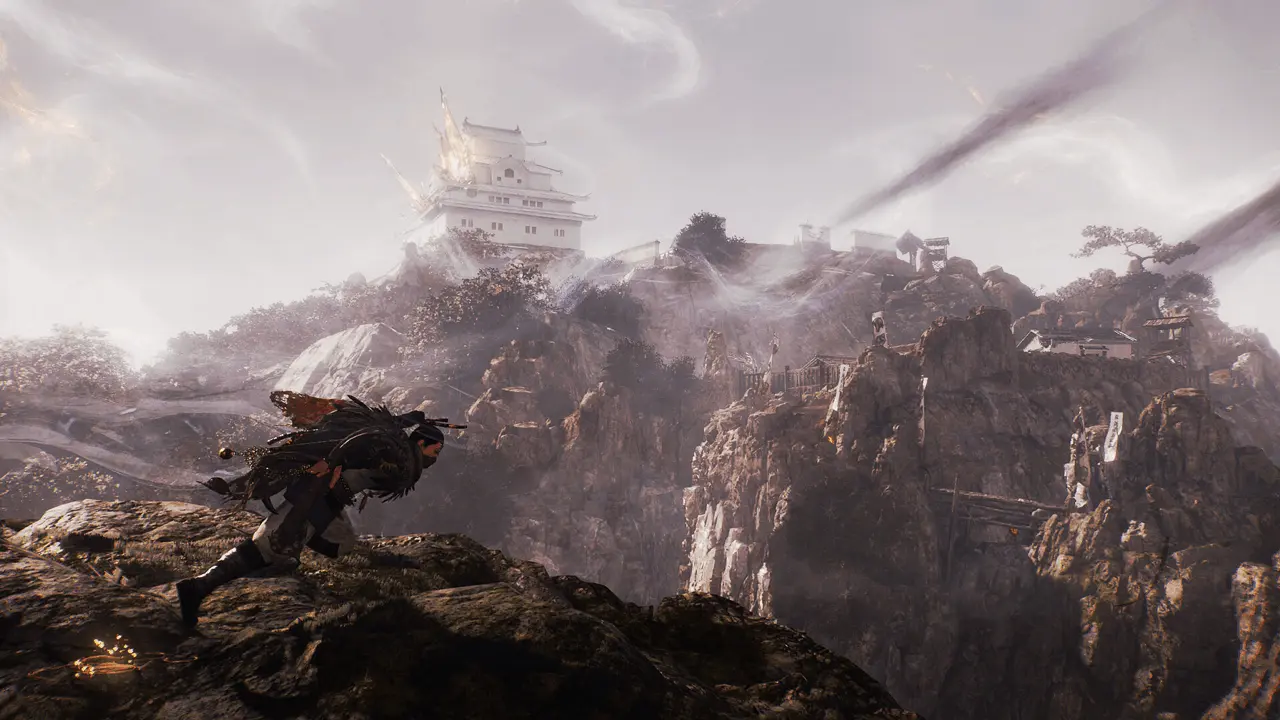
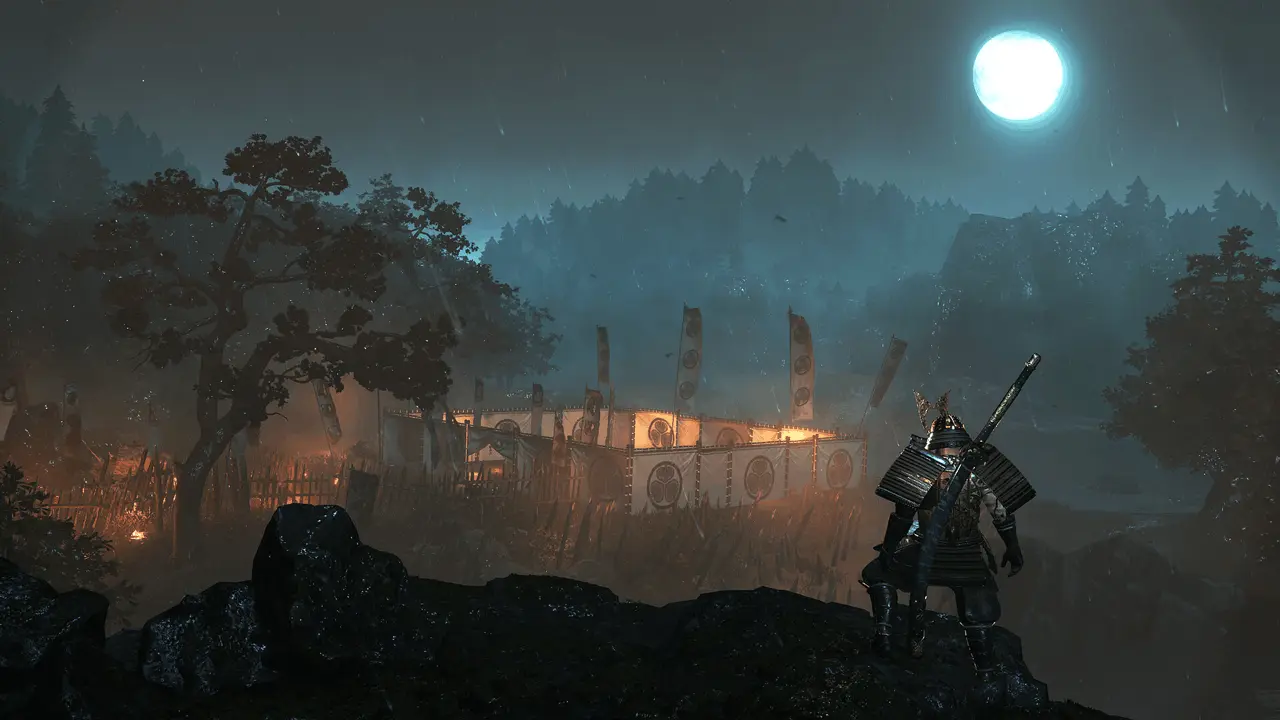
The mission structure has evolved beyond the isolated stages of earlier entries. Players now explore interconnected battlefields containing optional objectives, hidden shrines, secret caves, abandoned temples, villages, mountain paths, and fortified castles. While story progression remains structured, exploration plays a much greater role in uncovering powerful equipment, hidden bosses, and valuable resources.
Enemy variety appears substantially improved. Alongside familiar Yokai from Japanese folklore, players encounter entirely new supernatural creatures, corrupted samurai, powerful warlords, legendary demons, and massive guardian spirits. Boss battles continue to serve as the highlight of the experience, featuring multiple combat phases, unpredictable attack patterns, and visually spectacular abilities that demand patience and precision.
Character progression remains one of the franchise’s greatest strengths. Players develop their warrior through extensive skill trees, weapon proficiencies, magic disciplines, ninjutsu techniques, guardian spirits, equipment upgrades, and crafting systems. Countless combinations of armor sets, accessories, and abilities allow for extensive build customization, supporting aggressive, defensive, magic-focused, or hybrid playstyles.
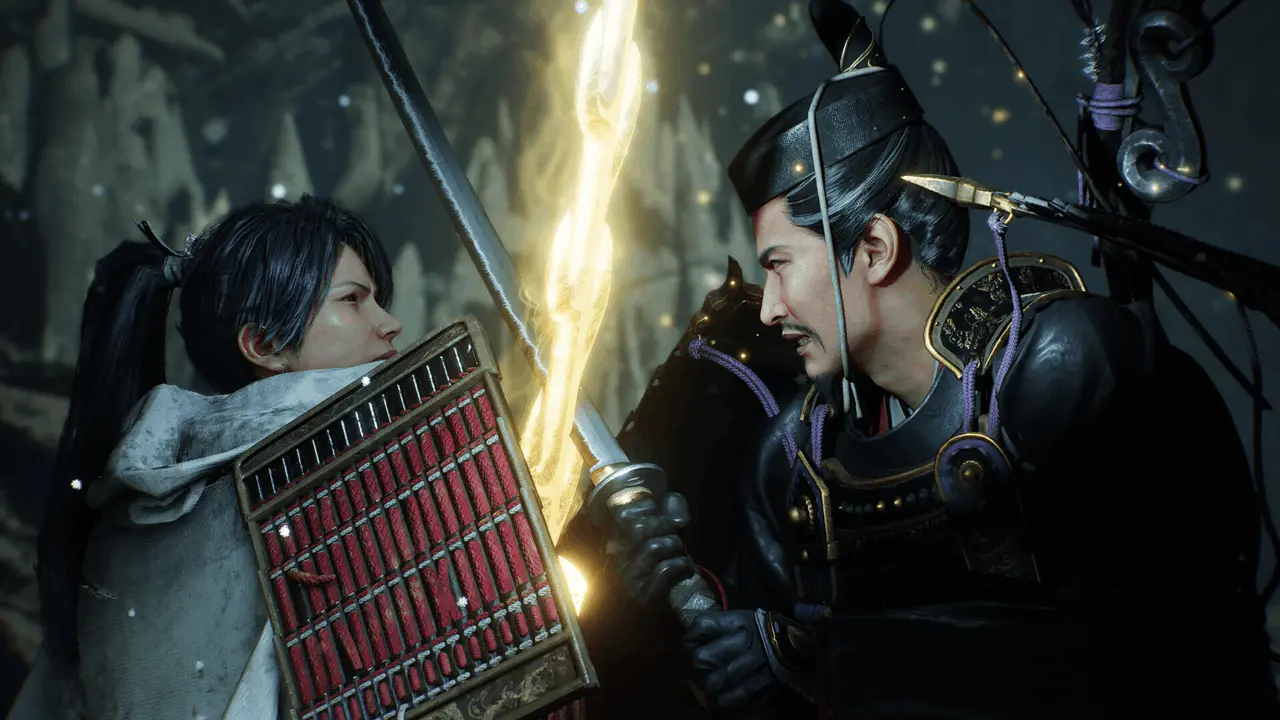
Although Team Ninja has not fully revealed the complete cast, players assume the role of a customizable protagonist while encountering historical figures, legendary samurai, rival warriors, spiritual guardians, and numerous Yokai inspired by Japanese mythology. Familiar factions from the Sengoku period once again influence the conflict, blending historical events with supernatural fantasy in the series’ signature style.
Story Narrative
Set during Japan’s turbulent Sengoku period, Nioh 3 once again blends real historical events with supernatural mythology. Players assume the role of a mysterious young warrior whose destiny becomes intertwined with the growing conflict between humanity and the Yokai realm.
As political tensions escalate between rival clans, ancient supernatural forces begin manipulating the outcome of history. Guided by powerful Guardian Spirits, the protagonist travels across war-torn provinces, abandoned castles, sacred shrines, and cursed battlefields while confronting legendary Yokai responsible for spreading chaos throughout the land.
Throughout the adventure, players encounter famous historical figures, influential samurai, ambitious warlords, and mysterious spiritual beings whose alliances constantly shift as the conflict intensifies. Themes of honor, sacrifice, destiny, and redemption remain central to the narrative, while the series continues its tradition of combining authentic Japanese history with imaginative folklore.
Rather than focusing solely on military conflict, the story also explores the emotional burden carried by warriors forced to confront both human ambition and supernatural corruption. This balance between historical drama and mythological fantasy gives Nioh 3 a distinctive identity among modern action RPGs.
Graphics and Sound Effects
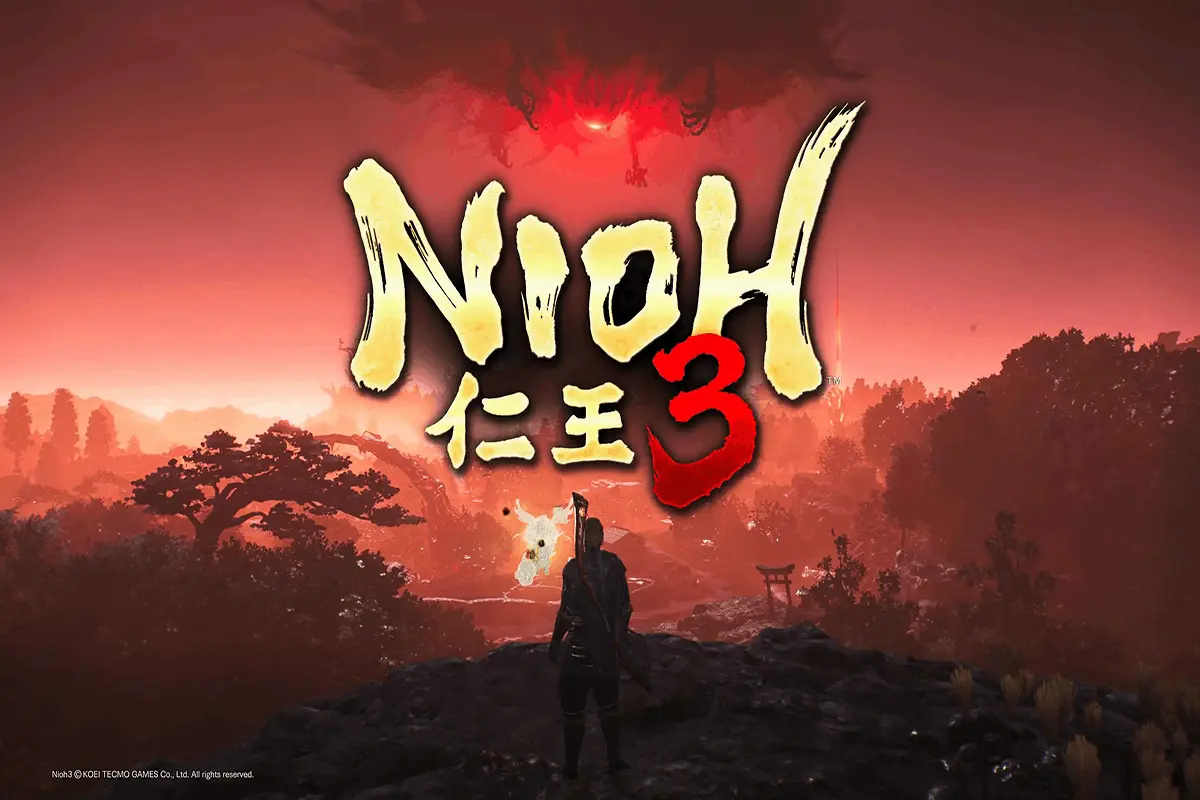
Powered by Team Ninja’s latest technology, Nioh 3 represents the most visually advanced installment in the franchise. Character models feature higher levels of detail, improved facial animations, realistic armor textures, and fluid combat animations that make every encounter feel dynamic and impactful.
Environmental design has also received substantial upgrades. Dense forests, mist-covered mountains, ancient temples, rivers, villages, and fortified castles are rendered with remarkable detail, enhanced by dynamic weather systems and realistic lighting effects. Volumetric fog, particle effects, and destructible environmental objects contribute to an immersive atmosphere that constantly reinforces the game’s dark fantasy setting.
Combat animations are noticeably smoother, with improved hit reactions, weapon effects, and magical abilities adding greater visual impact during battles. Boss encounters are particularly impressive, showcasing enormous Yokai whose intricate designs and spectacular attack animations highlight the technical capabilities of modern hardware.
The sound design remains equally impressive. Traditional Japanese instruments blend seamlessly with cinematic orchestral compositions, creating a soundtrack that enhances both exploration and combat. Environmental sounds, including wind through forests, distant temple bells, rushing rivers, and haunting supernatural whispers, reinforce the atmosphere throughout the journey. Voice acting appears authentic and emotionally engaging, while weapon impacts, magical abilities, and Yokai roars provide satisfying audio feedback during combat.
Verdict
Based on everything officially revealed so far, Nioh 3 has the potential to become the definitive evolution of Team Ninja’s acclaimed action RPG series. The introduction of dual combat styles, expanded exploration, improved visuals, and deeper customization demonstrates the developer’s commitment to meaningful innovation while preserving the demanding gameplay that longtime fans appreciate.
Although the final experience cannot be fully evaluated until release, the early gameplay demonstrations and hands-on impressions suggest that Nioh 3 is well positioned to stand alongside the finest modern Soulslike games. If Team Ninja successfully delivers on its ambitious vision, the game could become one of the standout action RPGs of the current console generation.
The Good
- Excellent dual Samurai and Ninja combat system
- Deep weapon customization and character progression
- Beautiful next-generation visuals and environmental design
- Challenging boss encounters with impressive enemy variety
- Expanded exploration beyond previous entries
- Outstanding atmospheric soundtrack and sound design
- High replay value through multiple builds and endgame content
The Bad
- Great difficulty may discourage newcomers
- Full story and supporting cast remain largely undisclosed
- Overall technical performance cannot be fully assessed before launch
- Final endgame content remains unknown until release
Release Date and Platforms
Nioh 3 is scheduled for release in early 2026, with an official launch planned for PlayStation 5 and Windows PC via Steam. Team Ninja has designed the game specifically for modern hardware, enabling faster loading times, improved physics, advanced lighting, and smoother performance throughout the experience.
Genre
Nioh 3 belongs primarily to the action RPG and Soulslike genres while incorporating elements of historical fantasy, hack-and-slash combat, exploration, and character progression. The game combines demanding enemy encounters with deep customization systems, rewarding players who master its complex combat mechanics and carefully manage resources during difficult battles.
Developer and Publisher
The game is developed by Team Ninja and published by Koei Tecmo. Over the years, Team Ninja has earned widespread recognition for creating technically demanding action games, including the Ninja Gaiden, Nioh, and Wo Long: Fallen Dynasty series. With Nioh 3, the studio continues refining its signature combat philosophy while embracing larger-scale world design and greater player freedom.
Nioh 3 System Requirements
Minimum
- Requires a 64-bit processor and operating system
- OS: Windows® 11
- Processor: Intel Core i5-10400, AMD Ryzen 5 2600 6 cores / 12 threads or higher
- Memory: 16 GB RAM
- Graphics: NVIDIA GeForce GTX 1060 VRAM 6GB, AMD Radeon RX 5600 XT (Rev. 2.0) VRAM 6GB
- DirectX: Version 12
- Network: Broadband Internet connection
- Storage: 125 GB available space
- Sound Card: 48000Hz 16bit Stereo
Recommended
- Requires a 64-bit processor and operating system
- OS: Windows® 11
- Processor: Intel Core i5-10600K, AMD Ryzen 5 5600X 6 cores / 12 threads or higher
- Memory: 16 GB RAM
- Graphics: NVIDIA GeForce RTX 3060 Ti VRAM 8GB, AMD Radeon RX 6700 XT VRAM 12GB
- DirectX: Version 12
- Network: Broadband Internet connection
- Storage: 125 GB available space
- Sound Card: 48000Hz 16bit Stereo