A Tense Survival Experience Built on Moral Choices
Introduction
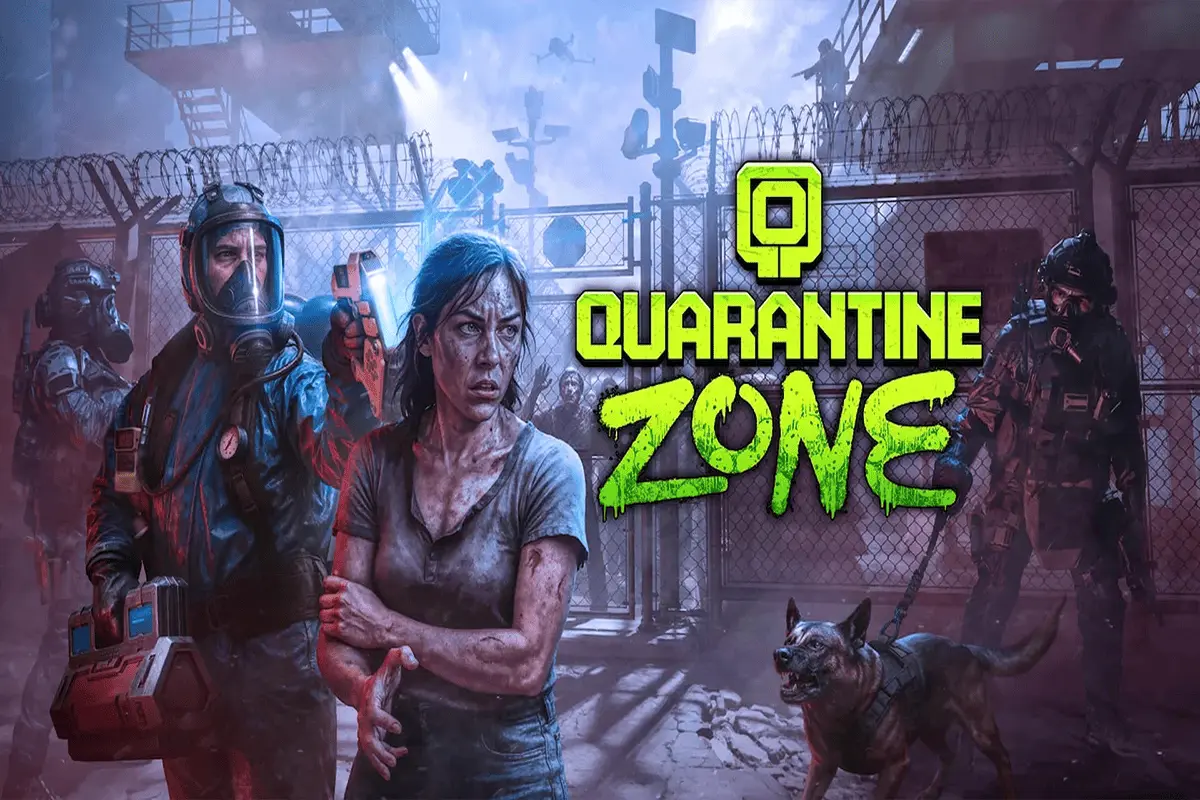
Quarantine Zone: The Last Check stands as one of the most thought-provoking and tension-driven survival simulation games to emerge in recent years. Set in a bleak, post-pandemic world where society hangs by a thread, the game places players in a position of immense responsibility: controlling the final checkpoint between safety and chaos. Rather than relying solely on combat or action-heavy mechanics, the game focuses on psychological pressure, decision-making, and moral dilemmas, offering an experience that feels both grounded and emotionally intense.
From the moment players step into the role of a quarantine officer, the tone is unmistakably heavy. Every decision matters, every interaction carries weight, and every mistake can have consequences that ripple far beyond the immediate moment. Drawing inspiration from narrative-driven management games, Quarantine Zone: The Last Check creates a gripping atmosphere that keeps players constantly engaged and often uncomfortable—in the best possible way.
Gameplay – Deep Systems, High-Stakes Decisions, and Expansive Mechanics
The gameplay of Quarantine Zone: The Last Check is far more complex than it initially appears. At its core, the game revolves around managing a quarantine checkpoint where survivors arrive seeking entry into a safe zone. However, beneath this simple premise lies a deeply layered system that blends simulation, strategy, and narrative-driven gameplay.
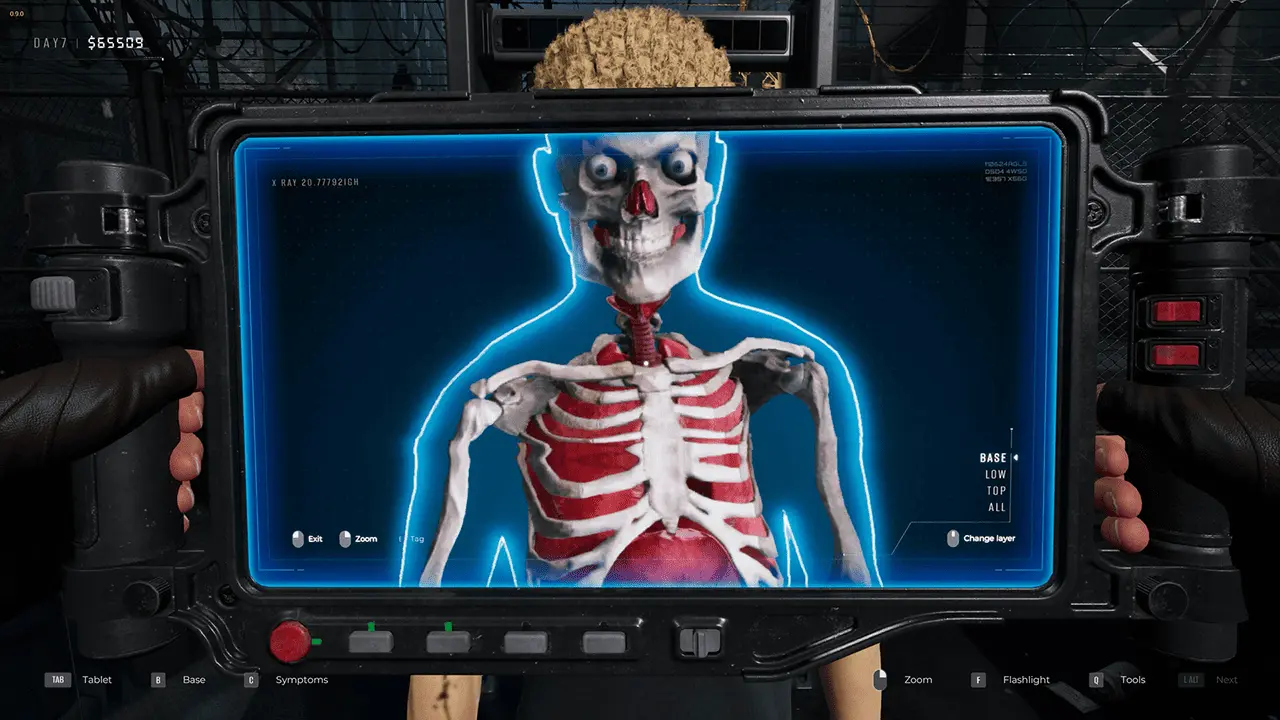
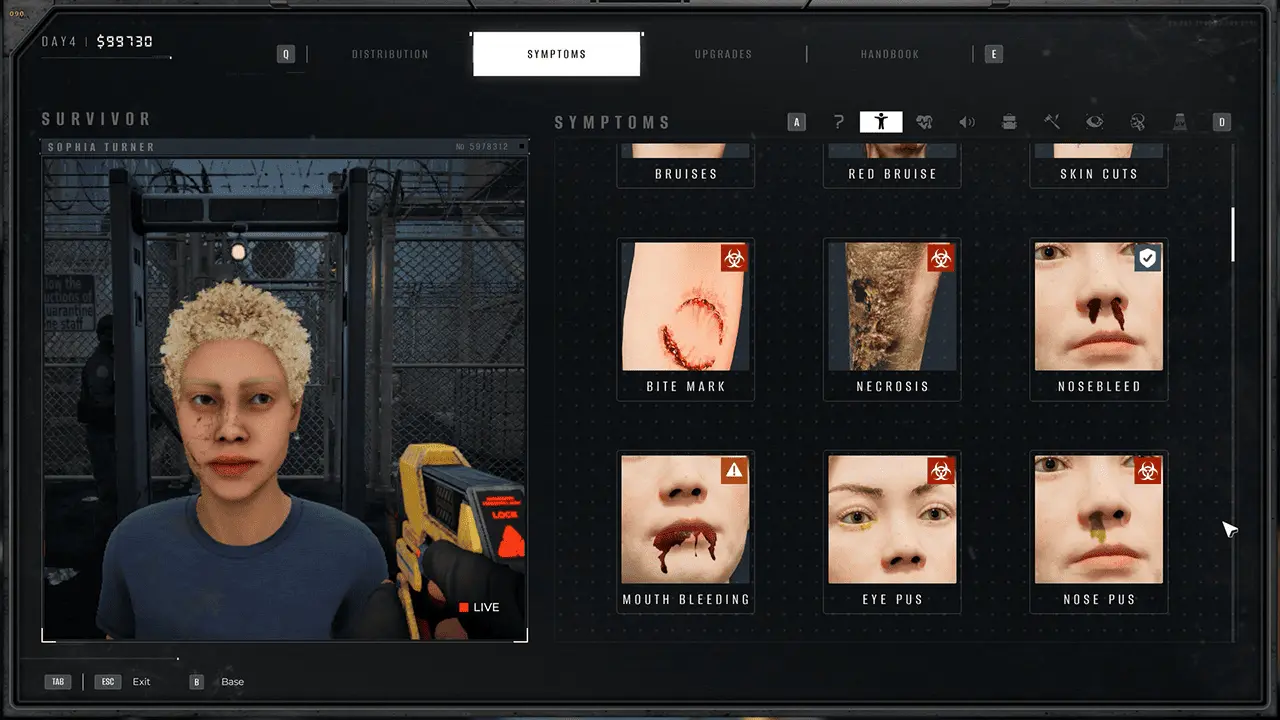
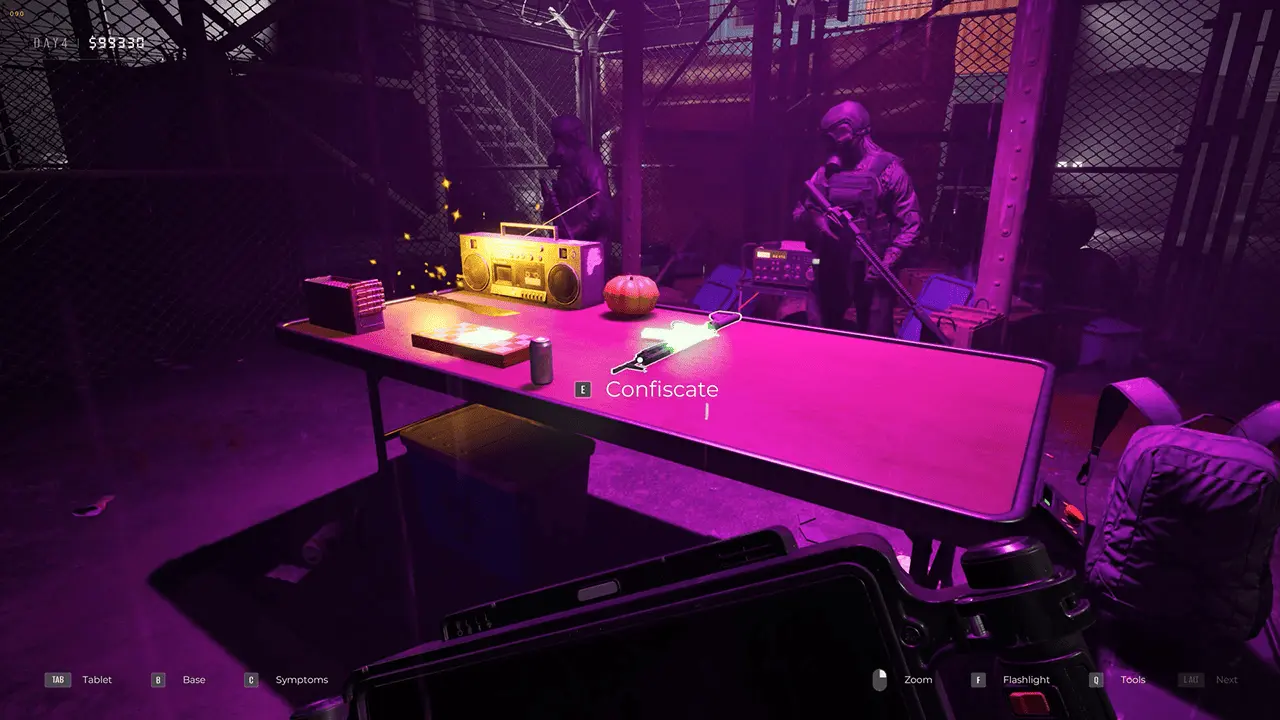
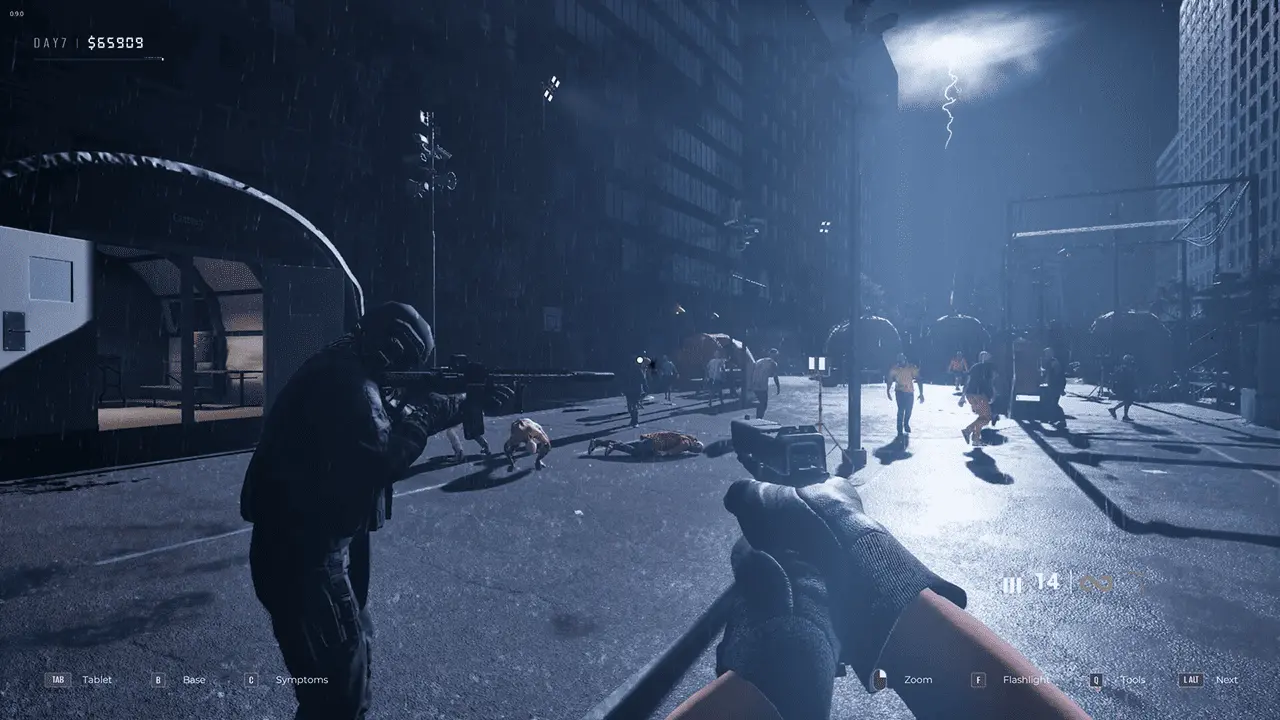
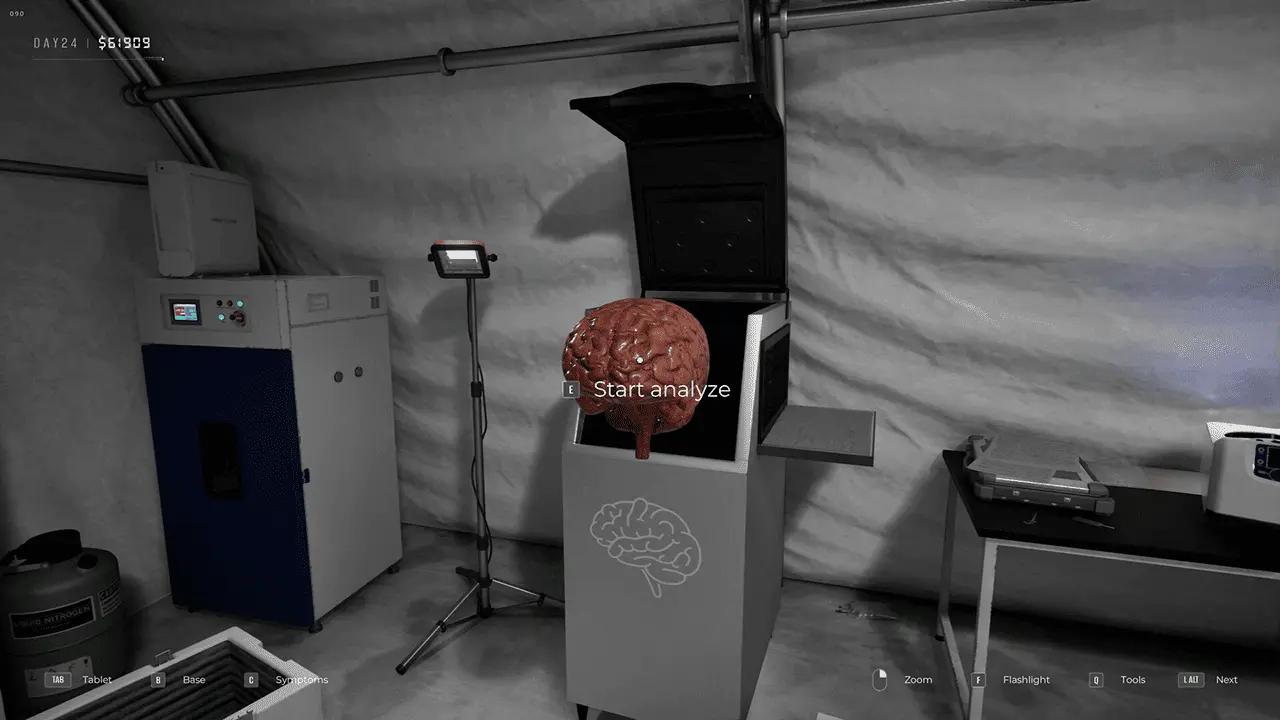
Players take on the role of a checkpoint officer responsible for screening incoming individuals. Each person who arrives carries a story, a risk, and a potential consequence. The primary objective is to prevent infected individuals from entering the safe zone while ensuring that innocent survivors are not wrongly turned away. This balancing act forms the backbone of the gameplay experience.
One of the most compelling aspects is the inspection system. Players must carefully examine documents, health indicators, and behavioral cues. This includes checking identification papers, medical records, temperature readings, and visible symptoms. However, the game goes beyond surface-level mechanics by introducing subtle inconsistencies and deceptive behaviors. Some individuals may forge documents, hide symptoms, or attempt to manipulate the player emotionally. This forces players to remain vigilant and attentive at all times.
The character interactions add another layer of depth. Each individual who approaches the checkpoint is procedurally generated but feels uniquely human due to detailed dialogue and emotional responses. Some characters plead for entry, others attempt bribery, while some remain suspiciously calm. Over time, players begin to recognize patterns, but the game constantly evolves to prevent predictability.
Missions within the game are structured around daily shifts at the checkpoint, but they expand into broader objectives as the story progresses. Early missions focus on basic inspection tasks, teaching players how to identify infection signs and verify documents. As the game advances, new mechanics are introduced, including advanced scanning tools, quarantine protocols, and emergency response situations.
Mid-game missions often involve crisis scenarios, such as sudden outbreaks, riots among waiting survivors, or government-imposed policy changes. These events force players to adapt quickly and make difficult decisions under pressure. For example, players may be required to process a large number of people in a limited time while maintaining accuracy, or decide whether to prioritize speed over safety during emergencies.
The game also features a resource management system. Players must manage supplies such as medical kits, testing equipment, and personnel support. Poor resource allocation can lead to catastrophic outcomes, including the spread of infection or the collapse of checkpoint operations.
Another standout feature is the moral decision-making system. The game frequently presents players with ethical dilemmas that have no clear right or wrong answer. For instance, allowing a potentially infected individual to pass through might save their life but risk the safety of the entire zone. Conversely, denying entry to someone who appears healthy could condemn them to certain death outside the quarantine.
Supporting characters also play a significant role in gameplay progression. These include fellow officers, medical staff, and government officials who provide guidance, updates, and sometimes conflicting instructions. Their interactions shape the player’s experience and influence the direction of the story.
The antagonist in the game is not a single character but rather the looming threat of the infection itself, combined with political pressure and societal breakdown. However, certain recurring characters introduce tension and suspicion, keeping players constantly on edge.
What truly elevates the gameplay is its dynamic nature. No two playthroughs feel the same due to randomized events, branching outcomes, and evolving challenges. The game continuously tests the player’s judgment, attention to detail, and emotional resilience.
Story Narrative
The story of Quarantine Zone: The Last Check is set in a world devastated by a rapidly spreading infection. Governments have collapsed, cities have been abandoned, and the remaining survivors are desperate for safety. The quarantine zone represents one of the last refuges, and the checkpoint serves as its final line of defense.
Players assume the role of a newly assigned officer tasked with maintaining order and preventing the spread of the disease. As the narrative unfolds, players uncover layers of political intrigue, hidden agendas, and the true nature of the outbreak.
The story is not delivered through traditional cutscenes alone but is woven into gameplay through interactions, documents, and environmental storytelling. Each decision the player makes influences the direction of the narrative, leading to multiple possible endings.
A central theme of the story is the cost of survival. The game challenges players to consider how far they are willing to go to protect others and what sacrifices they are prepared to make. This emotional depth sets it apart from many other titles in the genre.
Graphics and Sound Effects Improvements
Visually, Quarantine Zone: The Last Check adopts a gritty and realistic art style that perfectly complements its setting. The environments are detailed and immersive, capturing the bleak atmosphere of a world in crisis. Character models are expressive, allowing players to pick up on subtle emotional cues during interactions.
Recent updates have improved lighting effects, environmental details, and overall performance. These enhancements contribute to a more immersive experience, particularly during night shifts and high-tension scenarios.
The sound design is equally impressive. Ambient sounds, such as distant sirens, murmuring crowds, and radio chatter, create a constant sense of unease. The soundtrack is minimal but effective, using subtle tones to heighten tension rather than overpower the experience.
Voice acting adds another layer of realism, with characters delivering convincing performances that enhance emotional engagement. The combination of sound and visuals creates an atmosphere that is both immersive and unsettling.
Verdict
The Good
- Deep and immersive gameplay with meaningful decision-making
- Highly detailed inspection and simulation mechanics
- Strong narrative with multiple branching outcomes
- Atmospheric graphics and sound design
- High replayability with dynamic events
The Bad
- Steep learning curve for new players
- Repetitive tasks in the early stages
- Occasional pacing issues during longer sessions
Release Date and Platforms
Quarantine Zone: The Last Check was released in early 2026, quickly gaining traction among fans of simulation and narrative-driven games. The title launched on PC as its primary platform, with optimized versions later made available for PlayStation and Xbox consoles. Its accessibility across platforms has contributed to its growing popularity.
Genre
The game falls under the simulation and survival genre, with strong elements of strategy and narrative-driven gameplay. While it shares similarities with checkpoint management games, it distinguishes itself through its intense focus on moral decision-making and psychological tension. The combination of simulation mechanics with story-rich elements creates a hybrid experience that appeals to a wide range of players.
Developer and Publisher
Quarantine Zone: The Last Check was developed and published by an independent studio known for its focus on experimental and narrative-heavy games. The developers have demonstrated a strong commitment to delivering immersive experiences, and this title reflects their dedication to innovation within the genre. Their attention to detail and willingness to tackle complex themes have earned them recognition within the indie gaming community.
Quarantine Zone: The Last Check System Requirements
Minimum
- OS: Windows 10 x64 Bit
- Processor: Intel Core i7-5820K / AMD FX-8370
- Memory: 8 GB RAM
- Graphics: GeForce GeForce GTX 980 / Radeon RX 470 / Arc A380
- DirectX: Version 12
- Storage: 12 GB available space
- Additional Notes: Low Quality setting, in 1080p, producing 30+ FPS
Recommended
- OS: Windows 11 x64 Bit
- Processor: Intel Core i7-10700 / AMD Ryzen 5 5600X
- Memory: 16 GB RAM
- Graphics: GeForce RTX 2080 / Radeon RX 5700
- DirectX: Version 12
- Storage: 12 GB available space
- Additional Notes: High Quality setting, in 1080p, producing 60 FPS