A Brutal Samurai Adventure Returns After Two Decades
Introduction
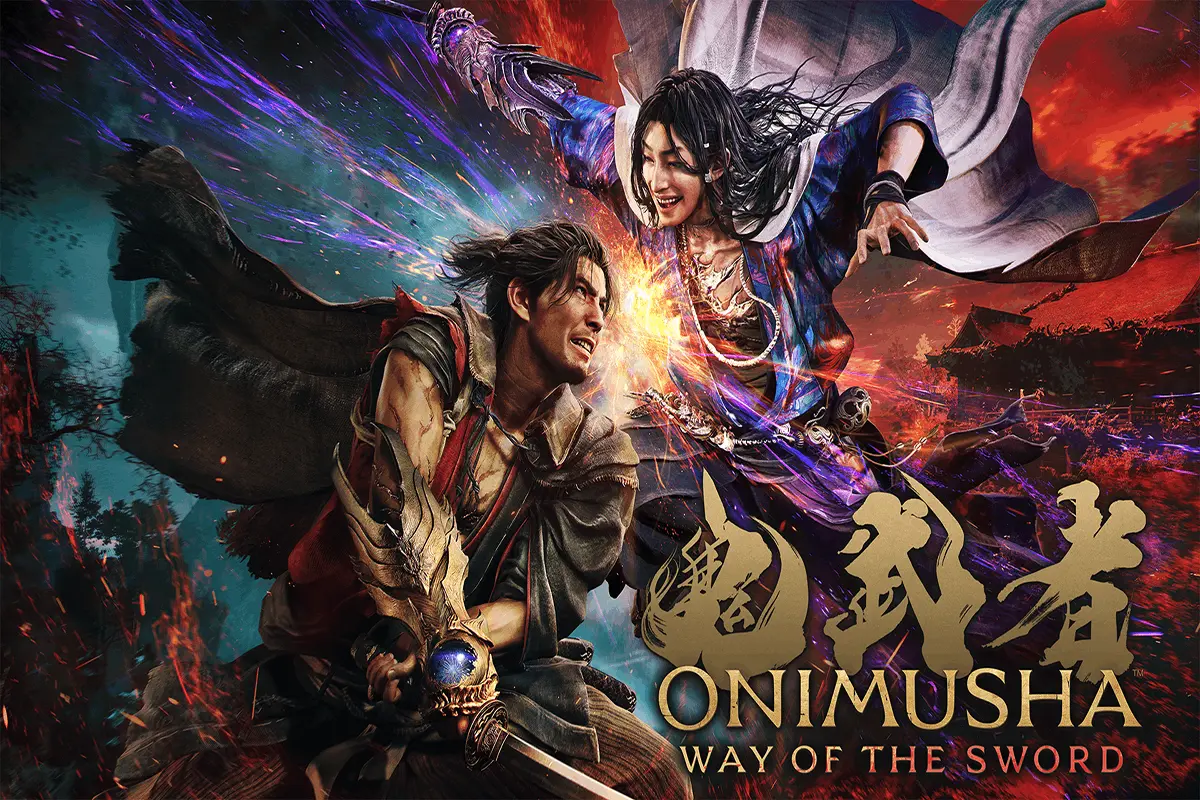
Onimusha: Way of the Sword marks the long-awaited return of one of Capcom’s most distinctive action franchises. After nearly two decades without a new mainline entry, the series returns with a completely new adventure that combines historical Japan, supernatural horror, spectacular swordplay, and dark fantasy. Set in early Edo-period Kyoto, the game places players in the role of the legendary swordsman Miyamoto Musashi, who finds himself caught in a conflict involving the demonic Genma and a mysterious Oni Gauntlet bound to his arm.
The premise immediately establishes the strange mixture that has always defined Onimusha. Kyoto is recognizable as a historical Japanese capital, but the city has been transformed by Malice, a supernatural corruption that spreads across its streets, shrines, forests, and temples. Genma creatures emerge from rifts, ordinary people become trapped in bizarre situations, and Musashi must use both his human swordsmanship and supernatural Oni abilities to survive.
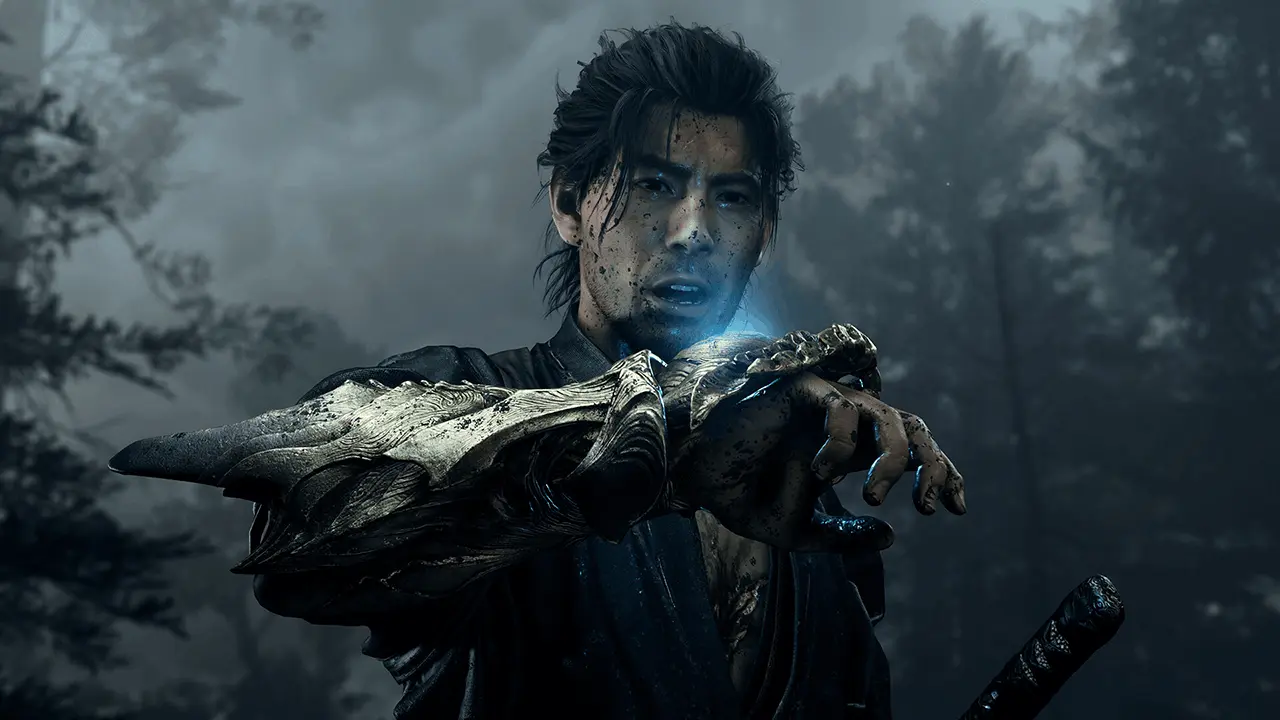
Capcom has also given Musashi an especially memorable visual identity. His appearance is based on legendary Japanese actor Toshiro Mifune, continuing the franchise’s tradition of using famous actors as visual references for its protagonists. The developers have gone beyond simply copying Mifune’s face, incorporating recognizable expressions and mannerisms into Musashi’s performance.
What makes Way of the Sword particularly exciting is that Capcom is not simply attempting to reproduce the PlayStation 2-era formula with modern graphics. The developers have rebuilt the combat around modern action-game expectations while retaining the franchise’s trademark Issen technique, soul absorption, supernatural weapons, and cinematic executions. Early hands-on coverage suggests that the result is a deliberate but highly responsive sword-fighting system that rewards timing and defensive skill rather than button-mashing.
Onimusha: Way of the Sword Gameplay
At the center of Onimusha: Way of the Sword is Miyamoto Musashi’s katana. Unlike conventional hack-and-slash games that encourage players to attack continuously, the combat here revolves around reading enemy movements, blocking, parrying, dodging, and choosing the right moment to counterattack. Enemies possess health and stagger gauges, allowing Musashi to gradually weaken their defenses before delivering devastating finishing strikes.
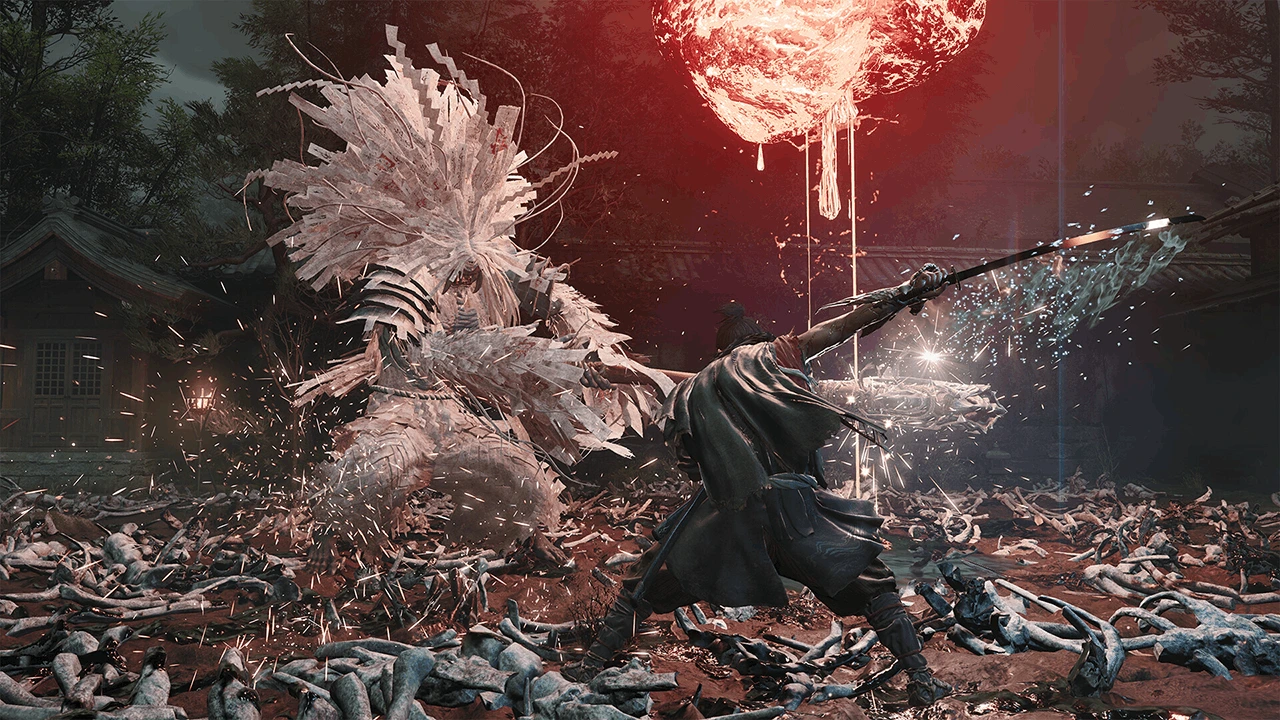
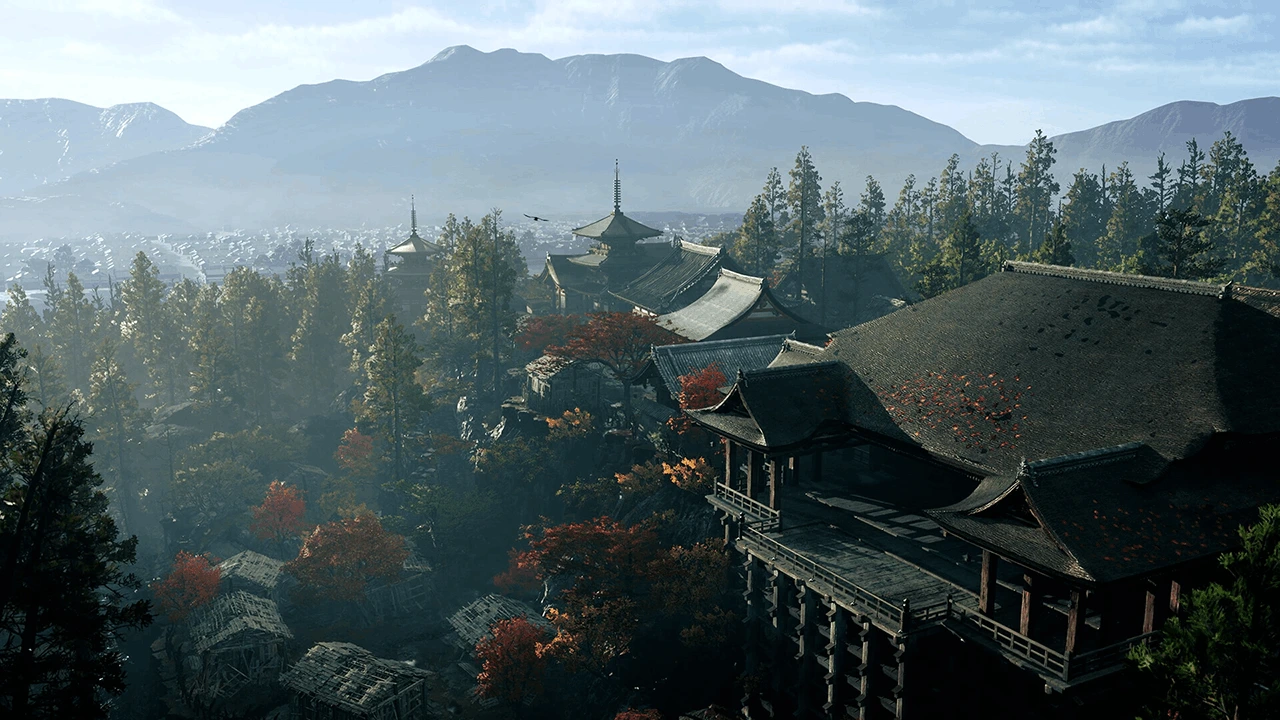
The signature Issen mechanic is perhaps the most important part of the combat system. Players must strike at the precise moment an enemy attacks, creating an extremely narrow timing window. When performed successfully, Issen can instantly kill many smaller enemies or inflict enormous damage on stronger opponents. Capcom has redesigned the presentation of Issen so that the technique feels more grounded and readable than in previous games while preserving its demanding timing.
Parrying is equally important. A successful parry can disrupt an opponent’s attack, damage its defensive meter, and create an opening for Musashi to retaliate. The system becomes particularly valuable against larger enemies and bosses, where simply attacking repeatedly is often ineffective. Several preview sessions found that the most satisfying encounters occurred when players stopped trying to overpower enemies and instead learned their attack patterns.
Musashi’s Oni Gauntlet adds another layer to the combat. The mystical artifact allows him to absorb the souls left behind by defeated Genma. These souls can restore health and power special weapons, while other resources can be used to strengthen Musashi and unlock new abilities. This creates an interesting relationship between combat and progression because defeating enemies is not simply about survival; their souls become an important part of Musashi’s development.
The Oni Gauntlet also provides Musashi with special Oni Armaments. These weapons are designed to handle particular combat situations, including crowd control and powerful enemies. One demonstrated weapon, the Wind-Whipper, uses a double-sided naginata to create a whirlwind capable of repeatedly striking nearby enemies and interrupting stronger opponents. An Oni Bow also becomes available during the Oni Refuge section, expanding Musashi’s options beyond close-range sword combat.
Musashi can also make use of his Oni Vision, which reveals hidden information and helps him navigate certain areas. Environmental interaction plays a larger role than simply opening doors and collecting objects. Players can use objects in the environment for protection or offense, with demonstrations showing Musashi using tables, carts, and wooden structures to interfere with enemy attacks. These moments give the environments a greater gameplay purpose.
The game is not a Soulslike despite the presence of challenging bosses and precision-based defensive combat. Director Satoru Nihei has specifically described it as a character-action game. There is no Souls-style system in which players lose accumulated resources after dying and then have to recover them. Likewise, Way of the Sword is not a fully open-world game. Instead, Capcom has created a mixture of linear stages and a larger open-town section of Kyoto containing optional paths, secrets, side activities, and additional encounters.
The mission structure reflects this approach. Early sections are more focused and linear, while later areas allow greater exploration. One important mission demonstrated in previews is “Careful What You Wish For,” which takes Musashi to Yasui Konpiragu Shrine. The shrine has become corrupted by Malice, and its inhabitants are receiving horrifying interpretations of their wishes. Musashi and Shizuka must investigate the area and recover the missing members of the Eight Stout Pillars before confronting the Genma responsible.
Another major section takes place in the Oni Refuge, a surreal dimension where floating islands, strange ruins, and distorted gravity create a dramatic contrast with historical Kyoto. Here Musashi encounters more powerful Genma and gains access to additional abilities. The game then returns to Kyoto, where Musashi can use newly acquired powers to break through barriers and access previously unreachable areas.
The game also features optional encounters. While exploring Kyoto, Musashi can encounter villagers being attacked by Genma. Players can choose to intervene and rescue them, potentially receiving useful items in return. These encounters can also be missed, giving the open-town section a little more unpredictability.
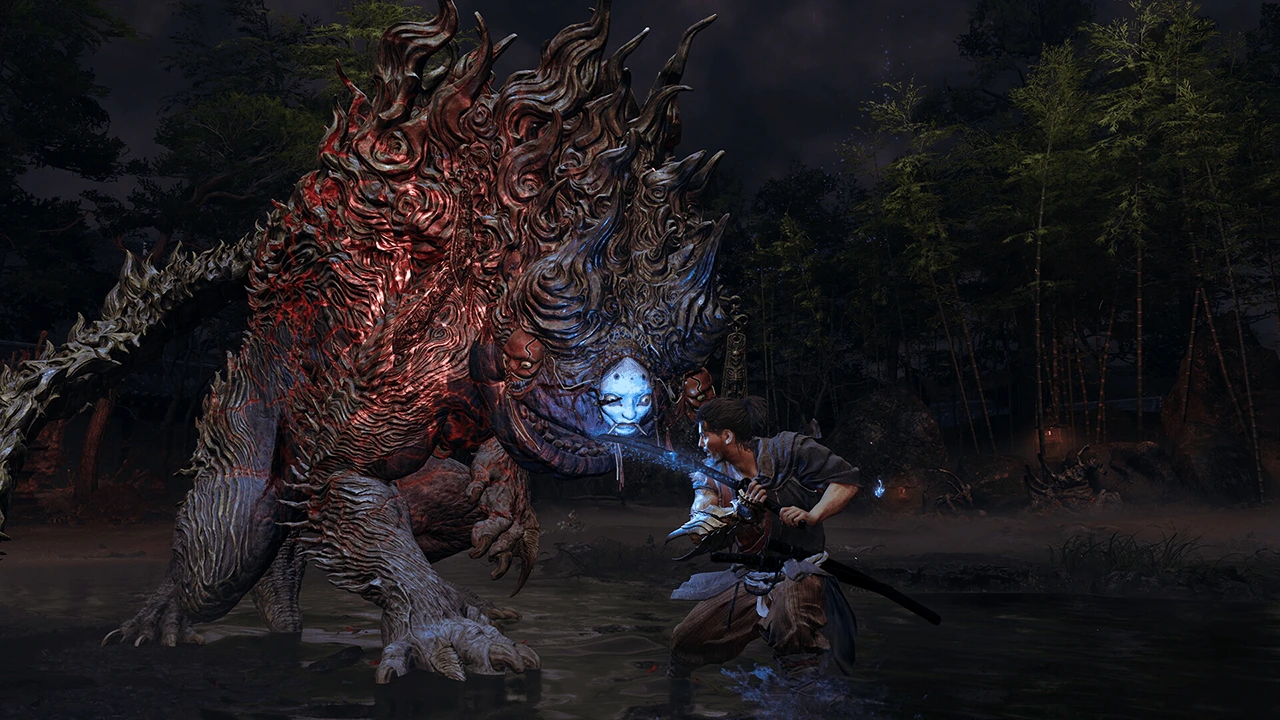
Boss battles are clearly intended to be major highlights. Daidara is a huge Genma with an enormous appetite, capable of consuming the souls Musashi normally collects after combat. Rasho-gan is even more disturbing, appearing as a humanoid creature constructed from the limbs and hands of its victims. Its ability to manipulate surrounding objects and unleash powerful attacks forces Musashi to rely heavily on parries and defensive timing.
Byakue provides another distinctive challenge. This ferocious Genma becomes more dangerous as the fight continues and requires Musashi to use deliberate, powerful attacks rather than simply striking as quickly as possible. The boss encounters therefore appear designed to test different aspects of the combat system rather than repeating the same formula.
Characters
Miyamoto Musashi is the game’s protagonist. This fictionalized interpretation of the legendary swordsman is portrayed as a young, stubborn warrior who initially wants nothing to do with the supernatural powers of the Oni Gauntlet. His primary ambition is to prove his skill through his own swordsmanship, but his journey gradually changes his understanding of strength, responsibility, and the strange fate surrounding him. His likeness and mannerisms are inspired by Toshiro Mifune.
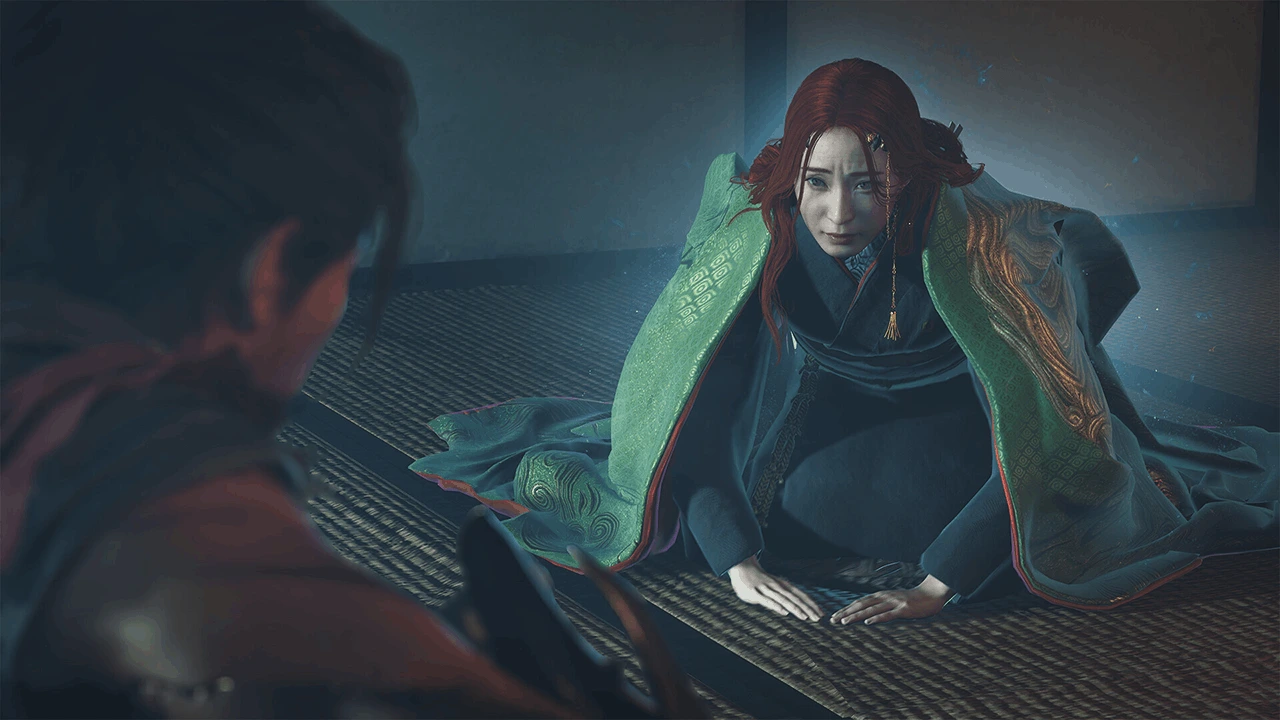
Shizuka is the mysterious consciousness residing within Musashi’s Oni Gauntlet. She acts as a guide, companion, and source of supernatural knowledge. Her relationship with Musashi provides much of the game’s character-driven humor because the samurai is initially frustrated by the very artifact that Shizuka inhabits. Shizuka is also connected to the larger Oni mythology surrounding the story.
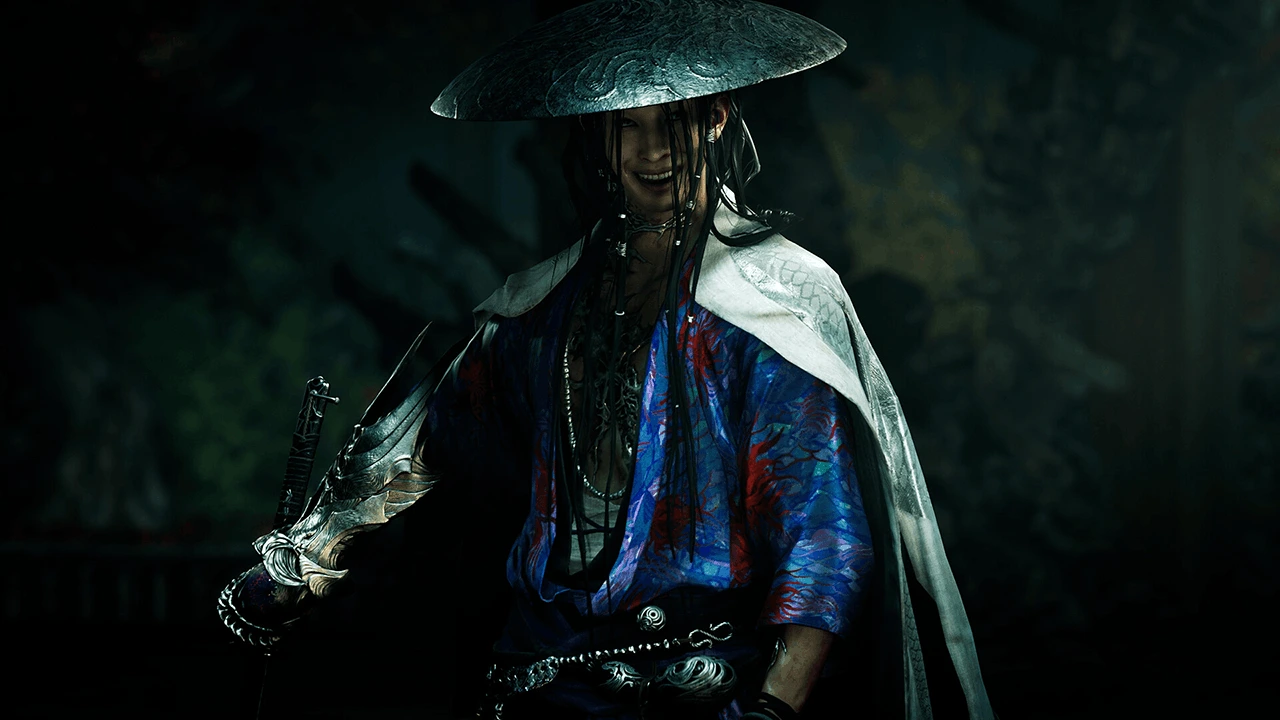
Sasaki Ganryu is Musashi’s rival swordsman and another warrior associated with an Oni Gauntlet. His confrontation with Musashi at Kiyomizu-dera forms an important early turning point before Musashi is transported to the Oni Refuge. The rivalry between the two warriors adds a more traditional samurai conflict to a story otherwise dominated by supernatural threats.
Yorimasa is a legendary Oni whose soul becomes important to Musashi and Shizuka’s investigation. The Eight Stout Pillars are talking stone guardians associated with this part of the story. Three of the eight are missing, forcing Musashi to explore the surrounding settlement and retrieve them before the group can help him. Their personalities also provide some lighter moments within an otherwise grim adventure.
Rasho-gan, Daidara, and Byakue represent some of the most important Genma encountered in the demonstrated sections. Rasho-gan in particular has a disturbing philosophy of granting people’s wishes through grotesque interpretations, making it both a narrative threat and a memorable boss. The story also introduces the larger Genma mythology, including Minamoto no Yoshitsune and the Oni forces connected to the mysterious gauntlets.
Story and Narrative
The story unfolds in early Edo-period Kyoto, where the historical capital has been consumed by supernatural chaos. A phenomenon known as Malice spreads across the city while Genma demons invade from another realm. Musashi arrives with a simple goal: establish himself as an unmatched swordsman. Instead, he becomes bound to the Oni Gauntlet, forcing him into a conflict he never wanted.
Musashi initially sees the gauntlet as a burden. He wants to remove it and return to relying entirely on his own abilities. Shizuka, however, gradually becomes an essential companion. The relationship between the reluctant swordsman and the supernatural entity attached to his arm becomes one of the story’s central themes.
The situation becomes increasingly complicated when Musashi discovers the consequences of the Genma’s presence. At Yasui Konpiragu Shrine, people have been granted wishes in horrifying ways. Someone suffering from knee pain has lost the offending leg, a woman troubled by envy has been deprived of her eyes, and lovers who wanted to remain together forever have been transformed into dolls. The victims appear strangely satisfied, creating an unsettling atmosphere in which supernatural evil disguises itself as kindness.
Musashi and Shizuka seek the assistance of Yorimasa’s soul and the Eight Stout Pillars, but three of the stone guardians have been scattered. Their recovery sends Musashi through a series of battles and discoveries before he eventually confronts Rasho-gan. The Genma attempts to exploit Musashi’s desire to remove the Oni Gauntlet, offering to solve his problem by removing the entire arm. This encounter forces Musashi to recognize that the gauntlet may be more than a curse and may instead be an important part of the path ahead.
The story then expands beyond the shrine and into the larger conflict surrounding Kyoto. As Musashi gains new Oni powers, he becomes capable of breaking through barriers created by Malice and reaching new areas. His journey increasingly becomes a struggle between his desire to prove himself as a swordsman and the realization that supernatural power may be necessary to protect the people around him.
Graphics and Sound
Visually, Way of the Sword appears to be a significant technological leap over its predecessors while maintaining the series’ dark identity. Kyoto has been recreated with remarkable attention to historical detail, with Capcom working closely with the city to reproduce architecture and locations. The developers have even researched details such as the number of wooden pillars supporting the Kiyomizu-dera stage.
The environments also benefit from strong contrasts. Traditional wooden buildings, temples, forests, and colorful gardens can suddenly give way to dark supernatural corruption. The shrine areas demonstrated during previews are particularly striking because bright flowers and beautiful architecture sit alongside grotesque Genma and disturbing supernatural events. This contrast gives the world a visual personality that goes beyond simply making historical Japan look realistic.
Combat animations are another major technical achievement. Capcom used motion capture involving a real sword expert to make Musashi’s movements feel grounded and believable. The developers wanted the swordplay to resemble the kind of physical action seen in samurai cinema rather than exaggerated fantasy choreography. The result is a combat system in which every slash, parry, dodge, and execution carries considerable physical weight.
The sound design has received equally careful attention. Capcom used real katana and scabbards for authentic sounds and even created a specially modified thick sword for Foley recording. The audio team struck different materials to create the rough, metallic sound associated with Musashi’s aggressive sword style. The goal was to make his attacks sound raw rather than overly polished.
On PlayStation 5, 3D audio, adaptive triggers, haptic feedback, and controller speakers further increase immersion. Haptic effects can communicate the impact of sword strikes, the scale of enormous Genma, and the sensation of absorbing souls. The adaptive trigger resistance changes when drawing the Oni Bow and when sealing Genma rifts. Capcom also recorded impulse-response audio inside real Japanese temples and historic buildings to reproduce authentic architectural acoustics.
Verdict
Onimusha: Way of the Sword looks like a remarkably confident revival of a franchise that has been absent for far too long. The early demonstrations show a game that understands what made Onimusha memorable while being willing to modernize almost every part of the experience. Its greatest strength is undoubtedly the swordplay: parrying, Issen counters, dynamic dismemberment, cinematic executions, and supernatural weapons combine to make every encounter feel dangerous and satisfying. The historical recreation of Kyoto is equally impressive, while the disturbing Genma designs and carefully constructed sound effects reinforce the game’s dark atmosphere. The main concerns are that some regular enemies may not be aggressive enough to fully challenge experienced players, objective guidance can occasionally reduce the sense of discovery, and the ultimate variety and pacing of the full campaign cannot be judged until release.
The Good
- Highly responsive and satisfying sword-based combat.
- Excellent parry and Issen mechanics that reward precision.
- Impressive dynamic dismemberment and cinematic executions.
- Beautiful recreation of Edo-period Kyoto.
- Strong mixture of historical detail and supernatural horror.
- Memorable Genma and boss designs.
- Interesting Oni Gauntlet and supernatural weapon systems.
- Atmospheric and highly detailed sound design.
- Open-town exploration adds variety without becoming a conventional open-world game.
- Strong modernization of a classic Capcom franchise.
The Bad
- Some regular enemies may feel less aggressive than expected.
- Objective guidance can occasionally make exploration too straightforward.
- The full campaign’s length and overall mission variety remain unconfirmed before launch.
- Players expecting a Soulslike experience may find the combat structure more conventional.
- The shift toward modern character-action mechanics may not completely reproduce the nostalgic feel of the older games.
Release Date and Platforms
Onimusha: Way of the Sword is scheduled to launch on September 4, 2026. Capcom moved the game forward from its previously announced September 25 date, bringing the release three weeks earlier. The game is coming to PlayStation 5, Xbox Series X|S, Nintendo Switch 2, and PC, with PC versions available through Steam, Epic Games Store, and Microsoft Store. A playable demo is already available on several platforms, and save data from the demo can provide a bonus in the full game.
Genre
Onimusha: Way of the Sword is best described as a character-action game with action-RPG elements and dark-fantasy influences. It combines precision swordplay, supernatural abilities, exploration, environmental puzzles, resource management, skill upgrades, boss battles, and cinematic storytelling. Although its parry system and difficult encounters may remind some players of Soulslike games, Capcom has explicitly rejected that classification. The game instead focuses on mastering Musashi’s combat abilities and using the environment and supernatural tools creatively.
Developer and Publisher
Onimusha: Way of the Sword is developed and published by Capcom, the Japanese company responsible for the original Onimusha games as well as major franchises such as Resident Evil, Devil May Cry, and Monster Hunter. The game is directed by Satoru Nihei and produced by Akihito Kadowaki. The project represents Capcom’s return to the franchise after roughly 20 years without a new mainline installment, making it both a revival and a modernization of the series’ classic formula.
Onimusha: Way of the Sword System Requirements
Minimum
- Requires a 64-bit processor and operating system
- OS: Windows 11
- Processor: Intel Core i5-8400 / AMD Ryzen 3 3100
- Memory: 16 GB RAM
- Graphics: GeForce GTX 1660(6GB) / Radeon RX 5500 XT(8GB)
- DirectX: Version 12
- Storage: 50 GB available space
Recommended
- Requires a 64-bit processor and operating system
- OS: Windows 11
- Processor: Intel Core i5-10400 / AMD Ryzen 5 3600
- Memory: 16 GB RAM
- Graphics: GeForce RTX 2060 Super (8GB) / Radeon RX 6600(8GB)
- DirectX: Version 12
- Storage: 50 GB available space