A Bold New Direction for Remedy’s Paranormal Action RPG
Introduction
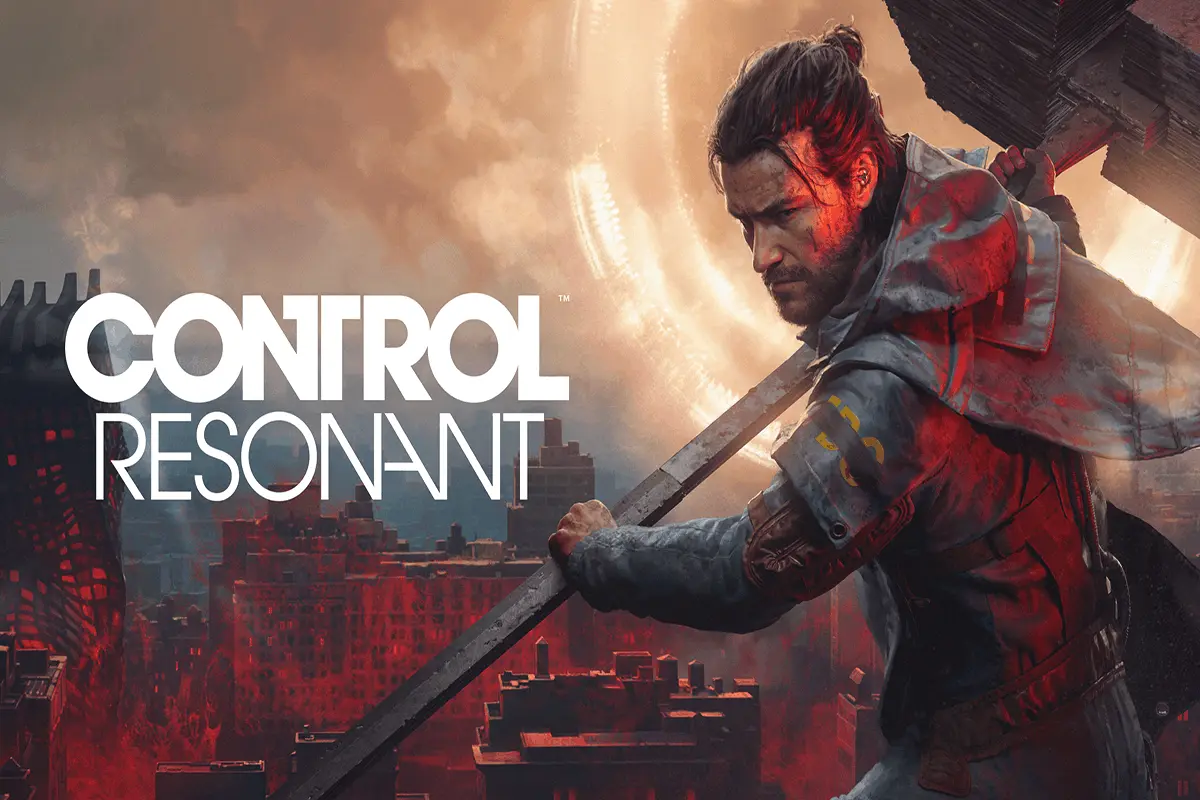
CONTROL Resonant is shaping up to be one of Remedy Entertainment’s most ambitious projects yet. Rather than simply expanding upon the formula established by 2019’s Control, the sequel makes a dramatic change in protagonist, combat, setting, progression, and overall structure. This time, players step into the role of Dylan Faden, the troubled brother of original protagonist Jesse Faden, as he emerges from years of confinement into a world that has become almost completely unrecognizable.
Seven years after the events of the original game, Manhattan has been transformed by paranatural forces. The Hiss has escaped the Oldest House, reality itself is collapsing, gravity is behaving unpredictably, and a mysterious new cosmic threat is reshaping the city. Dylan is released from Federal Bureau of Control custody because his extraordinary abilities may be essential to stopping the disaster. At the same time, his sister Jesse has disappeared, leaving Dylan with both a personal mission and a much larger responsibility.
What makes CONTROL Resonant particularly interesting is how completely Remedy has rethought its gameplay. The original Control was built around third-person shooting and Jesse’s Service Weapon, while Resonant moves toward melee-focused action RPG combat. Dylan uses the shape-shifting Aberrant weapon alongside supernatural abilities, allowing players to create different combat builds and combine attacks in increasingly creative ways. Early previews suggest that this change is not simply cosmetic; it fundamentally alters how encounters are approached.
Control Resonant Gameplay
The biggest gameplay change in CONTROL Resonant is Dylan’s combat system. Instead of relying primarily on firearms, Dylan fights at close range with the Aberrant, a supernatural weapon capable of transforming into different configurations. Its forms can provide different attack patterns, ranges, speeds, and combat functions, allowing players to customize how they approach encounters.
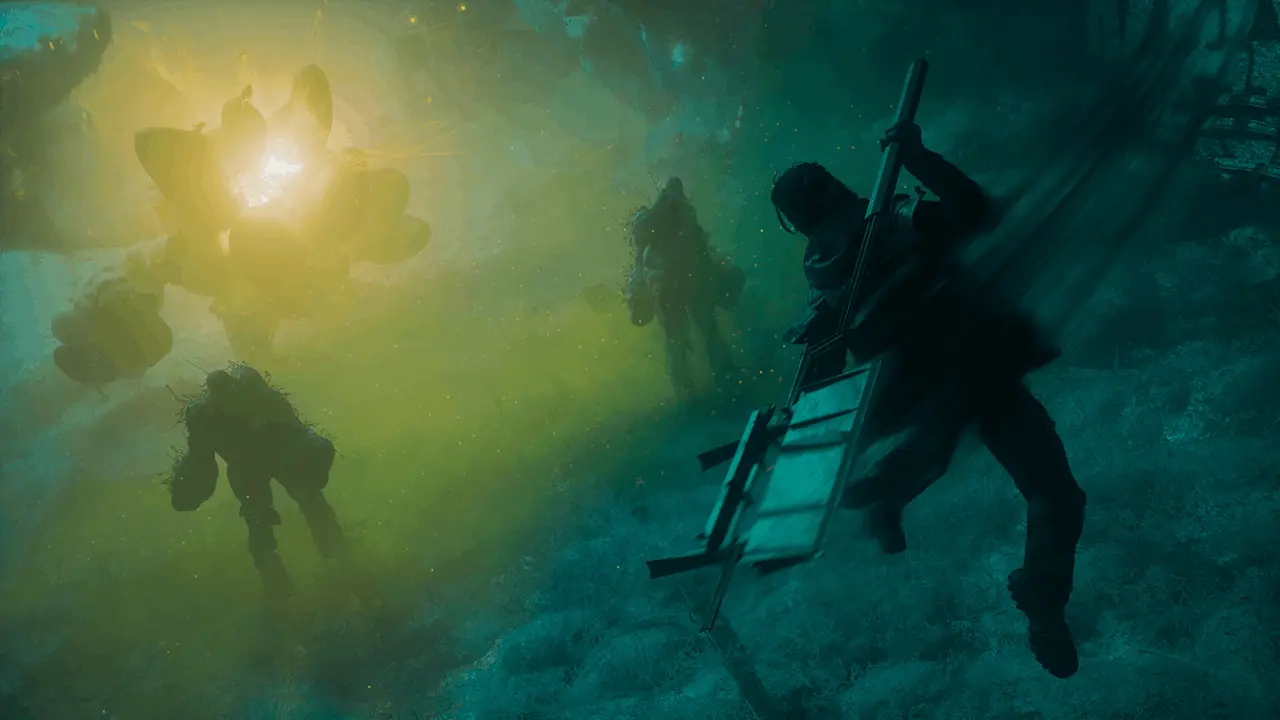
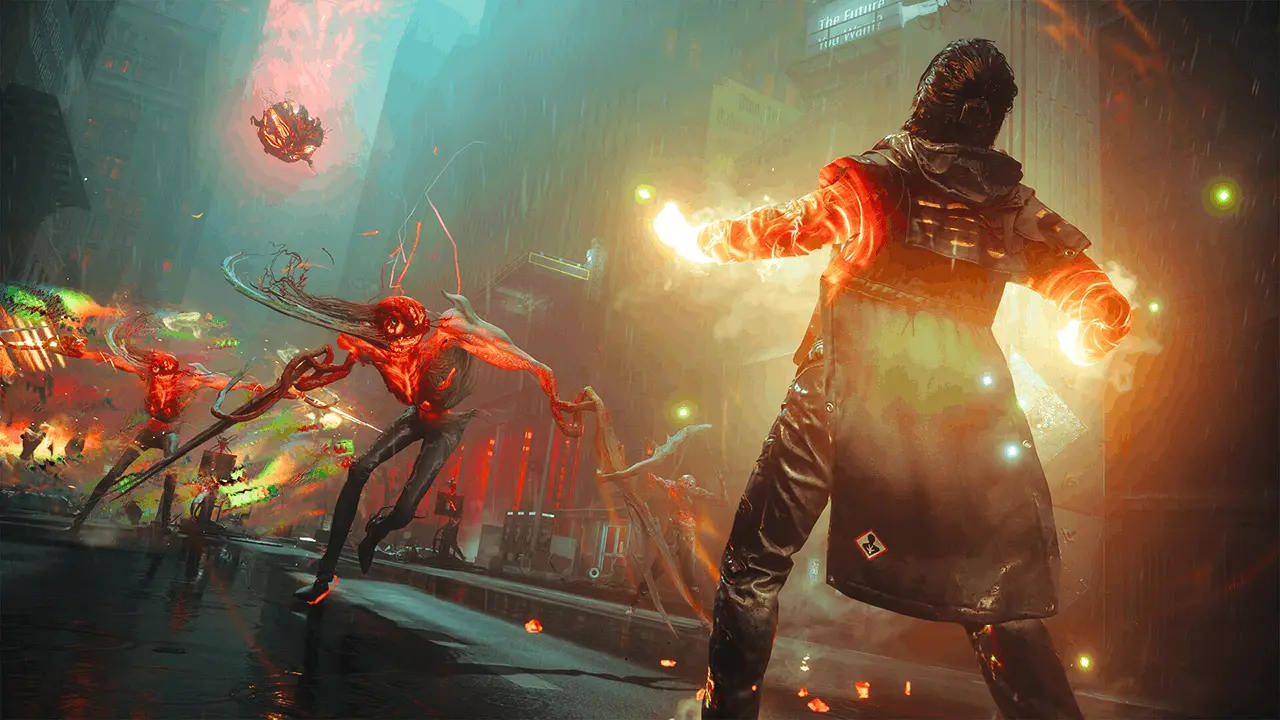

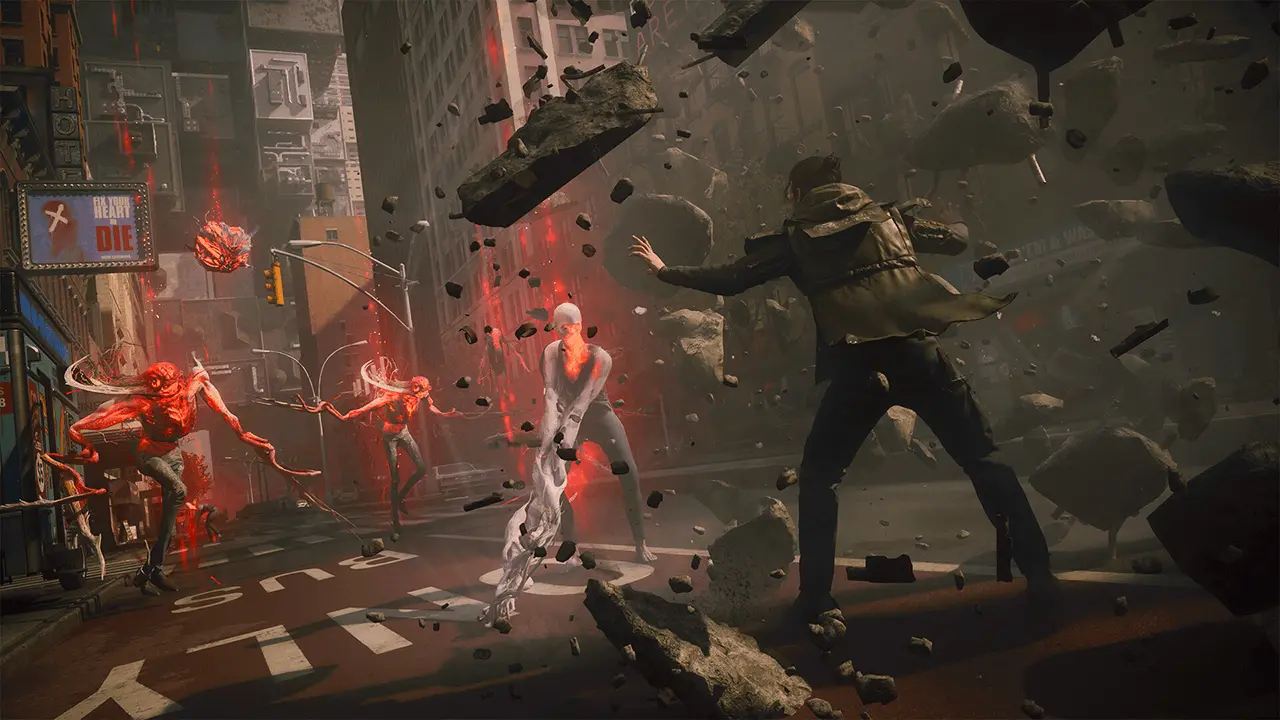
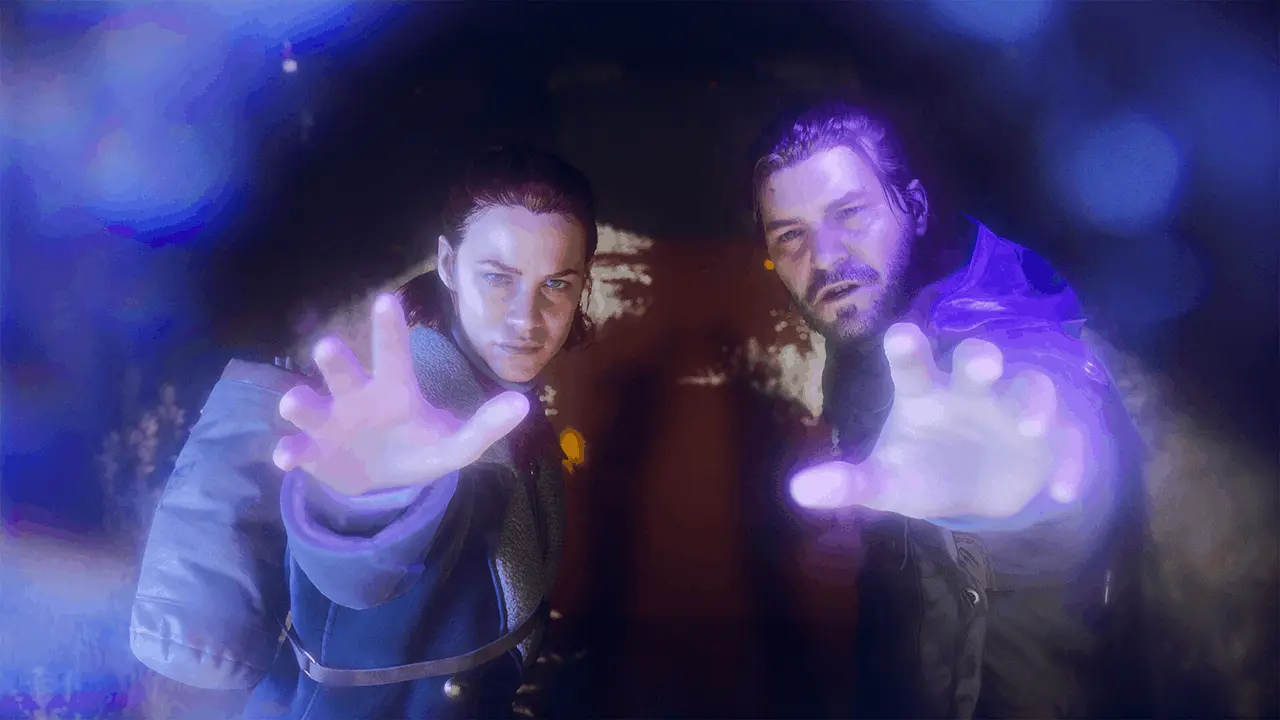
The Aberrant includes primary and secondary attacks as well as powerful combo finishers. Depending on the selected configuration, Dylan can use heavy hammer attacks, rapid blades, sweeping attacks and other forms designed for different situations. The weapon’s flexibility becomes particularly important because players are not forced to commit to one style throughout the game. Different forms can be combined with Dylan’s abilities and talents to create specialized builds.
Combat is built around momentum. Successful attacks generate resources that can be spent on Dylan’s supernatural abilities, meaning aggressive play is often rewarded rather than punished. These powers can stagger opponents, manipulate the battlefield, create opportunities for executions, or provide additional damage. Executions can then improve Dylan’s melee effectiveness, creating a continuous loop between ordinary attacks, abilities, movement, and finishing moves.
Dylan’s abilities are not limited to combat. His supernatural powers are also central to exploration. The warped Manhattan environment features broken gravity, impossible architecture, elevated platforms and strange spatial arrangements. Dylan can jump, double-jump, dash, hover and move rapidly through the environment, transforming exploration into another major component of the experience. Several previews have highlighted how traversal allows players to approach seemingly unreachable areas and move through the distorted city in unusual ways.
Build customization appears to be considerably deeper than it was in the original Control. Dylan’s progression revolves around combat abilities, weapon forms and talents, allowing players to specialize in different approaches. One demonstrated build focused heavily on direct melee attacks, while another emphasized summons and autonomous support abilities. This suggests that two players can potentially approach the same encounter in very different ways.
The game also allows players to prepare multiple ability loadouts and switch between them quickly. This is especially useful because enemies can demand different strategies. Some encounters reward aggressive close-range attacks, while others encourage mobility, crowd control or targeting specific elite enemies first. The system is designed to make experimentation part of the core gameplay rather than something reserved for endgame content.
The structure of Manhattan is another significant departure from the Oldest House. Rather than presenting one enormous seamless open world, Remedy has divided the city into distinct handcrafted zones. These areas have their own atmosphere, enemies, environmental conditions, secrets and activities. A central FBC field office functions as an evolving hub, while individual areas branch outward into different missions and encounters.
The campaign is divided into Dylan’s main journey and World Quests. Main missions drive the central narrative, while World Quests provide self-contained stories and additional exploration opportunities. Players can also encounter combat challenges, Altered Items, environmental puzzles, hidden discoveries and other optional activities. Remedy has specifically emphasized that the goal is not to overwhelm players with an enormous map filled with repetitive objectives, but to make individual locations meaningful and worthwhile to explore.
The enemy design also appears substantially more imaginative than in the original game. The Hiss has infected Manhattan and transformed ordinary people into disturbing supernatural creatures. Preview footage has shown enemies with distorted bodies, unusual movement patterns, ranged attacks and heavy variants that can dramatically change the flow of combat. One particularly memorable encounter involves a possessed New York bus that becomes a supernatural threat rather than simply an environmental object.
Boss encounters are similarly designed around Remedy’s fascination with impossible phenomena. Demonstrations have shown a giant telekinetic head as an early boss and other enemies that turn ordinary elements of Manhattan into enormous paranormal threats. These encounters appear to emphasize movement, environmental awareness and the creative combination of Dylan’s abilities rather than straightforward damage dealing.
Characters
Dylan Faden is the central character and the only playable protagonist. His history is directly connected to the events of the first Control. Taken by the Federal Bureau of Control as a child, Dylan spent much of his life inside the Oldest House and eventually became one of the Bureau’s most dangerous parautilitarians. After the Hiss was removed from him, he remained in a coma for years. Now awake, Dylan must understand the world outside the institution that defined his life while dealing with the consequences of his past.
Jesse Faden returns as an important character, although she is not playable. She is Dylan’s sister and the Director of the Federal Bureau of Control. Her mysterious disappearance becomes one of the central motivations behind Dylan’s journey. Jesse’s presence is therefore important not only to the story but also to Dylan’s emotional development.
Zoe De Vera is one of the most important new characters introduced so far. She is an FBC field agent who becomes Dylan’s handler. Unlike Dylan, who spent years isolated inside the Oldest House, Zoe experienced the outside world and the supernatural crisis directly. Their relationship provides a natural way for both characters to learn about one another while giving Dylan someone to rely on during his journey.
The game will also feature other FBC personnel, civilians and new characters encountered throughout Manhattan. Remedy has indicated that some familiar faces will return while others will be completely new, although the complete cast and their roles have not yet been revealed.
Story and Narrative
The story begins seven years after the events of Control. The Oldest House is no longer safely isolated from the outside world, and paranatural forces have spilled into Manhattan. The Hiss has returned as part of the crisis, while an additional mysterious resonance is warping reality and producing new supernatural entities.
Dylan awakens after years in a coma and discovers that the world he barely knows has become even stranger. His sister Jesse, who was once his only meaningful connection to the outside world, is missing. The Federal Bureau of Control needs Dylan’s powers to survive the crisis, creating an unusual situation in which the organization that imprisoned him must now depend upon him.
Dylan’s journey is therefore both external and deeply personal. He must navigate a collapsing Manhattan while attempting to understand his own identity, his relationship with Jesse and the years he lost inside the FBC. Remedy has indicated that the story will explore Dylan’s struggle to determine who he is now that he is no longer simply an FBC experiment or a vessel for an outside force.
The dialogue system also gives players greater influence over Dylan’s personality. Conversations can occur naturally while exploring rather than forcing players to stop the action and enter traditional dialogue screens. Players are presented with opportunities to choose Dylan’s responses, giving the protagonist a greater sense of individual personality and allowing relationships to develop organically during exploration.
Graphics and Sound
Visually, CONTROL Resonant appears to be a significant evolution from its predecessor. The Oldest House was famous for its brutalist architecture and constantly shifting interiors, but the sequel takes that surreal design philosophy into Manhattan itself. Streets fold into impossible structures, gravity breaks apart, buildings transform and familiar locations become bizarre supernatural spaces.
The move to multiple handcrafted zones also gives Remedy considerably more visual variety. Instead of spending most of the campaign inside one enormous brutalist building, players can explore different areas of a warped New York City. The result is a world that can shift from recognizable urban environments into completely abstract spaces without abandoning the series’ distinctive artistic identity.
The sound design complements the supernatural atmosphere. Heavy melee impacts, supernatural effects, enemy sounds and environmental audio are designed to make combat feel physical and immediate. The game’s trailers and demonstrations also emphasize a dramatic electronic soundtrack, including music from The Prodigy, which gives the action sequences a more aggressive energy than the original game’s atmospheric approach.
Verdict
Although CONTROL Resonant is not yet available for a final post-release review, its current previews indicate that Remedy is taking a considerable risk with the sequel—and that risk appears to be paying off. The transition from Jesse’s gun-focused combat to Dylan’s aggressive melee system could easily have alienated fans of the original, yet early hands-on impressions consistently highlight the speed, weight and flexibility of the new combat. The larger Manhattan setting, buildcrafting, supernatural traversal and expanded mission structure also give the sequel a much broader gameplay foundation.
The Good
- Bold evolution of the original Control formula.
- Fast and satisfying melee-focused combat.
- Highly customizable Aberrant weapon and character builds.
- Excellent supernatural traversal and gravity-based exploration.
- More varied environments through the warped Manhattan setting.
- Strong narrative focus on Dylan and Jesse.
- World Quests, secrets and optional activities should provide substantial additional content.
- Distinctive Remedy-style surrealism and atmosphere.
The Bad
- The shift away from Jesse and ranged shooting may disappoint some fans of the original.
- Some basic melee combinations can initially feel familiar to action-game veterans.
- The full quality of the story and mission variety cannot be judged until launch.
- The game’s larger structure could potentially affect pacing if optional content is not balanced carefully.
- The complete cast, campaign length and endgame content remain unknown before release.
Release Date and Platforms
CONTROL Resonant is scheduled to launch worldwide on September 24, 2026. The game is coming to PlayStation 5, Xbox Series X|S and PC through Steam and the Epic Games Store. A Mac version is also planned for later in 2026, while GeForce NOW support is scheduled as part of the launch plans. The PlayStation 5 version will also offer an edition with 48 hours of advance access.
Genre
Unlike its predecessor, CONTROL Resonant is officially positioned as an action-adventure RPG, with a strong emphasis on character-action and hack-and-slash combat. Its combination of supernatural powers, melee combat, build customization, exploration, progression systems and story-driven missions places it firmly within the action RPG category. However, Remedy’s surreal environments, paranormal mysteries and cinematic storytelling ensure that it still feels unmistakably like a Control game.
Developer and Publisher
CONTROL Resonant is developed and published by Remedy Entertainment, the Finnish studio behind Control, Alan Wake, Alan Wake 2 and other acclaimed narrative-driven games. Remedy is also responsible for the Northlight technology that powers the project. The studio has described Resonant as its biggest game to date, with a larger world and more ambitious gameplay systems than the original.
Control Resonant System Requirements
Minimum
- Requires a 64-bit processor and operating system
- OS: Windows 10 / 11 (64 bit)
- Processor: Intel i5-8500 or AMD equivalent
- Memory: 16 GB RAM
- Graphics: Geforce GTX 1070 / Radeon RX 5600 XT (6GB)
- Storage: 100 GB available space
- Sound Card: TBD
Recommended
- Requires a 64-bit processor and operating system
- OS: Windows 10 / 11 (64 bit)
- Processor: Ryzen 7 3700X or Intel equivalent
- Memory: 16 GB RAM
- Graphics: Geforce RTX 3070 / Radeon RX 6700 XT (8GB)
- Storage: 100 GB available space
- Sound Card: TBD