An Emotional Finale That Brings Max and Chloe’s Story Full Circle
Introduction
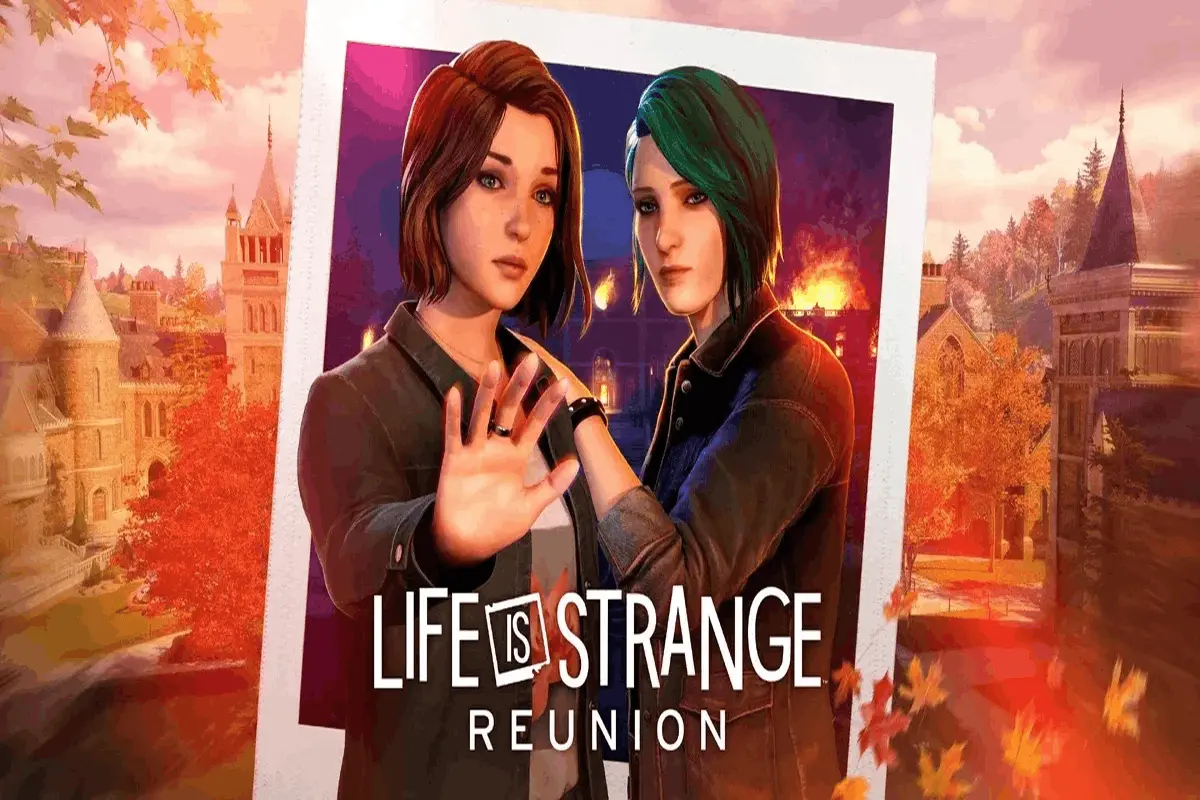
Few narrative-driven game franchises have left as lasting an impact as Life is Strange. Since the original game’s release in 2015, players have become deeply attached to its unforgettable characters, emotional storytelling, and choice-driven gameplay. Life is Strange: Reunion serves as the long-awaited continuation—and intended conclusion—of Max Caulfield and Chloe Price’s journey. Developed by Deck Nine Games, the title revisits the series’ beloved protagonists while introducing fresh gameplay mechanics, a compelling mystery, and emotionally charged decisions that once again test the bond between friendship, sacrifice, and destiny.
Unlike previous entries that focused on introducing new protagonists, Life is Strange: Reunion places Max and Chloe back at the center of the narrative. The game successfully balances nostalgia with new storytelling ideas, delivering an experience that feels familiar while expanding the emotional scope of the series. Its thoughtful writing, memorable soundtrack, and meaningful player choices ensure that every decision carries weight, making this one of the franchise’s most personal adventures.
Life is Strange: Reunion Gameplay
The gameplay in Life is Strange: Reunion remains faithful to the series’ signature formula while introducing several welcome improvements. Players alternate between controlling Max Caulfield and Chloe Price throughout the story, with each protagonist bringing unique gameplay mechanics and perspectives to the unfolding mystery. This dual-character approach creates more varied gameplay and allows players to experience the story from different emotional viewpoints.
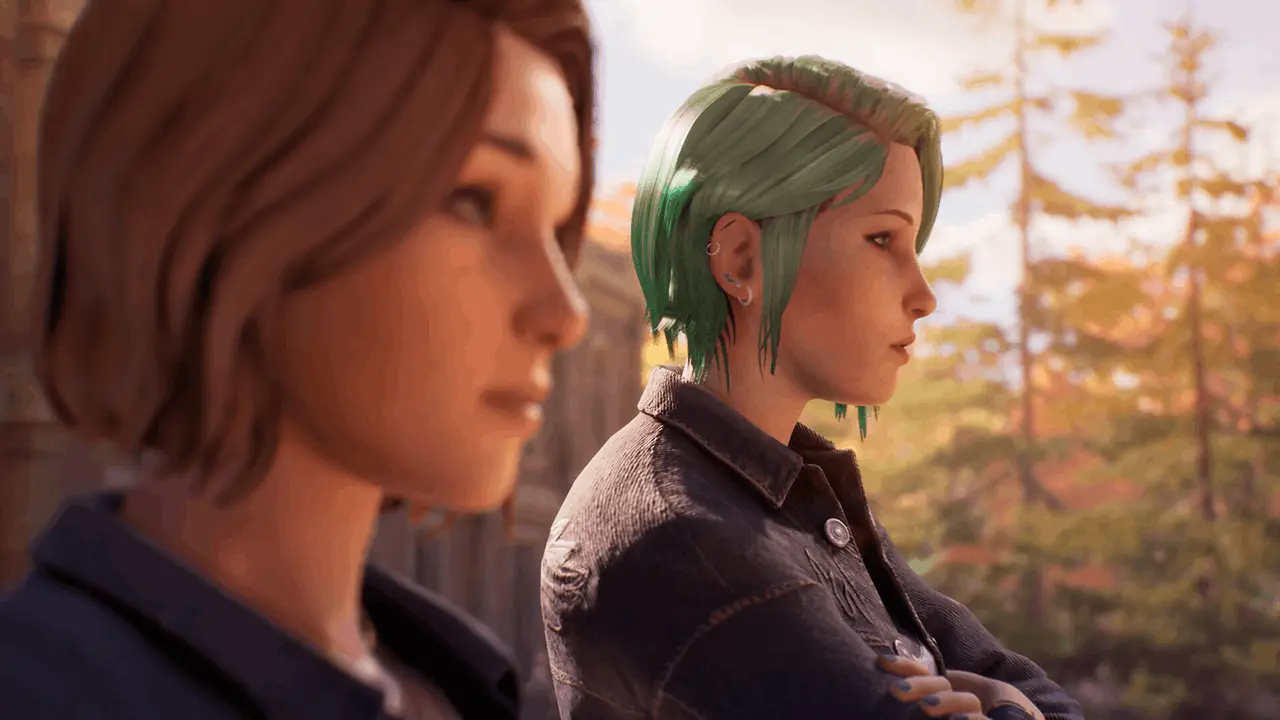



Max retains her iconic rewind ability, although it has evolved considerably since previous games. Rather than simply reversing brief moments, her powers are now more strategic and limited, forcing players to carefully consider when and how to manipulate time. Environmental puzzles often require combining observations across multiple timelines, making problem-solving more engaging than ever.
Chloe, meanwhile, contributes through dialogue-focused gameplay and investigation. Her fearless personality opens conversational paths unavailable to Max, while her ability to challenge other characters creates unique opportunities to gather information or influence key story moments. The alternating gameplay keeps the narrative fresh and emphasizes the contrasting personalities that have always defined their relationship.
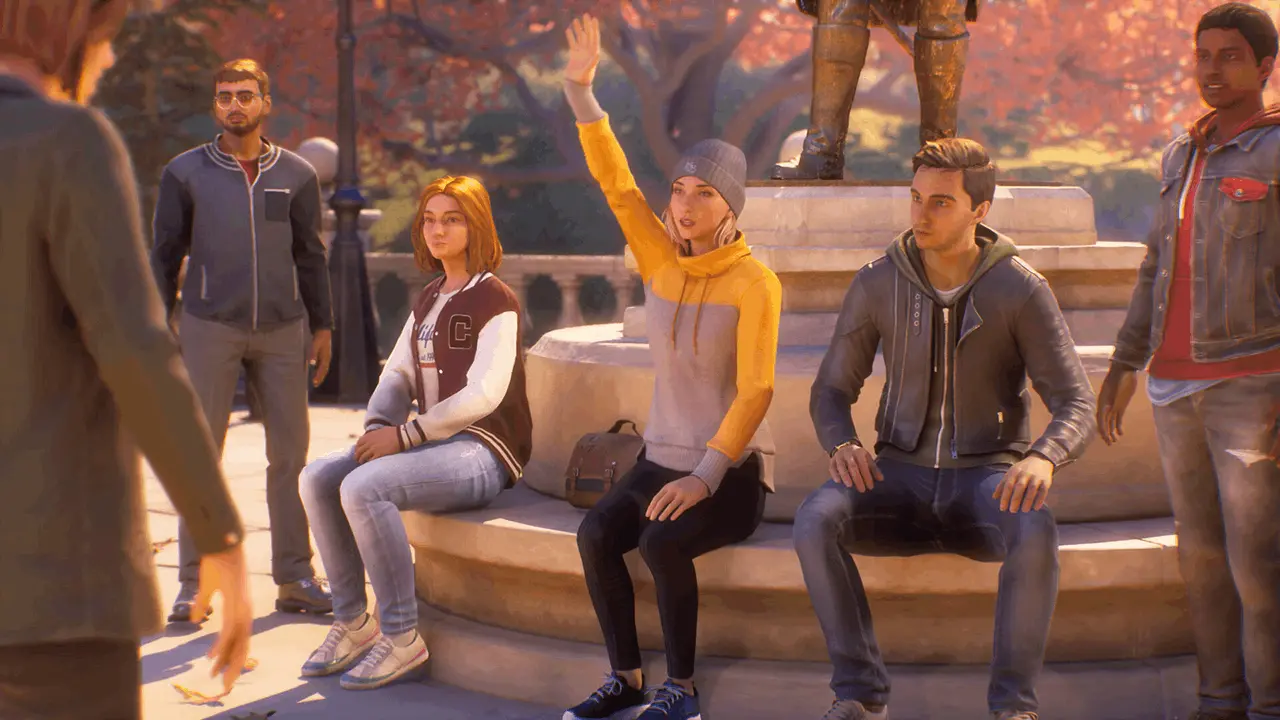
Exploration remains an essential component of the experience. Players investigate the halls of Caledon University, dormitories, classrooms, abandoned facilities, wooded trails, and nearby neighborhoods while collecting photographs, journal entries, personal belongings, and environmental clues. Every location contains optional conversations and hidden details that expand both the world and its characters.
The mission structure revolves around narrative chapters rather than traditional objectives. Each episode introduces new investigations, relationship-building moments, environmental puzzles, and difficult moral choices. Players spend time interviewing witnesses, solving mysteries surrounding the approaching disaster, uncovering hidden secrets within the university, and reconnecting with familiar faces from earlier games.
Several supporting characters enrich the story, including Moses, a trusted friend who assists Max throughout the investigation, alongside faculty members, students, local residents, and new allies whose motivations gradually become clearer as events unfold. Familiar returning characters also make meaningful appearances, rewarding longtime fans without overwhelming newcomers.
As with previous entries, player choices remain the heart of the experience. Dialogue decisions, relationship management, exploration habits, and seemingly minor actions all contribute to later events. These branching decisions influence conversations, character relationships, and ultimately determine one of several possible endings.
Story Narrative
The story begins with Max Caulfield now working at Caledon University, hoping to live a peaceful life after the traumatic events that shaped her past. However, strange visions and supernatural disturbances soon reveal that reality itself has become unstable. At the same time, Chloe Price unexpectedly returns, haunted by fragmented memories and impossible experiences that neither of them can fully explain.
As the two reunite, they discover that a catastrophic fire threatens to destroy the university within days. Determined to prevent another tragedy, Max and Chloe investigate mysterious incidents surrounding the campus while confronting unresolved emotions from their shared past. Their search uncovers hidden conspiracies, fractured timelines, and devastating truths connected to Max’s repeated manipulation of time.
The narrative explores themes of grief, forgiveness, identity, friendship, and second chances. Rather than relying solely on supernatural mystery, the game focuses heavily on the emotional consequences of previous choices. Every conversation between Max and Chloe feels meaningful, reflecting years of shared history while allowing players to shape the future of their relationship. The story gradually builds toward multiple endings that encourage reflection long after the credits roll.
Graphics and Sound Effects Improvements
Visually, Life is Strange: Reunion represents one of the biggest technical leaps in the franchise. Unreal Engine 5 enables highly detailed character models, realistic facial animations, improved lighting, and beautifully crafted environments that bring Caledon University to life. Weather effects, reflections, and dynamic shadows create a cinematic atmosphere that enhances both exploration and storytelling.
Facial expressions are noticeably more natural than in previous entries, allowing subtle emotional performances during dialogue scenes. Character animations feel smoother, and environmental details—from falling autumn leaves to flickering campus lights—contribute to a greater sense of realism.
Sound design remains one of the franchise’s defining strengths. Environmental audio creates an immersive atmosphere, while excellent voice acting brings every character to life with convincing performances. The soundtrack once again blends indie folk, acoustic melodies, and emotional ambient compositions that perfectly complement both quiet conversations and dramatic narrative moments. Music continues to play a vital role in establishing the game’s distinctive identity.
Verdict
Life is Strange: Reunion succeeds in delivering a heartfelt conclusion to one of gaming’s most beloved character-driven stories. While its central mystery occasionally takes a back seat to emotional drama, the relationship between Max and Chloe remains the undeniable highlight. Deck Nine has crafted a thoughtful adventure that respects the series’ legacy while introducing meaningful gameplay improvements and memorable new characters.
Its outstanding performances, emotionally resonant writing, improved visuals, and meaningful player choices make it one of the strongest entries in the franchise. Although some pacing issues and minor technical shortcomings prevent it from achieving perfection, Life is Strange: Reunion provides longtime fans with a satisfying farewell and offers newcomers an unforgettable narrative adventure.
The Good
- Emotional and well-written reunion between Max and Chloe
- Dual-protagonist gameplay adds variety
- Meaningful player choices with multiple endings
- Beautiful Unreal Engine 5 visuals
- Outstanding soundtrack and voice acting
- Strong character development and dialogue
- Excellent environmental storytelling
The Bad
- Slow pacing may not appeal to every player
- Some narrative twists are predictable
- Limited gameplay outside exploration and dialogue
- Minor technical and animation issues in certain scenes
Release Date and Platforms
Life is Strange: Reunion was officially released on March 26, 2026, for PlayStation 5, Xbox Series X|S, and Windows PC. Built using Unreal Engine 5, the game takes advantage of current-generation hardware with improved lighting, faster loading times, enhanced animations, and greater environmental detail.
Genre
The game belongs primarily to the narrative adventure genre but also incorporates elements of interactive drama, supernatural mystery, exploration, and choice-based storytelling. Unlike action-oriented adventures, Life is Strange: Reunion emphasizes emotional decision-making, character relationships, dialogue, investigation, and environmental storytelling over combat. This slower pace allows players to become fully immersed in the lives and struggles of its memorable cast.
Developer and Publisher
Life is Strange: Reunion was developed by Deck Nine Games and published by Square Enix. Having previously worked on several entries in the franchise, Deck Nine demonstrates a strong understanding of what fans appreciate most: emotionally authentic storytelling, relatable characters, meaningful player choices, and memorable music. Their continued refinement of the series’ formula is evident throughout every aspect of the game.
Life is Strange: Reunion System Requirements
Minimum
- Requires a 64-bit processor and operating system
- OS: Windows 10
- Processor: AMD Ryzen 5 1400 / Intel Core i5-4670K
- Memory: 12 GB RAM
- Graphics: AMD Radeon RX 480, 8 GB / NVIDIA GeForce GTX 1660, 6 GB / Intel Arc A750, 8GB
- DirectX: Version 12
- Storage: 30 GB available space
- Additional Notes: SSD recommended, Low preset, 65% Resolution Scale, 80% Secondary Scale
Recommended
- Requires a 64-bit processor and operating system
- OS: Windows 11
- Processor: AMD Ryzen 5 3600 / Intel Core i5-10600
- Memory: 16 GB RAM
- Graphics: AMD Radeon RX 6650 XT, 8 GB / NVIDIA GeForce RTX 3060 Ti, 8 GB
- DirectX: Version 12
- Storage: 30 GB available space
- Additional Notes: SSD recommended, High preset, 70% Resolution Scale, 90% Secondary Scale