A Terrifying Co-op Horror Adventure That Elevates Tarsier Studios’ Signature Style
Introduction
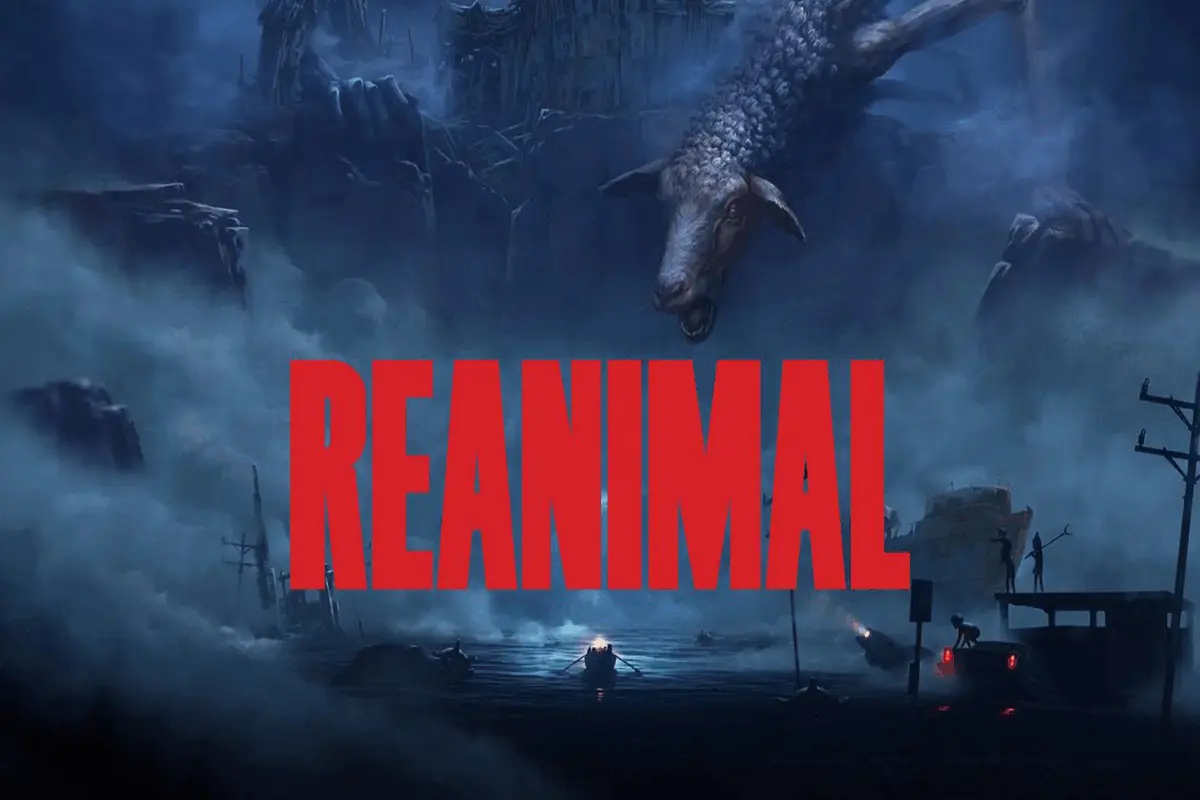
Since the release of the critically acclaimed Little Nightmares series, Tarsier Studios has established itself as one of the industry’s most imaginative creators of atmospheric horror games. Rather than relying on jump scares or excessive violence, the studio specializes in psychological horror, unsettling creature design, and environmental storytelling that lingers long after the credits roll. With Reanimal, Tarsier Studios introduces a completely original universe while retaining the cinematic presentation and haunting atmosphere that made its previous work so memorable. The result is a suspenseful cooperative horror adventure that combines puzzle-solving, exploration, stealth, and emotional storytelling into one unforgettable experience.
Unlike many modern horror games that focus primarily on combat, Reanimal emphasizes vulnerability. Players control two orphaned siblings attempting to rescue their missing friends while escaping a horrifying island overrun by grotesque creatures born from twisted experiments and supernatural corruption. Whether played alone with AI assistance or cooperatively with another player, every encounter revolves around teamwork, observation, and survival rather than direct confrontation.
Critics have praised Reanimal for expanding Tarsier Studios’ signature formula with larger environments, cooperative gameplay, more dynamic puzzles, and an even darker visual identity. Although the game’s slower pacing and challenging stealth mechanics may not appeal to every player, Reanimal stands among the strongest horror adventures of 2026, delivering a deeply unsettling journey that rewards patience and exploration. (IGN)
Reanimal Gameplay
Reanimal builds its gameplay around cooperation, exploration, environmental puzzles, and tense stealth encounters. Players assume control of an older brother and his younger sister, two unnamed siblings whose only goal is to rescue their missing friends and escape the cursed island before its monstrous inhabitants claim them as their next victims. Rather than giving each sibling identical abilities, Tarsier Studios designed them to complement one another, encouraging communication and teamwork throughout the adventure.


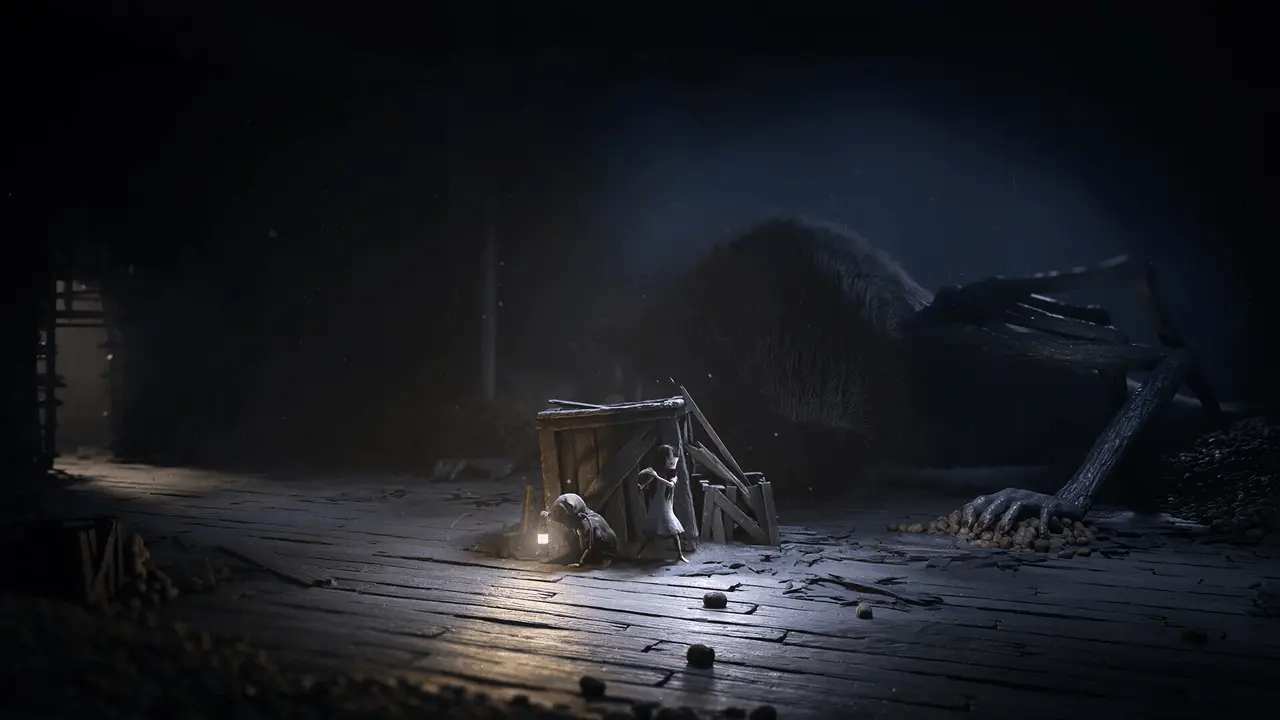
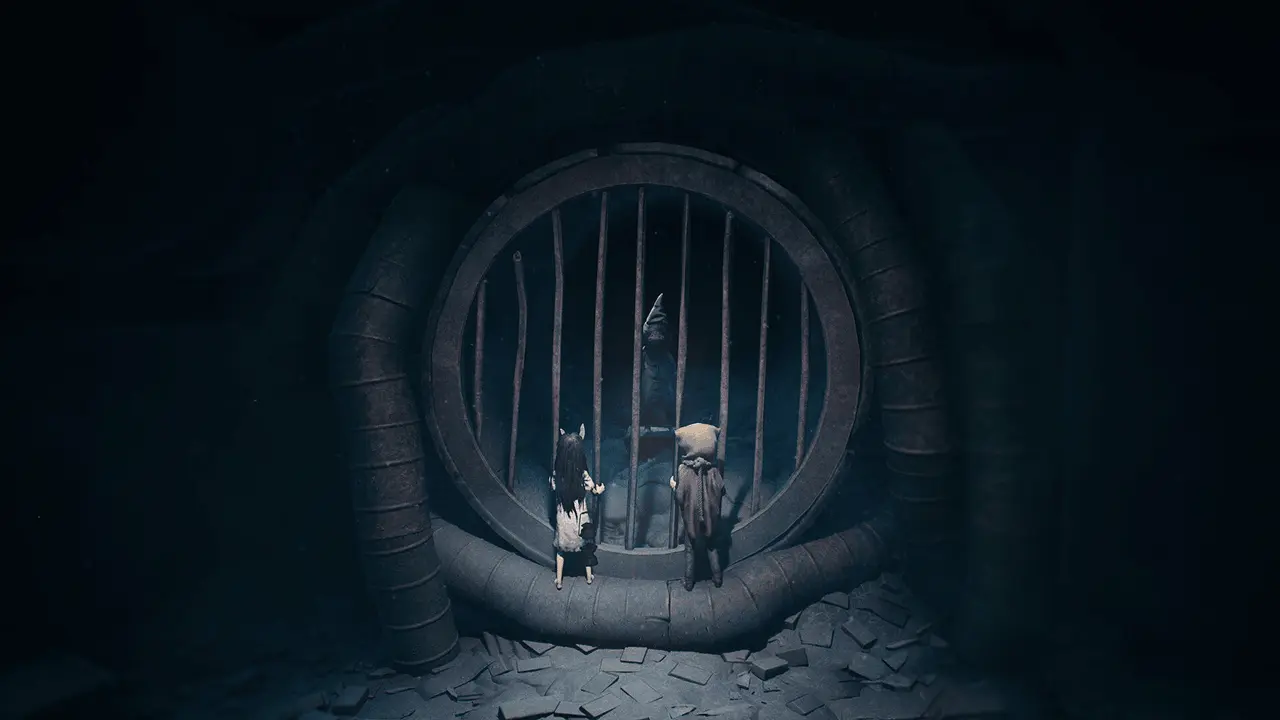

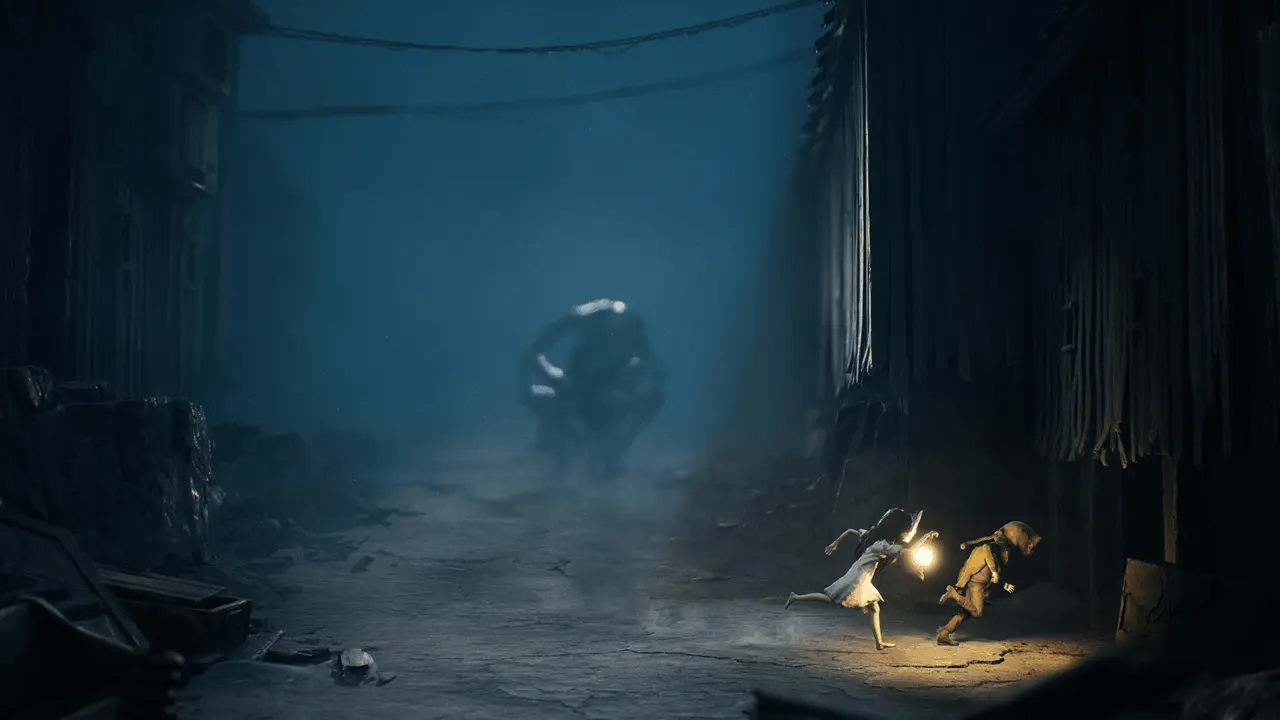
The older sibling possesses greater physical strength and handles many of the game’s environmental interactions. He pushes heavy objects, opens blocked pathways, operates machinery, rows boats, and protects his younger sister during dangerous situations. Meanwhile, the younger sibling is smaller and more agile, allowing her to crawl through narrow passages, reach inaccessible areas, activate distant mechanisms, and uncover hidden routes that larger characters cannot access. These complementary abilities form the foundation of nearly every puzzle in the game.
Unlike traditional survival horror games, Reanimal includes no conventional combat system. The siblings cannot defeat the island’s horrifying inhabitants through weapons or brute force. Instead, survival depends entirely on stealth, careful timing, environmental awareness, and creative problem-solving. Players frequently hide beneath furniture, inside abandoned structures, behind debris, or within dense vegetation while terrifying creatures patrol nearby. Every successful escape creates genuine tension because a single mistake can quickly lead to capture.
The island itself functions almost like another character. Rather than progressing through isolated levels, players explore interconnected environments that include abandoned fishing villages, flooded harbors, underground laboratories, decaying forests, forgotten farms, ruined churches, and mysterious industrial facilities. Hidden pathways encourage exploration, rewarding observant players with collectibles, environmental lore, and optional secrets that expand the game’s disturbing mythology.
Throughout the journey, players encounter numerous grotesque enemies inspired by distorted animal forms. These mutated creatures each exhibit unique behaviors and hunting patterns. Some rely on heightened hearing, forcing players to move quietly, while others possess keen eyesight or overwhelming physical strength. Learning how each creature behaves becomes essential for survival, as every encounter introduces different stealth challenges rather than repetitive escape sequences.
The game’s objectives revolve around locating the siblings’ missing friends, restoring damaged transportation routes, solving environmental puzzles, collecting essential tools, escaping deadly traps, navigating dangerous waterways, and uncovering the truth behind the island’s horrifying transformation. Rather than following repetitive mission structures, every chapter introduces new mechanics and environmental challenges that continually evolve the gameplay.
Boat exploration serves as another major addition compared to Tarsier Studios’ earlier work. Players frequently travel between isolated islands while navigating dangerous waters filled with lurking creatures. These quieter exploration segments provide welcome pacing between intense stealth encounters while expanding the scale of the world beyond confined interior environments.
Reanimal also introduces seamless cooperative play. A second player can join the adventure at any time, with each participant controlling one sibling. Cooperation naturally enhances puzzle-solving, as many environmental challenges require synchronized actions, coordinated movement, or simultaneous interaction with multiple mechanisms. Solo players can rely on intelligent AI that effectively assists throughout the campaign without disrupting immersion.
Story Narrative
Reanimal follows two orphaned siblings who return to the island where they once lived after learning that several of their childhood friends have mysteriously disappeared. What begins as a rescue mission soon becomes a desperate fight for survival as they discover that the island has been transformed into a nightmare inhabited by monstrous animal-like creatures and haunted by the consequences of forgotten experiments and long-buried secrets.
As the siblings travel across abandoned settlements and isolated islands, they gradually uncover fragments of the island’s tragic history through environmental storytelling, mysterious documents, abandoned laboratories, and unsettling visual clues. Every rescued child reveals another piece of the mystery while exposing the horrifying origins of the creatures stalking the landscape.
Rather than relying on lengthy dialogue or cinematic exposition, Reanimal communicates its emotional themes through subtle interactions between the siblings and the world around them. Their unwavering determination to protect one another creates a heartfelt emotional core that contrasts beautifully with the disturbing horrors surrounding them. Themes of family, loss, trauma, courage, and hope remain central throughout the journey, making the narrative feel deeply personal despite its supernatural setting.
Graphics and Sound Effects
Visually, Reanimal represents Tarsier Studios’ most ambitious production to date. Powered by modern rendering technology, the game features highly detailed environments, realistic lighting, dense atmospheric fog, dynamic weather systems, and dramatically improved environmental scale. Every location feels meticulously handcrafted, with decaying buildings, flooded villages, overgrown forests, and abandoned industrial sites contributing to an overwhelming sense of isolation.
Character animations have also received noticeable improvements. The siblings move naturally through their environments, displaying convincing reactions to fear, exhaustion, and danger. Creature designs are among the game’s strongest visual achievements, blending familiar animal characteristics with grotesque body horror to create unforgettable monsters that remain terrifying without relying on excessive gore.
The audio design is equally remarkable. Ambient environmental sounds constantly reinforce the atmosphere, with distant creature calls, crashing waves, creaking wood, heavy rainfall, and unsettling silence building tension throughout every chapter. Rather than using continuous music, the soundtrack appears selectively during emotionally significant moments and major chase sequences, allowing environmental audio to dominate much of the experience. This restrained approach significantly enhances immersion. Strong sound direction also encourages players to listen carefully for nearby threats, making audio an essential gameplay mechanic rather than simple background accompaniment.
Verdict
Reanimal successfully builds upon everything Tarsier Studios learned from its previous horror adventures while confidently establishing its own identity. Its outstanding environmental design, emotionally engaging sibling relationship, intelligent cooperative gameplay, and relentless atmosphere combine to create one of the most compelling horror experiences of 2026. While its slower pacing and demanding stealth sequences may not satisfy players looking for action-heavy gameplay, those who appreciate atmospheric storytelling and carefully crafted suspense will find an unforgettable adventure that remains haunting long after the journey ends.
The Good
- Outstanding environmental storytelling and psychological horror.
- Excellent cooperative gameplay with complementary character abilities.
- Beautifully detailed environments and impressive creature design.
- Intelligent puzzles that evolve throughout the campaign.
- Exceptional sound design and immersive atmosphere.
- Emotional narrative centered on family and survival.
The Bad
- No combat system may disappoint action-focused players.
- Stealth sections can be demanding during later chapters.
- Deliberate pacing may feel slow to some players.
- Story leaves several mysteries open to interpretation.
Release Date and Platforms
Reanimal is scheduled for release in 2026, although Tarsier Studios has not yet announced a final launch date. The game will be available for PlayStation 5, Xbox Series X|S, and PC via Steam, launching exclusively on current-generation hardware to support its advanced lighting systems, larger environments, and improved cooperative gameplay. (Bandai Namco Entertainment)
Genre
Reanimal belongs primarily to the Horror Adventure, Puzzle-Platformer, Survival Horror, and Cooperative Adventure genres. While stealth and environmental puzzles remain its primary focus, the game also incorporates cinematic storytelling, exploration, physics-based interactions, and cooperative gameplay. Rather than emphasizing combat, Reanimal creates tension through vulnerability, intelligent level design, and constant psychological pressure, making it one of the most distinctive horror adventures in recent years.
Developer and Publisher
Reanimal was developed by Tarsier Studios, the Swedish developer renowned for creating Little Nightmares and Little Nightmares II. The game is published by THQ Nordic, marking the studio’s first entirely original project since moving away from the Little Nightmares franchise. Tarsier has described Reanimal as a spiritual evolution of its previous work, featuring larger environments, enhanced cooperative mechanics, more complex puzzles, and a darker psychological tone while preserving the atmospheric storytelling for which the studio is known.
Reanimal System Requirements
Minimum
- Requires a 64-bit processor and operating system
- OS: Windows 10/11
- Processor: Ryzen 5 2400G / Core i5-9400F
- Memory: 8 GB RAM
- Graphics: GeForce GTX 1060 / Radeon RX 480
- DirectX: Version 12
- Network: Broadband Internet connection
- Storage: 18 GB available space
Recommended
- Requires a 64-bit processor and operating system
- OS: Windows 10/11
- Processor: Ryzen 5 3600X / Core i7-7700KTBD
- Memory: 16 GB RAM
- Graphics: GeForce RTX 2060 / Radeon RX 6600XTTBD
- DirectX: Version 12
- Network: Broadband Internet connection
- Storage: 18 GB available space