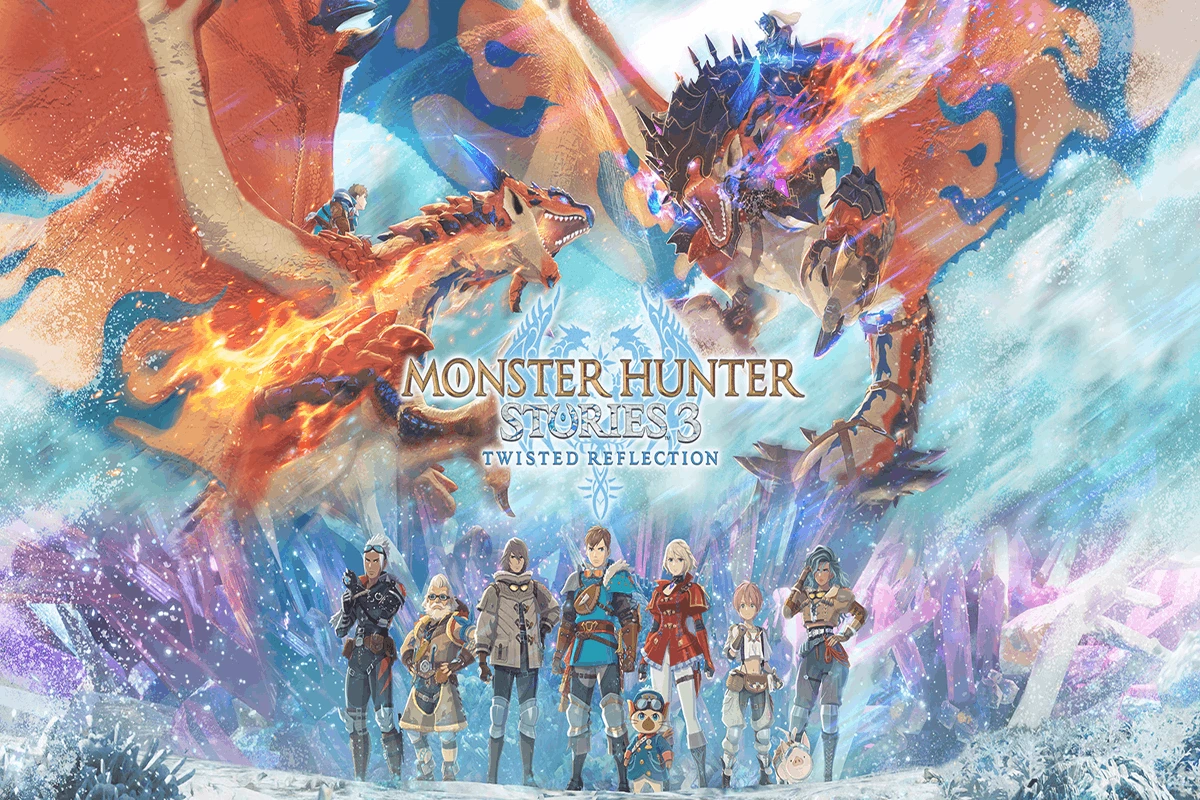
A Worthy Evolution of Capcom’s Beloved Monster-Riding RPG
Introduction
Following the success of Monster Hunter Stories and Monster Hunter Stories 2: Wings of Ruin, Capcom returns with Monster Hunter Stories 3: Twisted Reflection, an ambitious sequel that significantly expands the series while preserving its signature blend of monster collecting, turn-based combat, and heartfelt storytelling. Rather than focusing solely on larger environments and additional monsters, the latest installment introduces a darker narrative, deeper Rider customization, refined combat mechanics, and one of the franchise’s most emotionally engaging adventures.
Set in a world where the long-standing relationship between humans and monsters has begun to fracture, Twisted Reflection explores themes of trust, identity, and the consequences of disturbing nature’s delicate balance. Mysterious phenomena are causing normally peaceful monsters to behave unpredictably, while strange mirror-like distortions appear across the land, threatening both civilizations and ecosystems. As a newly appointed Rider, players embark on an unforgettable journey to uncover the truth behind these mysterious events while forging powerful bonds with an ever-growing collection of Monsties.
Powered by Capcom’s latest RE Engine technology, Monster Hunter Stories 3 delivers substantial improvements across every aspect of the experience. Richer environments, expressive character animations, expanded exploration mechanics, and more strategic battles elevate the series to new heights without sacrificing the accessibility that has made it popular among both longtime Monster Hunter fans and RPG enthusiasts.
Monster Hunter Stories 3: Twisted Reflection Gameplay
The gameplay of Monster Hunter Stories 3: Twisted Reflection remains centered around exploration, monster collection, turn-based combat, and Rider progression, but nearly every system has been expanded to create a deeper and more rewarding adventure.
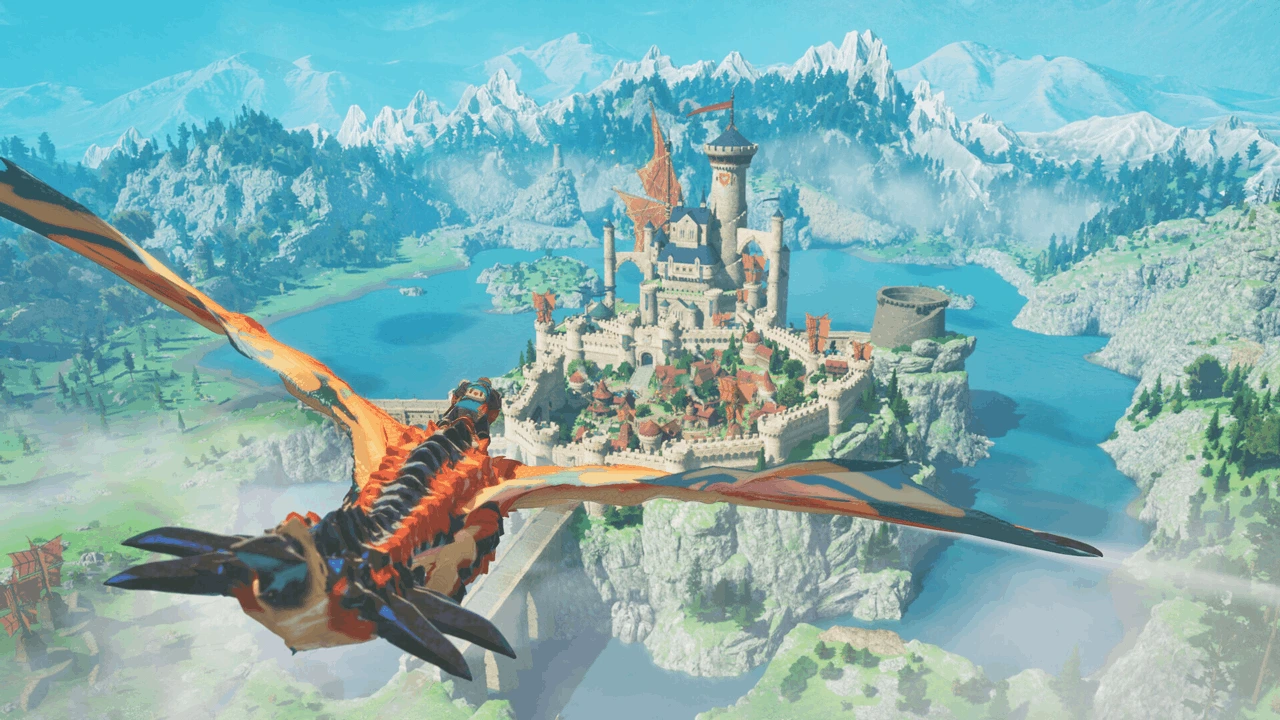
Players once again create and customize their own Rider before setting out across a vast interconnected world filled with forests, snowy mountains, volcanic regions, deserts, crystal caverns, floating ruins, and mysterious Mirror Zones that distort reality itself. Exploration plays a far greater role than in previous entries, with larger environments containing hidden treasures, rare monster dens, environmental puzzles, optional bosses, and numerous side activities waiting to be discovered.
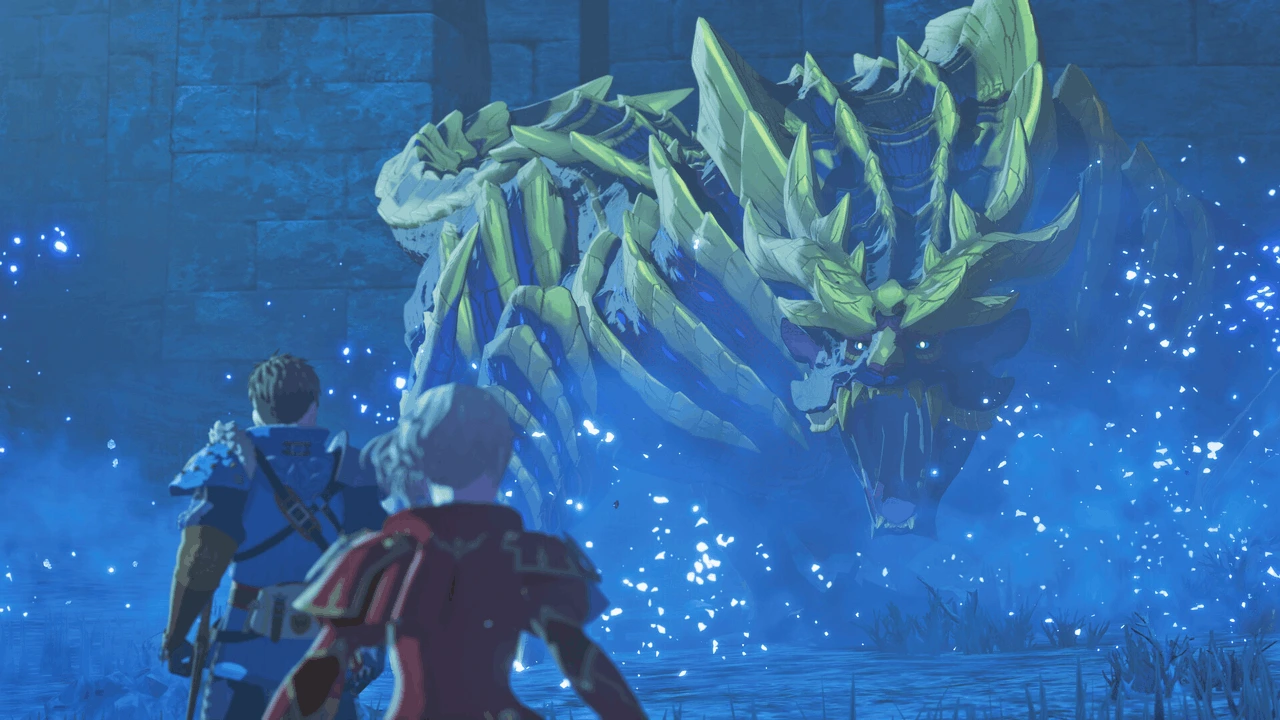
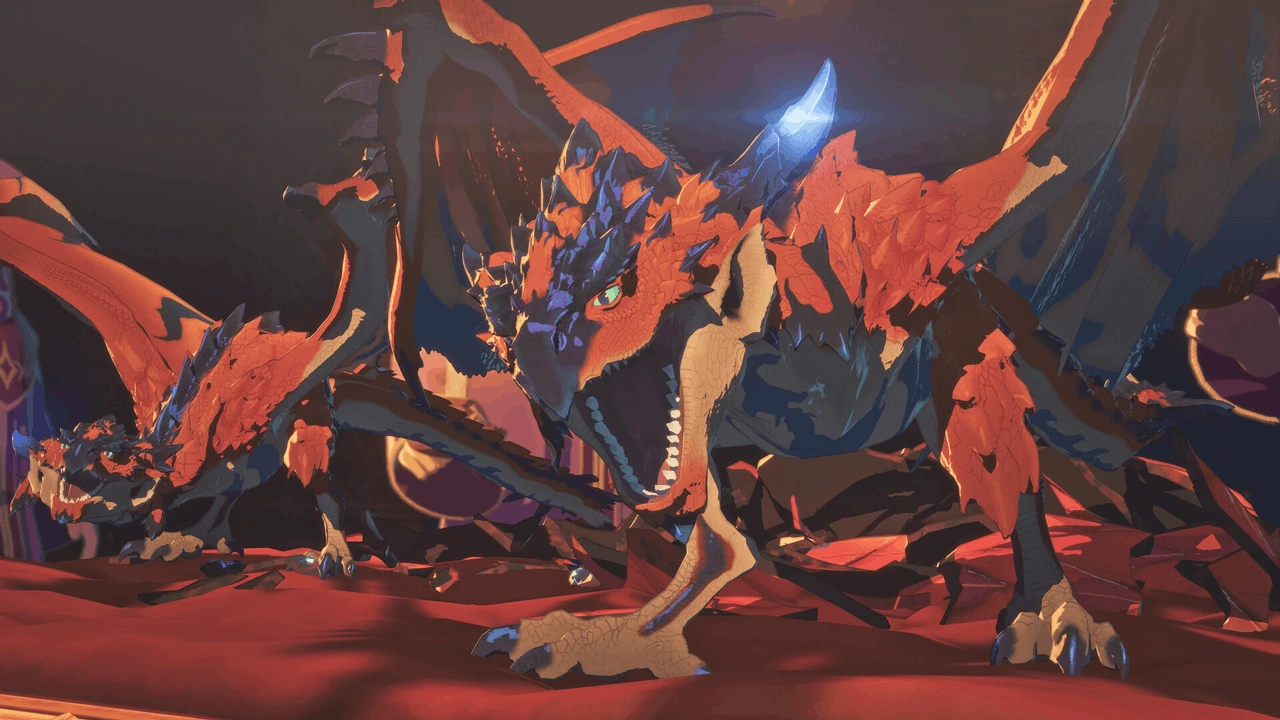
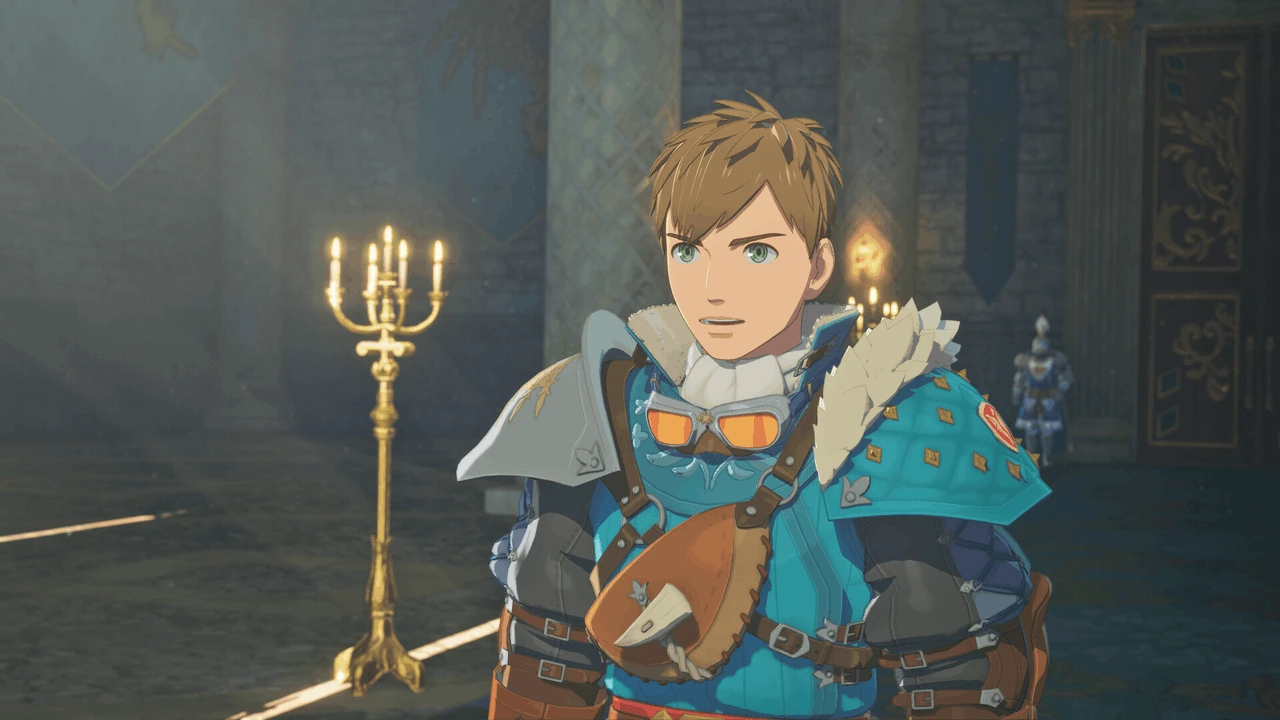
Monster collection remains the heart of the experience. Riders continue to search for monster eggs hidden inside nests before hatching and raising their own Monsties. Hundreds of monsters from across the Monster Hunter universe return alongside numerous new species introduced specifically for this sequel. Fan favorites such as Rathalos, Rathian, Zinogre, Tigrex, Nargacuga, Lagiacrus, Mizutsune, Glavenus, Brachydios, Gore Magala, Velkhana, Magnamalo, and many others are joined by entirely new monsters affected by the mysterious Twisted Reflection phenomenon.
Combat retains the familiar turn-based structure while introducing several meaningful refinements. The classic Power, Speed, and Technical attack triangle remains central to battles, but new Reflection Arts add an additional strategic layer by allowing Riders and Monsties to temporarily mirror enemy abilities or counter powerful attacks using carefully timed techniques. These new mechanics create more tactical encounters that reward careful planning rather than simple statistical superiority.
Kinship Skills have also received significant improvements. Each Monstie now possesses multiple cinematic ultimate abilities that evolve throughout the story based on progression, equipment, and relationship levels. Players can further customize combat by combining inherited genes, elemental affinities, passive bonuses, and new synergy traits that unlock powerful team combinations between Riders and Monsties.
Weapon variety has expanded considerably. Returning favorites such as Great Sword, Sword and Shield, Hammer, Bow, Hunting Horn, and Gunlance return alongside additional weapon techniques and combo abilities that allow Riders to contribute more actively during battles. Equipment crafting remains deeply satisfying, with defeated monsters providing materials used to forge stronger weapons, armor, accessories, and cosmetic customization options.
Quest variety has improved dramatically. Main story missions involve investigating corrupted ecosystems, protecting villages, exploring Mirror Zones, battling powerful Elder Dragons, rescuing missing Riders, and uncovering ancient ruins connected to the mysterious distortions threatening the world. Side quests introduce hunting challenges, delivery requests, monster rescue operations, arena tournaments, friendship missions, and exploration objectives that reward rare materials, valuable equipment, and additional lore.
Online functionality has also been expanded. Cooperative expeditions allow players to explore dangerous high-level regions together, while competitive Rider battles feature improved matchmaking, seasonal rankings, and balanced multiplayer progression. Special limited-time events continue introducing exclusive monsters, equipment, and cooperative raid encounters after completing the main campaign.
Characters
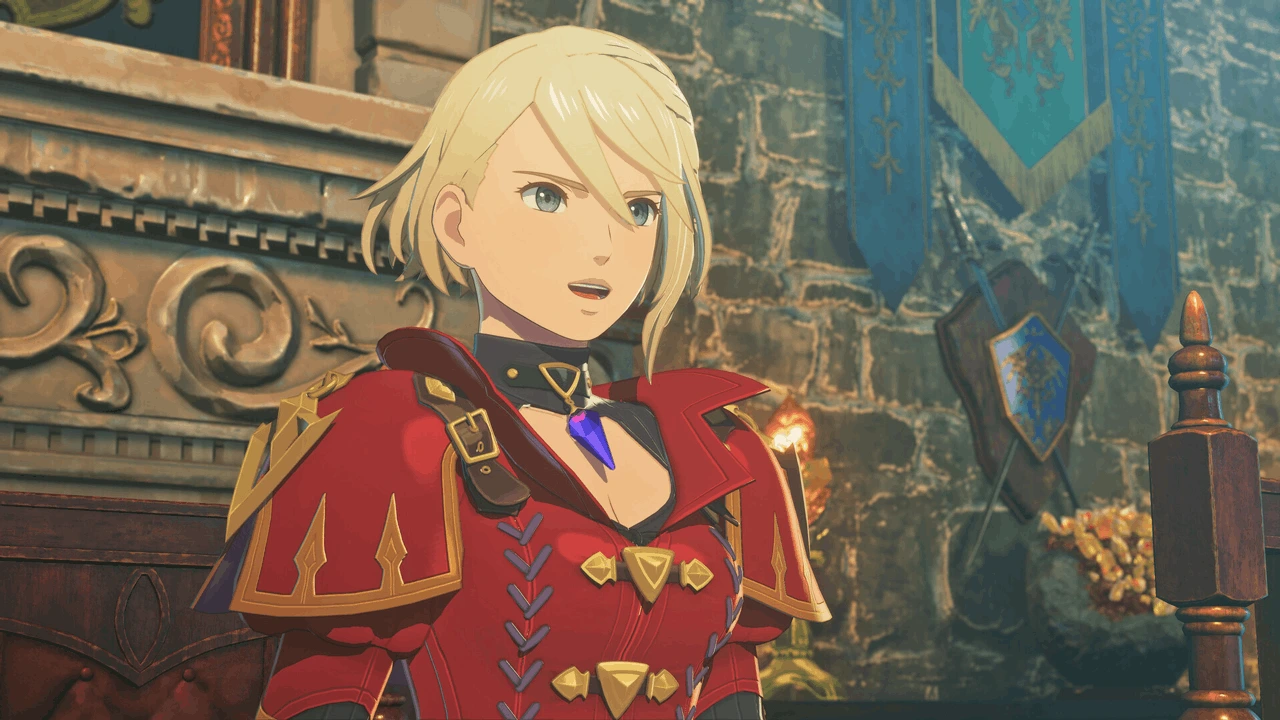
The emotional strength of Monster Hunter Stories 3 lies in its memorable cast of characters. Players assume the role of a fully customizable Rider whose choices and growing bond with their Monsties shape the adventure from beginning to end.
Returning fan-favorite characters make appearances throughout the campaign while a host of new allies expand the world considerably. Players encounter experienced Riders, skilled Hunters, researchers studying the mysterious Mirror Zones, village elders, legendary Monster Riders, young apprentices, traveling merchants, and ancient guardians dedicated to preserving harmony between humans and monsters.
Several rival Riders challenge the protagonist throughout the story, each representing different philosophies regarding humanity’s relationship with monsters. Some seek cooperation and understanding, while others believe monsters should be controlled through force, creating compelling ideological conflicts beyond traditional good-versus-evil storytelling.
Monsties themselves remain central characters rather than simple battle companions. Their personalities, loyalty, and interactions with both the protagonist and supporting cast create numerous heartfelt moments that strengthen the emotional impact of the overall narrative.
Missions and Features
The campaign consists of numerous interconnected chapters that gradually reveal the truth behind the mysterious Twisted Reflection phenomenon. Major objectives include investigating environmental corruption, protecting endangered monster habitats, restoring damaged ecosystems, confronting powerful Elder Dragons, exploring ancient temples, recovering forgotten relics, and uncovering the origins of the Mirror Zones.
One of the sequel’s most impressive additions is the Reflection System, which introduces entirely new puzzle mechanics, alternate exploration routes, hidden dimensions, and unique monster encounters unavailable elsewhere in the game. Combined with improved Monstie customization, expanded cooperative multiplayer, dynamic environmental interactions, and enhanced Rider progression, the sequel delivers substantially greater gameplay variety than its predecessors.
Story Narrative
The story of Monster Hunter Stories 3: Twisted Reflection begins in an era when Riders and monsters once again enjoy a fragile period of peace. Villages have flourished, trade has resumed across distant regions, and the bond between humans and Monsties appears stronger than ever. However, this harmony is suddenly threatened by the appearance of mysterious crystalline distortions known as Mirror Zones, strange phenomena that spread across the landscape and alter the behavior of monsters living nearby.
Creatures that were once peaceful become unusually aggressive, while even experienced Riders struggle to understand why their trusted companions begin acting unpredictably. Ancient legends speak of a forgotten force capable of reflecting not only physical appearances but also the deepest fears, regrets, and hidden emotions within every living creature. As the mysterious distortions continue expanding, entire ecosystems begin collapsing, forcing villages and Rider communities to seek answers before the world descends into chaos.
Players assume the role of a young Rider whose unusually strong connection with monsters grants them the ability to sense the growing corruption long before others recognize its true danger. Alongside a loyal Monstie companion and a diverse group of allies, the protagonist travels across continents investigating the origins of the Mirror Zones while helping communities threatened by increasingly dangerous monsters.
Throughout the adventure, players encounter rival Riders whose conflicting beliefs create some of the narrative’s most compelling moments. While some believe the distortions should be destroyed at any cost, others argue that the mysterious phenomenon may represent an ancient force misunderstood by history. These ideological conflicts add surprising emotional depth to the campaign, ensuring that the central conflict extends beyond a simple battle between heroes and villains.
The game’s supporting cast receives considerably more development than previous entries. Experienced Riders, researchers, village leaders, wandering Hunters, and legendary guardians each contribute meaningful perspectives that enrich the story. Personal relationships evolve naturally through shared adventures, victories, sacrifices, and difficult decisions, making each major character feel important to the overall journey.
As players uncover forgotten ruins, hidden temples, and ancient civilizations connected to the Mirror Zones, they gradually learn the truth behind the Twisted Reflection itself. The campaign explores themes of identity, trust, responsibility, and coexistence while emphasizing that true strength comes not from controlling monsters but from understanding them. Without revealing major spoilers, the final chapters deliver several emotional revelations that successfully tie together the series’ central themes while opening exciting possibilities for future adventures.
Graphics and Sound Effects
Powered by Capcom’s latest RE Engine, Monster Hunter Stories 3 represents the most visually impressive entry in the franchise. Every environment demonstrates remarkable artistic craftsmanship, combining colorful anime-inspired aesthetics with detailed environmental design that captures the charm of the Monster Hunter universe.
The world is larger and more diverse than ever before. Players explore lush forests filled with vibrant wildlife, frozen mountain ranges, volcanic wastelands, crystal-filled caverns, ancient ruins reclaimed by nature, tropical coastlines, and the breathtaking Mirror Zones, whose surreal reflections and shifting landscapes create some of the game’s most memorable visual moments. Dynamic lighting and weather systems further enhance immersion, transforming familiar locations depending on the time of day and environmental conditions.
Character models have received significant upgrades. Riders display more expressive facial animations during story sequences, while Monsties feature smoother movement, enhanced textures, and highly detailed attack animations. Every monster retains its distinctive personality, making interactions feel more believable both during exploration and combat.
Combat effects are particularly impressive. Elemental attacks generate vibrant visual effects without overwhelming the battlefield, Kinship Skills deliver cinematic finishing moves with spectacular animations, and Reflection Arts introduce visually stunning mirror-based abilities that immediately distinguish the sequel from previous games.
The soundtrack once again ranks among the franchise’s strongest features. Sweeping orchestral compositions accompany exploration, while energetic battle themes intensify major encounters against Elder Dragons and legendary monsters. Softer musical arrangements enhance quieter story moments, allowing emotional scenes to resonate naturally.
Environmental audio contributes significantly to immersion. Dense forests echo with wildlife, volcanic caverns rumble with distant eruptions, rivers flow realistically through valleys, and bustling villages feel alive with conversations, crafting activities, and marketplace ambience. Voice performances throughout the campaign are consistently engaging, while authentic monster roars, weapon sounds, and environmental effects further enrich the overall presentation.
Verdict
Monster Hunter Stories 3: Twisted Reflection successfully elevates every major aspect of the franchise while preserving the heartwarming charm, strategic combat, and monster-raising mechanics that have defined the series from the beginning. Capcom demonstrates remarkable confidence by expanding existing systems rather than replacing them, resulting in a sequel that feels both comfortably familiar and meaningfully innovative.
The deeper narrative, emotionally engaging characters, refined combat mechanics, expanded world design, and impressive visual presentation combine to create the strongest Monster Hunter Stories experience to date. The introduction of Reflection Arts, larger exploration zones, enhanced Monstie customization, and more varied quest design ensures that both longtime fans and newcomers will find countless reasons to become invested in the adventure.
Although certain progression systems require considerable time investment and some optional content may feel repetitive after extended play sessions, these minor shortcomings do little to diminish the overall quality of the experience. The game’s exceptional production values, heartfelt storytelling, strategic gameplay, and enormous replayability firmly establish it as one of Capcom’s finest role-playing releases.
For players seeking a thoughtful turn-based RPG filled with memorable monsters, rewarding exploration, emotional storytelling, and deep customization, Monster Hunter Stories 3: Twisted Reflection is an outstanding adventure that successfully carries the beloved series into a bold new era.
The Good
- Excellent turn-based combat with the innovative Reflection Arts system
- Deep Monstie collection, customization, and progression mechanics
- Engaging story with stronger emotional themes and memorable characters
- Beautiful RE Engine visuals featuring diverse environments
- Outstanding orchestral soundtrack and immersive sound design
- Massive amount of post-game and multiplayer content
- Improved exploration with rewarding hidden discoveries
- High replay value through team-building and online activities
The Bad
- Progression can occasionally feel grind-heavy when upgrading Monsties
- Some optional side quests become repetitive during late-game exploration
- Advanced customization systems may overwhelm newcomers initially
- Certain rare monster encounters depend heavily on endgame progression
Release Date and Platforms
Monster Hunter Stories 3: Twisted Reflection was released on March 13, 2026, for Nintendo Switch 2, PlayStation 5, Xbox Series X|S, and Windows PC via Steam. Cross-save support and online multiplayer functionality are available across all supported platforms, allowing players to continue their adventures seamlessly.
Genre
Monster Hunter Stories 3: Twisted Reflection belongs to the turn-based role-playing game (JRPG) genre while incorporating monster collection, creature raising, exploration, adventure, and cooperative multiplayer mechanics. By blending strategic combat with emotional storytelling and extensive customization, the game successfully distinguishes itself from the mainline Monster Hunter series while maintaining its unique identity.
Developer and Publisher
The game was developed and published by Capcom, one of the industry’s most respected developers with decades of experience creating world-class action games and role-playing adventures. Leveraging extensive community feedback from previous Stories titles, Capcom has refined nearly every gameplay system while introducing ambitious new mechanics that expand the franchise without compromising its core identity.
Monster Hunter Stories 3: Twisted Reflection System Requirements
Minimum
- Requires a 64-bit processor and operating system
- OS: Windows®11 (64-bit Required)
- Processor: Intel® Core™ i3-9100 or AMD Ryzen™ 3 3200G
- Memory: 16 GB RAM
- Graphics: NVIDIA GeForce GTX 1660(VRAM 6GB) or AMD Radeon RX 5500 XT(VRAM 8GB)
- DirectX: Version 12
- Network: Broadband Internet connection
- Storage: 50 GB available space
Recommended
- Requires a 64-bit processor and operating system
- OS: Windows®11 (64-bit Required)
- Processor: Intel® Core™ i5-10400 or AMD Ryzen™ 5 3600
- Memory: 16 GB RAM
- Graphics: NVIDIA GeForce RTX 2060 Super(VRAM 8GB) or AMD Radeon RX 5700 XT(VRAM 8GB)
- DirectX: Version 12
- Network: Broadband Internet connection
- Storage: 50 GB available space