A Bold New Chapter in Azeroth’s War Against the Void
Game Introduction
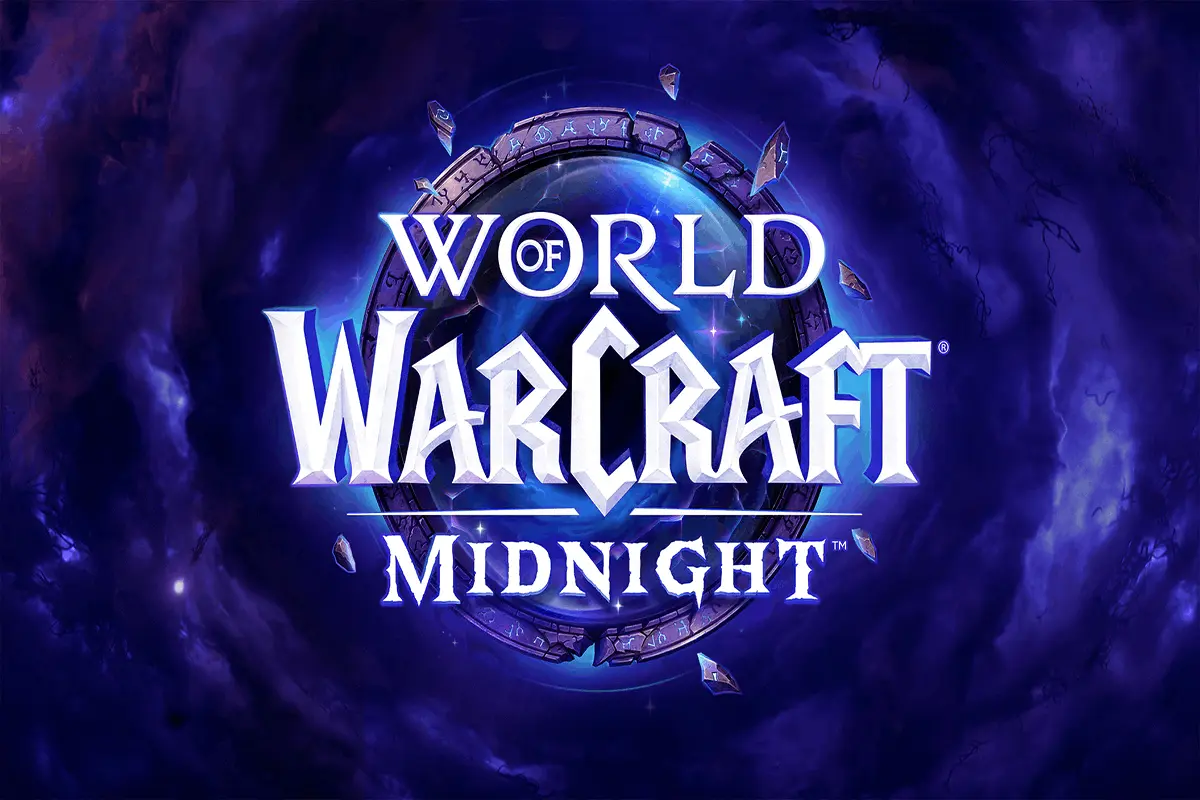
World of Warcraft: Midnight is the eleventh major expansion for Blizzard Entertainment’s legendary MMORPG and the second chapter of the ongoing Worldsoul Saga. Following the events of The War Within, the expansion takes players back to Quel’thalas, the ancestral homeland of the blood elves, where the forces of the Void launch a devastating invasion. At the center of this conflict is Xal’atath, the Harbinger, whose plans threaten not only the kingdom of Silvermoon but the wider future of Azeroth. Blizzard combines a major continuation of the Warcraft storyline with long-requested systems, including player housing, a new playable race, a new Demon Hunter specialization, redesigned zones, new dungeons and raids, and a broader endgame structure.
What makes Midnight particularly interesting is the way Blizzard balances nostalgia with modernization. Eversong Woods and Silvermoon return in substantially reimagined forms, while Zul’Aman, Harandar and the Voidstorm provide completely different environments. Critics have generally praised the expansion’s visual presentation, questing, housing and endgame variety, although reviews have also pointed to bugs, uneven storytelling and some design rough edges. PC Gamer described it as one of Blizzard’s most ambitious expansions in years, while GamesRadar praised its varied questing and strong RPG storytelling.
World of Warcraft: Midnight Gameplay
The gameplay structure of Midnight remains unmistakably World of Warcraft, but Blizzard has introduced enough new systems to make this expansion feel like more than another collection of zones and gear upgrades. Players begin their journey in Eversong Woods before gaining greater freedom over how they approach the campaign. After the initial storyline, players can choose between major narrative paths involving Zul’Aman, Harandar and Arator’s personal journey, allowing the leveling experience to feel less rigid than a traditional linear campaign.
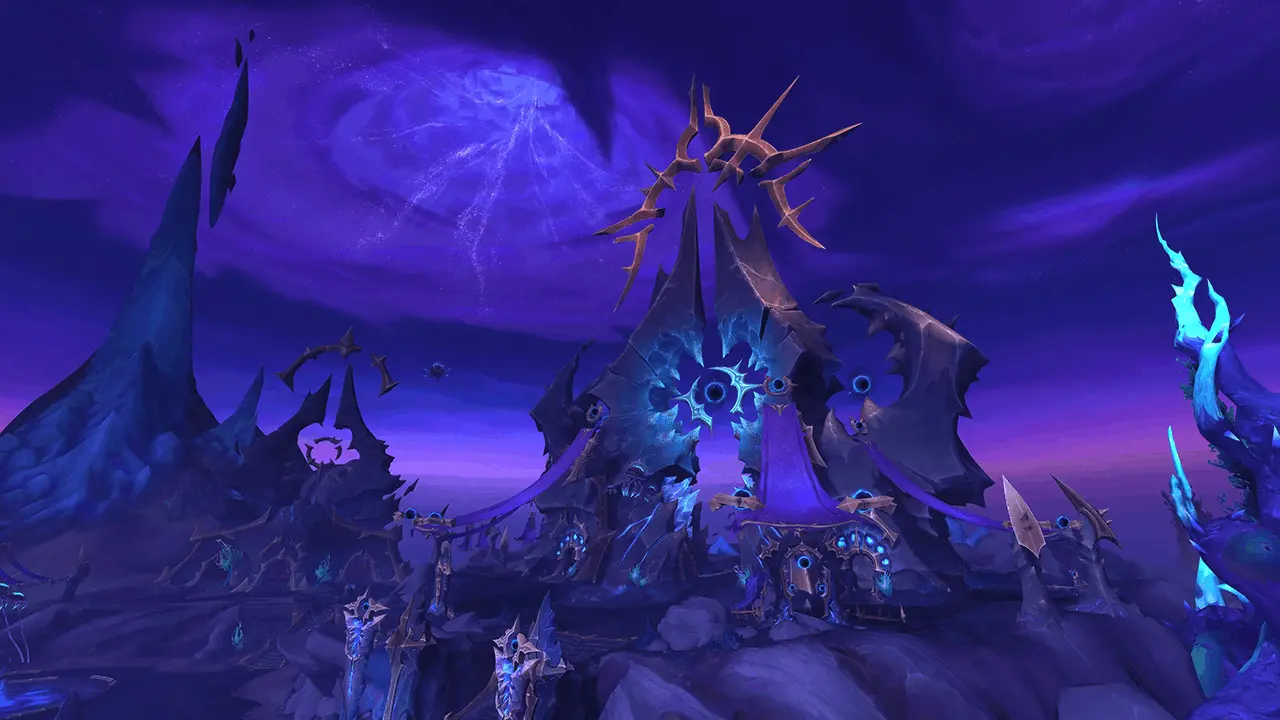
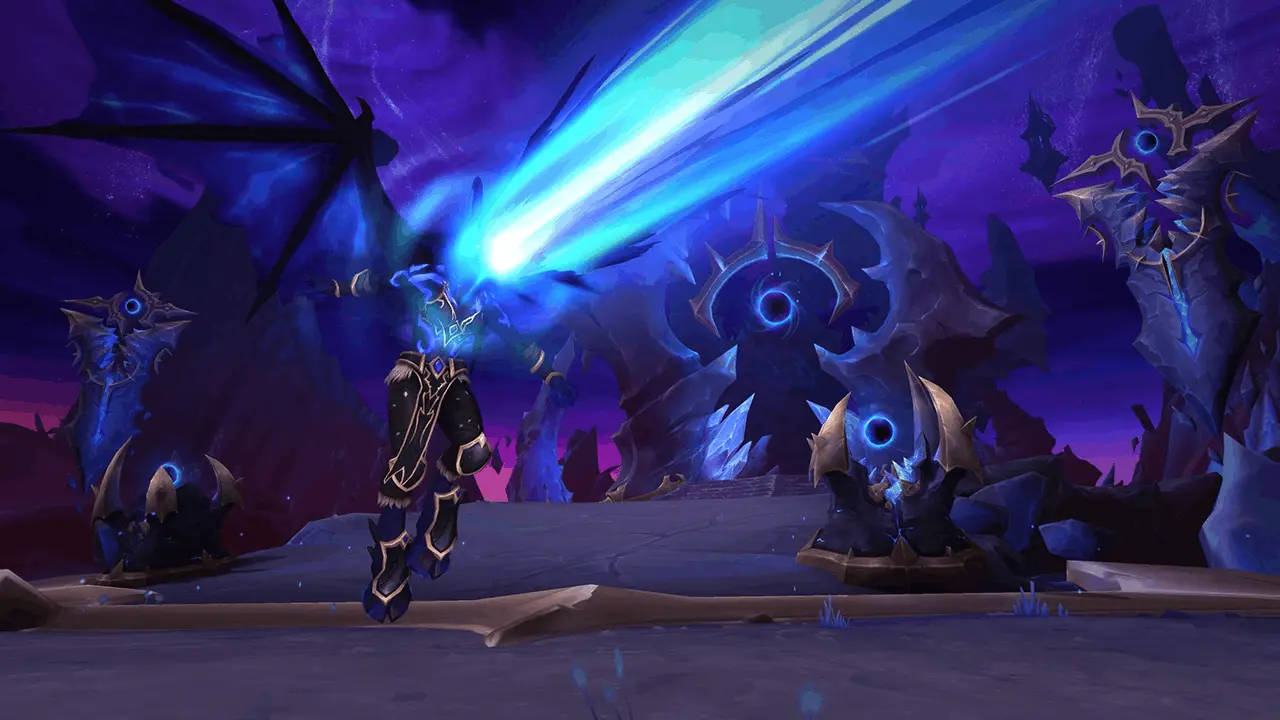
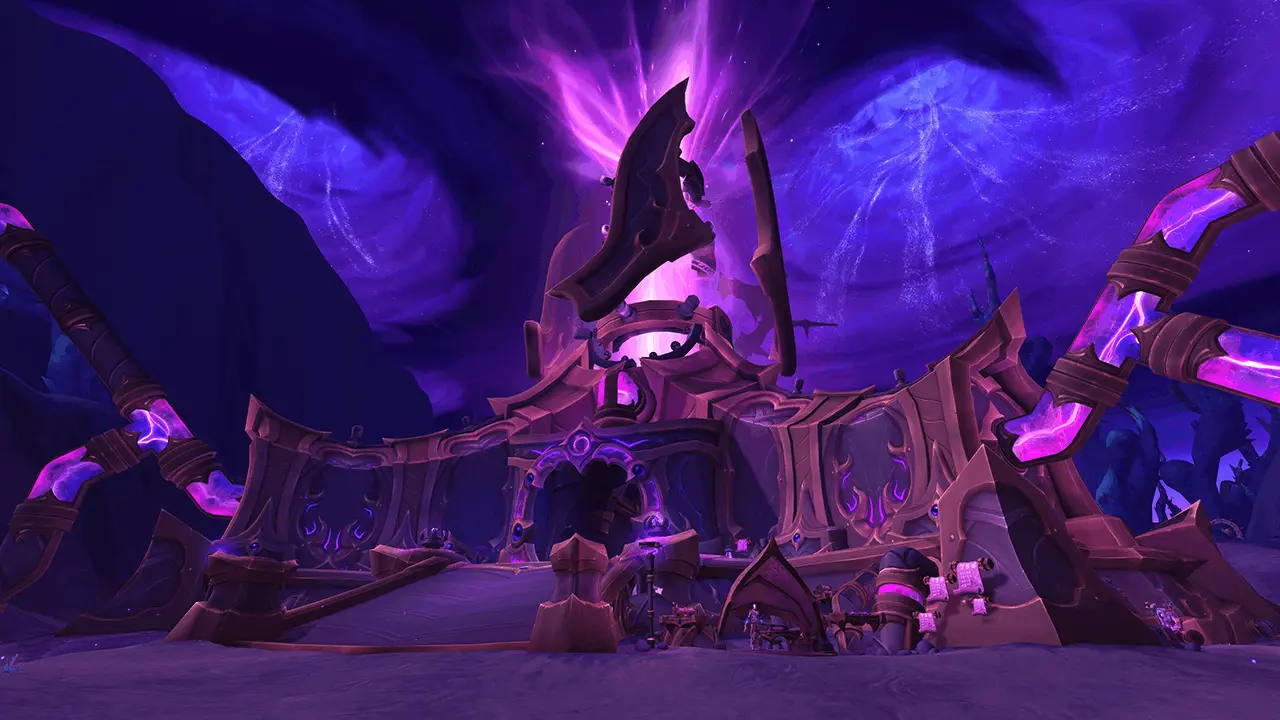
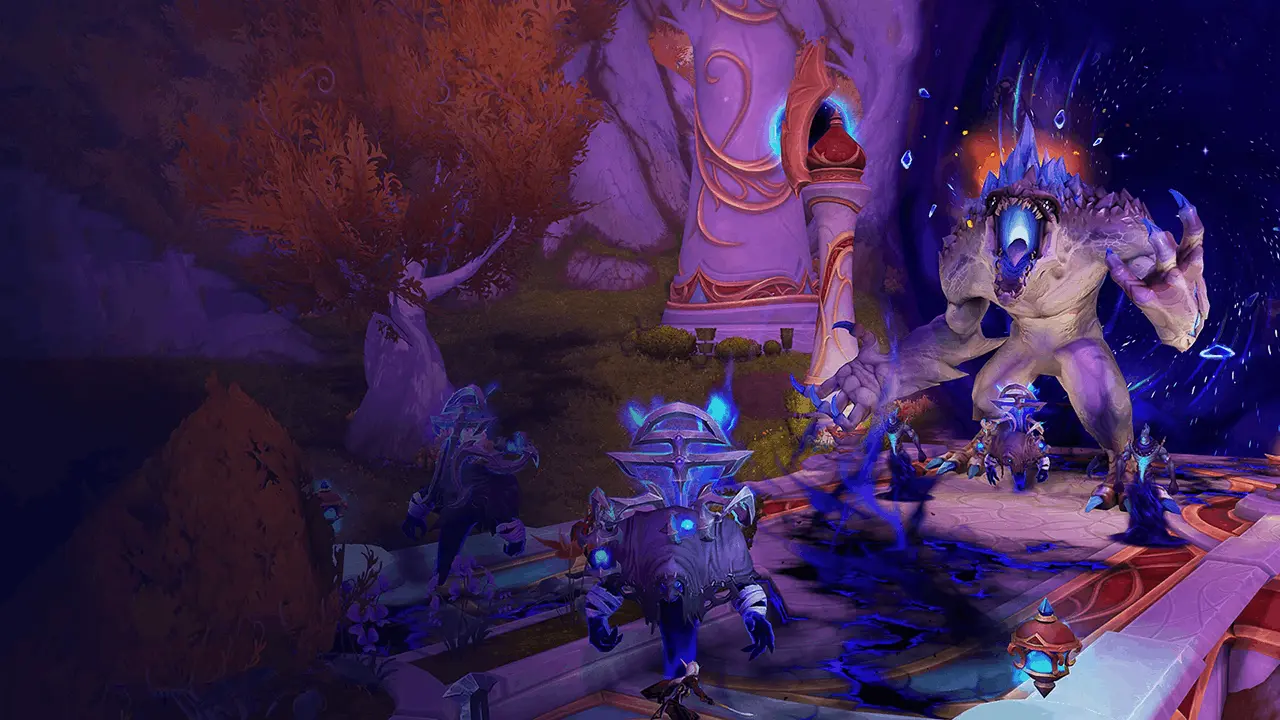
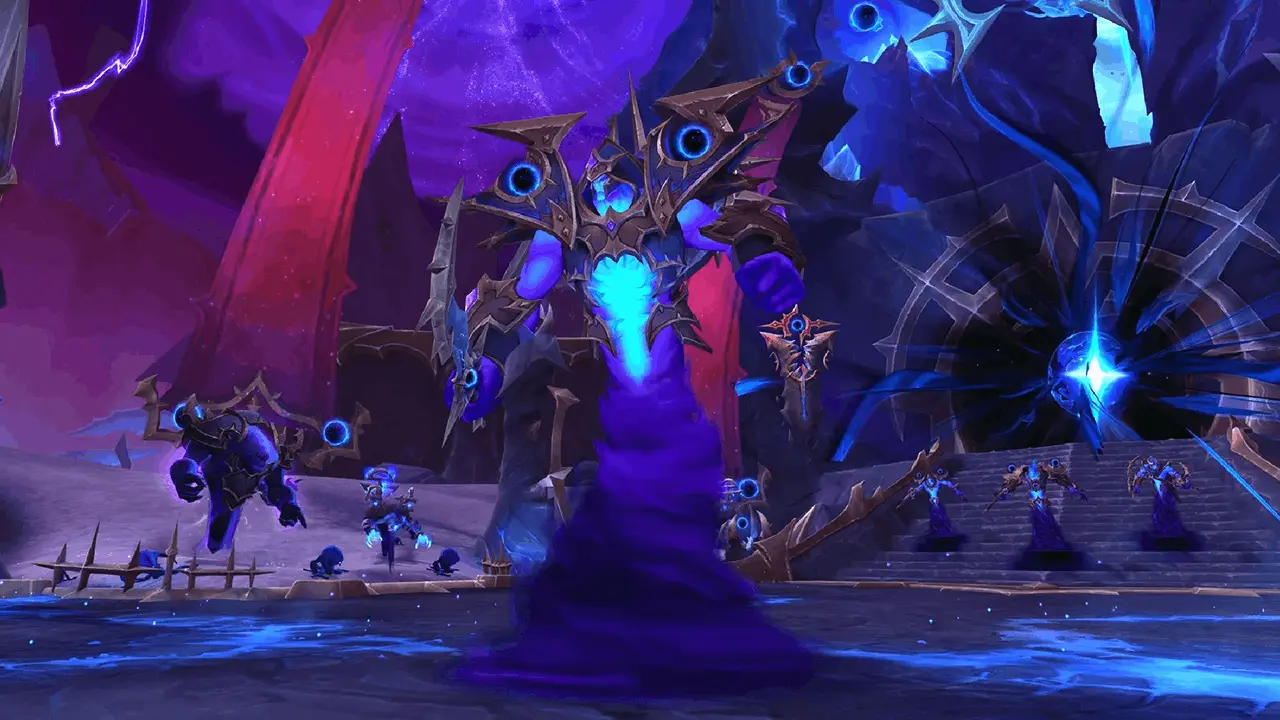
The four principal zones form the foundation of the expansion. Eversong Woods combines the classic Eversong and Ghostlands regions into a much larger and visually enhanced territory centered around the rebuilt Silvermoon City. Zul’Aman takes players into the ancestral lands of the Amani trolls, while Harandar is an enormous bioluminescent jungle hidden among the roots of Azeroth’s World Trees. The final major region, Voidstorm, is a hostile landscape dominated by Void energy and Xal’atath’s forces.
Silvermoon serves as the principal campaign hub and is arguably one of the expansion’s most impressive achievements. The city has been rebuilt on a much larger and more detailed scale, allowing players to move through interconnected streets, interiors and social spaces. Both factions operate in the city, creating an unusual situation for a location traditionally associated with the Horde. IGN highlighted the spectacular reconstruction of Silvermoon as one of the expansion’s strongest visual and atmospheric accomplishments.
Character-driven storytelling is also central to Midnight. Arator, the half-elf paladin and son of Turalyon and Alleria Windrunner, becomes one of the campaign’s most important characters. His journey deals with family, identity, the Light and his relationship with his famous parents. GamesRadar specifically identified Arator and his complicated family relationships as a central element of the campaign.
Alleria Windrunner and Turalyon remain crucial figures as Azeroth’s forces confront the Void, while Xal’atath continues her transformation from mysterious manipulator into one of the saga’s principal antagonists. Other important characters include Liadrin, Lor’themar Theron, Lothraxion and numerous members of the blood elf and Amani factions. The Haranir introduce an entirely new culture through Orweyna and their council of elders. Orweyna, first introduced during The War Within, becomes particularly important as players learn why her people have remained hidden beneath the roots of the World Trees.
The Haranir are also the expansion’s new Allied Race. Players can unlock them by completing their story and earning their trust. Haranir characters can join either the Horde or Alliance and can be played as Druids, Hunters, Mages, Monks, Priests, Rogues, Shamans, Warlocks and Warriors. Their distinctive appearance includes bioluminescent body and facial markings, while their culture revolves around the ancient rootways and the protection of Azeroth’s natural domains.
Another major gameplay addition is the Devourer Demon Hunter specialization. Instead of using the Fel energy associated with traditional Demon Hunters, Devourers manipulate Void power and employ ranged attacks. This gives Demon Hunter players a fundamentally different combat experience and expands the class beyond its previous specialization choices. Blizzard also introduced Void Elf Demon Hunters, creating a new race-and-class combination.
The expansion also raises the level cap to 90 and introduces expanded talent trees with new Apex talents. Across the game’s classes, Blizzard has made broad combat and design changes, while the pre-expansion update introduced a stat and item squish, interface improvements and additional combat information directly into the base UI. Damage meters and more integrated boss alerts reduce the game’s reliance on external addons for basic information.
Player housing is perhaps the most significant non-combat addition. Every player can acquire a home without lotteries, rent or maintenance fees. Houses exist within neighborhoods that can be public or private, and players can share neighborhoods with friends or guildmates. The system allows extensive decoration using collectibles earned throughout Azeroth. Players can change room layouts, place furniture and create homes ranging from simple personal spaces to elaborate showcases of their adventures.
The Prey system provides another form of open-world progression. Players can track powerful targets across Azeroth and beyond, with Normal, Hard and Nightmare difficulties providing increasingly demanding encounters and rewards. The important twist is that the prey can also attack the player, turning what might otherwise be a simple bounty system into a more dynamic hunting experience.
The endgame is built around a broad collection of group and solo activities. Midnight includes eight new dungeons, three raids containing nine bosses, and eleven new Delves, including a Nemesis Delve. New dungeons include Windrunner Spire, Magister’s Terrace, Murder Row, Den of Nalorakk, Maisara Caverns, Blinding Vale, Nexus-Point Xenas and Voidscar Arena. The three major raids are The Voidspire, The Dreamrift and March on Quel’Danas.
Delves return with Valeera Sanguinar as the new companion, while the expansion also adds new PvP options. Slayer’s Rise is a 40-versus-40 battleground situated in the Voidstorm, and PvP Training Grounds provide a more accessible environment for players learning competitive combat. The Arcantina, meanwhile, offers a social hub where players can encounter familiar characters and receive additional stories and quests.
Story Narrative
The story of Midnight begins with Azeroth facing one of its most dangerous threats. Xal’atath and the forces of the Void launch an invasion directly into Quel’thalas, placing the blood elves’ homeland at the center of a conflict between Light and Void. The renewed Sunwell becomes strategically important, while Silvermoon transforms into the main staging ground for the defense of Azeroth.
The campaign initially focuses on resisting the invasion and protecting Eversong Woods. Once players establish themselves in Silvermoon, the story becomes more flexible. The player can pursue the Amani in Zul’Aman, investigate the mysteries of Harandar or accompany Arator as he searches for answers about his family and his relationship with the Light. This structure gives the narrative more breathing room and allows players to explore different conflicts without forcing every storyline into one strict sequence.
Arator’s storyline is particularly effective because it shifts the focus from world-ending threats to a more personal question of identity. As the son of Turalyon and Alleria, he is surrounded by legendary figures and competing philosophies. His journey asks what it means to inherit enormous expectations while attempting to establish an identity of his own. GamesRadar praised this family-centered aspect of the story, while MMORPG.com’s full review described the campaign as one of the expansion’s strongest achievements.
Harandar provides another important narrative thread. The Haranir have spent generations guarding the rootways and remaining isolated from the wider world. Their connection to an ancient goddess and the arrival of Orweyna place their culture directly into the wider conflict. Their story gives the expansion an opportunity to explore a side of Azeroth that has remained largely unknown while also providing the foundation for the new Allied Race.
Eventually, the separate stories converge around the larger threat represented by Xal’atath and the Void. The three raids continue this conflict, taking players deeper into the enemy’s plans and culminating in confrontations designed to push the Worldsoul Saga forward. The result is a story that combines high fantasy spectacle with more intimate themes involving family, heritage, loyalty and identity.
Graphics and Sound Effects
Visually, Midnight is among the most impressive expansions in World of Warcraft’s long history. The reconstruction of Silvermoon is particularly striking, with much greater architectural detail, interconnected interiors and a stronger sense of scale. Eversong Woods has similarly received a major graphical overhaul, giving the iconic blood elf homeland richer lighting, vegetation and environmental detail. IGN described the rebuilt Silvermoon as an unforgettable visual experience, while PC Gamer praised the expansion’s gorgeous presentation.
Harandar offers perhaps the most distinctive visual identity. Its enormous fungal jungle is illuminated by bioluminescent plants and mushrooms, while the roots of Azeroth’s World Trees create a surreal environment unlike the traditional forests and cities of the Warcraft universe. Voidstorm takes the opposite approach, presenting a hostile world overwhelmed by Void energy and cosmic corruption.
Sound design complements the visual changes. Silvermoon’s renewed musical identity incorporates references to earlier Warcraft themes while giving the city a fresh atmosphere. Environmental audio, combat effects, dungeon ambience and raid soundscapes reinforce the contrast between the Light-infused Quel’thalas and the corrupted Voidstorm. The music is especially effective during major story sequences, where familiar Warcraft themes are used to reinforce nostalgia without making the expansion feel trapped in the past.
Verdict
World of Warcraft: Midnight is an ambitious expansion that successfully combines nostalgia with meaningful modernization. Its greatest achievements are the spectacularly redesigned Silvermoon and Eversong Woods, the atmospheric Harandar and Voidstorm zones, the engaging campaign, flexible leveling structure, excellent dungeons, expanded endgame and long-awaited housing system. The Haranir and Devourer Demon Hunter also provide genuinely new ways to experience Azeroth. Its weaknesses include some uneven storytelling, technical issues and occasional design roughness, while players who prefer a more traditional WoW experience may find the housing and collection systems less compelling. Still, the overall critical response has been strongly positive, with major outlets praising the expansion’s breadth and ambition.
The Good
- Beautifully rebuilt Silvermoon and Eversong Woods.
- Excellent variety across four major zones.
- Strong campaign featuring Arator, Alleria, Turalyon, Xal’atath and the Haranir.
- Long-awaited player housing with extensive customization.
- New Haranir Allied Race and Devourer Demon Hunter specialization.
- Eight new dungeons and three raids with nine bosses.
- Expanded Delves and the new Prey hunting system.
- Strong soundtrack and atmospheric audio design.
- Flexible leveling and a diverse endgame.
- Excellent mixture of nostalgia and new ideas.
The Bad
- Some campaign sections can feel convoluted.
- Launch and optimization issues affected parts of the experience.
- Not every new system feels equally polished.
- Some players may find the story uneven between its major arcs.
- Cosmetic monetization can be a concern for players heavily invested in housing.
Release Date and Platforms
World of Warcraft: Midnight launched worldwide on March 2, 2026, at 3:00 p.m. Pacific Time. Players who purchased the Epic Edition received three days of early access beginning February 26, while Housing Early Access had already become available through the preceding content update. The expansion is available on Windows PC and macOS through Blizzard’s Battle.net ecosystem, continuing World of Warcraft’s long-standing computer-only platform strategy.
Genre
World of Warcraft: Midnight is a massively multiplayer online role-playing game (MMORPG) and functions as an expansion rather than a standalone title. Its design combines quest-driven storytelling, character progression, dungeon crawling, large-scale raids, open-world exploration, crafting, PvP, collectibles and social gameplay. What distinguishes Midnight is how many different playstyles it supports: players can concentrate on story quests, housing, Delves, Mythic dungeons, raiding, PvP, exploration or collecting without being forced into a single endgame path.
Developer and Publisher
World of Warcraft: Midnight was developed and published by Blizzard Entertainment, the studio responsible for the Warcraft franchise and the wider World of Warcraft ecosystem. The expansion represents the second chapter of the Worldsoul Saga, with Blizzard continuing the larger narrative established in The War Within. The studio has also used Midnight to modernize several fundamental systems, from class combat and the user interface to transmog and housing.
World of Warcraft: Midnight System Requirements
Minimum
- CPU: 6 Cores, 4.0 GHz boost (Core Coffee Lake, AMD Ryzen Zen 2) or better
- RAM: 8 GB
- VIDEO CARD: 4 GB NVIDIA GeForce GTX 10 series / AMD RDNA 1 / Intel Iris Xe2-LPG Lunar Lake
- DEDICATED VIDEO RAM: 4096 MB
- OS: Windows® 10 64-bit (May 2019 Update or newer)
- SHADER MODEL VERSION: 6.0
- FREE DISK SPACE: 128 GB
Recommended
- CPU: 8 Cores, 5.2 GHz boost (Core Ultra (Series 2), AMD Ryzen Zen 5) or better
- RAM: 16 GB
- VIDEO CARD: 8 GB GPU NVIDIA GeForce RTX 40 / AMD RDNA 3 / Intel Arc B-Series
- DEDICATED VIDEO RAM: 8192 MB
- OS: Windows® 11
- SHADER MODEL VERSION: 6.0
- FREE DISK SPACE: 128 GB