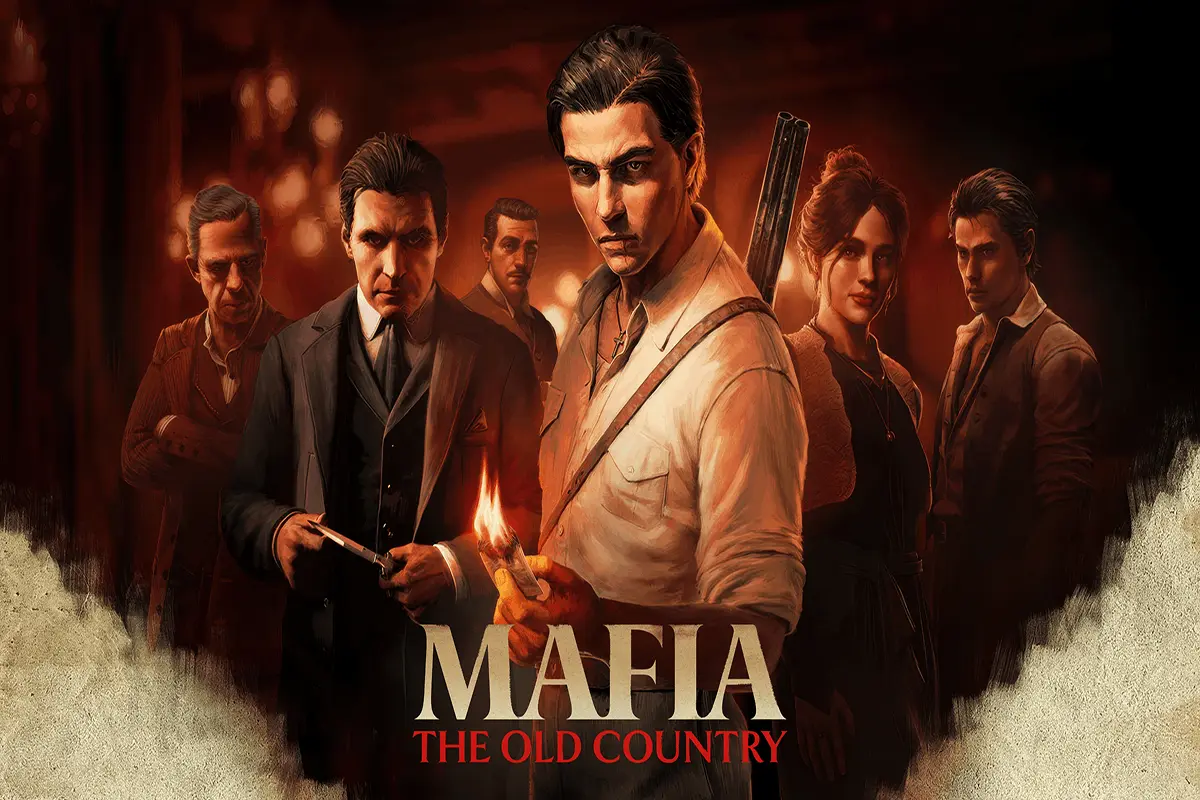
A Beautiful and Brutal Return to the Origins of the Mafia
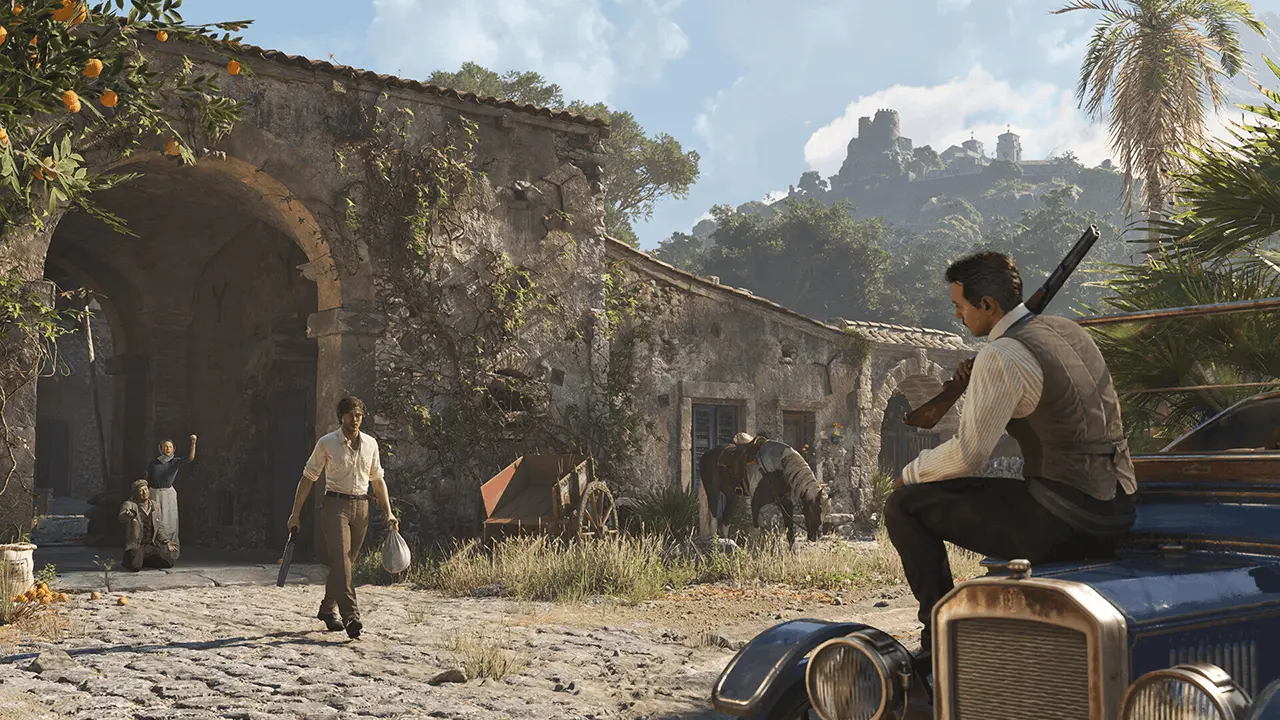
The setting is arguably the game’s greatest achievement. Sicily is presented as a harsh but beautiful landscape of vineyards, dusty roads, ancient buildings, sulfur mines, churches, farms, and small settlements. The game is not designed as a massive sandbox filled with endless side activities. Instead, its world exists primarily to support the story, allowing Hangar 13 to carefully control the pace of Enzo’s rise through the criminal underworld. This decision gives The Old Country a much more focused identity than the previous entry in the franchise.
The story follows Enzo as he escapes the brutal conditions of the sulfur mines and is given an opportunity to work for Don Bernardo Torrisi. What begins as a chance to escape poverty gradually becomes a dangerous journey through loyalty, violence, family politics, romance, betrayal, and revenge. Although the overall gangster narrative follows familiar conventions, the performances and detailed historical setting give the story considerably more personality than its basic plot might suggest.
With its shorter, approximately twelve-hour campaign, linear mission structure, period vehicles, horseback travel, stealth, shooting, knife duels, and cinematic presentation, Mafia: The Old Country is less interested in offering unlimited freedom than in delivering a carefully directed mob drama. That approach is both its greatest strength and one of its most significant limitations.
Mafia: The Old Country Gameplay
The gameplay revolves around four major activities: exploration during story missions, driving and horseback travel, stealth, and combat. Enzo moves through a sequence of chapters rather than a conventional open-world campaign. The main story contains fourteen chapters, beginning with “Famiglia” and “Palio” before moving through missions such as “Pizzu,” “Il Barone,” “Vendetta D’Onore,” “La Difesa,” “Il Sospetto,” “La Legge,” “Il Dolore,” “La Prova,” “La Festa,” “La Bomba,” “Il Tradimento,” “Capiregime,” and the concluding “La Merica.”
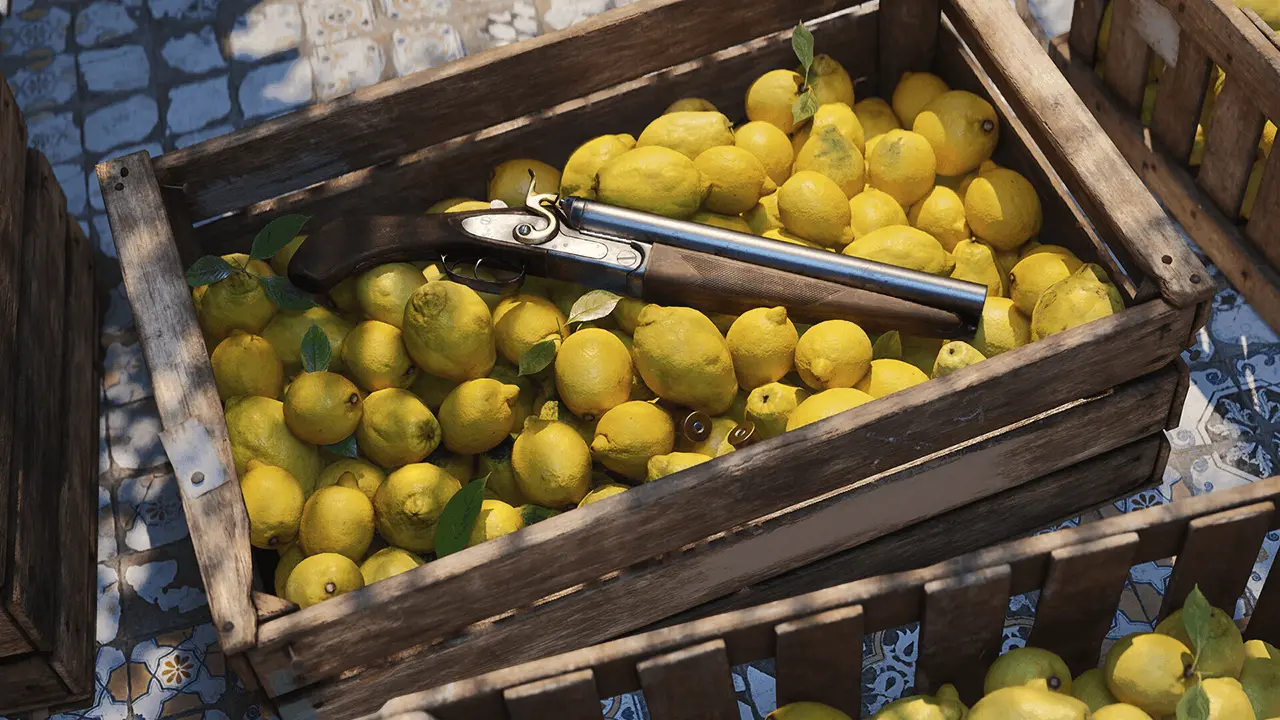
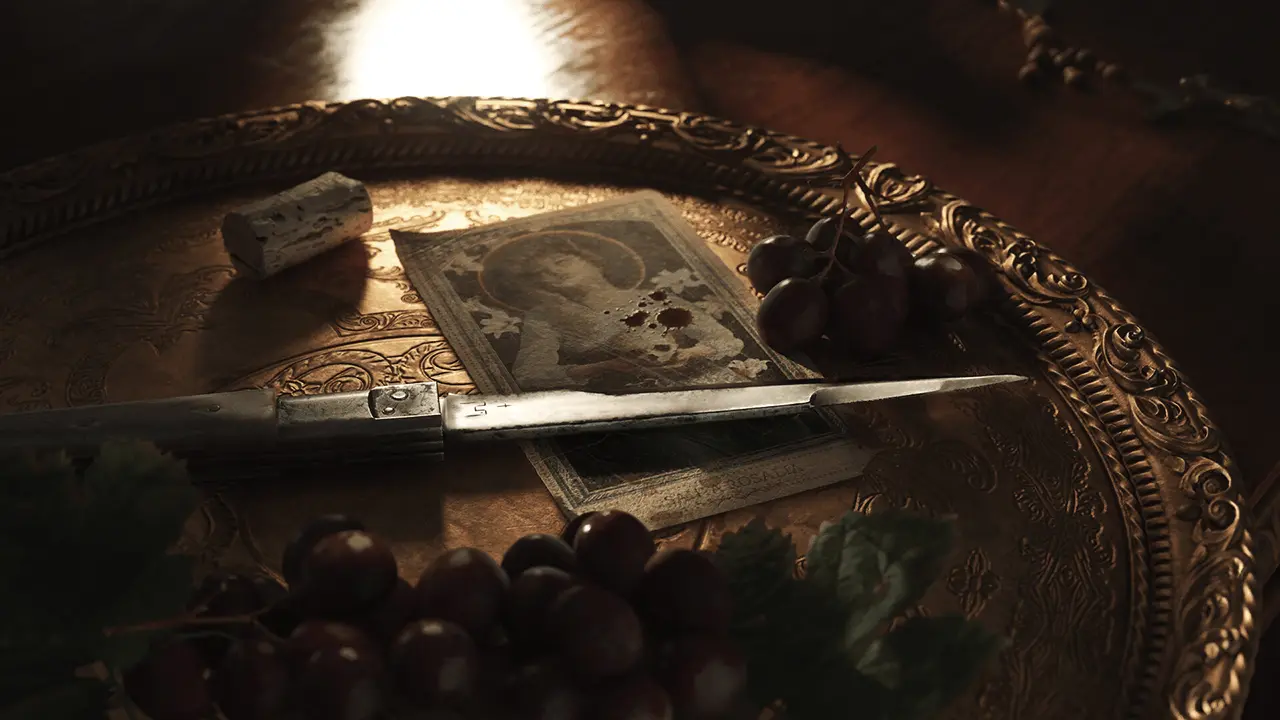
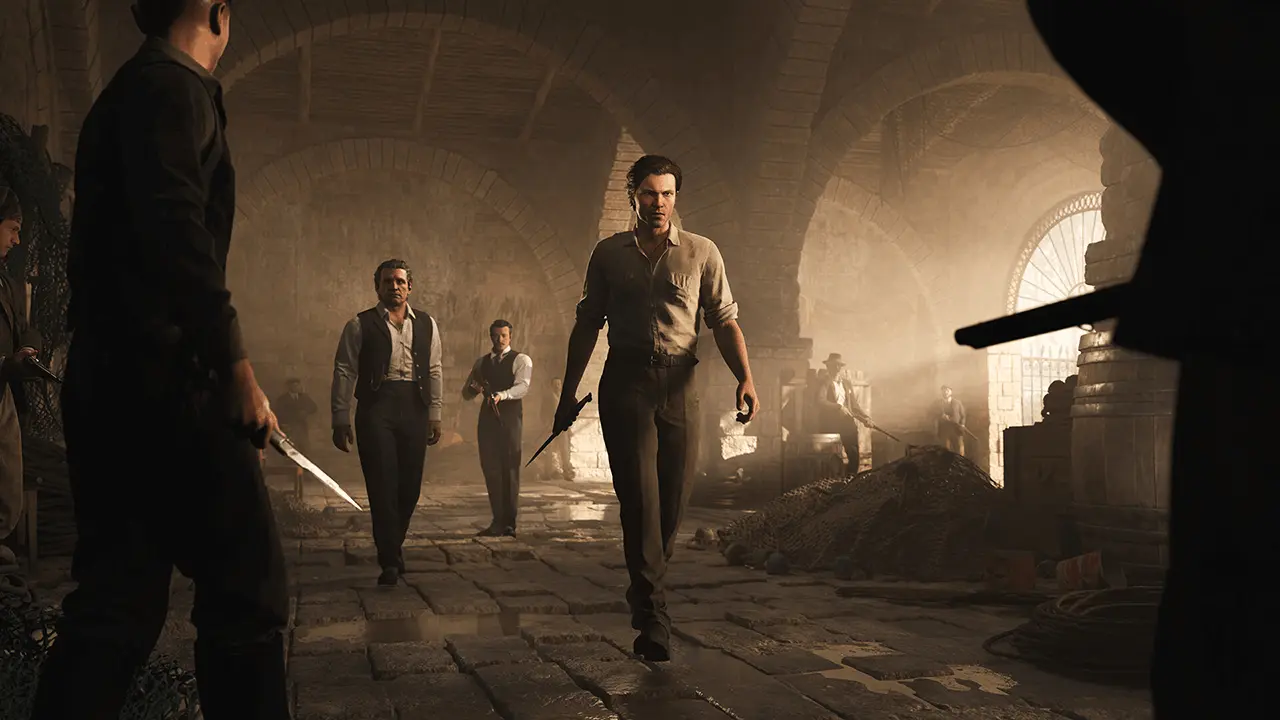
The opening chapter introduces Enzo’s miserable life as a worker in the sulfur mines before he is brought into Don Torrisi’s world. Enzo works around the vineyard and meets important members of the family, including Luca, Cesare, Isabella, and Tino. The second chapter, “Palio,” expands the gameplay with horseback travel and a major horse race, immediately establishing how transportation and local traditions are integrated into the narrative.
“Pizzu” introduces one of the game’s recurring activities: collecting protection money for the Torrisi family. Enzo travels through the countryside with Luca and Cesare, visiting clients and dealing with people who refuse to cooperate. The mission also contains an optional meeting between Enzo and Isabella, giving players an early glimpse of their developing relationship.
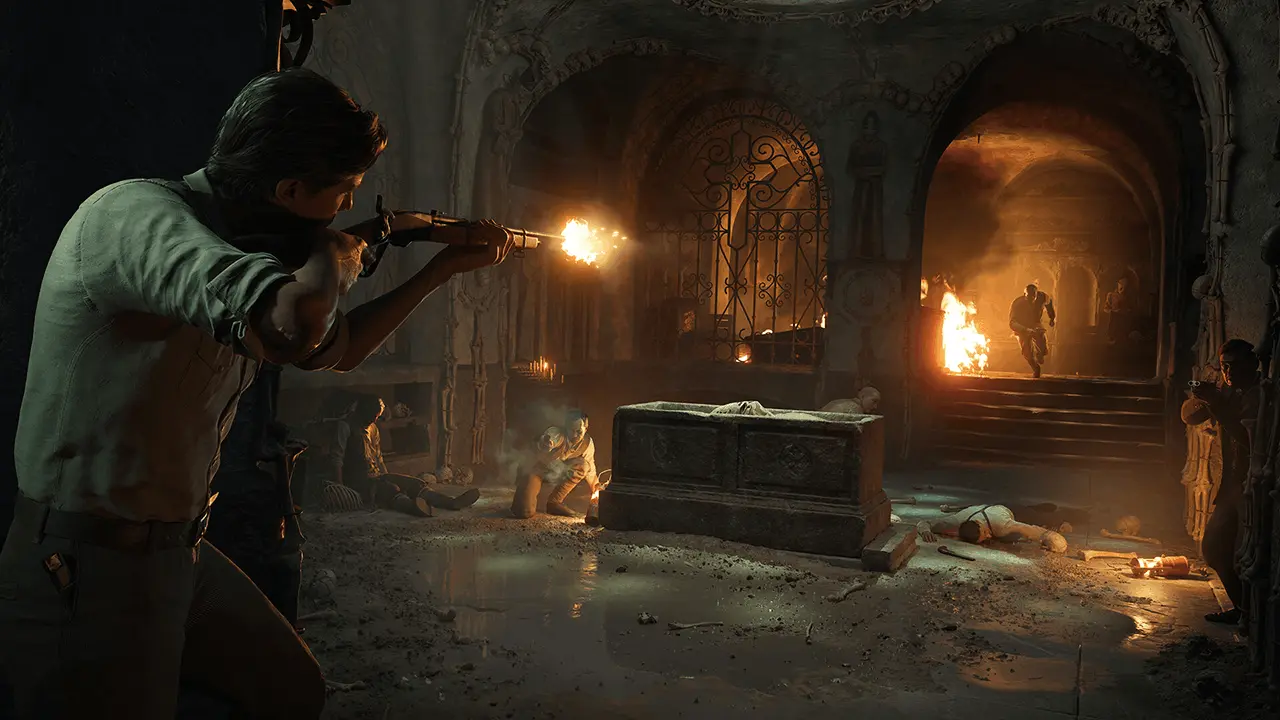
As Enzo becomes more deeply involved with the family, missions increasingly combine travel, surveillance, assassination, robbery, ambushes, and shootouts. The game regularly shifts between quiet conversations and sudden violence. One moment Enzo may be riding through the Sicilian countryside with Luca; the next, he is hiding behind a wall while enemies attack from multiple directions.
Gunplay is straightforward rather than revolutionary. Enzo can carry two firearms and use pistols, rifles, shotguns, and other period-appropriate weapons. Ammunition is limited enough to encourage occasional weapon changes, while grenades provide an option for dealing with groups of enemies. The weapons have considerable physical impact, and the sound of gunfire is one of the combat system’s strongest qualities. However, reviewers have noted that aiming can feel stiff and the overall shooting mechanics lack the sophistication found in more modern third-person shooters.
Stealth provides an alternative to open combat. Enzo can sneak behind enemies, perform silent takedowns, hide bodies, and move through restricted areas without attracting attention. These sequences fit the story because Enzo is often infiltrating locations where a firefight would expose his identity. Unfortunately, the stealth system is also one of the more dated aspects of the game. Some missions use instant-fail conditions where being detected forces a restart, occasionally sending players back much further than expected.
Knife combat is another distinctive feature. Important confrontations frequently end in one-on-one knife duels where Enzo must dodge attacks, block, counter, strike, and break his opponent’s guard. These encounters provide a welcome change from cover shooting and create some of the game’s most cinematic moments. Mechanically, however, the system remains relatively simple, and the repeated tendency of major enemies to abandon their guns for knife fights can sometimes feel artificial.
Transportation is an important part of the experience. Enzo can travel through Sicily on horseback or drive authentic early twentieth-century automobiles. The vehicles are deliberately slower and more cumbersome than modern cars, which helps maintain the historical atmosphere. Horseback riding is especially appropriate for rural Sicily and creates a natural connection between the game’s landscapes and its time period.
Character progression is intentionally limited. Enzo can obtain new weapons and customize his vehicles and horse, while charms and medallions placed on his rosary provide passive bonuses. The game does not overwhelm players with complicated skill trees or dozens of statistics. This supports its cinematic structure but also means there is less mechanical experimentation than in many modern action RPGs.
The supporting cast is central to the gameplay because many missions are structured around relationships. Luca becomes Enzo’s mentor and trusted companion, Cesare acts as both family member and rival, Isabella becomes emotionally important to Enzo, and Tino represents the cold and calculating side of the Torrisi organization. Their personalities develop gradually as Enzo moves deeper into the family.
Story and Narrative
The story begins with Enzo Favara trapped in the brutal world of Sicily’s sulfur mines. Born into poverty and deprived of meaningful opportunities, Enzo sees little hope for a better life. His circumstances change when he encounters Don Bernardo Torrisi, who recognizes something useful in the young man’s determination.
Enzo is brought into the Torrisi family’s sphere and begins working around their vineyard. There he meets Luca, who becomes his mentor, and Cesare, the Don’s ambitious nephew. He also meets Isabella, the Don’s daughter. Their relationship develops despite the strict rules surrounding the Torrisi family, creating a conflict between Enzo’s loyalty to the organization and his feelings for Isabella.
Tino, the family’s consigliere, constantly watches Enzo. Unlike the warmer Luca, Tino is suspicious and calculating, making it clear that Enzo’s position within the family can disappear the moment he becomes inconvenient.
As Enzo completes more dangerous assignments, he learns that the Torrisi family’s protection racket is built on intimidation and violence. What initially looks like an escape from exploitation gradually becomes another form of imprisonment. Enzo gains money, status, weapons, and respect, but each promotion requires him to cross another moral boundary.
The story follows the classic rise-and-fall structure of gangster fiction. Enzo becomes increasingly important to the family while simultaneously becoming increasingly uncomfortable with what he is being asked to do. His relationship with Isabella further complicates matters because Tino and Don Torrisi see personal relationships as potential weaknesses.
The final chapters bring the conflict between Enzo, Don Torrisi, Cesare, Tino, and Isabella to a violent conclusion. Betrayal spreads through the family, and the story eventually shifts perspective to Isabella during its final sequence. The conclusion emphasizes the tragic consequences of Enzo’s choices rather than presenting the Mafia lifestyle as a glamorous success story.
Graphics and Sound
Visually, Mafia: The Old Country is one of Hangar 13’s most impressive achievements. Unreal Engine 5 allows the studio to create highly detailed environments, realistic lighting, dense vegetation, convincing materials, and expressive character models. Technologies such as Lumen and Nanite help produce both detailed interiors and large Sicilian vistas.
The landscapes are particularly impressive. Sunlit vineyards, rocky mountains, dusty roads, old villages, churches, mines, and Mediterranean vegetation create a convincing sense of place. The muted earthy color palette complements the early twentieth-century setting, while detailed clothing, weapons, vehicles, and architecture reinforce the historical atmosphere.
Character faces also benefit from modern rendering and motion capture. Facial expressions during major conversations help sell the emotional weight of the story, while cinematic performances from the cast give the main characters greater personality.
Sound design is equally important. Gunshots have substantial impact, automobiles produce appropriately primitive mechanical noises, horses sound natural, and environmental audio gives the countryside a sense of life. The game also features full Sicilian voice acting, which is one of its most distinctive authenticity-focused additions. The Sicilian performances are particularly effective at establishing the game’s cultural identity, although the localized dialogue is not always perfectly synchronized with the characters’ lips.
The musical score reinforces the atmosphere with a mixture of tense crime-drama themes and quieter emotional compositions. The result is a soundscape that works best during long drives, nighttime sequences, family conversations, and dramatic confrontations.
Verdict
Mafia: The Old Country is an impressive crime drama whose greatest strengths are its atmosphere, storytelling, performances, historical authenticity, and extraordinary depiction of early twentieth-century Sicily. Its linear structure is a refreshing return to the focused approach of the earliest Mafia games, and the decision to avoid unnecessary open-world filler allows Enzo’s story to remain at the center of the experience. At the same time, the gameplay systems are less impressive than the presentation. Shooting is functional but conventional, knife combat is simple, stealth can feel frustratingly dated, and the world has far less interactivity than its beautiful appearance suggests. Reviewers were consequently divided: some praised its focused storytelling and setting, while others considered its mechanics too conservative.
The Good
- Exceptionally detailed recreation of early twentieth-century Sicily.
- Strong cinematic storytelling and memorable performances.
- Excellent main cast, particularly Enzo, Luca, Isabella, Cesare, and Tino.
- Beautiful Unreal Engine 5 visuals and realistic lighting.
- Authentic Sicilian voice acting.
- Strong environmental and weapon sound design.
- Focused linear campaign without open-world filler.
- Effective mixture of driving, horseback riding, stealth, shooting, and knife combat.
- Atmosphere that consistently feels like a classic gangster film.
The Bad
- Gunplay is relatively basic and can feel dated.
- Stealth sections sometimes rely on frustrating instant-fail detection.
- Knife duels become repetitive and occasionally feel artificially forced.
- The beautiful world has limited interactivity outside missions.
- Very little meaningful side content.
- Story follows familiar gangster conventions and rarely surprises.
- Technical performance can vary on PC.
- Short campaign may disappoint players expecting a large open-world Mafia experience.
Release Date and Platforms
Mafia: The Old Country was released on August 8, 2025. It is available on PlayStation 5, Xbox Series X|S, and PC through Steam. The game was designed specifically for current-generation hardware rather than supporting older PlayStation 4 and Xbox One systems.
Genre
Mafia: The Old Country is a single-player action-adventure and crime drama with third-person shooting, stealth, driving, exploration, and cinematic storytelling. While its expansive Sicilian environment can initially resemble an open-world game, the campaign is actually structured around linear chapters and carefully directed missions. This makes it closer in philosophy to the original Mafia and Mafia II than to the open-ended design of Mafia III.
Developer and Publisher
The game was developed by Hangar 13 and published by 2K. Hangar 13 deliberately moved away from the proprietary technology used in earlier entries and built The Old Country with Unreal Engine 5. The development team also traveled to Sicily, studied historical photographs and written accounts, and researched the culture and Mafia history of the period to make the fictional setting feel authentic.
Mafia: The Old Country System Requirements
Minimum
- OS: Windows 10 / 11
- Processor: AMD Ryzen 7 2700X / Intel Core i7-9700K
- Memory: 16 GB RAM
- Graphics: AMD Radeon RX 5700 XT / NVIDIA RTX 2070
- DirectX: Version 12
- Storage: 55 GB available space
- Additional Notes: Requires a 64-bit processor and operating system. Requires SSD ; Graphic Preset: Medium ; Resolution: 1080p
Recommended
- OS: Windows 10 / 11
- Processor: AMD Ryzen 7 5800X / Intel Core i7-12700K
- Memory: 32 GB RAM
- Graphics: AMD Radeon RX 6950 XT / NVIDIA RTX 3080 Ti
- DirectX: Version 12
- Storage: 55 GB available space
- Additional Notes: Requires a 64-bit processor and operating system. Requires SSD ; Graphic Preset: High ; Resolution: 1440p