A Chaotic, Destructive and Refreshingly Original Multiplayer Shooter
Game Introduction
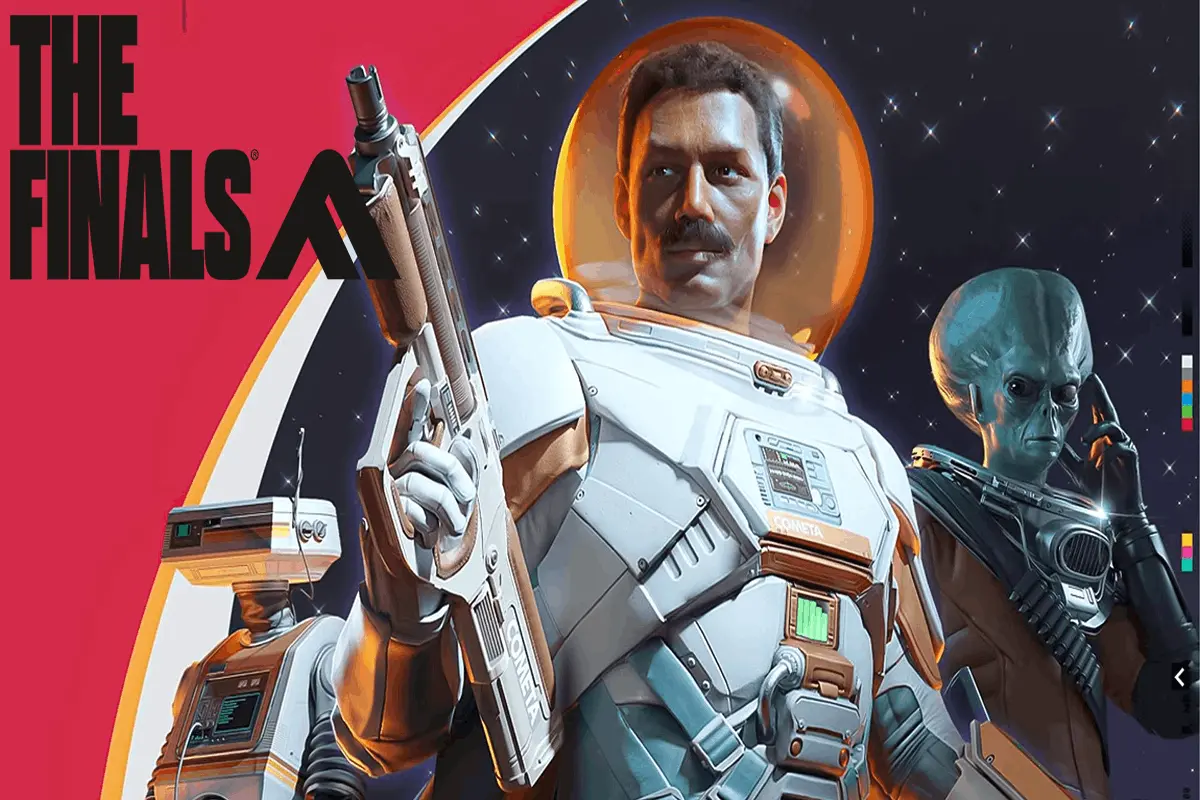
THE FINALS is one of the most distinctive competitive shooters of the modern era, built around an idea that sounds simple but becomes remarkably deep in practice: players compete inside a televised virtual combat show where almost everything around them can be used, destroyed, manipulated, or rebuilt. Developed by Embark Studios, the free-to-play multiplayer shooter combines fast first-person gunplay with team-based objectives, character customization, gadgets, abilities, and an unusually advanced destruction system. Rather than treating the environment as a static background, THE FINALS turns buildings, walls, bridges, furniture, vehicles, and other objects into potential weapons or tactical tools. This philosophy is what separates the game from conventional competitive FPS titles.
The game’s matches are designed around unpredictability. A team defending a Cashout can build what appears to be an impenetrable position, only for an opposing Heavy to destroy the floor beneath them. A Light contestant can use mobility tools to attack from an unexpected rooftop, while a Medium can keep teammates alive or create new routes through the arena. The result is a multiplayer experience where mechanical skill matters, but creativity, positioning and teamwork can be equally important.
Detailed Gameplay
At its core, THE FINALS is a team-based first-person shooter built around customizable Contestants rather than fixed heroes. The three fundamental body types are Light, Medium and Heavy, and each dramatically changes how a player approaches combat. Light Contestants are fast and fragile, making them ideal for flanking, scouting and sudden attacks. Medium Contestants provide a balanced combination of mobility, firepower and support, while Heavy Contestants have greater survivability and access to equipment capable of reshaping the battlefield. The game does not permanently lock players into predefined heroes; instead, players mix weapons, gadgets and Specializations to create their own builds. Embark itself describes the modern system as a “hero builder” rather than a traditional hero shooter.

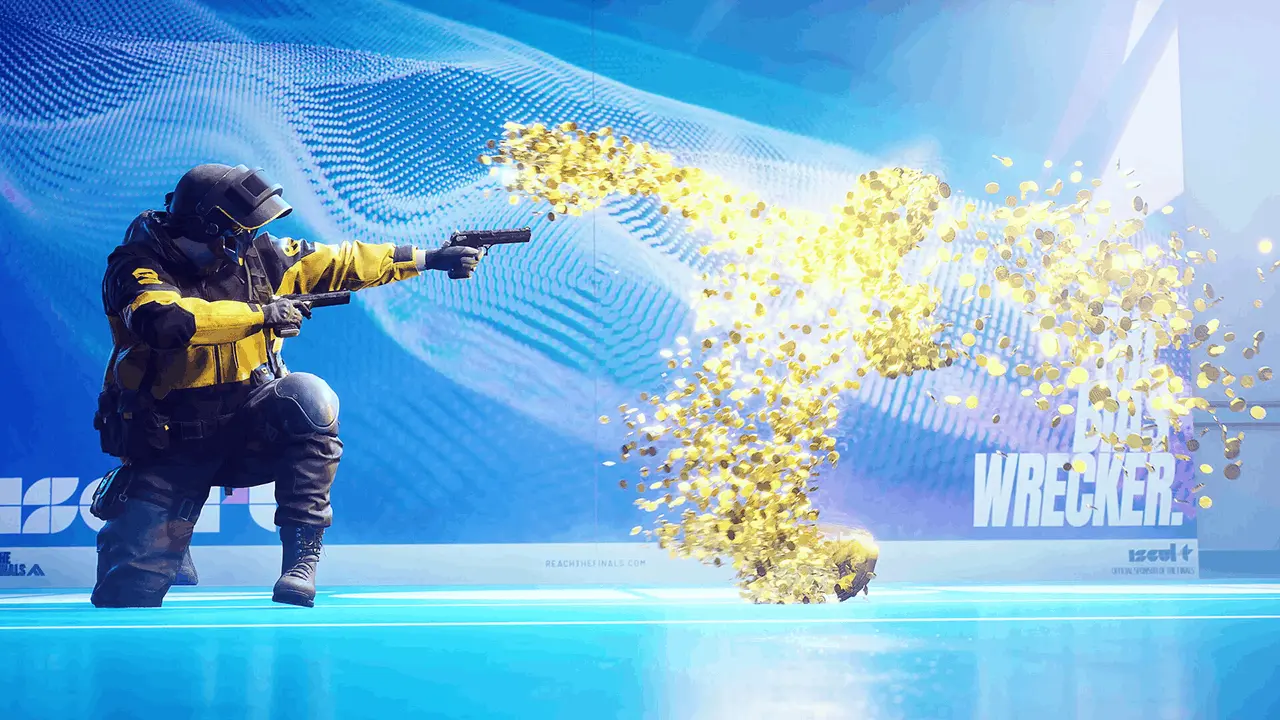
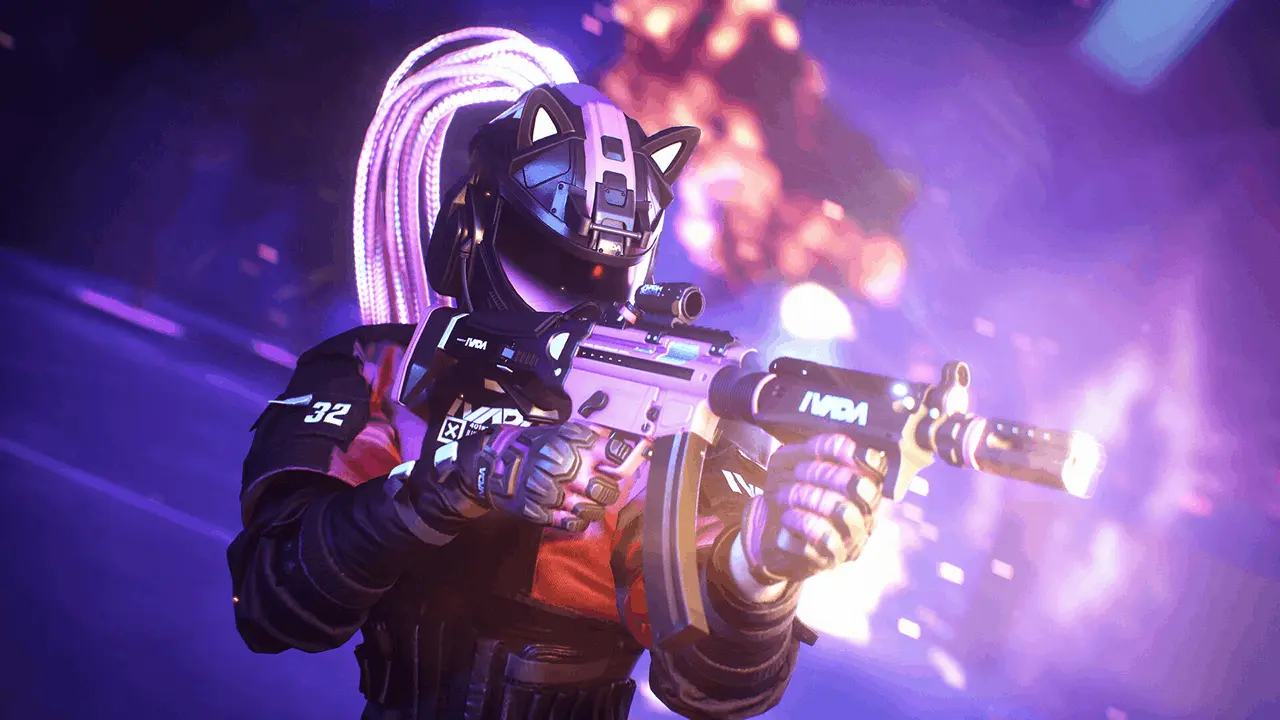
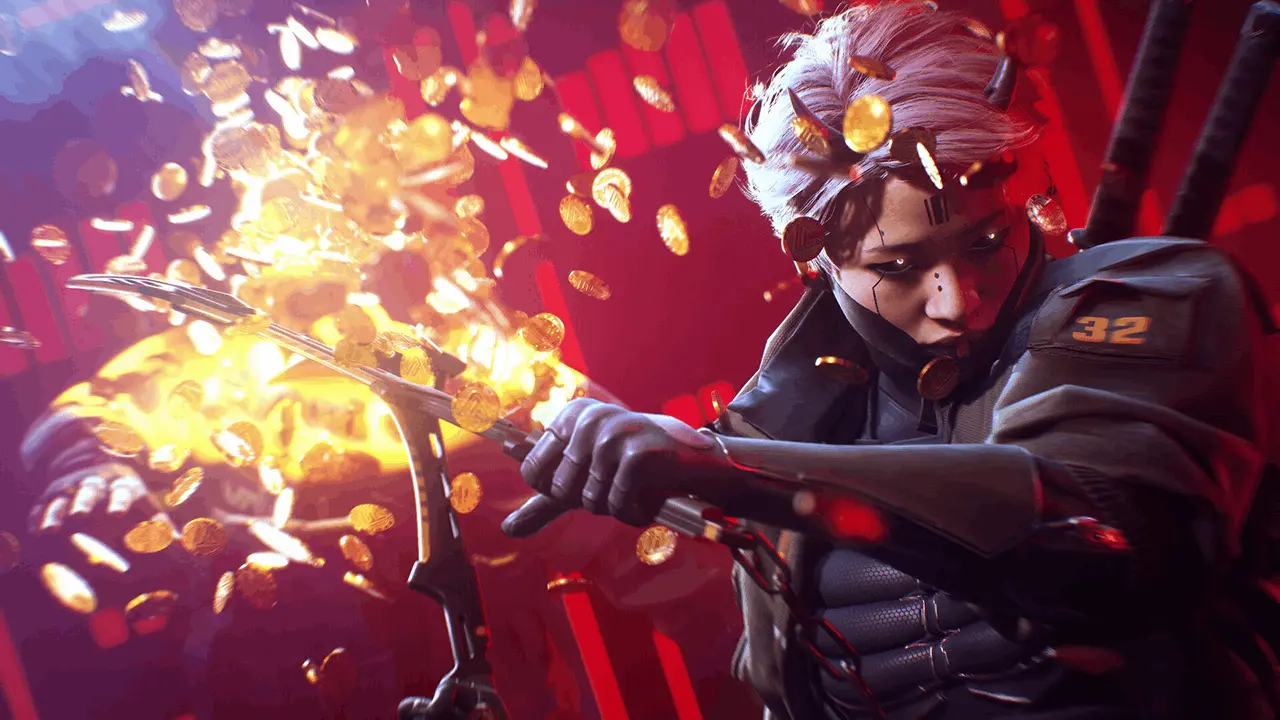
Light is generally the game’s most mobile archetype. Depending on the chosen loadout, Lights can use tools such as the Grappling Hook, Cloaking Device and Evasive Dash to move quickly through the environment and attack opponents from unexpected directions. Their smaller health pool means that reckless engagements can be extremely dangerous, but a skilled Light can appear, eliminate a target and disappear before the enemy has time to react. Weapons such as SMGs, pistols, sniper-style options, bows and melee weapons further support different approaches.
Medium is arguably the most flexible class. It can be built around direct combat or team support, with equipment such as the Healing Beam, Defibrillator, Guardian Turret, APS Turret, Jump Pad and Zipline providing substantial utility. A well-positioned Medium can revive fallen teammates, establish defensive positions, create routes between buildings and maintain pressure during a Cashout fight. This makes Medium particularly valuable for coordinated teams because its tools often allow teammates to survive situations that would otherwise result in elimination.
Heavy is the game’s powerhouse. Heavy Contestants can absorb significant punishment while carrying weapons and Specializations designed for close-range combat, demolition and area control. The Sledgehammer, Flamethrower and other heavy weapons provide distinctive alternatives to traditional firearms, while equipment such as the RPG, Dome Shield, Barricade and Goo Gun allows players to destroy or reinforce sections of the arena. Heavy is particularly effective when a team needs to break through a fortified objective or transform the environment into a defensive position.
The most important objective remains Cashout. Teams locate a Vault, retrieve its Cashbox, transport it to a Cashout Station and defend the station while money accumulates. Other teams can attack, steal the Cashbox or take control of an active Cashout, creating battles that constantly shift between different areas of the map. The official rules describe the basic rhythm as locate, deposit and defend, but the destruction system makes every stage considerably more complicated.
The tournament structure gives Cashout an additional competitive layer. Teams fight through successive stages, with successful squads advancing toward the final confrontation. Ranked Cashout places greater emphasis on competitive consistency, while World Tour provides a more flexible progression-focused experience. The game has also evolved considerably beyond its launch modes, with Quick Cash, Team Deathmatch, Power Shift, Terminal Attack and newer experiences such as Point Break offering different approaches to competition.
Power Shift changes the formula by putting two five-player teams around a moving platform. Teams must control the platform and push it toward the opposing side of the map while preventing the enemy from doing the same. This creates constantly moving battles in which destruction can open new paths or eliminate defensive positions. Terminal Attack, meanwhile, is a 5v5 attack-and-defense mode where teams take turns delivering a decryption key to a terminal. Its limited-life structure creates a much more methodical experience than Cashout.
Point Break introduces another objective-focused format in which Attackers attempt to destroy Grand Vaults while Defenders try to stop them and exhaust the attackers’ limited respawn resources. Team Deathmatch provides the most straightforward option for players who simply want to concentrate on eliminations, while other modes and limited-time events continually give the game’s competitive structure new variations.
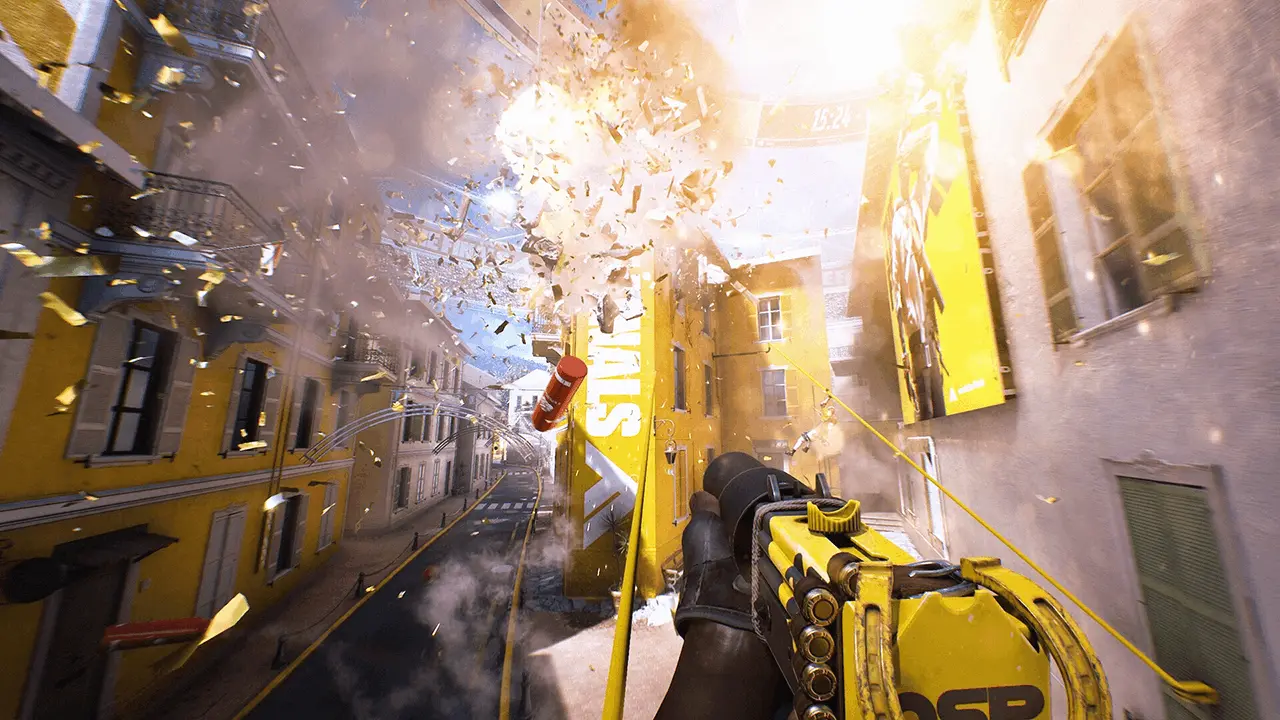
Destruction is where THE FINALS truly becomes different. Walls can be blown apart, floors can collapse, rooftops can be opened and entire sections of buildings can fall. Explosives can turn defensive positions into exposed killing zones, while Goo-based equipment can create temporary barriers and routes. Players can even manipulate objectives by changing the physical location of the battlefield around them. GameSpot and Game Informer both highlighted this environmental destruction as one of the game’s defining strengths, while PC Gamer noted how the system creates opportunities that conventional shooters simply cannot provide.
The arenas themselves are designed to support this philosophy. Locations inspired by Monaco, Seoul, Las Vegas, Kyoto, SYS$HORIZON, Skyway Stadium, Fortune Stadium and other settings combine verticality, open streets and dense interiors. Weather conditions, map variants and game-show events can alter visibility or the physical layout, preventing players from relying entirely on memorized routes. A strategy that works in one match may become useless after a building has been destroyed or an environmental event changes the battlefield.
Story Narrative
Although THE FINALS is fundamentally a multiplayer shooter, it has a fictional narrative framework that gives its matches personality. The game takes place within a futuristic virtual combat show in which Contestants compete for money, fame and the attention of the viewing public. Players are effectively performers entering digital arenas while commentators describe the action and sponsors compete for influence.
As the game’s seasons have progressed, this world has developed into a larger fictional universe involving corporations, sponsors and mysterious organizations. Contestants can align themselves with sponsors such as ISEUL-T, VAIIYA and DISSUN, while earlier seasons introduced conflicts involving organizations such as CNS and VAIIYA. These story developments are delivered through seasonal events, announcements, contracts, environmental changes and sponsor campaigns rather than through a conventional single-player campaign.
The narrative therefore exists around the competition rather than controlling it. Players are not following one protagonist through a linear story; instead, they are creating their own Contestant and participating in an evolving televised spectacle. This approach allows Embark to change the world over time while maintaining the game’s multiplayer focus.
Graphics and Sound Effects
Visually, THE FINALS is one of the most impressive multiplayer shooters in terms of environmental presentation. Its arenas feature strong lighting, reflective surfaces, detailed architecture and vibrant colors, while destruction dramatically changes the appearance of a location during a match. The contrast between intact buildings and collapsing structures gives every firefight a cinematic quality. Game Informer praised the game’s lighting and destructible environments, while TechRadar highlighted its strong visual identity and destruction technology.
Sound design plays an equally important role. Gunfire, explosions, collapsing structures, footsteps and environmental effects provide critical information during chaotic battles. The announcer-style presentation reinforces the feeling that every match is a televised event, while music and sound effects help build tension around objectives. The destruction system also creates a constantly changing audio landscape: a quiet defensive position can suddenly become filled with breaking glass, explosions, collapsing concrete and incoming gunfire.
Verdict
THE FINALS is an unusually ambitious multiplayer shooter that succeeds because it gives players freedom to solve familiar objectives in unfamiliar ways. Its strongest qualities are the spectacular destruction, fast movement, flexible Contestant builds, satisfying gunplay, creative gadgets and excellent team-based objectives. The game-show presentation also gives it an identity that many competitive shooters lack. Its weaknesses include a steep learning curve, occasional balance concerns, reliance on teamwork, and the pressure that can make competitive matches feel exhausting rather than relaxing. Nevertheless, the core concept remains exceptional, and Embark’s continued expansion of the game’s maps, modes and progression systems has given it impressive longevity.
The Good
- Exceptional environmental destruction that genuinely changes gameplay.
- Fast, responsive movement and satisfying FPS combat.
- Three distinct Contestant archetypes with extensive build customization.
- Excellent combination of weapons, gadgets and Specializations.
- Creative objective design, particularly Cashout.
- Strong visual identity and impressive arena presentation.
- Regular seasonal content and evolving game modes.
- Deep replayability for players who enjoy competitive multiplayer.
The Bad
- Steep learning curve for new players.
- Team coordination is extremely important, making random matchmaking frustrating at times.
- Competitive matches can become overly intense.
- Balance between classes, weapons and gadgets can require ongoing adjustments.
- Some players may find the constant destruction and objective chaos overwhelming.
Release Date and Platforms
THE FINALS officially launched on December 7, 2023. It was released as a free-to-play title for PC, PlayStation 4, PlayStation 5, and Xbox Series X|S, with the game built around modern hardware and Embark’s Unreal Engine technology. The PlayStation launch presentation emphasized its fully destructible arenas and team-based competitive design.
Genre
THE FINALS is primarily a first-person shooter, but its design incorporates elements of tactical shooters, objective-based multiplayer games, and competitive arena combat. It is not a traditional hero shooter because players are not restricted to fixed characters with predetermined abilities. Instead, the Contestant system allows players to combine a body type with weapons, gadgets and Specializations. The game’s objective structure and destruction also give it a strategic identity that separates it from conventional deathmatch-focused FPS games.
Developer and Publisher
THE FINALS was developed and published by Embark Studios, the Stockholm-based studio formed by developers with extensive experience in large-scale multiplayer games. The team’s background is particularly noticeable in the game’s movement, weapon handling and environmental destruction. Embark built the game around Unreal Engine 5 and invested heavily in server-side destruction technology, allowing environmental changes to remain synchronized across players rather than simply being cosmetic effects occurring locally.
The Finals System Requirements
Minimum
- OS: Windows 10 or later 64-bit (latest update)
- Processor: Intel Core i5-6600K or AMD Ryzen R5 1600 processor
- Memory: 12 GB RAM
- Graphics: NVIDIA GeForce GTX 1050 Ti or AMD Radeon RX 580
- DirectX: Version 12
Recommended
- OS: Windows 10 or later 64-bit (latest update)
- Processor: Intel Core i5-9600K or AMD Ryzen 5 3600 processor
- Memory: 16 GB RAM
- Graphics: NVIDIA GeForce RTX 2070 or AMD Radeon RX 5700 XT
- DirectX: Version 12