Housemarque’s Bold Sci-Fi Roguelite Evolves the Formula with Meaningful Progression
Introduction
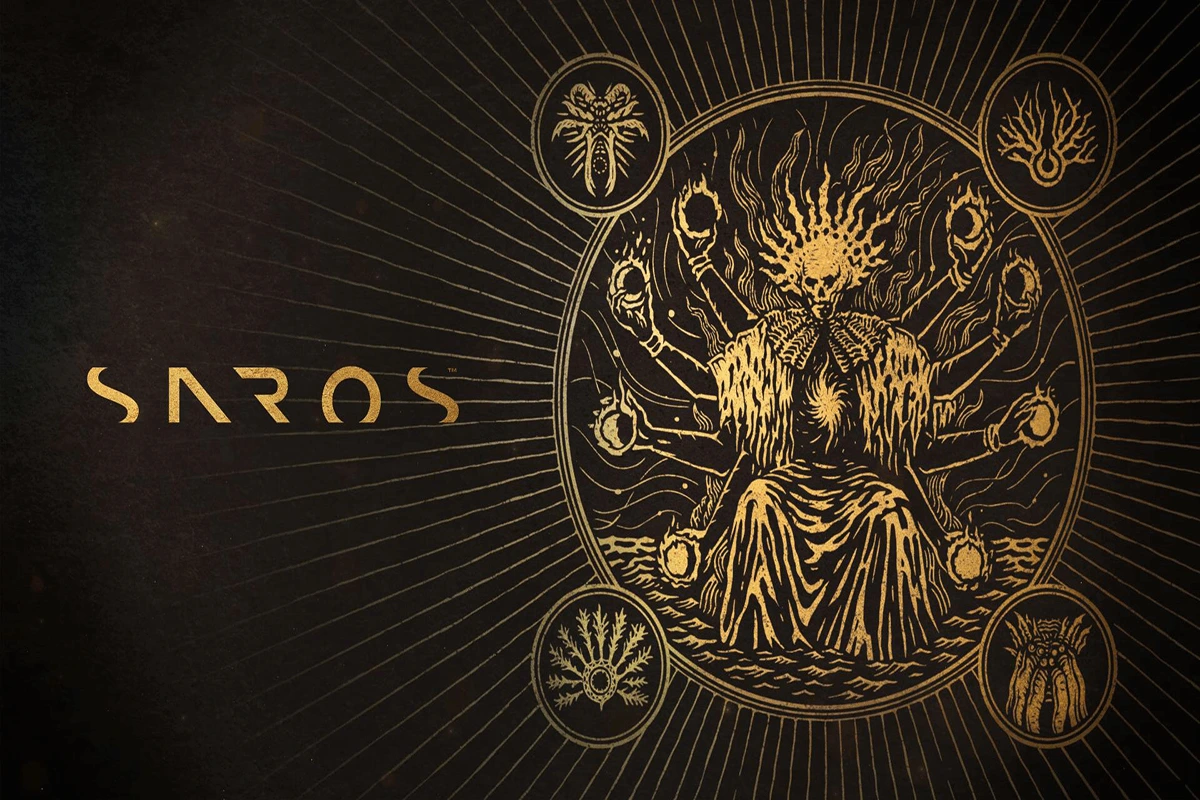
Following the critical success of Returnal, Housemarque returns to the science-fiction genre with Saros, a third-person action roguelite that expands upon the studio’s signature gameplay philosophy while introducing a more persistent progression system and a fresh narrative universe. Published by Sony Interactive Entertainment exclusively for the PlayStation ecosystem, Saros combines fast-paced combat, atmospheric exploration, and cinematic storytelling into one of the most ambitious games in Housemarque’s history.
Rather than serving as a sequel to Returnal, Saros introduces a completely original setting centered on the mysterious planet Carcosa, a hostile world trapped beneath a dying eclipse. Players take on the role of Arjun Devraj, a powerful Soltari Enforcer portrayed by actor Rahul Kohli, who becomes stranded on an alien planet where every death reshapes both the environment and the protagonist himself. While the game embraces roguelite mechanics, it significantly reduces the frustration traditionally associated with the genre by allowing meaningful progression to persist between runs.
From its striking visual presentation to its emotionally driven story, Saros successfully balances challenging action with rewarding exploration and character development. It delivers a polished experience that feels familiar to fans of Housemarque’s previous work while confidently establishing its own identity.
Gameplay
Saros is a third-person action roguelite that blends high-speed combat, exploration, environmental storytelling, progression systems, and dynamic world generation into a seamless gameplay experience. Unlike many roguelites that reset nearly all player progress after each defeat, Saros introduces a persistent progression model where important upgrades, equipment, and character development remain available even after death. This design encourages experimentation without making failure feel excessively punishing.
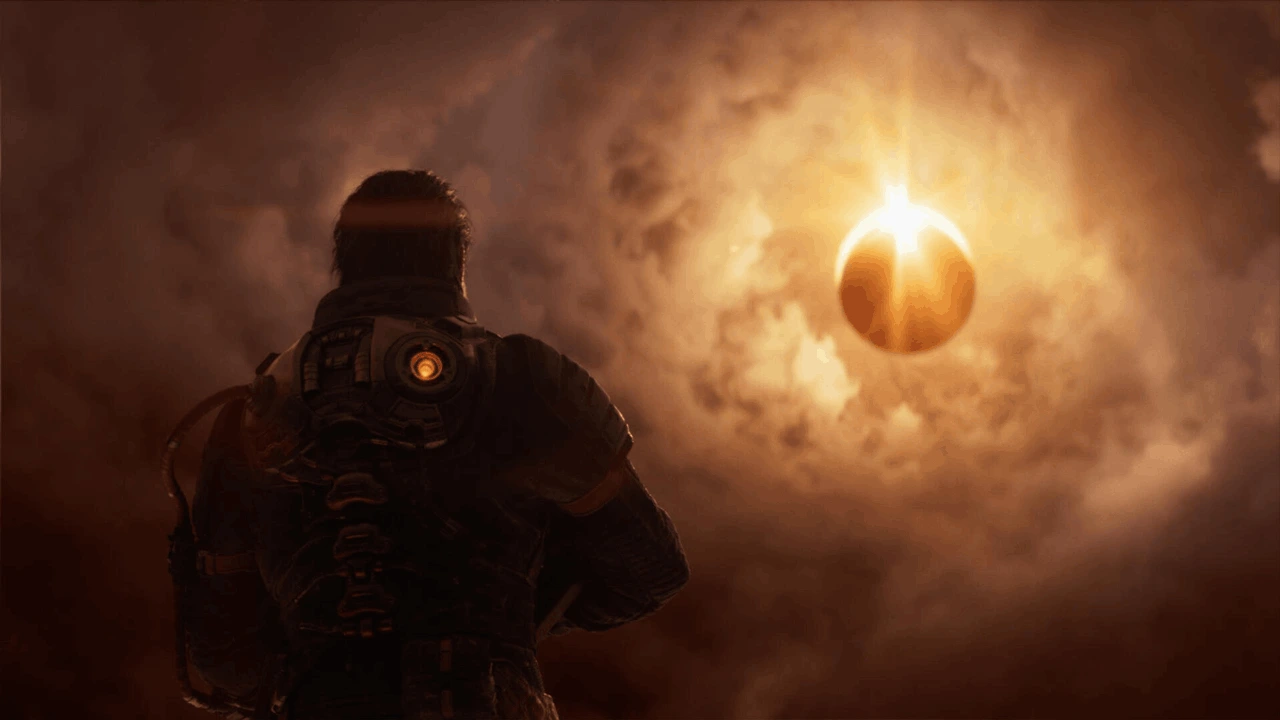
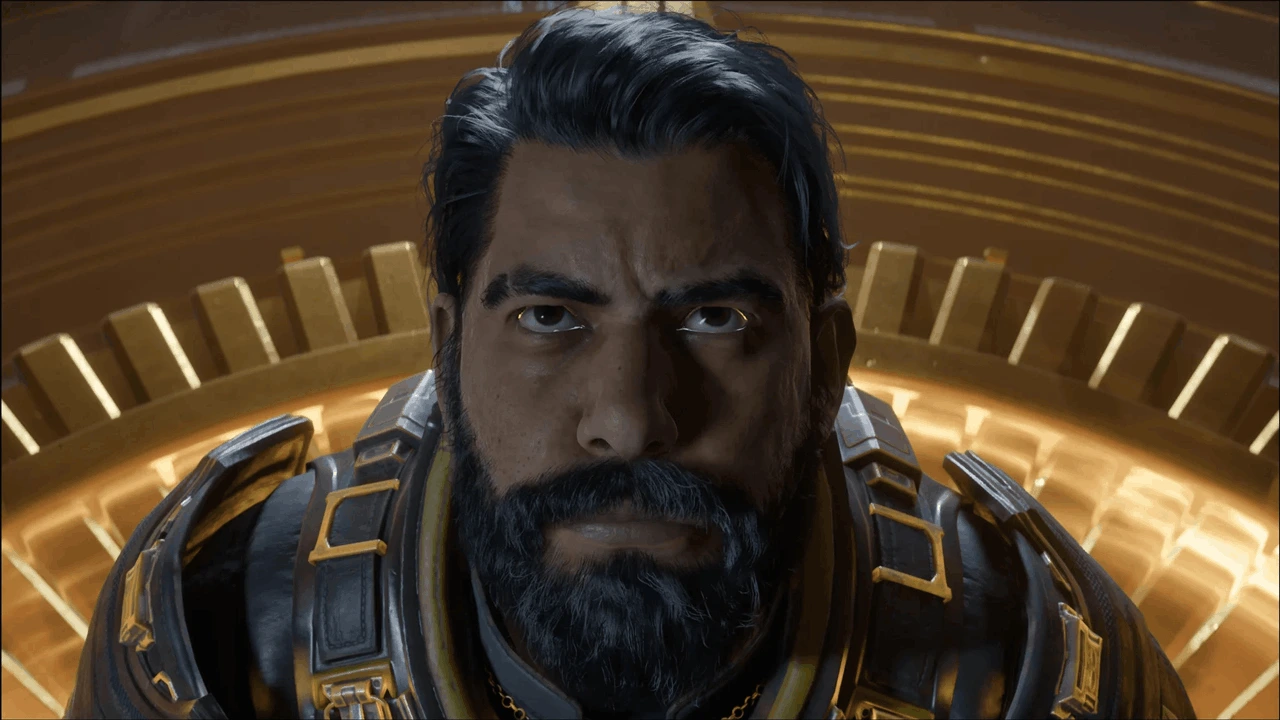
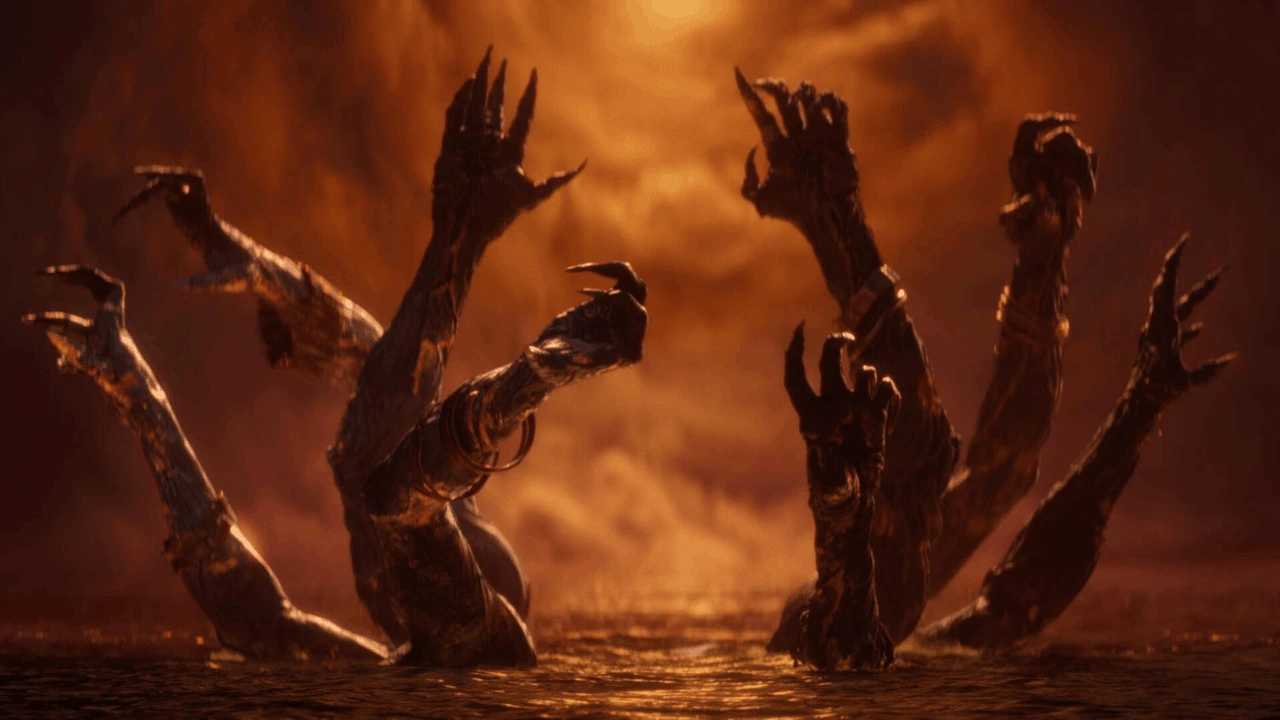
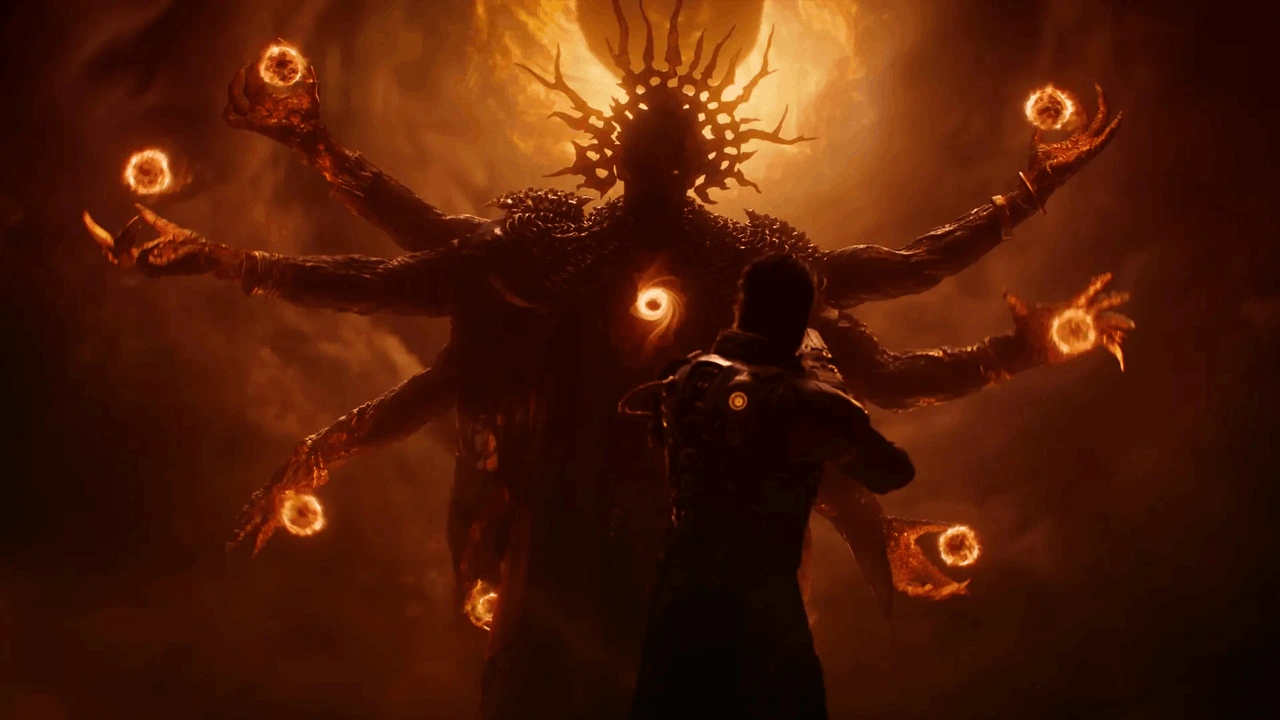
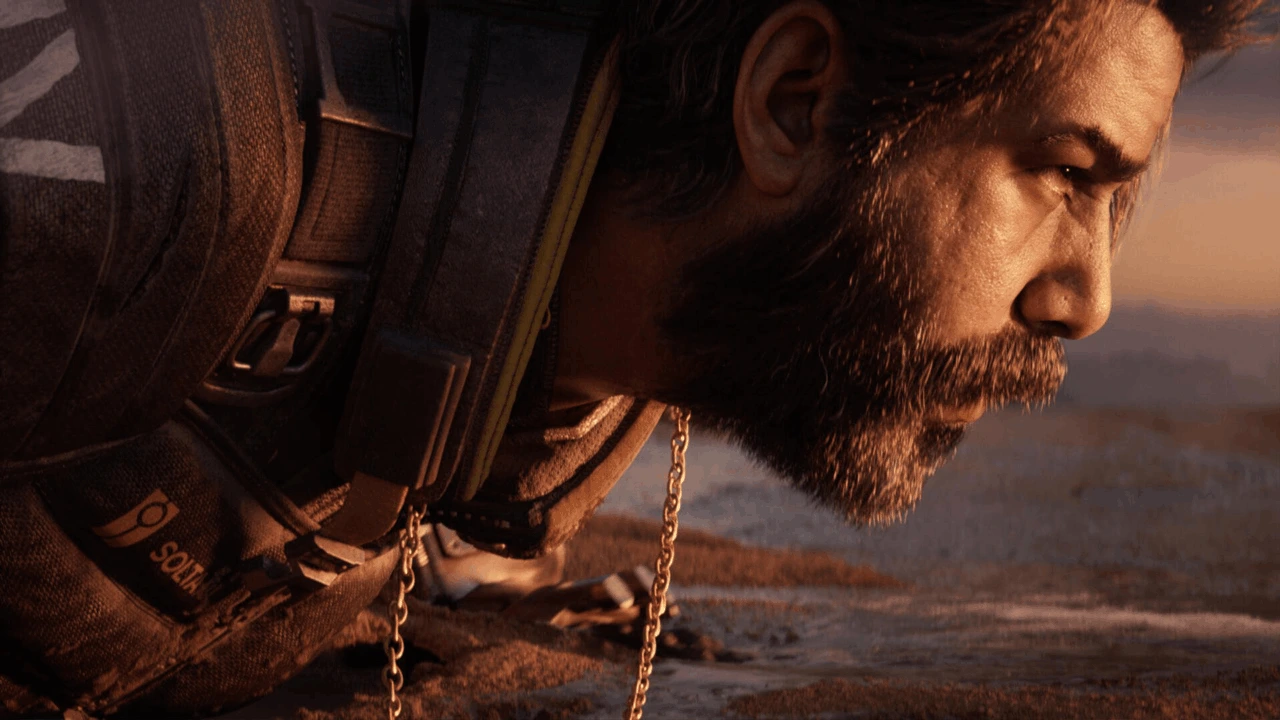
Players control Arjun Devraj, an experienced Soltari Enforcer sent to investigate unusual signals originating from the isolated planet Carcosa. Armed with advanced technology, energy weapons, and powerful combat abilities, Arjun must survive an ever-changing alien world while uncovering the truth behind its mysterious eclipse and the civilization that once flourished there.
Combat remains the heart of the experience. Housemarque once again demonstrates its mastery of fast-paced action by creating encounters that demand constant movement, precise aiming, quick reflexes, and intelligent resource management. Players dodge incoming projectiles, perform rapid dashes, execute devastating melee attacks, and chain together weapon abilities to eliminate increasingly dangerous enemies.
Unlike traditional cover-based shooters, Saros rewards aggressive movement. Remaining stationary almost always leads to defeat, encouraging players to continuously reposition themselves while mastering enemy attack patterns. The fluidity of movement creates exhilarating battles that remain satisfying throughout the campaign.
Arjun gains access to an impressive arsenal of futuristic weaponry. Players can discover powerful energy rifles, precision beam weapons, plasma launchers, rapid-fire assault systems, explosive cannons, arc-based electrical weapons, and experimental alien technology scattered throughout Carcosa. Each weapon possesses distinct characteristics and upgrade paths, allowing players to adapt their combat style according to personal preference.
One of Saros’ most innovative mechanics is its persistent equipment progression. Instead of losing every valuable upgrade after death, players retain permanent improvements that strengthen Arjun over multiple runs. Weapon proficiencies, combat abilities, suit enhancements, and special technologies gradually accumulate, making future expeditions increasingly rewarding while maintaining the unpredictability of procedurally generated encounters.
The game also introduces a sophisticated relic system. Ancient alien artifacts discovered throughout Carcosa provide passive bonuses, unique abilities, and powerful combat modifiers. Some relics significantly improve mobility, while others enhance defensive capabilities, elemental damage, or resource collection. Choosing which relics to equip becomes an important strategic decision before every expedition.
Enemy variety is exceptional. Players confront aggressive alien wildlife, biomechanical constructs, corrupted guardians, floating energy entities, heavily armored sentinels, mysterious eclipse creatures, and colossal bosses guarding the planet’s deepest secrets. Every enemy type features distinct movement patterns, attack behaviors, and tactical weaknesses, preventing combat from becoming repetitive.
Boss encounters are particularly memorable. Each battle introduces unique mechanics that require mastery of Arjun’s entire toolkit rather than relying solely on upgraded weapons. Multi-phase encounters, environmental hazards, and evolving attack patterns create challenging yet rewarding climactic confrontations.
Exploration remains equally important. Carcosa is divided into interconnected regions filled with abandoned research facilities, alien temples, underground caverns, ancient cities, crystalline forests, volcanic landscapes, and mysterious eclipse zones. Every expedition reveals different layouts, hidden pathways, optional encounters, and valuable resources, ensuring that no two runs unfold identically.
Supporting characters enrich the narrative despite the game’s isolated setting. Arjun serves as the determined protagonist whose personal motivations gradually become intertwined with the mysteries of Carcosa. Throughout his journey, players encounter surviving explorers, holographic recordings, AI assistants, alien entities, mysterious guardians, and remnants of the planet’s long-extinct civilization. Each interaction gradually expands the lore while raising new questions about the eclipse consuming the world.
Mission objectives consistently evolve throughout the campaign. Players investigate ancient ruins, restore abandoned technology, retrieve classified research data, activate mysterious alien devices, rescue surviving expedition members, defeat powerful guardians, explore newly generated regions, and ultimately confront the force responsible for trapping Carcosa beneath its eternal eclipse. Optional objectives encourage deeper exploration by rewarding players with rare equipment, permanent upgrades, and additional story content.
Story Narrative
The story follows Arjun Devraj, a highly trained Soltari Enforcer dispatched to investigate a mysterious distress signal originating from the distant planet Carcosa. Upon arrival, his expedition quickly descends into disaster as the planet reveals itself to be trapped beneath an endless eclipse that has transformed both the environment and its remaining inhabitants.
Separated from his companions, Arjun must navigate an ever-changing world filled with hostile creatures, abandoned civilizations, and ancient technologies beyond human understanding. Every failed expedition brings him back stronger, but also reveals additional fragments of Carcosa’s forgotten history.
As the story unfolds, Arjun discovers that the eclipse is not merely a natural phenomenon but the result of catastrophic experiments conducted by an advanced civilization attempting to manipulate cosmic forces. These experiments ultimately consumed the planet, trapping its people within an endless cycle of destruction and rebirth.
Throughout the journey, Arjun gradually uncovers his own unexpected connection to Carcosa’s past while forming uneasy alliances with surviving intelligences that challenge his understanding of humanity, sacrifice, and destiny. Rather than presenting simple heroes and villains, Saros explores themes of loss, perseverance, responsibility, and the consequences of scientific ambition.
Environmental storytelling remains one of the game’s strongest narrative tools. Ancient ruins, holographic recordings, abandoned settlements, and hidden archives allow players to piece together the tragic history of Carcosa while maintaining a strong sense of mystery from beginning to end.
Graphics and Sound Effects
Visually, Saros represents another technical showcase for Housemarque. Powered by an advanced version of the studio’s proprietary technology, the game delivers exceptional environmental detail, cinematic lighting, realistic particle effects, high-resolution textures, and remarkably fluid animation throughout every encounter.
Each region of Carcosa possesses a unique artistic identity. Dense alien forests glow beneath the permanent eclipse, crystalline caverns shimmer with mysterious energy, abandoned cities crumble beneath centuries of decay, and colossal alien structures dominate the horizon with breathtaking scale. Dynamic weather systems, volumetric lighting, and advanced environmental effects create a consistently immersive atmosphere that reinforces the game’s themes of isolation and cosmic mystery.
Character animation is equally impressive. Arjun’s movements remain fluid during both exploration and combat, while enemy animations communicate distinct personalities and attack patterns with remarkable clarity. Boss encounters benefit from spectacular visual effects that transform each battle into a cinematic event.
The audio design is among the game’s greatest strengths. Atmospheric ambient sound, haunting orchestral compositions, futuristic electronic music, and subtle environmental effects combine to create a powerful sense of tension and wonder. Every weapon produces satisfying audio feedback, enemy attacks are clearly distinguishable through directional sound, and PlayStation 5’s Tempest 3D Audio technology significantly enhances immersion during exploration and combat.
Verdict
Saros successfully demonstrates Housemarque’s continued evolution as one of the industry’s premier action game developers. By combining exhilarating combat, meaningful progression, exceptional world-building, and emotionally engaging storytelling, the studio has created a roguelite that feels both challenging and accessible.
Its persistent upgrade systems remove much of the frustration traditionally associated with the genre while preserving the excitement of procedural exploration and dynamic combat. Stunning visuals, polished gameplay mechanics, memorable boss encounters, and a fascinating science-fiction setting further establish Saros as one of PlayStation 5’s most promising exclusive titles.
Although its roguelite structure may still feel demanding for some players and certain story elements intentionally remain mysterious, these aspects ultimately strengthen the game’s unique identity rather than detract from the overall experience.
For fans of fast-paced action, atmospheric science fiction, and rewarding progression systems, Saros stands as a confident evolution of Housemarque’s design philosophy and one of the most exciting action-adventure releases of 2026.
The Good
- Outstanding fast-paced combat with exceptional responsiveness.
- Meaningful persistent progression reduces roguelite frustration.
- Beautiful alien environments with impressive visual fidelity.
- Excellent enemy variety and memorable boss encounters.
- Strong environmental storytelling and atmospheric world-building.
- Outstanding audio design with immersive orchestral soundtrack.
- High replay value through procedural generation and build customization.
The Bad
- Roguelite structure may not appeal to every player.
- Story intentionally leaves several mysteries open to interpretation.
- Some later encounters demand significant skill and precision.
- Procedural generation occasionally results in uneven pacing between runs.
Release Date and Platforms
Saros is scheduled for release in 2026 exclusively for PlayStation 5. Developed specifically for Sony’s current-generation hardware, the game fully utilizes the console’s SSD architecture, advanced haptic feedback, adaptive triggers, Tempest 3D Audio technology, and graphical capabilities to deliver an immersive next-generation experience. At the time of writing, no official PC or Xbox versions have been announced by Sony Interactive Entertainment.
Genre
Saros belongs primarily to the Third-Person Action Roguelite genre while incorporating elements of Science Fiction Adventure, Action RPG, Shooter, and Exploration-Based Adventure gameplay. It combines procedurally generated environments, persistent progression, challenging combat, narrative exploration, and equipment customization into an experience that appeals to both roguelite enthusiasts and players seeking a more accessible progression system.
Developer and Publisher
Saros was developed by Housemarque, the Finnish studio celebrated for creating high-intensity arcade-inspired action games including Returnal, Resogun, and Nex Machina. Following its acquisition by Sony Interactive Entertainment, Housemarque has continued expanding its cinematic ambitions while maintaining the responsive gameplay that defines its work.
Publishing responsibilities are handled by Sony Interactive Entertainment, ensuring full optimization for PlayStation 5 hardware and integration with the platform’s advanced technological features.
Saros System Requirements
It’s a PlayStation 5 Game! 🙂