A Promising Open-World RPG Inspired by Mongolian Folklore
Introduction
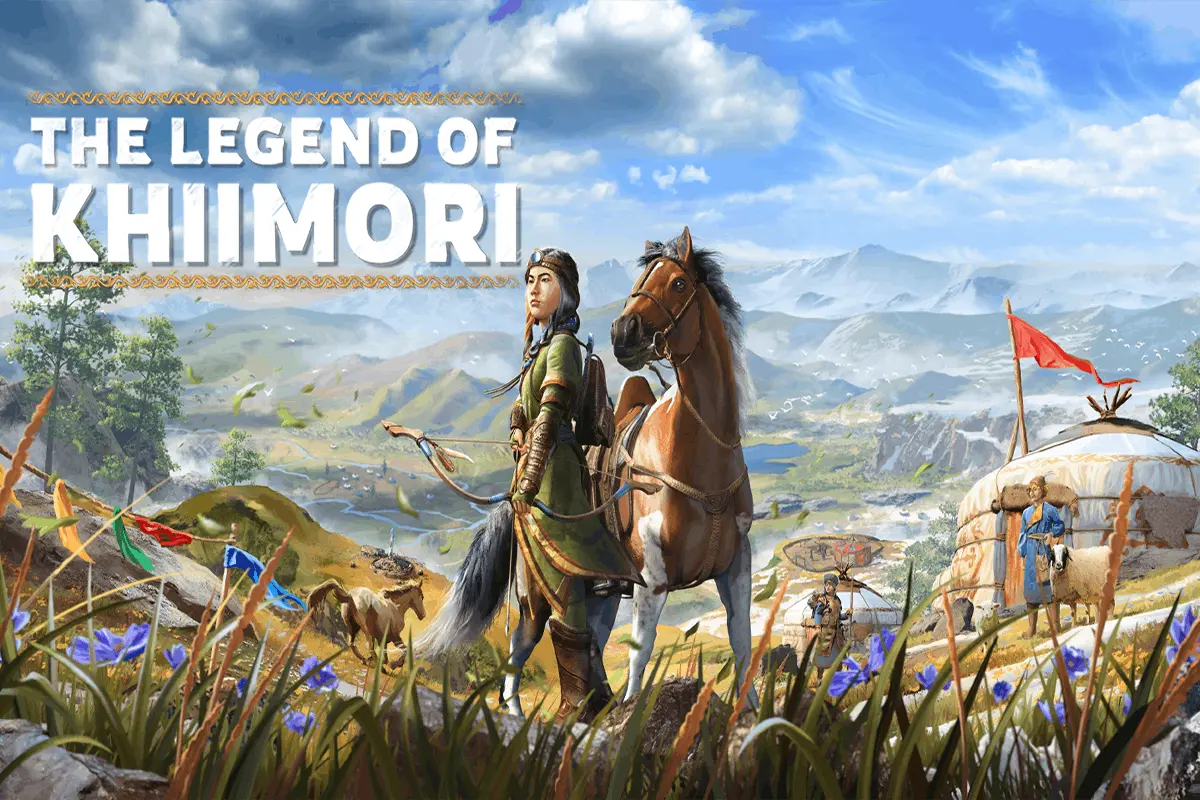
The Legend of Khiimori is one of the most intriguing upcoming role-playing games, blending open-world exploration with the rich mythology and traditions of Mongolian culture. Developed by TMEL Studio, the game introduces players to a vast medieval steppe where survival, horseback travel, and strategic combat play equally important roles. Rather than following traditional fantasy settings filled with castles and dragons, The Legend of Khiimori offers a refreshing historical-inspired world filled with nomadic tribes, ancient legends, mysterious spirits, and breathtaking natural landscapes.
Built using Unreal Engine 5, the game immediately stands out thanks to its realistic environments, dynamic weather systems, and cinematic presentation. The developers aim to combine exploration, storytelling, and tactical combat into an immersive RPG that celebrates Mongolian history while introducing fantasy elements inspired by folklore. Although the game has yet to launch, everything shown so far suggests that it could become one of the most distinctive RPGs in recent years.
Gameplay
At its core, The Legend of Khiimori is an open-world action RPG where exploration and freedom are central to the experience. Players journey across enormous grasslands, deserts, forests, mountain ranges, and ancient ruins while uncovering the mysteries surrounding the legendary Khiimori.
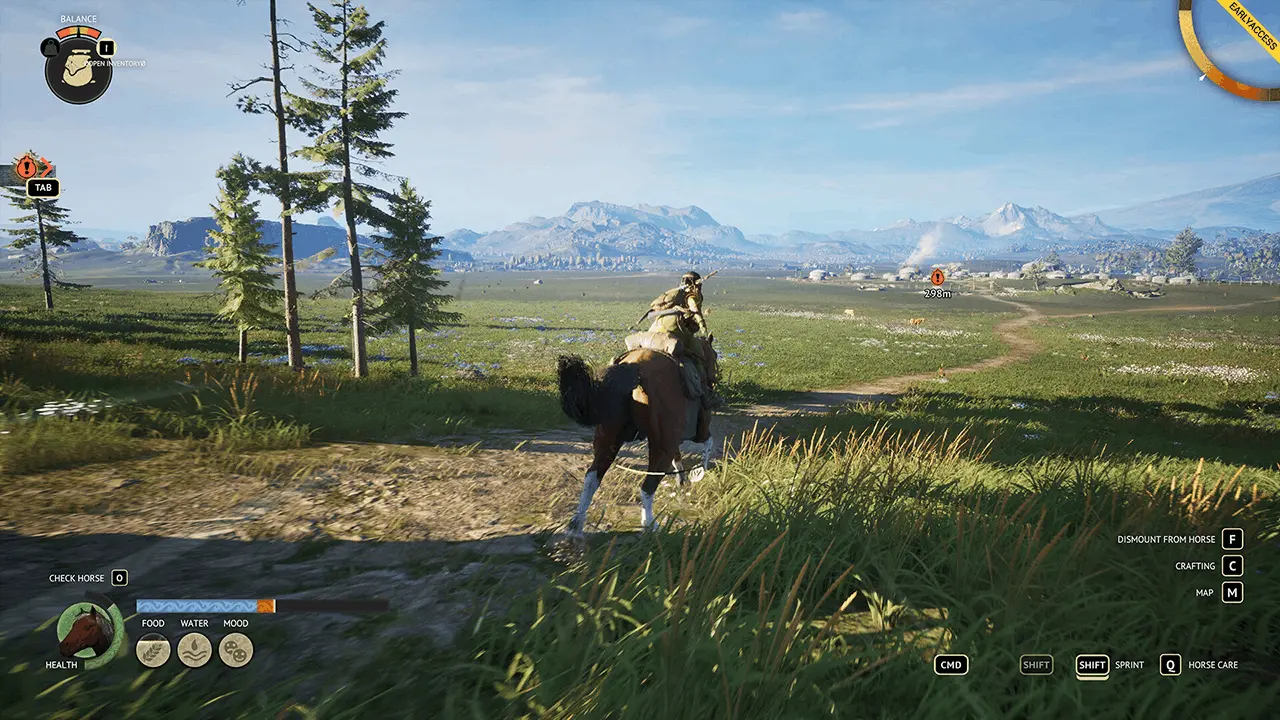
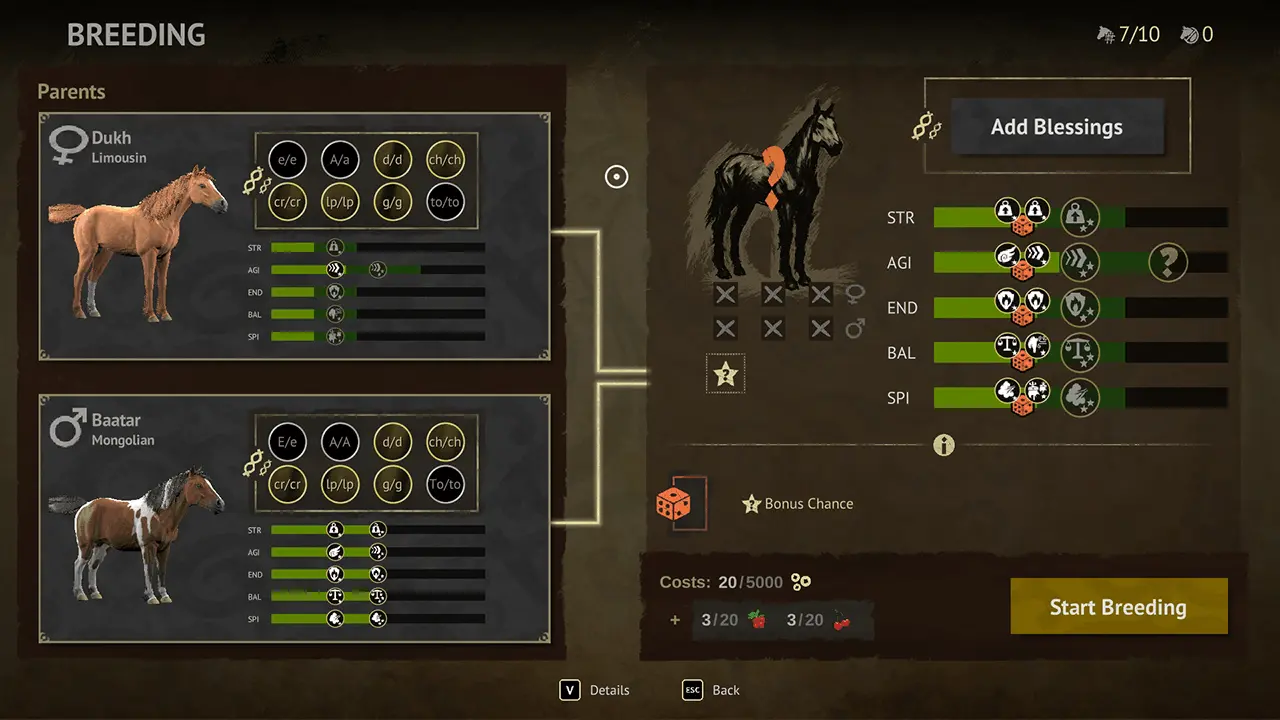
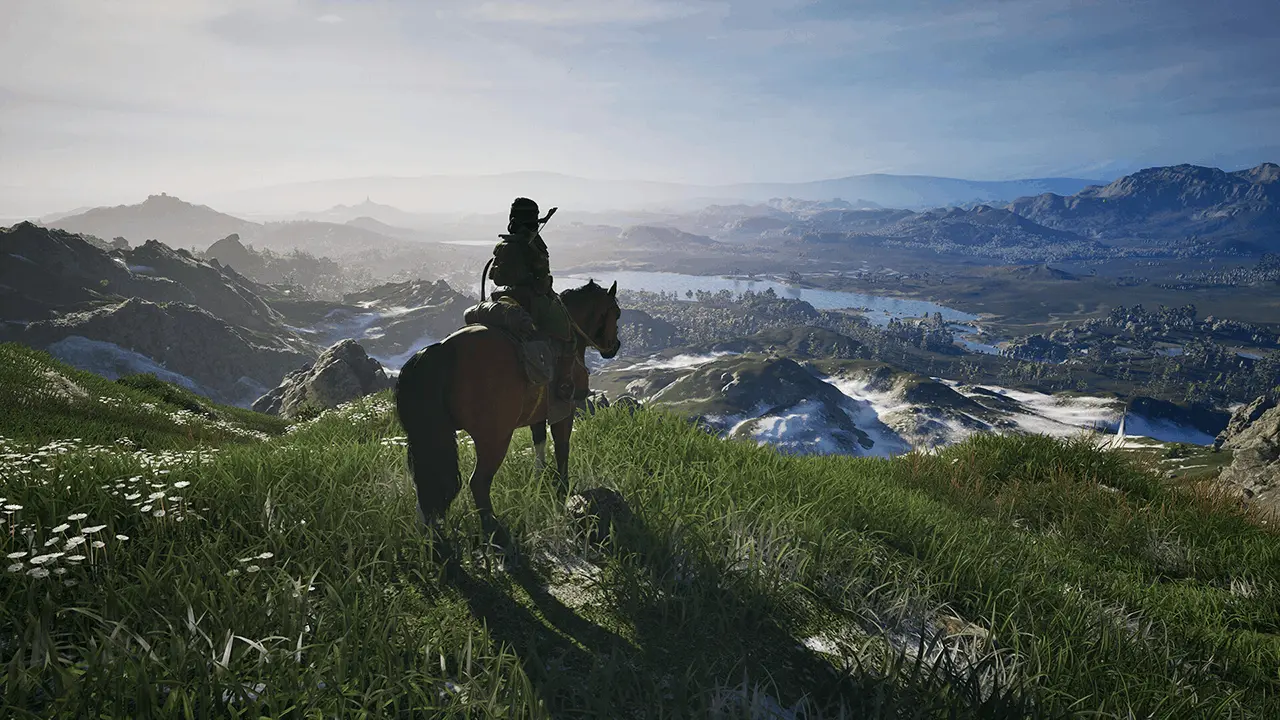
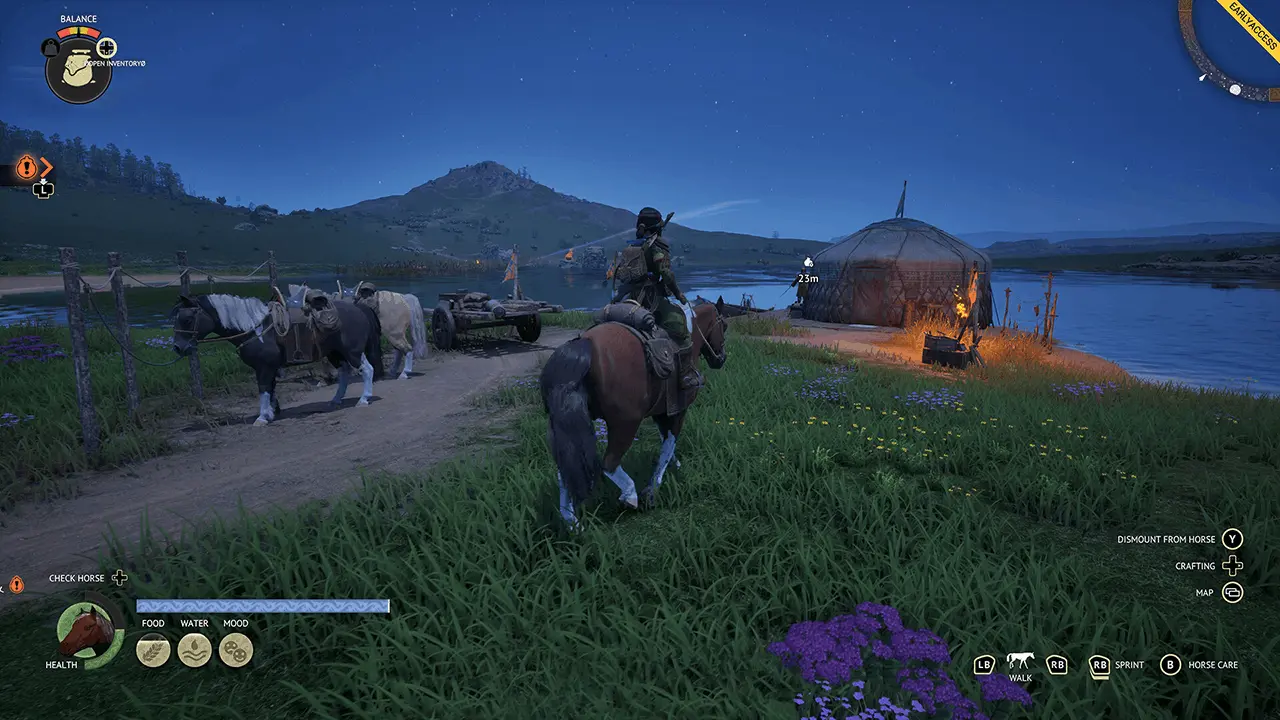
Unlike many modern RPGs, horseback travel is more than just transportation. Horses are living companions that require care, training, and proper equipment. Different breeds possess unique strengths, allowing players to adapt to various environments and combat situations. Mounted combat has been designed as one of the game’s primary mechanics, enabling players to attack enemies while riding across the vast steppes.
Combat focuses on timing, positioning, and weapon mastery rather than button mashing. Players can wield swords, bows, spears, shields, and traditional Mongolian weapons while combining melee and ranged attacks during battles. Enemy encounters vary from wild animals and hostile warriors to mythical creatures inspired by regional folklore.
Character progression emphasizes player choice. As players complete quests and defeat enemies, they unlock new combat techniques, survival abilities, crafting recipes, and riding skills. The skill system allows players to specialize in different combat styles depending on their preferred approach.
Exploration plays a significant role throughout the adventure. Hidden caves, forgotten temples, abandoned settlements, sacred shrines, and mysterious monuments reward curious players with valuable equipment, rare crafting materials, and pieces of ancient lore.
Quest design appears considerably more dynamic than traditional RPG fetch quests. Main story missions introduce political conflicts, tribal alliances, large-scale battles, and supernatural mysteries, while side quests explore local cultures, village life, hunting expeditions, and personal stories of the people inhabiting the steppe.
Although the developers have not revealed the complete cast, players will encounter tribal leaders, skilled warriors, merchants, shamans, traveling nomads, rival clans, spiritual guardians, and mythical beings drawn from Mongolian folklore. The central protagonist gradually becomes involved in protecting the balance between humanity and the ancient spirits that inhabit the land.
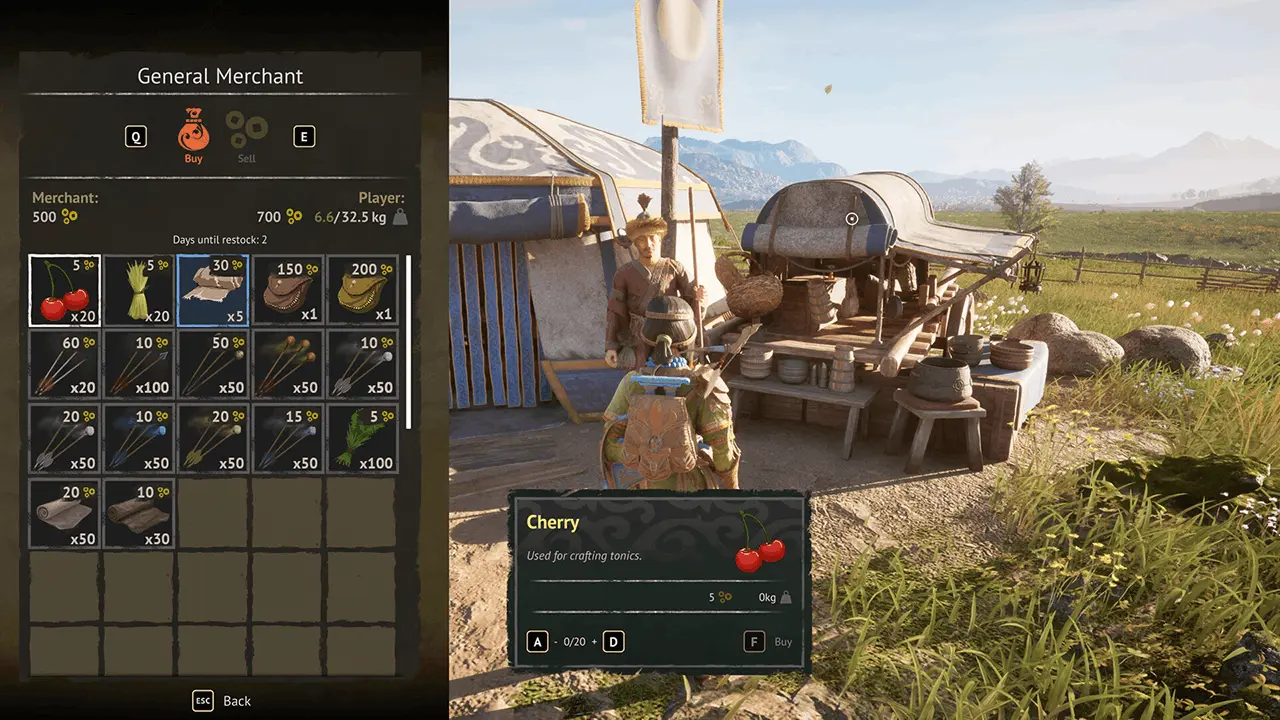
Crafting and survival mechanics further expand gameplay. Players collect herbs, hunt wildlife, prepare food, repair equipment, and upgrade weapons using resources gathered throughout the open world. Dynamic weather and changing seasons also influence exploration, visibility, and travel conditions.
Story Narrative
The story follows a young warrior whose peaceful life changes after mysterious supernatural events begin spreading across the ancient steppe. Legends once dismissed as myths gradually become reality as forgotten spirits awaken and long-hidden secrets emerge from the land.
Players travel across numerous regions while uncovering the origins of the legendary Khiimori, a mysterious force deeply connected to both humanity and the spirit world. Throughout the journey, they must unite rival tribes, earn the trust of powerful leaders, confront dangerous enemies, and make difficult choices that influence the fate of the region.
The narrative combines political struggles, family loyalty, ancient prophecies, and personal growth with folklore-inspired storytelling. Rather than relying solely on large-scale warfare, the story also explores cultural traditions, spiritual beliefs, and humanity’s relationship with nature, creating a more grounded and emotionally engaging adventure.
Graphics and Sound Effects
One of the game’s strongest early impressions comes from its visual presentation. Powered by Unreal Engine 5, The Legend of Khiimori showcases expansive landscapes filled with realistic grasslands, flowing rivers, dramatic mountain ranges, and dynamic weather systems. Advanced lighting technology enhances sunrise and sunset scenes, while highly detailed character models and environmental effects create a believable living world.
Animations appear significantly smoother than many independent RPG projects, particularly during horseback movement and combat sequences. Environmental details such as wind effects, wildlife behavior, and seasonal changes contribute to the game’s immersive atmosphere.
The soundtrack embraces traditional Mongolian musical influences, featuring throat singing, horsehead fiddle melodies, and orchestral compositions that reflect the culture inspiring the game. Environmental audio, including wind sweeping across the plains, wildlife sounds, and distant thunder, further strengthens immersion.
Verdict
Based on the officially released gameplay footage and developer information, The Legend of Khiimori has the potential to become one of the most unique open-world RPGs in development. Its focus on Mongolian history, horseback exploration, tactical combat, and folklore-inspired storytelling separates it from many modern fantasy RPGs. While the final quality cannot be judged until release, the game’s ambitious vision and impressive presentation make it one of the most anticipated independent RPGs on the horizon.
The Good
- Unique Mongolian-inspired setting rarely explored in games
- Beautiful Unreal Engine 5 visuals
- Large open world focused on exploration
- Deep horseback travel and mounted combat
- Promising action RPG progression systems
- Rich cultural and folklore-inspired storytelling
The Bad
- No confirmed release date
- Final gameplay balance remains unknown
- Complete character roster has not been revealed
- Console versions have not been announced
Release Date and Platforms
As of now, The Legend of Khiimori does not have an official release date. The developers have confirmed that the game is currently in development, with a planned release for PC via Steam. Console versions have not yet been officially announced, although future releases remain possible depending on the game’s success.
Genre
The Legend of Khiimori belongs primarily to the open-world action RPG genre. However, it also incorporates elements of adventure, exploration, survival, horseback simulation, historical fiction, and fantasy storytelling. This combination creates an experience that differs significantly from conventional medieval RPGs by focusing on nomadic culture and realistic traversal across massive natural landscapes.
Developer and Publisher
The game is being developed and published by TMEL Studio, an independent development team focused on creating culturally inspired experiences. Rather than relying on familiar fantasy settings, the studio has chosen to build an original world heavily influenced by Mongolian traditions, folklore, architecture, and landscapes. Their goal is to introduce players to an underrepresented historical setting while delivering modern gameplay mechanics powered by Unreal Engine 5.
The Legend of Khiimori System Requirements
Minimum
- Requires a 64-bit processor and operating system
- OS: Windows 10 64-bit or later (Windows 11 recommended for Intel 12th and 13th gen CPUs)
- Processor: Intel Core i7-8700K / AMD Ryzen 7 2700X
- Memory: 16 GB RAM
- Graphics: NVIDIA GeForce GTX 1660 (6GB) / AMD Radeon RX 5600 XT (6GB)
- DirectX: Version 12
- Storage: 60 GB available space
- Additional Notes: SSD required. Full Shader Model 6.6 (with Atomics) support is required
Recommended
- Requires a 64-bit processor and operating system
- OS: Windows 10 64-bit or later (Windows 11 recommended for Intel 12th and 13th gen CPUs)
- Processor: Intel Core i7-10700K / AMD Ryzen 7 3800X
- Memory: 16 GB RAM
- Graphics: NVIDIA GeForce RTX 3060 Ti (8GB) / AMD RX 6700 XT (12GB)
- DirectX: Version 12
- Storage: 60 GB available space
- Additional Notes: SSD required.