A Timeless JRPG Classic Reborn for a New Generation
Introduction
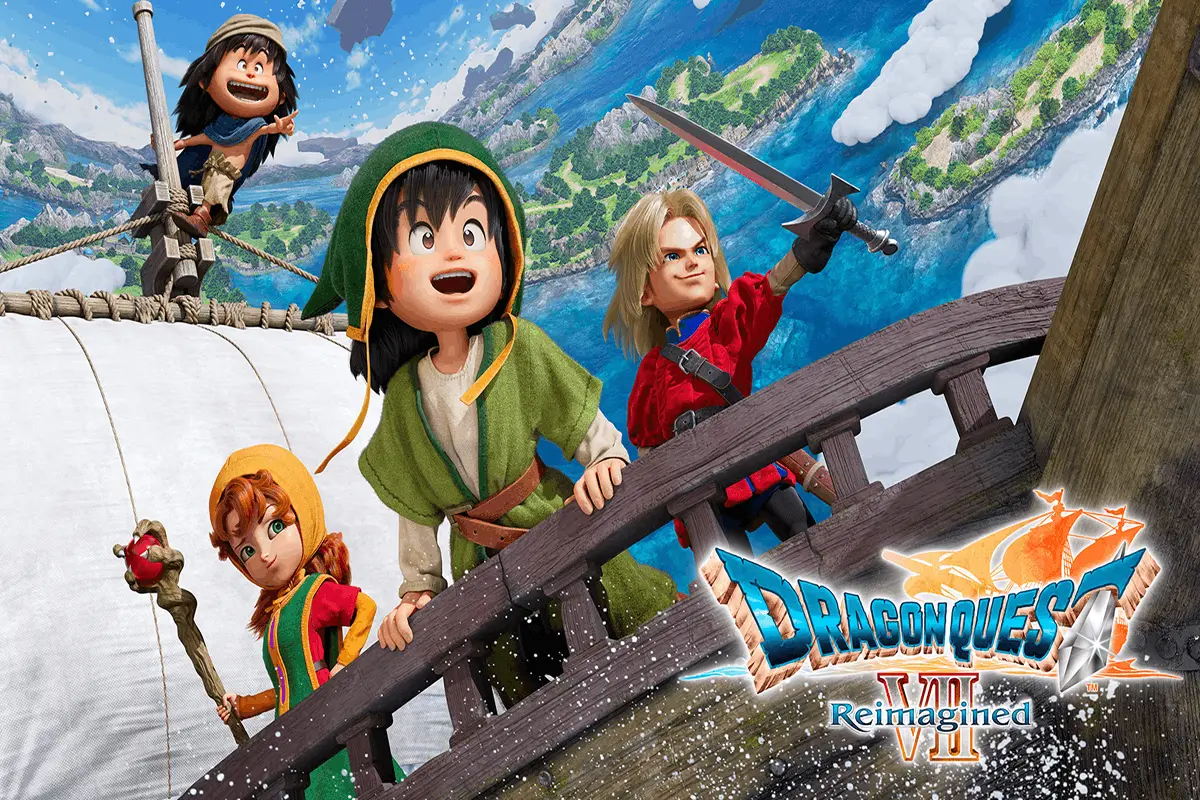
Few role-playing games have earned the lasting reputation of Dragon Quest VII, a title celebrated for its massive world, unforgettable adventures, and emotionally driven storytelling. With Dragon Quest VII: Reimagined, Square Enix has modernized one of the series’ most beloved entries for contemporary hardware, delivering a comprehensive remake that preserves the heart of the original while introducing significant improvements to visuals, gameplay systems, exploration, and overall presentation.
Rather than simply remastering an older game, Dragon Quest VII: Reimagined rebuilds the adventure with modern production values while respecting the deliberate pacing and classic design that longtime fans admire. The game follows a group of young heroes who discover mysterious stone fragments capable of restoring forgotten islands lost to time. What begins as an innocent archaeological discovery gradually evolves into an epic journey spanning centuries, civilizations, and countless emotional stories.
Whether you are experiencing Dragon Quest VII for the first time or returning after years away, this reimagined edition delivers a polished, expansive JRPG that successfully balances nostalgia with modern game design.
Dragon Quest VII: Reimagined Gameplay
At its core, Dragon Quest VII: Reimagined remains a traditional turn-based Japanese role-playing game, but numerous refinements make the experience significantly more accessible than previous versions. Exploration feels smoother, combat is faster, and quality-of-life improvements reduce unnecessary backtracking while preserving the game’s immense sense of scale.
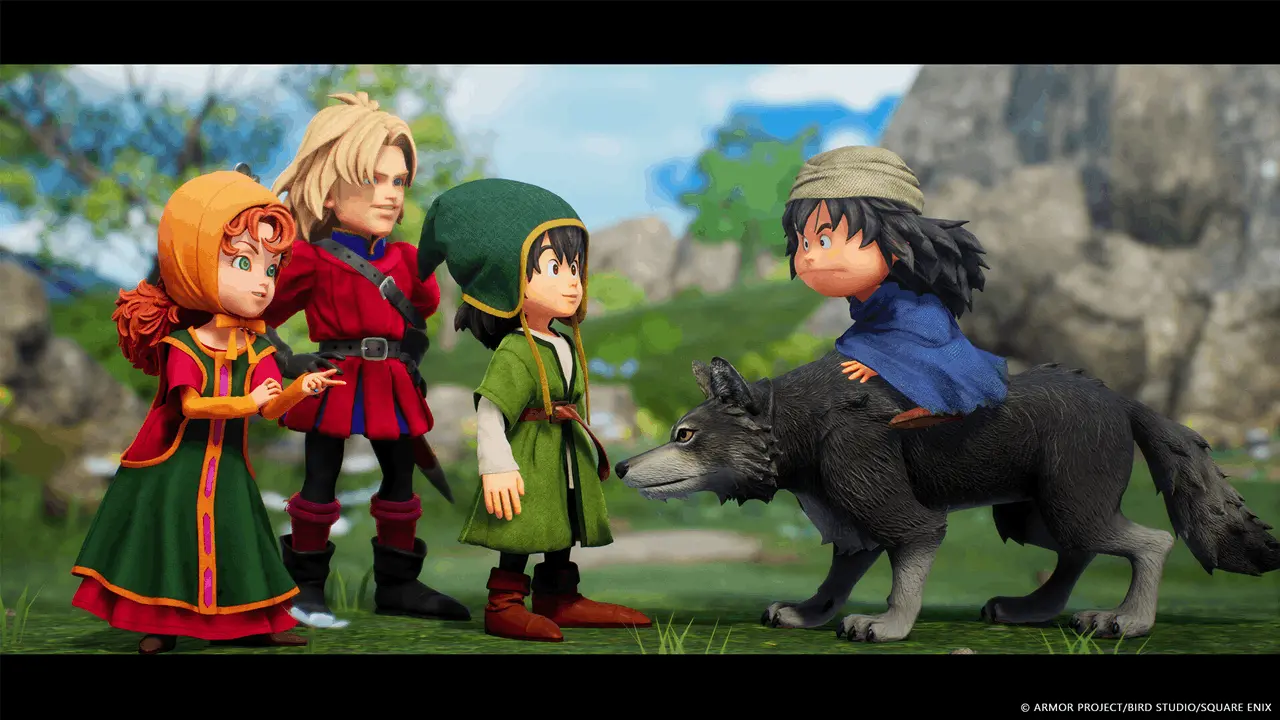
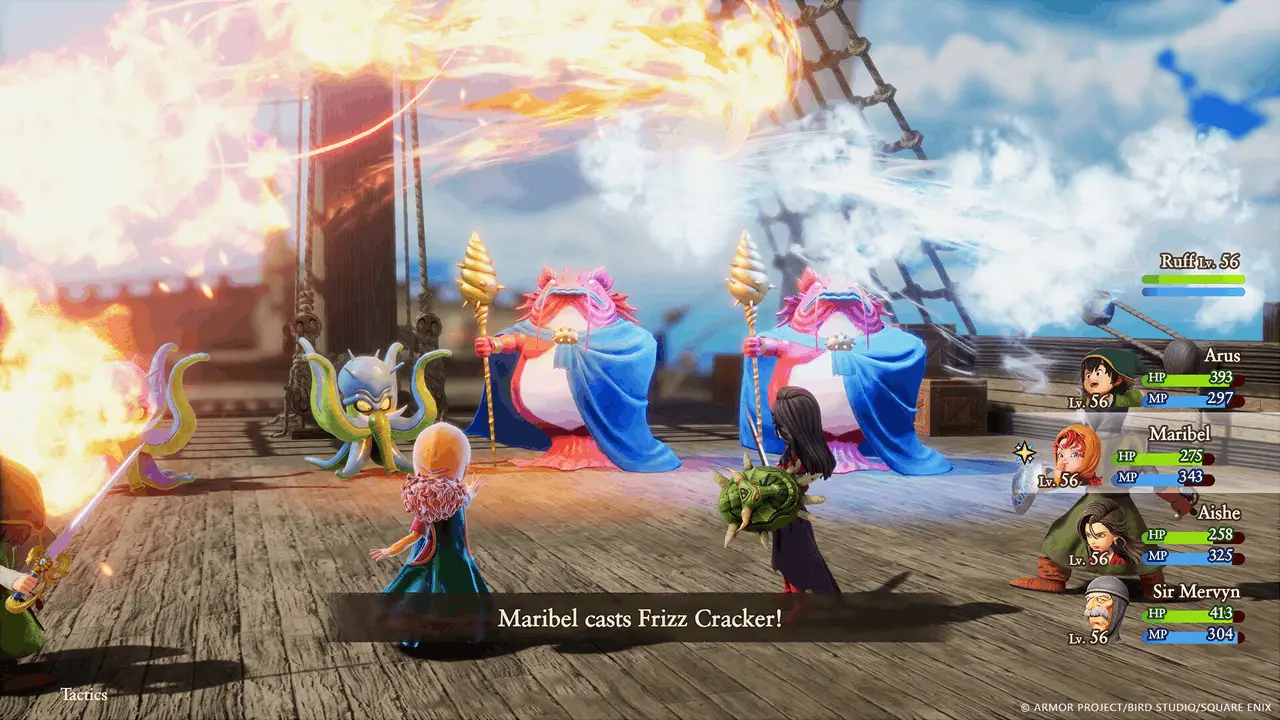
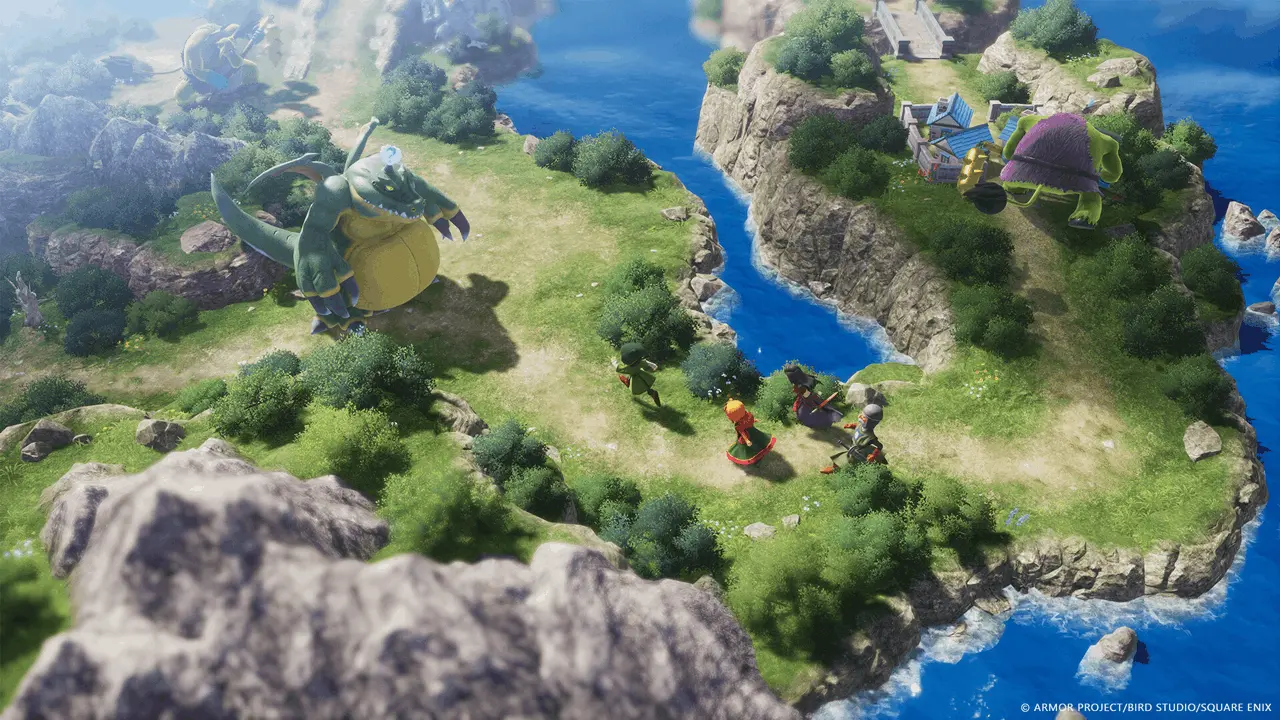
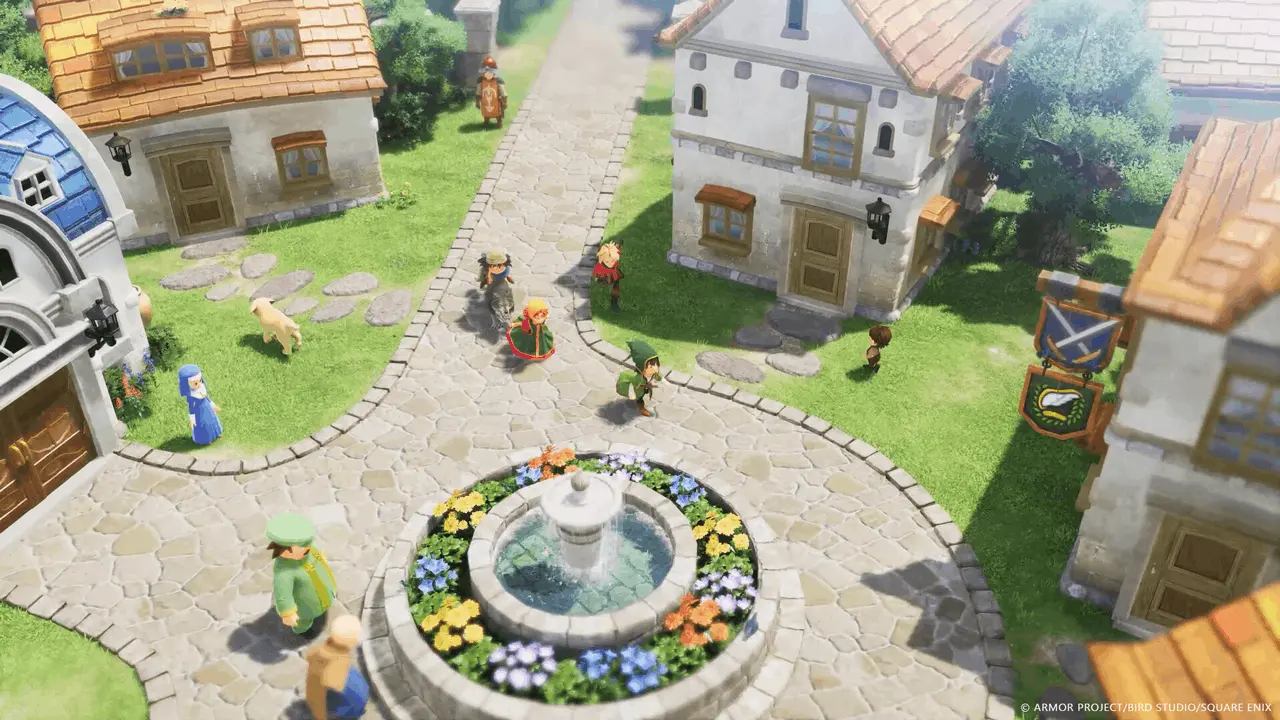
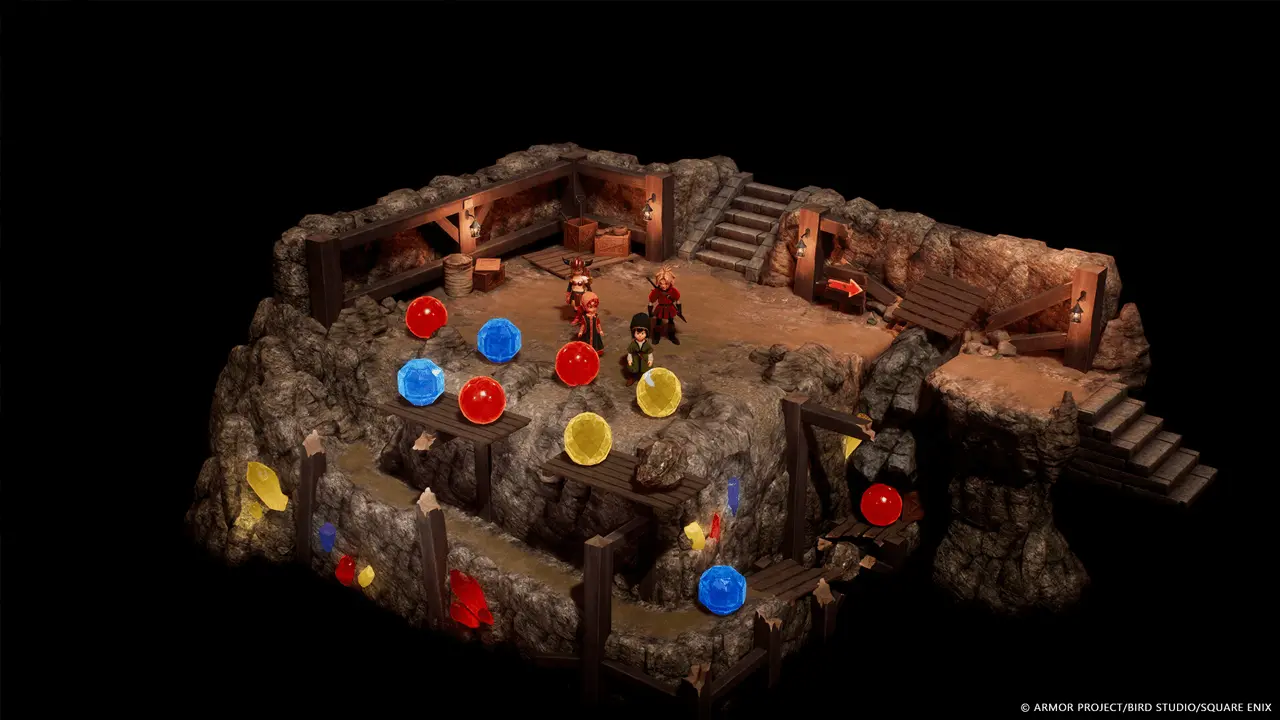
Players begin their adventure as the silent protagonist, a curious young resident of Estard Island. Alongside his energetic best friend Kiefer, the intelligent Maribel, and several companions recruited throughout the adventure, players gradually uncover magical stone tablets that restore vanished lands to the world map. Each newly restored island introduces its own self-contained storyline, memorable characters, unique conflicts, and original gameplay mechanics, making every chapter feel like a standalone adventure connected to a larger narrative.
Returning party members such as Ruff, Sir Mervyn, Aishe, and additional allies each contribute distinctive personalities, combat specialties, and story moments. Their interactions create a believable sense of friendship while strengthening the emotional impact of the game’s larger narrative.
Combat follows Dragon Quest’s classic turn-based formula but includes substantial mechanical refinements. Every encounter rewards strategic planning rather than simple level grinding. Players must carefully balance physical attacks, elemental magic, healing abilities, buffs, debuffs, and status effects while adapting to increasingly dangerous enemy formations.
One of the game’s defining mechanics is its Vocation System. Characters can freely change professions after reaching specific story milestones, allowing them to master classes such as Warrior, Mage, Priest, Martial Artist, Sailor, Pirate, Ranger, Gladiator, Hero, and numerous advanced hybrid vocations. Every class unlocks unique abilities that remain available even after switching professions, encouraging experimentation and long-term character development.
Exploration remains one of the game’s greatest strengths. Every restored island contains hidden treasures, optional dungeons, challenging monsters, environmental puzzles, and memorable side quests. Rather than simply guiding players toward the next objective, the game rewards curiosity with powerful equipment, hidden lore, and additional character development.
Mission variety is exceptional throughout the lengthy campaign. Players rescue cursed kingdoms, investigate haunted villages, solve political conspiracies, defeat ancient monsters, restore civilizations, protect isolated communities, and uncover forgotten legends buried beneath centuries of history. Each island presents its own unique narrative, ensuring that the adventure constantly introduces fresh ideas without becoming repetitive.
The remake also introduces improved navigation systems, streamlined inventory management, faster combat animations, expanded quest tracking, enhanced tutorials, and additional accessibility options that make the enormous adventure far easier to enjoy than previous versions.
Crafting and equipment progression have also been expanded. Rare crafting materials collected throughout the world allow players to forge stronger weapons, armor, and accessories capable of preparing the party for increasingly difficult boss encounters. Hidden dungeons and optional superbosses provide meaningful challenges for experienced JRPG fans seeking endgame content.
Story Narrative
The story begins peacefully on Estard Island, the only known landmass remaining in the world. Curious about mysterious ruins discovered beneath the island, the young protagonist, Kiefer, and Maribel accidentally activate ancient stone fragments that transport them into forgotten eras.
As additional fragments are restored, entire islands gradually return to the present-day world. Each newly recovered civilization introduces unique people struggling against monsters, curses, wars, and ancient evils that have erased them from history. By changing events in the past, the heroes permanently reshape the future, creating one of the most fascinating time-travel narratives in the Dragon Quest series.
Throughout the adventure, the party uncovers the truth behind the disappearance of the world’s continents and confronts a powerful evil responsible for manipulating history itself. While the overarching conflict remains compelling, the true strength of the narrative lies in its individual island stories. Nearly every location presents emotionally engaging characters, difficult moral choices, and memorable conclusions that remain impactful long after completion.
The game’s themes of hope, sacrifice, legacy, and perseverance resonate consistently across its lengthy campaign, making Dragon Quest VII one of the franchise’s most emotionally rewarding adventures.
Graphics and Sound Effects
Dragon Quest VII: Reimagined delivers a remarkable visual transformation while preserving the colorful artistic identity inspired by Akira Toriyama’s legendary character designs. Environments have been rebuilt with detailed textures, dynamic lighting, realistic weather systems, lush vegetation, and beautifully animated towns that feel far more alive than ever before.
Character models feature expressive facial animations and smoother movement during exploration, dialogue, and combat. Spell effects, enemy animations, and cinematic cutscenes have all received substantial upgrades, giving battles greater visual impact while maintaining the series’ unmistakable charm.
Audio improvements are equally impressive. The orchestral soundtrack has been fully re-recorded, delivering richer arrangements of classic Dragon Quest compositions alongside enhanced ambient music for towns, dungeons, and overworld exploration. Sound effects are sharper and more immersive, while professional voice performances strengthen emotional story moments without overshadowing the franchise’s traditional atmosphere.
Verdict
Dragon Quest VII: Reimagined successfully modernizes one of the most ambitious RPGs ever created while preserving everything that made the original adventure so memorable. Its outstanding storytelling, rewarding exploration, refined turn-based combat, flexible vocation system, and beautiful presentation combine to create a definitive version of a timeless classic. Although its deliberate pacing and extraordinary length may not appeal to every player, those willing to invest in its remarkable journey will discover one of the finest role-playing experiences available on modern platforms.
The Good
- Beautiful visual overhaul that respects the original art style.
- Deep and rewarding Vocation System with extensive customization.
- Excellent turn-based combat featuring meaningful strategic depth.
- Outstanding world-building and emotionally engaging storytelling.
- Massive amount of content with exceptional replay value.
- Modern quality-of-life improvements greatly enhance accessibility.
The Bad
- The lengthy campaign requires a significant time investment.
- Early pacing remains slower than many modern RPGs.
- Some optional grinding is still beneficial before major boss encounters.
- Traditional JRPG mechanics may not appeal to players seeking faster-paced experiences.
Release Date and Platforms
Dragon Quest VII: Reimagined was released in 2026 for PlayStation 5, Xbox Series X|S, Nintendo Switch 2, and PC via Steam. Developed specifically for modern hardware, the remake benefits from higher-resolution visuals, improved performance, reduced loading times, expanded accessibility features, and enhanced presentation while remaining faithful to the original adventure.
Genre
Dragon Quest VII: Reimagined belongs to the Japanese role-playing game (JRPG) genre, combining traditional turn-based combat, character progression, exploration, puzzle-solving, narrative-driven quests, and extensive world-building. While it embraces classic RPG design principles, numerous modern improvements make it accessible to contemporary audiences without sacrificing its identity.
Developer and Publisher
Dragon Quest VII: Reimagined was developed by Square Enix, the studio responsible for the Dragon Quest series for decades. The remake demonstrates the team’s commitment to preserving the franchise’s heritage while modernizing gameplay systems and presentation for current-generation players. Publishing duties are also handled by Square Enix, ensuring the game maintains the quality, artistic direction, and storytelling standards expected from one of gaming’s most respected RPG franchises.
Dragon Quest VII: Reimagined System Requirements
Minimum
- Requires a 64-bit processor and operating system
- OS: Windows® 11
- Processor: AMD Ryzen™ 3 1200/Intel® Core™ i3-6100
- Memory: 8 GB RAM
- Graphics: AMD Radeon™ RX 460/Intel® Arc™ A380/NVIDIA® GeForce® GTX 750
- DirectX: Version 12
- Storage: 15 GB available space
Recommended
- Requires a 64-bit processor and operating system
- OS: Windows® 11
- Processor: AMD Ryzen™ 3 1200/Intel® Core™ i3-6100
- Memory: 16 GB RAM
- Graphics: AMD Radeon™ RX 580/Intel® Arc™ A750/NVIDIA® GeForce® GTX 1070
- DirectX: Version 12
- Storage: 15 GB of available space