A Beautifully Crafted Adventure That Expands a Beloved Sci-Fi World
Introduction
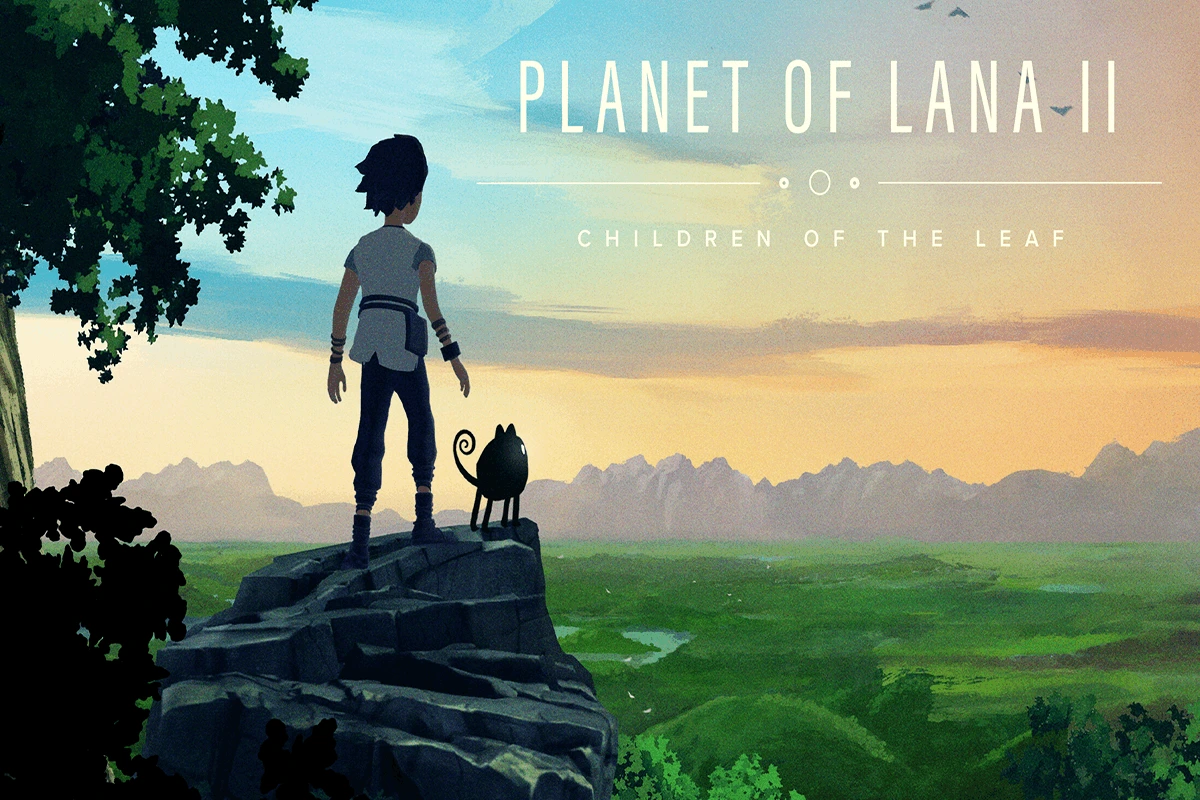
Following the critical success of the original Planet of Lana, developer Wishfully Studios returns with Planet of Lana II: Children of the Leaf, an emotionally rich cinematic puzzle-platformer that expands the universe in meaningful ways while preserving everything that made the first game so memorable. Instead of relying solely on familiar mechanics, the sequel introduces larger environments, more intricate environmental puzzles, smarter companion interactions, and a deeper narrative that explores the mysteries left behind after the original adventure.
Set several years after Lana’s first journey, the sequel presents a world still recovering from the devastating machine invasion. Although peace has gradually returned to many regions, new threats begin emerging from forgotten forests and ancient civilizations hidden beneath Novo’s surface. Lana once again embarks on an extraordinary journey alongside her loyal companion Mui, but this time their mission extends beyond simple survival. Together, they must uncover the truth surrounding the mysterious Children of the Leaf and prevent an ancient force from awakening.
Rather than becoming a conventional action game, Planet of Lana II remains committed to thoughtful exploration, environmental storytelling, stealth, and puzzle-solving. Every scene reflects Wishfully Studios’ passion for cinematic presentation, allowing players to become emotionally invested in both the world and its characters. The result is a sequel that feels larger in scope while retaining the intimate charm and emotional storytelling that defined its predecessor.
Planet of Lana II: Children of the Leaf Gameplay
The gameplay of Planet of Lana II: Children of the Leaf builds naturally upon the mechanics introduced in the original game while adding greater complexity and variety throughout the adventure. Exploration, puzzle-solving, stealth, and companion cooperation remain the core pillars of the experience, but each system has been refined to provide more freedom and rewarding gameplay.
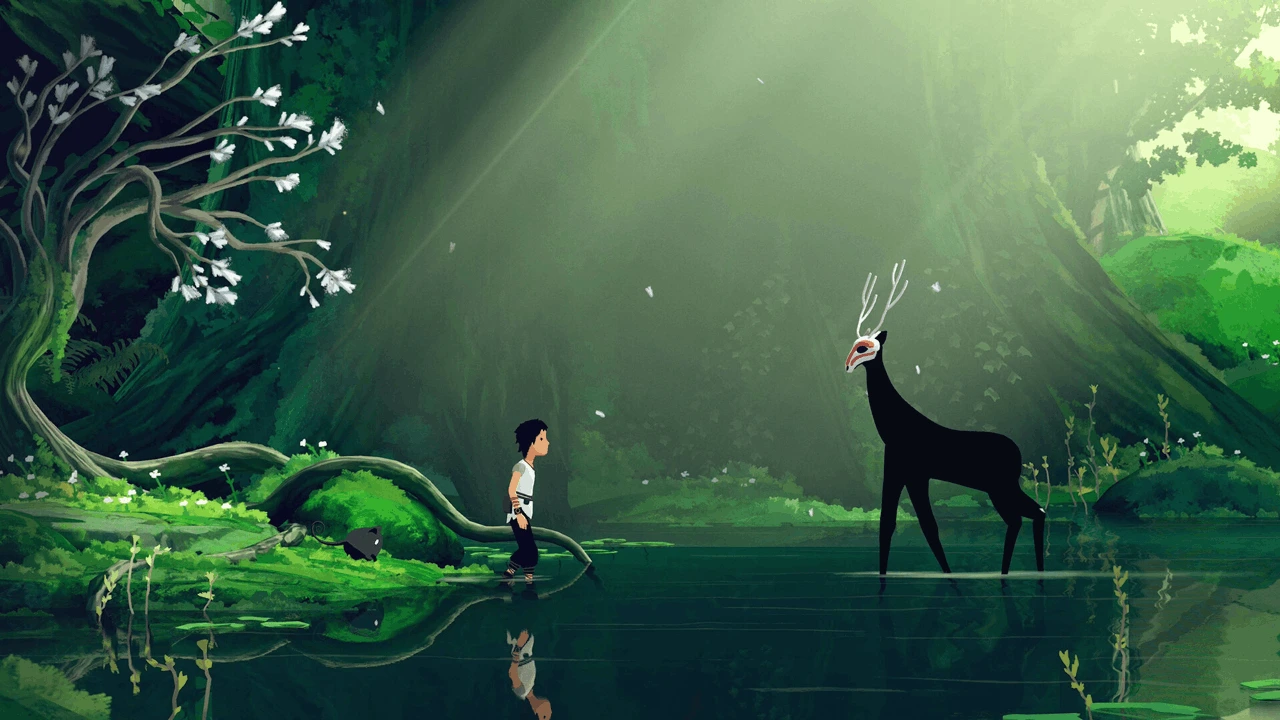
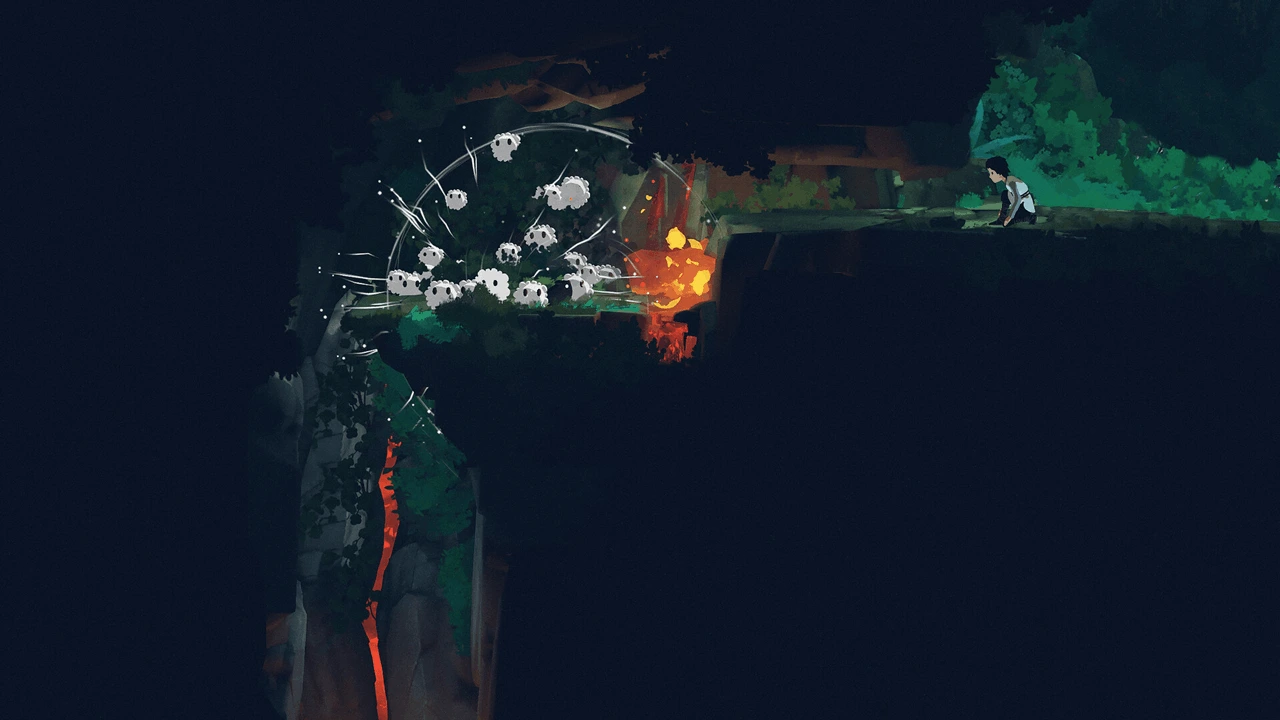
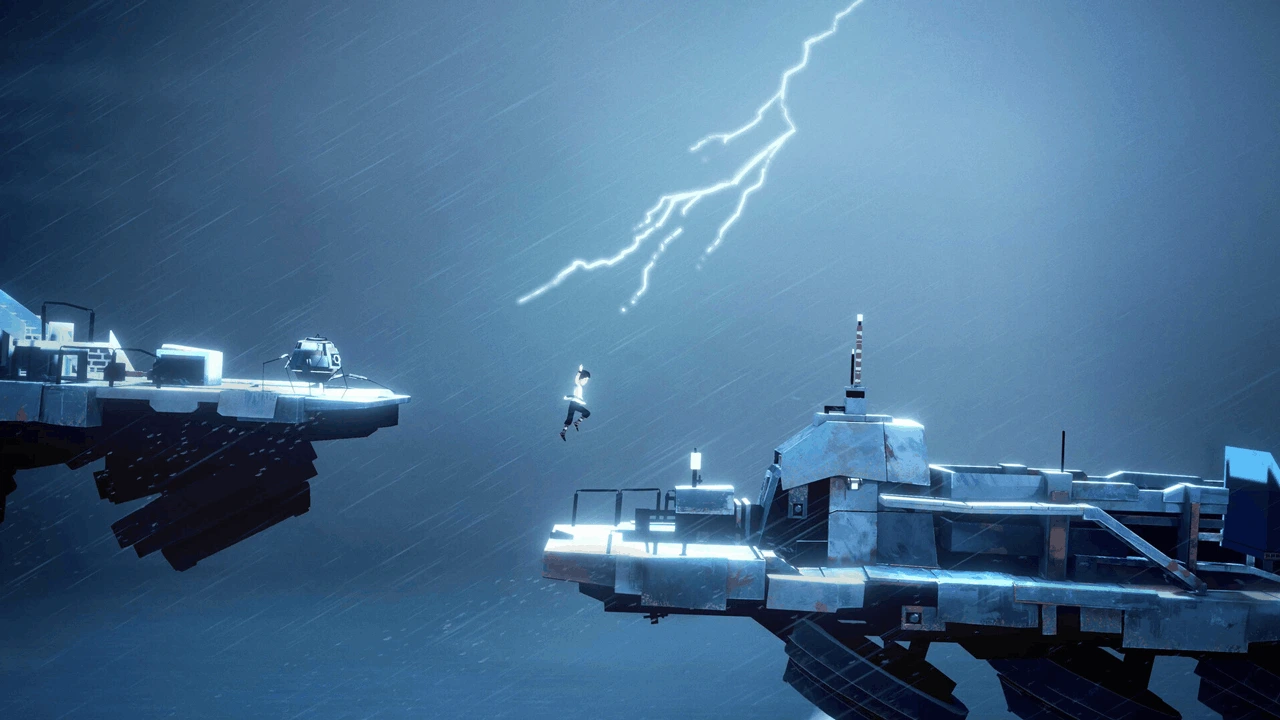
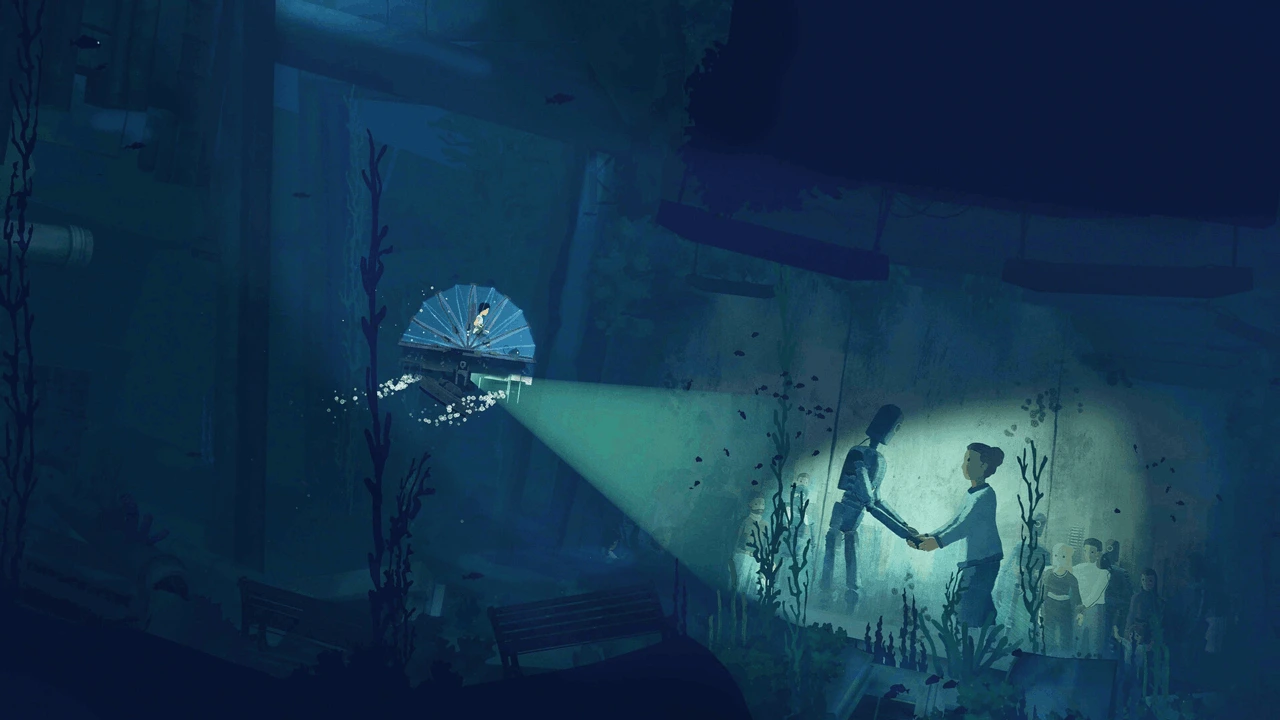
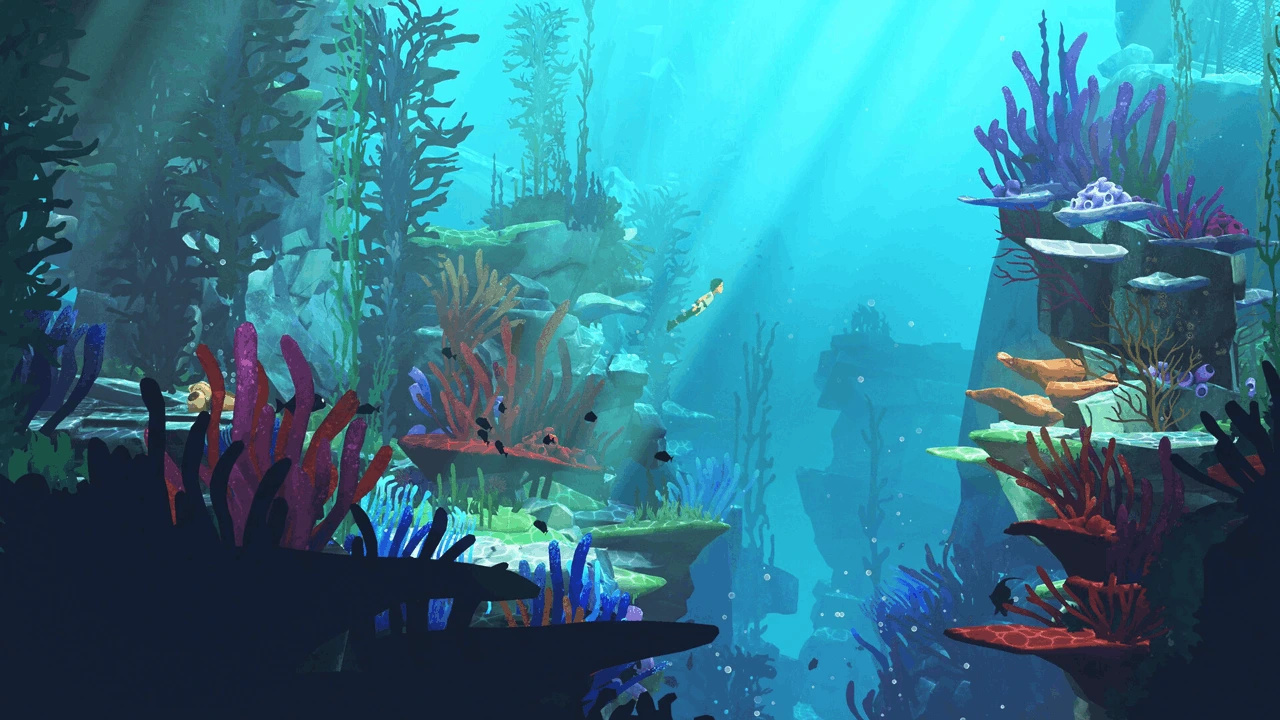
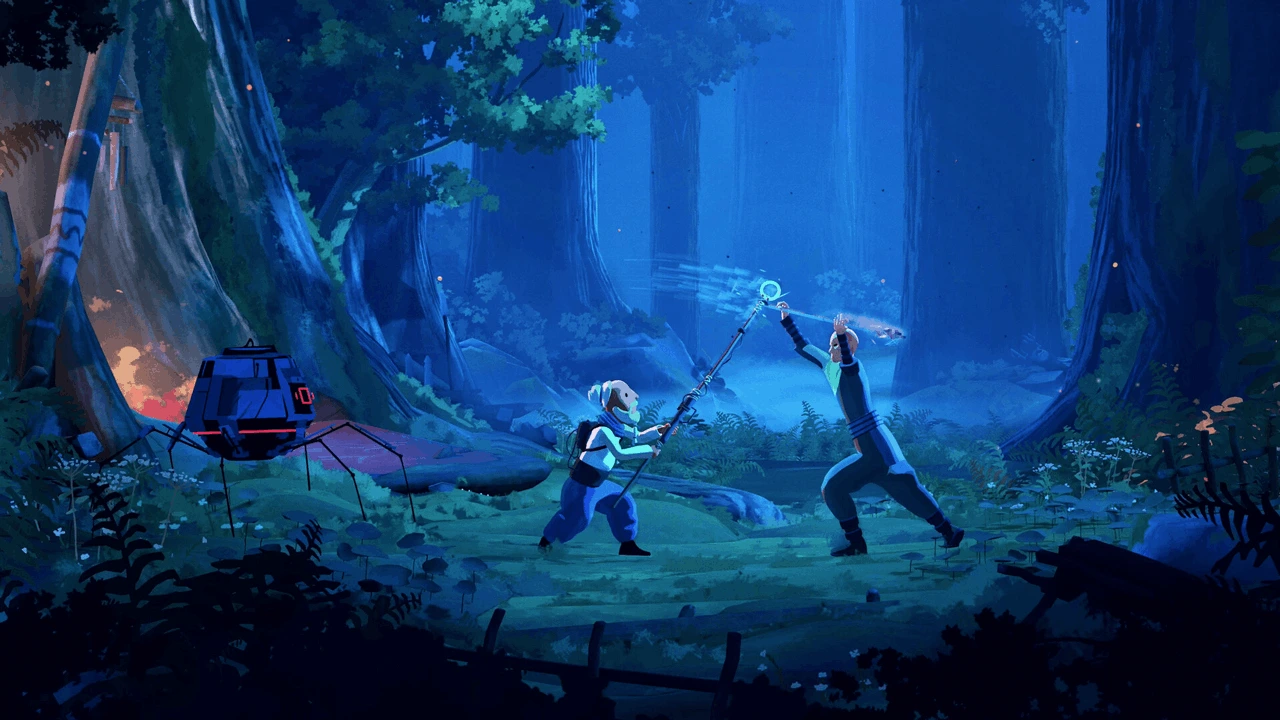
Players once again control Lana as she journeys across diverse environments filled with hidden dangers and ancient mysteries. Movement feels noticeably smoother thanks to improved climbing mechanics, expanded traversal options, swimming sequences, rope traversal, environmental interactions, and more fluid platforming animations. Every location introduces unique environmental challenges that require observation and careful timing rather than quick reflexes alone.
Mui continues to play a central role throughout the journey. The lovable creature has gained numerous new abilities that significantly expand puzzle design. Players can command Mui to activate distant mechanisms, distract hostile creatures, retrieve hidden objects, squeeze through narrow passages, communicate with friendly wildlife, and cooperate with newly introduced companion species. These expanded interactions create increasingly sophisticated puzzles that constantly encourage creative thinking.
Environmental puzzles are considerably more varied than in the original game. Ancient ruins contain rotating mechanisms, energy conduits, pressure switches, and mysterious botanical devices connected to the Children of the Leaf civilization. Forest environments introduce puzzles based on natural ecosystems, while abandoned technological facilities combine mechanical systems with organic plant growth in clever ways. Every chapter introduces fresh mechanics without allowing any individual concept to become repetitive.
Stealth remains an essential component of gameplay. Rather than confronting enemies directly, Lana must carefully avoid dangerous robotic sentries, corrupted wildlife, hostile machines, and mysterious shadow creatures inhabiting forgotten regions. Improved enemy AI reacts more naturally to movement, sound, and environmental distractions, making stealth encounters feel both tense and satisfying. Players frequently use tall grass, moving platforms, environmental cover, and Mui’s abilities to bypass threats unnoticed.
The sequel also introduces larger semi-open environments that reward exploration. Hidden caves, abandoned villages, forgotten laboratories, and underground sanctuaries contain collectible lore items, environmental storytelling, optional puzzles, and visual details that deepen the game’s mythology. Exploration feels consistently rewarding because nearly every hidden location contributes meaningful world-building rather than simple collectibles.
Several exciting new gameplay mechanics further diversify the experience. Players interact with ancient alien technology, restore damaged ecosystems, guide groups of friendly creatures through dangerous terrain, and manipulate environmental energy to unlock new pathways. Dynamic weather systems occasionally alter puzzle solutions, requiring players to adapt to changing conditions throughout certain chapters.
Unlike many puzzle-platformers, Planet of Lana II carefully balances challenge with accessibility. Puzzle difficulty gradually increases throughout the campaign while remaining intuitive thanks to excellent environmental design and subtle visual guidance. Players rarely feel frustrated because solutions naturally emerge through observation and experimentation rather than obscure logic.
Characters
Lana once again serves as the heart of the adventure. Having matured considerably since the events of the original game, she demonstrates greater confidence, determination, and compassion while continuing to embody the quiet emotional storytelling that defines the series. Although she remains a silent protagonist, expressive animations effectively communicate her thoughts and emotions throughout the narrative.
Mui returns as Lana’s loyal companion and remains one of the game’s greatest strengths. Far more than a simple helper, Mui displays increased intelligence, curiosity, and personality throughout the adventure. Its expanded abilities not only improve gameplay but also strengthen the emotional bond shared with Lana.
The sequel introduces several memorable new characters belonging to the mysterious Children of the Leaf civilization. Players encounter wise guardians, wandering survivors, curious young explorers, ancient caretakers, and enigmatic spiritual guides whose histories gradually unfold as the story progresses. Friendly wildlife and mysterious forest creatures also play larger narrative roles, creating a world that feels richer and more interconnected than before.
Several new antagonistic forces challenge Lana’s journey, including corrupted machines left behind after the original invasion, dangerous predators, and ancient entities connected to long-forgotten civilizations. Rather than relying on traditional villains, the game presents conflicts that often reflect themes of environmental imbalance, loss, and coexistence.
Missions and Features
The campaign is divided into multiple interconnected chapters, each introducing distinct objectives and environmental themes. Primary missions involve investigating ancient ruins, restoring forgotten ecosystems, rescuing lost survivors, uncovering hidden civilizations, escaping dangerous machines, solving environmental mysteries, and protecting the fragile balance between nature and technology.
Side exploration rewards players with collectible murals, historical artifacts, hidden memories, secret caves, optional puzzle rooms, and environmental lore that expands the universe established in the first game. These discoveries provide meaningful context rather than functioning as simple completion objectives.
Among the sequel’s standout features are expanded companion mechanics, enhanced stealth gameplay, dynamic environmental puzzles, improved AI, semi-open exploration areas, interactive ecosystems, cinematic storytelling, refined platforming mechanics, and seamless transitions between gameplay and narrative sequences.
Story Narrative
The story of Planet of Lana II: Children of the Leaf takes place several years after the emotional conclusion of the original game. While the people of Novo have slowly begun rebuilding their lives following the devastating machine invasion, peace proves to be only temporary. Strange disturbances begin spreading throughout the planet as ancient forests wither, mysterious creatures migrate from hidden regions, and forgotten structures buried beneath the earth awaken after centuries of silence.
Lana, now older and more experienced, senses that these unusual events are connected to secrets that existed long before the arrival of the machines. Accompanied once again by her loyal companion Mui, she embarks on a journey across unexplored regions of Novo in search of answers. What begins as an investigation into environmental changes gradually transforms into a much larger quest involving an ancient civilization known as the Children of the Leaf, guardians who once maintained the delicate balance between advanced technology and the natural world.
Throughout the adventure, Lana discovers abandoned sanctuaries, forgotten temples, underground laboratories, and hidden settlements that reveal fragments of the planet’s lost history. Ancient murals, holographic recordings, and mysterious artifacts slowly piece together the story of a civilization that mastered extraordinary technology without abandoning its connection to nature. However, this harmony eventually collapsed after powerful forces sought to control rather than protect the planet’s natural energy.
As Lana ventures deeper into the unknown, she encounters survivors whose lives have been shaped by generations of isolation. Some preserve the traditions of the Children of the Leaf, while others fear the return of the same power that nearly destroyed their ancestors. These encounters enrich the narrative by presenting different perspectives on responsibility, progress, and the consequences of exploiting nature for personal gain.
The emotional relationship between Lana and Mui remains the heart of the story. Their unspoken bond grows stronger as they overcome increasingly dangerous challenges together. Through expressive animations rather than lengthy dialogue, the game conveys friendship, trust, fear, hope, and determination with remarkable subtlety. Even quiet moments of exploration carry emotional significance, reinforcing the connection between the two companions.
Rather than relying on dramatic plot twists alone, the narrative gradually builds toward a thoughtful conclusion centered on coexistence, environmental responsibility, sacrifice, and renewal. The final chapters successfully resolve many lingering mysteries from the original game while introducing new possibilities for the future of Novo. The ending delivers a satisfying emotional payoff that feels earned through careful storytelling, memorable character moments, and meaningful world-building.
Graphics and Sound Effects
Visually, Planet of Lana II: Children of the Leaf represents a remarkable evolution of the artistic style introduced in the original game. Every environment resembles a carefully painted illustration brought to life through fluid animation, dynamic lighting, and breathtaking environmental detail. Wishfully Studios once again demonstrates exceptional artistic craftsmanship by creating landscapes that are simultaneously beautiful, mysterious, and emotionally evocative.
The world of Novo has become significantly more diverse. Players travel through vibrant forests illuminated by glowing plants, snow-covered mountain ranges, crystal-filled caverns, abandoned machine factories reclaimed by nature, peaceful lakes, ancient temples hidden beneath enormous trees, and windswept coastal cliffs overlooking endless oceans. Every biome possesses its own visual identity while maintaining a cohesive artistic direction that consistently feels hand-crafted.
Lighting technology has received substantial improvements. Sunlight filters naturally through dense forests, reflections shimmer across rivers and lakes, while nighttime sequences create breathtaking silhouettes beneath star-filled skies. Dynamic weather effects—including rainfall, fog, strong winds, and seasonal environmental changes—not only enhance visual presentation but also influence puzzle mechanics and exploration.
Character animations are noticeably more expressive than before. Lana’s subtle facial expressions, body language, and interactions with Mui communicate complex emotions without requiring spoken dialogue. Likewise, wildlife behaves naturally throughout the environment, making the planet feel genuinely alive.
The audio design complements the visuals perfectly. A beautifully orchestrated soundtrack combines gentle piano melodies, sweeping orchestral arrangements, ambient synthesizers, and natural soundscapes to create an atmosphere that shifts seamlessly between peaceful exploration and tense stealth sequences. Music never overwhelms the experience but instead enhances each emotional moment with remarkable precision.
Environmental audio plays an equally important role. Flowing rivers, rustling leaves, distant wildlife, gentle rainfall, mechanical echoes within abandoned facilities, and subtle alien sounds contribute to a deeply immersive atmosphere. Sound effects associated with puzzle mechanisms, environmental interactions, and Mui’s various abilities feel polished and satisfying, while the game’s minimalist use of dialogue allows music and ambient sound to carry much of the emotional storytelling.
Verdict
Planet of Lana II: Children of the Leaf is a superb sequel that successfully expands every aspect of its predecessor while remaining true to the quiet, emotionally driven identity that made the original game so special. Wishfully Studios demonstrates remarkable confidence by refining rather than radically reinventing its formula, resulting in an adventure that feels both comfortably familiar and meaningfully fresh.
The expanded exploration, more sophisticated environmental puzzles, improved companion mechanics, and beautifully written narrative combine to create an unforgettable journey through one of gaming’s most visually stunning worlds. Every chapter showcases exceptional artistic direction, intelligent level design, and heartfelt storytelling that consistently prioritizes emotional engagement over spectacle.
While players seeking fast-paced action may find its deliberately measured pacing less exciting, those who appreciate thoughtful puzzle-platformers and cinematic adventures will discover an experience that rewards patience, curiosity, and emotional investment. The breathtaking visuals, atmospheric soundtrack, memorable characters, and deeply satisfying conclusion elevate the sequel into one of the finest narrative adventures of its generation.
For fans of the original game, Planet of Lana II: Children of the Leaf is everything a sequel should be—larger, richer, more ambitious, and emotionally resonant without losing the charm and intimacy that defined its predecessor. It stands as a shining example of how thoughtful storytelling and artistic vision can create an unforgettable interactive experience.
The Good
- Beautiful hand-painted visual presentation with exceptional artistic direction
- Emotional and thoughtfully written story that expands the original game’s lore
- Excellent environmental puzzles with greater variety and creativity
- Strong companion mechanics that deepen gameplay and storytelling
- Outstanding orchestral soundtrack and immersive environmental audio
- Diverse environments filled with meaningful exploration and hidden lore
- Smooth platforming and refined stealth mechanics
- Memorable world-building with satisfying narrative progression
The Bad
- Deliberately slow pacing may not appeal to action-focused players
- Limited replay value compared to larger open-world adventures
- Some puzzles become more challenging than expected in later chapters
- Minimal dialogue may leave certain supporting characters underdeveloped
Release Date and Platforms
Planet of Lana II: Children of the Leaf was released on March 5, 2026, for Xbox Series X|S, Xbox One, Windows PC, PlayStation 5, PlayStation 4, and Nintendo Switch. The game is also available through Xbox Game Pass, allowing subscribers to experience the adventure from launch day.
Genre
Planet of Lana II: Children of the Leaf belongs primarily to the cinematic puzzle-platformer genre while incorporating elements of adventure, stealth, environmental exploration, science fiction, and narrative-driven storytelling. Its emphasis on thoughtful puzzle design, emotional character development, and atmospheric world-building distinguishes it from more action-oriented platforming games.
Developer and Publisher
The game was developed by Wishfully Studios and published by Thunderful Publishing. Building upon the critical acclaim earned by the original Planet of Lana, the development team successfully expands the series with richer gameplay systems, more ambitious world design, and a stronger narrative while preserving the artistic identity that made the first game so memorable.
Planet of Lana II: Children of the Leaf System Requirements
Minimum
- OS: Windows 10
- Processor: Intel Core i5
- Memory: 4 GB RAM
- Graphics: GTX 660
- Storage: 44 GB available space
Recommended
- OS: Windows 10
- Processor: Intel Core i7
- Memory: 6 GB RAM
- Graphics: GTX 1060
- Storage: 44 GB available space