A Bold Evolution of Tactical RPG and Sci-Fi Exploration
Introduction
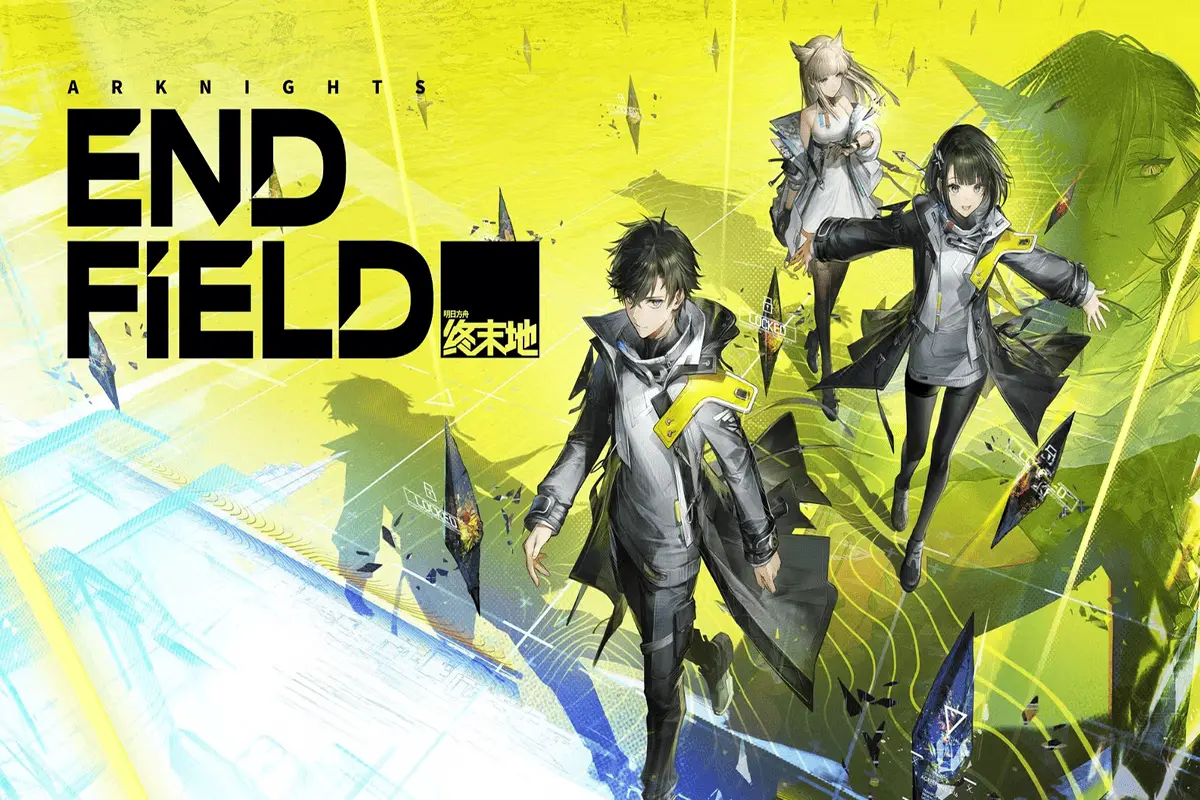
Arknights: Endfield is one of the most ambitious expansions of a beloved franchise in recent years, transforming the strategic foundations of the original Arknights into a fully realized 3D action RPG experience. Developed with a massive focus on world-building, tactical combat, and cinematic storytelling, the game pushes the franchise far beyond its tower-defense origins while preserving the complex strategic identity that made the original title globally successful.
Set in the harsh and mysterious world of Talos-II, Arknights: Endfield introduces players to a dangerous frontier filled with technological ruins, hostile creatures, political instability, and ancient secrets. Rather than simply functioning as a spin-off, the game feels like a complete reimagining of the Arknights universe, delivering a large-scale sci-fi adventure that blends action combat, squad management, exploration, and base-building systems into one cohesive experience.
What immediately stands out is the game’s scale and ambition. The environments are significantly larger and more interactive than anything previously seen in the franchise, and the storytelling carries a more cinematic presentation. Combined with highly detailed character designs and fast-paced tactical gameplay, Arknights: Endfield establishes itself as a major leap forward for both the series and the genre itself.
Gameplay – Deep Tactical Combat, Squad Systems, Exploration, Base Construction, and Dynamic Progression
The gameplay of Arknights: Endfield is exceptionally layered, combining real-time action combat with strategic squad management and large-scale exploration systems, unlike the original Arknights, which focused heavily on tower-defense mechanics, Endfield shifts toward a hybrid action RPG structure while retaining strong tactical depth.
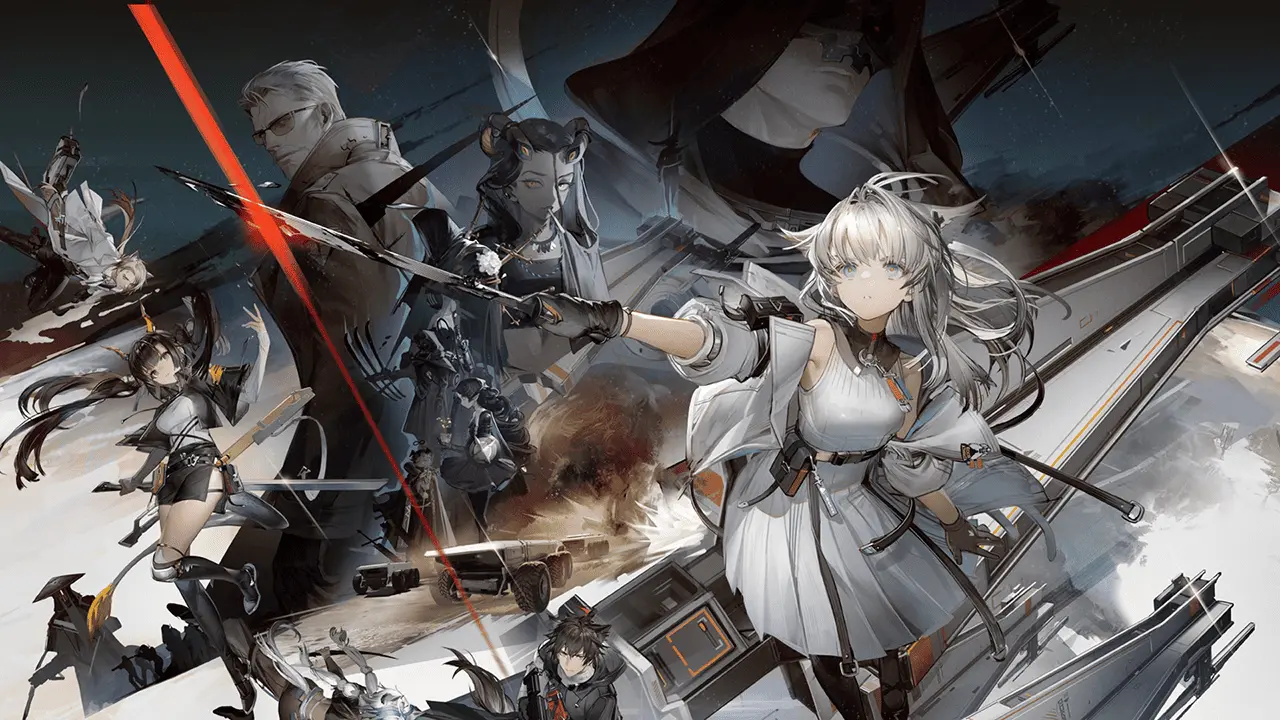
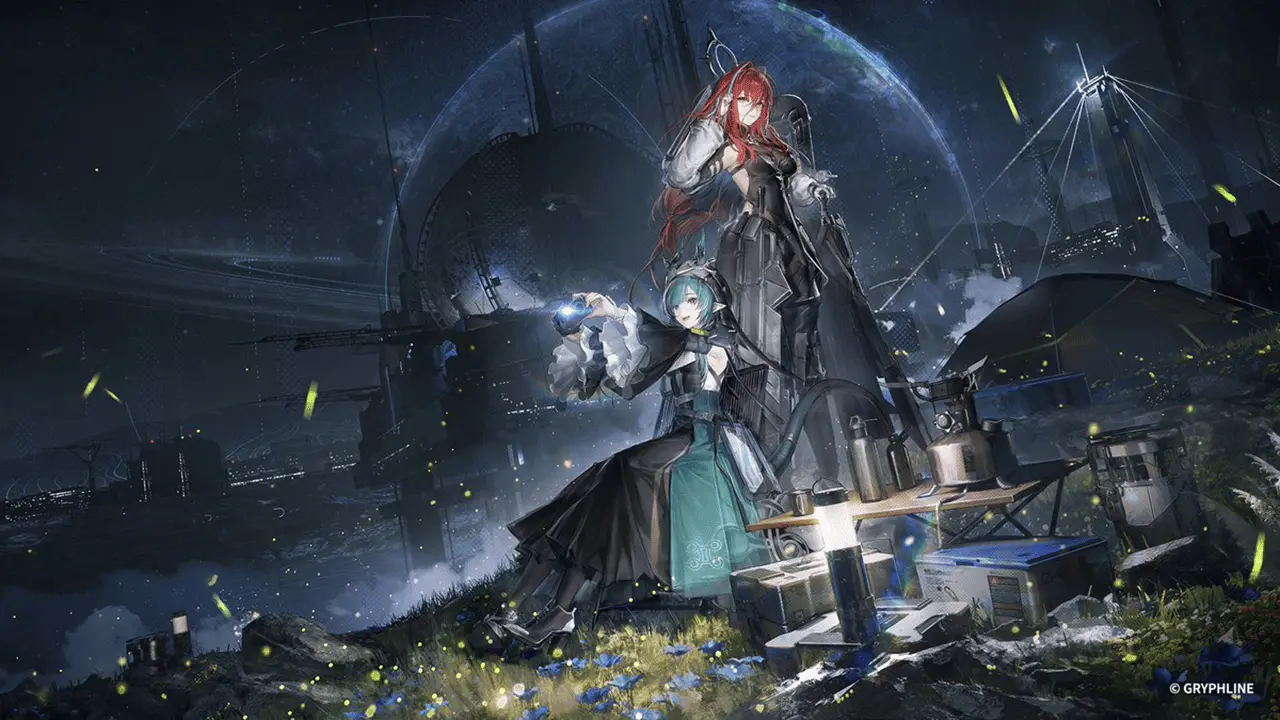
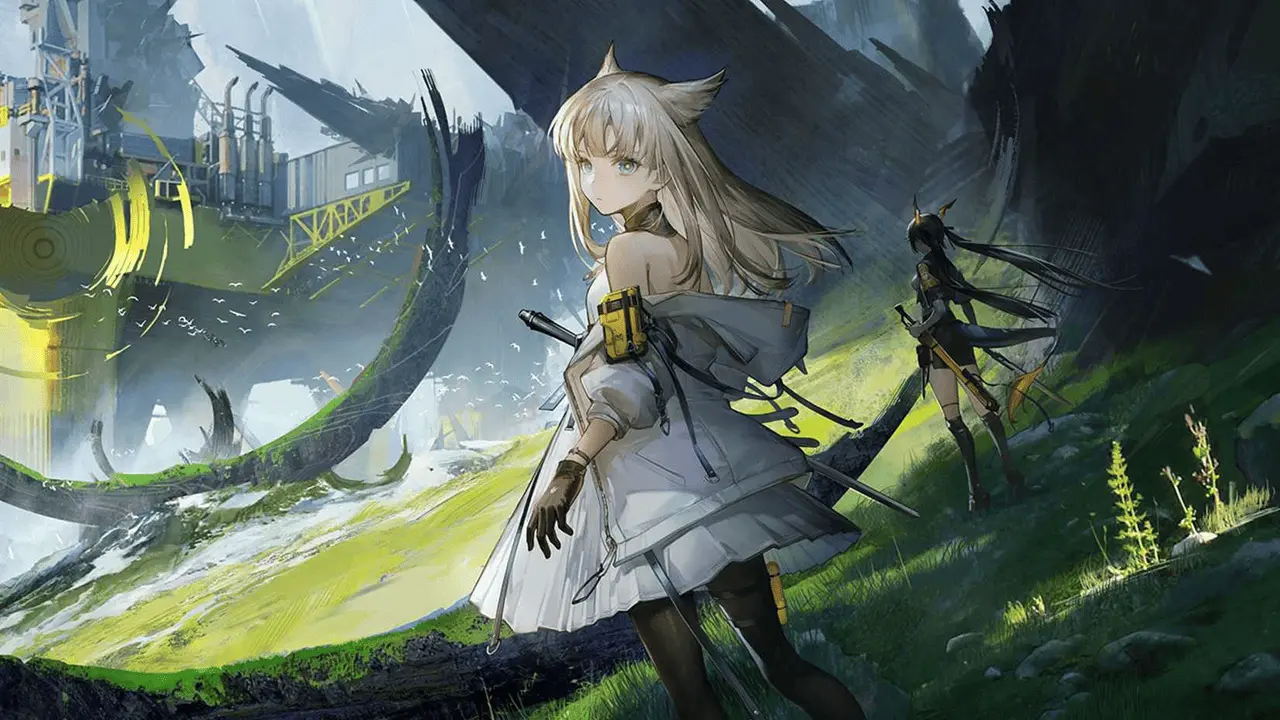
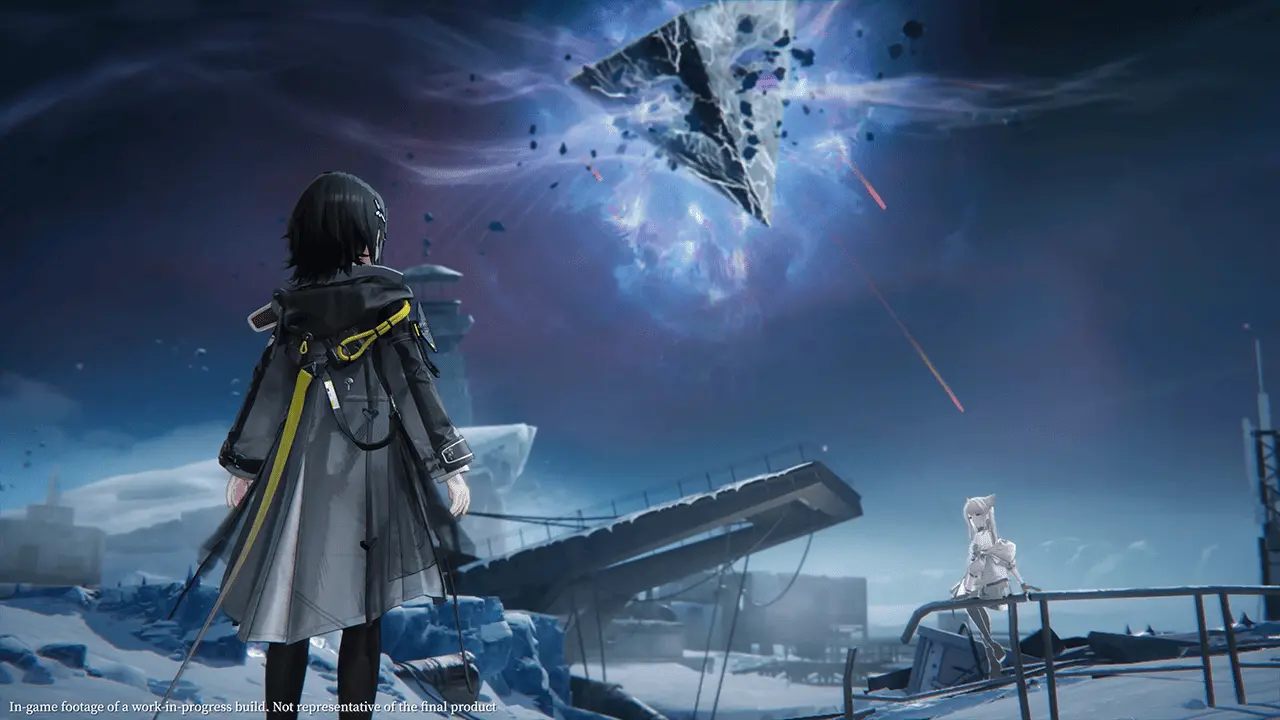

Players assume the role of the Endministrator, a leader tasked with managing operations on Talos-II while guiding a team of highly specialized Operators through dangerous missions and expanding settlements. The gameplay loop revolves around exploration, combat, resource management, character progression, and infrastructure development.
Combat is one of the game’s most impressive elements. Battles occur in real-time and feature a squad-based system where players control one character directly while issuing commands to other team members. The transition from traditional tower-defense gameplay to full 3D combat has been handled remarkably well. Each Operator possesses unique abilities, combat styles, elemental affinities, and tactical roles.
Characters are divided into various classes such as Vanguard, Defender, Specialist, Supporter, Sniper, and Caster, with each fulfilling specific functions during battle. Some Operators excel in close-range combat, while others focus on ranged attacks, healing, crowd control, or defensive support. This class-based design creates substantial strategic variety, requiring players to carefully assemble balanced teams for different mission types.
Combat encounters emphasize positioning, timing, and synergy between Operators. Players can chain abilities together to trigger powerful combo attacks or elemental reactions. Enemy encounters become increasingly sophisticated as the game progresses, often requiring players to adapt tactics rather than relying on brute force.
Boss battles are especially memorable. Large-scale enemies feature multiple combat phases, environmental hazards, and complex attack patterns that test both reflexes and strategic planning. Some encounters also integrate squad coordination mechanics, forcing players to actively switch between Operators during battle.
One of the most significant gameplay additions is the industrial automation and base-building system. Throughout Talos-II, players establish facilities and construct industrial networks to gather resources and sustain operations. These systems include mining stations, processing facilities, transportation routes, and power infrastructure.
Unlike simplistic crafting systems found in many RPGs, Endfield’s industrial management is highly interactive. Players must optimize supply chains, automate production systems, and maintain efficient resource distribution across the map. This adds a strong simulation element to the gameplay and creates a satisfying sense of progression.
Exploration is another major strength of the game. Talos-II is divided into large open regions filled with hidden locations, environmental puzzles, enemy camps, and ancient ruins. Traversal feels fluid thanks to climbing systems, mobility tools, and vehicle-based transportation mechanics introduced later in the game.
The mission structure is remarkably varied. Main story missions focus on expanding Endfield Industries’ operations, investigating anomalies, and confronting hostile factions. Side missions add depth to the world through character-focused stories, optional objectives, and faction-based conflicts.
Character interactions play a huge role in the experience. The game features a large cast of Operators, each with detailed backstories, unique personalities, and extensive dialogue interactions. Some characters serve as frontline combat specialists, while others contribute to industrial operations or political negotiations.
Notable Operators revealed so far include Perlica, Chen Qianyu, Wulfgard, and Endfield’s central leadership personnel. Each character has unique combat mechanics and narrative importance. Relationship systems allow players to strengthen bonds with Operators through missions and optional conversations, unlocking additional story content and gameplay benefits.
Customization is another major gameplay component. Weapons, equipment modules, skill trees, and tactical loadouts allow players to tailor Operators according to preferred playstyles. Some builds emphasize raw damage output, while others focus on support or survivability.
Environmental storytelling further enriches exploration. Ancient ruins, abandoned industrial sites, and scattered data archives reveal the history of Talos-II and its connection to the broader Arknights universe. The game rewards players who carefully investigate the world rather than rushing through objectives.
One particularly impressive feature is the dynamic ecosystem. Certain enemy species migrate through regions, environmental hazards evolve over time, and weather conditions can impact both exploration and combat efficiency. These dynamic elements make the world feel alive and unpredictable.
Overall, the gameplay of Arknights: Endfield is remarkably ambitious. It successfully combines tactical depth, real-time action, exploration, and industrial simulation into a cohesive and rewarding experience that constantly evolves throughout the game.
Story Narrative
The narrative of Arknights: Endfield takes place on Talos-II, a dangerous frontier planet plagued by environmental instability, political conflict, and mysterious technological remnants. Players assume the role of the Endministrator, responsible for guiding Endfield Industries in establishing operations while uncovering the secrets buried beneath the planet’s surface.
The story explores themes of survival, industrial expansion, human ambition, and the ethical consequences of technological advancement. As players progress, they encounter rival factions, ancient anomalies, and hidden truths tied to Talos-II’s origins.
The game’s storytelling is highly cinematic, featuring fully voiced dialogue, large-scale cutscenes, and emotionally driven character arcs. Unlike many science-fiction RPGs that prioritize spectacle alone, Endfield focuses heavily on interpersonal relationships and political tension.
Graphics and Sound Effects Improvements
Visually, Arknights: Endfield is a massive upgrade for the franchise. Character models are highly detailed, environments are expansive and atmospheric, and lighting systems create a strong sense of immersion. The transition from 2D artwork to fully rendered 3D environments has been handled exceptionally well while maintaining the distinctive art style fans recognize from the original game.
Environmental diversity is particularly impressive. Industrial complexes, frozen wastelands, underground facilities, and futuristic cities all feature unique visual identities and intricate environmental detail.
The sound design is equally strong. The soundtrack blends orchestral compositions with electronic and industrial elements, perfectly complementing the game’s futuristic setting. Combat sound effects feel impactful, while ambient audio helps establish tension during exploration.
Voice acting has also received significant attention, with multilingual performances adding emotional weight and personality to the large cast of Operators.
Verdict
The Good
- Deep and highly strategic real-time combat system
- Massive world with rewarding exploration and environmental storytelling
- Exceptional character design and squad customization
- Innovative industrial automation and base-building mechanics
- Stunning visuals and cinematic presentation
The Bad
- Complex systems may overwhelm casual players
- Resource management mechanics can occasionally feel time-consuming
- Large-scale progression systems require significant investment
Release Date and Platforms
Arknights: Endfield is currently scheduled for release in 2026. The game will launch on PC, PlayStation 5, and mobile platforms, including iOS and Android. The developers have emphasized cross-platform optimization to ensure smooth performance and consistent gameplay across all devices.
Genre
The game belongs primarily to the action RPG genre while incorporating elements of tactical strategy, squad-based combat, open-world exploration, and industrial simulation. Its hybrid design allows it to appeal to both traditional RPG fans and players who enjoy strategic management systems.
Developer and Publisher
Arknights: Endfield is developed by Hypergryph and published globally by GRYPHLINE. The development team has focused heavily on expanding the franchise’s scale while preserving the deep strategic identity associated with the Arknights universe.